Acropolis at opening time
The site opens at 08:00; walking the Propylaia and standing before the Parthenon in early light, before the heat and the coach parties, is an entirely different encounter with antiquity.
Φως της Αθήνας
Athens piles 3,500 years of civilisation into a city that is also urgently, noisily alive — where the world's finest classical ruins neighbour neighbourhood tavernas, anarchist murals, and rooftop bars with the Parthenon glowing amber above the skyline.
The site opens at 08:00; walking the Propylaia and standing before the Parthenon in early light, before the heat and the coach parties, is an entirely different encounter with antiquity.
The Temple of Hephaestus is the best-preserved classical temple in Greece; the surrounding Agora was democracy's birthplace — Socrates argued philosophy on these precise stones.
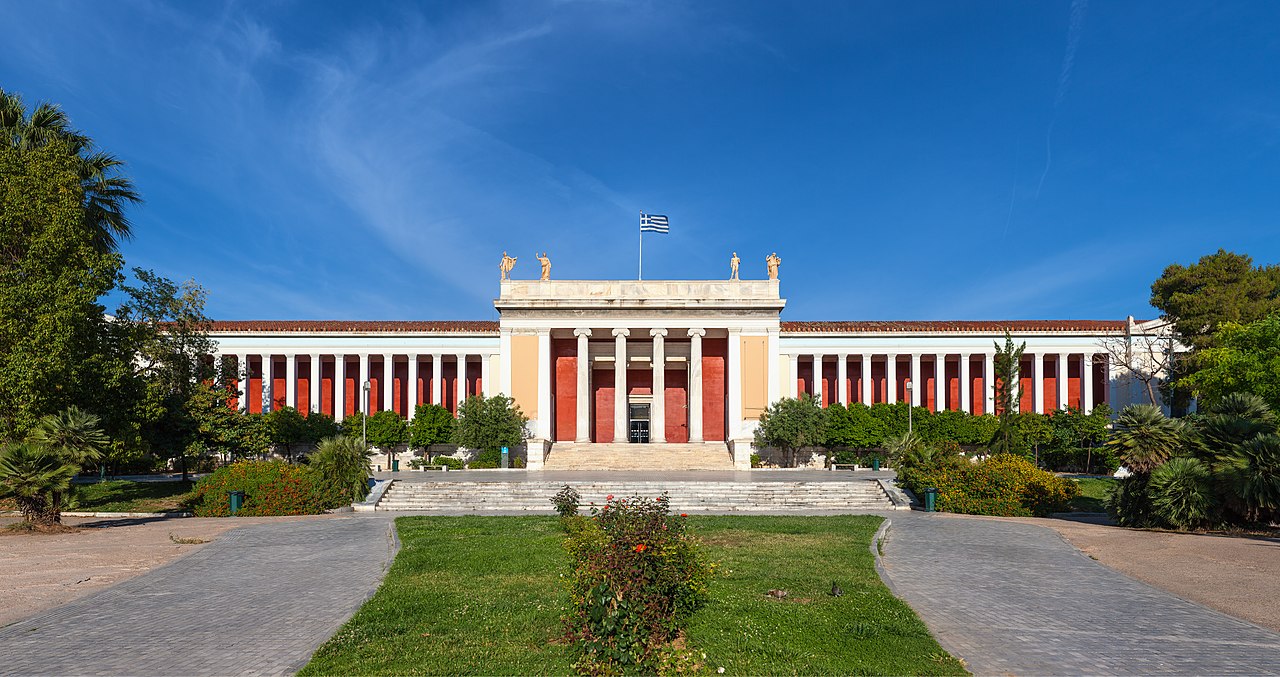
The Antikythera Mechanism, the gold death mask attributed to Agamemnon, and the Artemision Bronze Zeus — a collection with no serious rival in the classical world.
Seventy kilometres south, Byron carved his name in the temple marble; a morning visit has the cliff-edge Aegean panorama and the carved columns almost entirely to yourself.
The covered meat and fish hall off Athinas Street is unchanged since the 19th century — sensory overload in the best possible way, followed by coffee at the adjacent spice bazaar.
The pine-covered cone rises 277 metres in the middle of the city; the morning walk up gives an uninterrupted city panorama before the summer haze builds over the basin below.
Once Athens's main burial ground and potters' quarter, this grassy archaeological site is threaded by the Sacred Way and dotted with marble grave stelae. It draws only a fraction of the visitors of the Acropolis, even in high season.
The Caryatids, the Parthenon frieze fragments, and a glass floor above live excavations — and a direct view of the Acropolis through the glazed south wall, ancient and modern in conversation.
Fullest on Sunday mornings; every day offers antique icons, vintage Greek film posters, Byzantine metalwork, and warm loukoumades from the stalls lining the surrounding streets.
Forty minutes from Piraeus; the Temple of Aphaia above the pistachio orchards is one of the finest archaic temples surviving, and the harbour fish tavernas are unpretentious perfection.
Byzantine icons, El Greco paintings, and modern Greek jewellery in a Neoclassical mansion; spend the afternoon remainder at the uphill cafés and boutiques of the Kolonaki quarter.
The oldest residential neighbourhood in the city, built on and around the ancient slopes; neoclassical houses, bougainvillea terraces, and a quieter, more domestic side of Athens.
Two of Athens' most creative neighbourhoods within easy walking distance of each other — enormous murals, independent galleries, and vinyl record shops on almost every block.
Tucked beneath the Acropolis's north slope, this cluster of whitewashed, Cycladic-style houses was built by island stonemasons in the 19th century. Its stepped alleys feel closer to a Greek island than a European capital.
The Acropolis turns amber then gold then rose from the opposite hill; the locals' sunset spot is free, crowd-free, and arguably better than the Acropolis itself for photographers.
Half a dozen rooftop bars above Monastiraki serve cocktails as darkness falls over the Acropolis — arrive before 20:00 for a rail seat as the monument lights come on across the skyline.
Athens' taverna culture reaches its most convivial in Psyrri: plates of taramosalata, grilled saganaki, and slow lamb shoulder shared across a long table, always with house wine and argument.
The blues of Greece, born in Aegean port towns; small basement clubs in Monastiraki and Psyrri still host late-night rebetiko sessions from around 23:00 — deeply and authentically atmospheric.
The bare marble outcrop where Athenian courts once convened offers the single best free view of the floodlit Acropolis, especially once the tour groups have gone.
A livelier counterpart to rebetiko's melancholy, this is an evening of bouzouki and dancing where guests are quietly expected to join in by the second set.
A short, unpretentious crawl between a few standing-room souvlaki counters near Syntagma, the kind of eating that Athenians do best and tourists too often skip.
The cornerstone of Athenian society since 1842, Grande Bretagne's rooftop restaurant and pool command an unobstructed panorama of the Acropolis, while its Churchill Suite and legendary GB Corner Bar remain the most storied addresses in Greek hospitality.
A 1936 neoclassical landmark whose penthouse Tudor Hall restaurant delivers the closest Acropolis-facing dining view in Athens, paired with individually decorated suites mixing dark hardwoods, hand-stitched linens, and original Greek artworks.
Brazilian designers the Campana Brothers transformed this 1950s Athenian hotel into a collage-art installation with 79 individually crafted rooms, a sculpture-garden rooftop, and an approach to hospitality the Athenian design world still considers its finest hour.
Towering above Monastiraki with a rooftop infinity pool and terrace bar facing the Acropolis at eye level, Electra Metropolis combines contemporary Greek design sensibility with flawless service and arguably the single most spectacular hotel sunrise in Athens.
Rates change — check the live price.
Photography shows the dishes and cuisine — representative, not from the restaurants themselves.
Michelin-starred chef Lefteris Lazarou has defined contemporary Greek seafood for thirty years; book the waterfront terrace and arrive at sunset.
Barrels of retsina line the walls, the daily dish is chalked on a board, and the owner serves you personally — Athens at its most timelessly and stubbornly itself.
Creative modern meze — the shrimp saganaki with ouzo cream and the cheese-stuffed figs are the standouts. Cheerful, busy, and genuinely good value.
The benchmark Monastiraki souvlaki joint since the 1960s — pork or beef kebab in flatbread with tomato and onion, eaten standing on the square with a cold Mythos.
Honey-drenched doughnut balls served plain or with crushed walnuts and cinnamon from one of the city's best-loved pastry counters, always hot from the fryer.
An outstanding selection of Greek natural and skin-contact wines from Santorini, Naoussa, and lesser-known island producers, with well-sourced local cheese alongside.
The site opens at 08:00 and the first 90 minutes are dramatically less crowded — buy tickets online the day before to skip the queue entirely.
The €30 multi-site ticket covers the Acropolis, Agora, Kerameikos, and five other sites over five days — significantly better value than buying each entrance separately.
Athens in July and August can exceed 40°C; schedule all outdoor ancient sites before 10:00 or after 17:00, and carry more water than you think you need.
The Athens metro connects the airport to Syntagma in 40 minutes for €11; taxis within the city are inexpensive by Western European standards and honest by law.
Monastiraki flea market is at its most atmospheric on Sunday mornings from 08:00 to 14:00; the permanent antique dealers are open daily but the full sprawl is Sunday only.