Schramsberg Cave Tour and Sparkling Tasting
A guided walk through hand-dug 19th-century tunnels stacked with riddling racks, ending in a seated tasting of the sparkling wines that once poured at Nixon's 1972 China toast. Reservation required.
Cabernet Rows, Cave Tours & the Valley Table
Two valleys of vines share a fault line and little else: Napa's cabernet rows run stately along the Silverado Trail while Sonoma's looser patchwork of zinfandel and pinot spreads from redwood coast to town plaza. Mornings mean cave tours and balloons; evenings, some of the country's hardest-won tables.
A guided walk through hand-dug 19th-century tunnels stacked with riddling racks, ending in a seated tasting of the sparkling wines that once poured at Nixon's 1972 China toast. Reservation required.
A pre-dawn launch over the Carneros vines drifts across the Napa-Sonoma line as the valley fog burns off, finished with a champagne toast on landing. Weather can cancel or delay a launch with little notice.
Seated flights of sparkling and pinot noir on a colonnaded terrace overlooking Carneros vines, at a chateau built by the Taittinger family. Book ahead; walk-ins are turned away on busy weekends.
A covered market of small-batch bakers, oyster shuckers and coffee roasters on the Napa River, best worked slowly with a coffee in hand before the day's tastings begin.
A hilltop tasting room in Dry Creek Valley pouring old-vine zinfandel blends from a producer that has published its ingredient labels since the 1990s. Outdoor seating looks over the estate vines.
Shade trees, a bandstand and independent shops ring the plaza at the heart of town; a short stroll away, a certified farmers market sets up at the Foley Family Community Pavilion on Saturday mornings, April through December.
California's northernmost and last-built mission, a modest 1823 adobe on the edge of the state's largest town plaza, marks the end of the mission chain and the start of the Bear Flag Revolt a block away.
An open tram climbs through certified-biodynamic estate vineyards on Sonoma Mountain, with a guide explaining insectary rows and compost preparations before a seated tasting back at the winery.
Restored early-1900s Pullman cars roll a 36-mile round trip between Napa and St. Helena while a multi-course lunch is plated at your seat, the vineyards sliding past the window instead of a road.
A working winery built as an eight-level Tuscan-style castle, complete with a moat, frescoed chapel and underground barrel cellars, poured through after a self-guided or docent tour of the grounds.
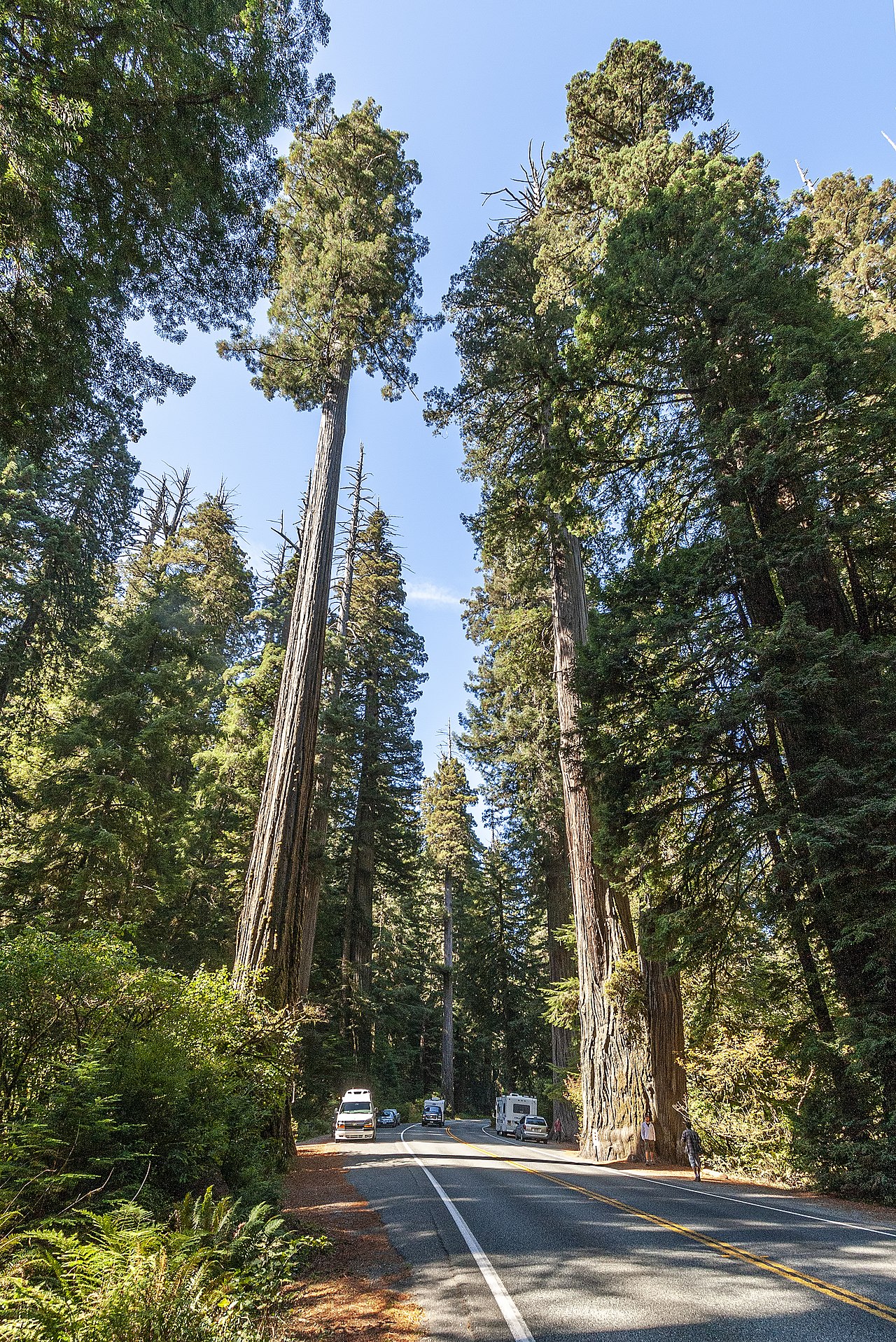
A flat, mile-and-a-half loop among coast redwoods over 1,000 years old near Guerneville, a cool green contrast to the open vine rows a half-hour east. The Colonel Armstrong and Icicle Trees anchor the walk.
The Culinary Institute of America's downtown Napa campus runs public cooking demonstrations and self-guided kitchen-garden walks in a restored riverfront building, a hands-on counterpoint to a day of tastings.
A flat, lightly trafficked backroad loop past family wineries and century-old farmhouses, ridden on a rental from a Healdsburg bike shop with tasting stops built into the route.
A walkable row of small designer show-gardens beside Highway 121 outside Sonoma, now anchored by a tasting room and market hall, good for stretching legs between valley stops.
Thomas Keller's stone cottage runs a nine-course tasting menu booked through Tock exactly two months ahead. Jackets requested for men in the valley's most cited kitchen, still one of the hardest tables in the country.
A five-story Healdsburg building holds an inn and this Michelin three-star dining room, its tasting menu built each night from the restaurant's own Dry Creek Valley farm. Among the hardest reservations in the country.
Thomas Keller's brasserie serves steak frites, roast chicken and a raw bar late into the night, brass rails and a zinc bar giving it a genuine Lyon feel without the Laundry's months-long wait.
A wood-fired, produce-driven menu from the French Laundry team fills a stone-walled St. Helena storefront, sharing plates built around a live-fire hearth and the valley's own vegetables.
A French-countryside menu of fig-flecked salads, mussels and duck confit on Sonoma Plaza, poured from an all-Rhone-varietal wine list, running for more than two decades on the square.
The resort's olive-terrace bar looks straight down the Rutherford Bench, valley lights coming on as the sun drops behind the Mayacamas. Open to non-guests; arrive before sunset for a table.
String lights come on over the plaza's lawn and shopfronts as tasting rooms close and restaurants fill; a quiet, walkable end to a day spent mostly in a car between wineries.
Olive-terraced hillside suites above the Rutherford Bench, a Michelin-starred restaurant and the valley's most photographed sunset view; the original Napa luxury address since 1983.
A LEED Platinum-certified retreat of low timber-and-glass bungalows around a rooftop pool, a short walk from the French Laundry and Bouchon; a modernist counterpoint to the valley's grande dames, awarded Two Michelin Keys in 2025.
Freestanding bungalow-style suites scattered across a 258-acre oak-and-vineyard estate northeast of downtown, opened December 2020 as Sonoma County's first true five-star resort.
An 1850s working ranch estate reinvented as a Forbes Four-Star retreat, its gardens and century-old trees spread across six acres four blocks from Sonoma Plaza; independently run, not part of a chain.
Rates change — check the live price.
Photography shows the dishes and cuisine — representative, not from the restaurants themselves.
Thomas Keller's original tasting-menu temple, still one of the hardest reservations in American dining and priced accordingly; book at exactly two months out, to the minute.
A Michelin three-star menu built nightly from the restaurant's own 24-acre Dry Creek Valley farm, paired with a five-room inn upstairs; among Sonoma County's most serious tables.
Zinc bar, brass rails and a raw bar turning out steak frites and roast chicken until late, the more attainable half of Thomas Keller's Yountville pair.
Christopher Kostow's produce-forward, live-fire menu in a stone-walled Main Street storefront, sharing plates built around whatever the valley's farms sent that morning.
Two decades on the square with fig-and-arugula salad, mussels frites and an all-Rhone wine list; the plaza's reliable long-runner for a relaxed dinner.
House-cured salumi and blistered wood-fired pizzas in a former 1912 saloon on Geyserville's main street, the casual counterpoint to the region's tasting-menu heavyweights.
Reservation-only tastings are now the norm at name-brand wineries — Schramsberg, Domaine Carneros and Castello di Amorosa all turn away walk-ins on weekends. Book two to four weeks out in high season.
The Michelin three-star Restaurant at Meadowood burned in the 2020 Glass Fire and was not rebuilt. The resort itself reopened in 2023 as a members' club with public rooms and a new restaurant, Forum, in its place.
Rideshare coverage thins out between wineries once you leave town centers. Most visitors book a car service or designated driver for full tasting days rather than risk driving after multiple pours.
August through October brings crush and the valley's worst Highway 29 backups, especially Friday afternoons and weekend mornings; the Silverado Trail is the reliable back-road alternative.
Reservations open precisely two months ahead, to the minute, through the Tock platform, and the hardest dates go instantly; have an account and payment ready before the window opens.