Museum
Vasa Museum warship
A near-complete seventeenth-century warship raised from the harbour floor in 1961 — the scale, the carved decoration, and the fact that it sank on its maiden voyage make it endlessly affecting.
Stad på Vatten
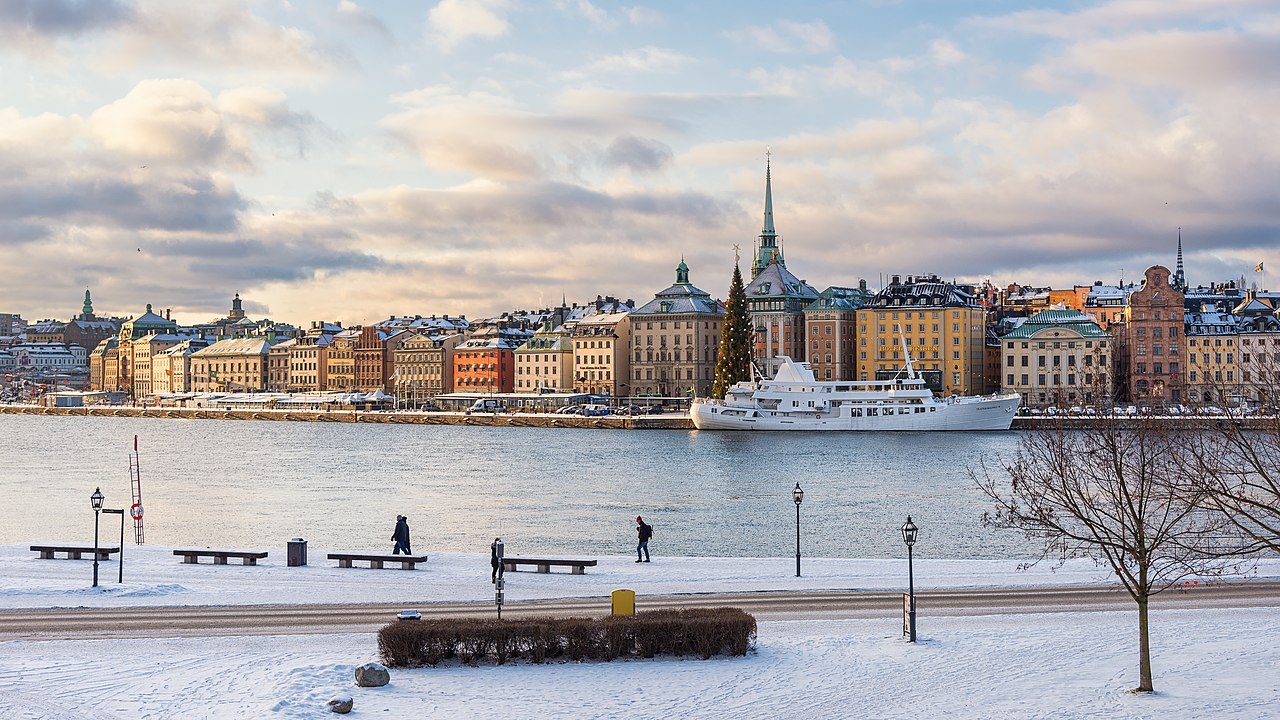
Fourteen islands bound by bridges and water, where a thousand-year-old old town sits within cycling distance of both a Michelin three-star kitchen and a forested archipelago of thirty thousand islands. Stockholm is the city where Scandinavian design became a way of life, and every café, park bench and transit map shows it.
A near-complete seventeenth-century warship raised from the harbour floor in 1961 — the scale, the carved decoration, and the fact that it sank on its maiden voyage make it endlessly affecting.
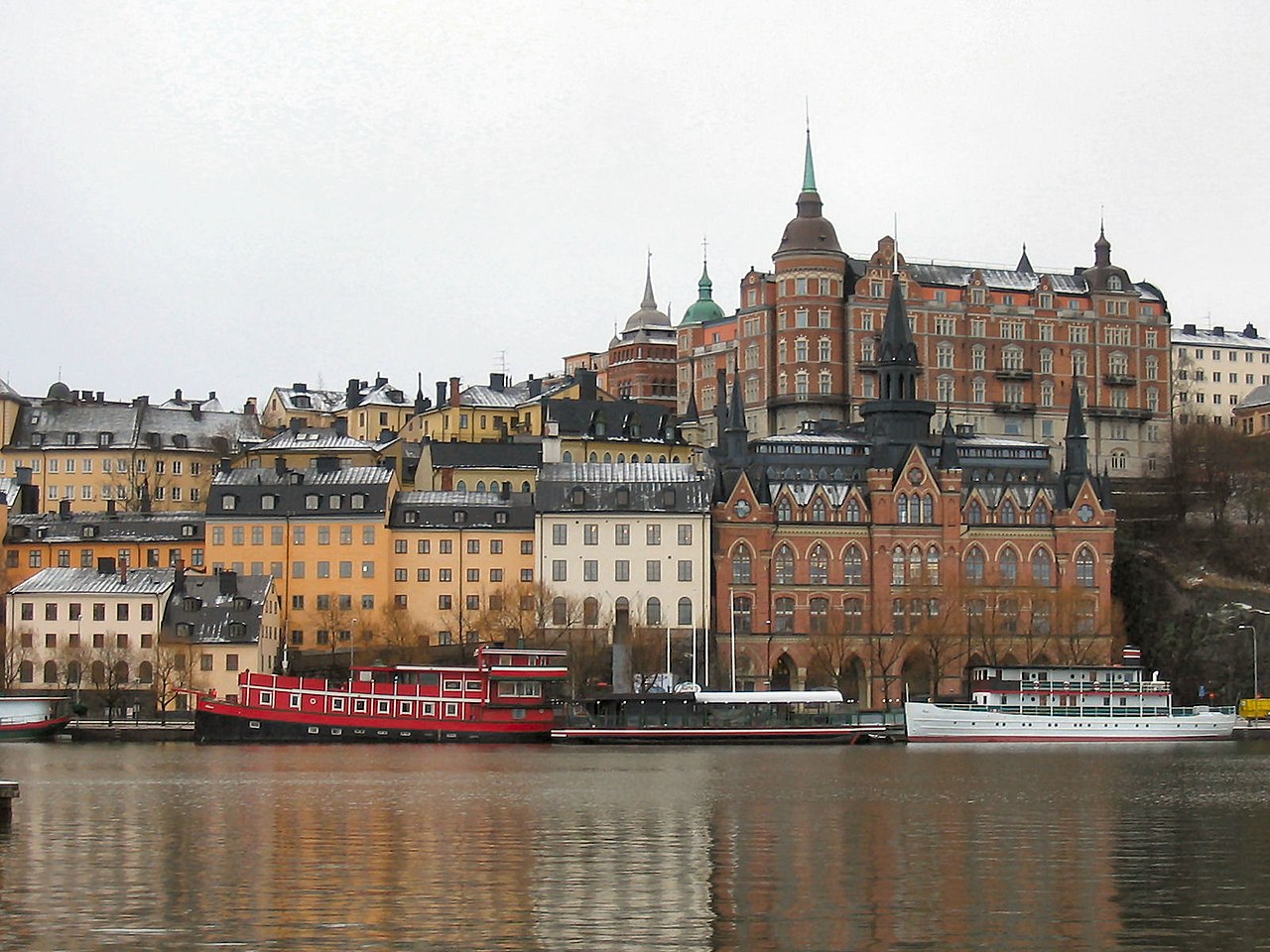
The medieval old town of narrow alleyways and amber-painted facades — arrive early for the Stortorget square before the tour groups, then watch the changing of the Royal Guard at noon.
The world's oldest open-air museum — 150 historic Swedish buildings on a hillside with a working glassblower, bakery, and a Nordic zoo of wolves, elk and lynx. An entire Sweden in miniature.
A former customs house on the Södermalm waterfront housing world-class photography exhibitions that rotate every few months — the building, the café and the views are as good as the art.
Rent a two-person kayak at Djurgårdsbruns Wärdshus and paddle the still waterway past embassy gardens and the backyards of museums. The city is entirely different from water level.
Stockholm's grandest Art Nouveau boulevard runs from the bridge to the harbour, ending at the nineteenth-century indoor food hall — buy gravlax, Swedish cheese, or a smoked reindeer sandwich.
Climb the tower of Stadshuset before the queues form for the best views over Riddarfjärden and the old town skyline. The Blue Hall and Golden Hall downstairs, where the Nobel Banquet unfolds each December, are worth the guided detour.
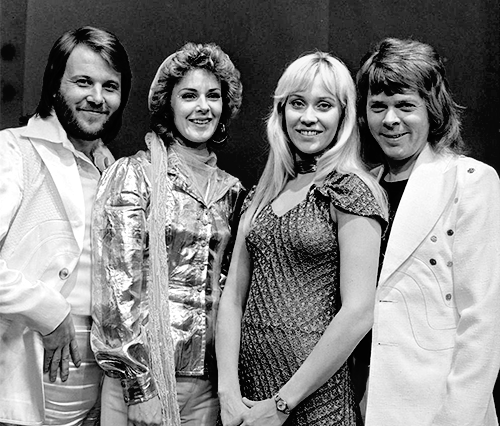
Interactive, irreverent and surprisingly moving — a full history of the group with holograms, listening booths and the costumes. You will leave humming Waterloo with genuine affection.
A twenty-minute public ferry from Nybrokajen to the nearest island chain — rocky outcrops of juniper and pine with a smokehouse, a craft brewery and swimming spots off the jetty.
A permanent collection that includes Picasso's Guitar Player and major works by Dalí, Warhol and Swedish contemporaries, entirely free to enter and rarely crowded on weekday afternoons.
The ridge-top walkway above Södermalm with an unbroken view across the water to Gamla Stan and the City Hall — then down to Hornsgatan's vintage stores, bookshops and independent cafés.
The royal family's permanent residence, forty minutes by boat from City Hall — a Versailles-scaled French baroque palace with an intact eighteenth-century court theatre still in active use.
Two glass gondolas travel up the exterior of the world's largest spherical building to a platform 130 metres above the city. Fifteen minutes of extraordinary geometry and Stockholm cityscape.
This small former naval island in the middle of the harbour holds Sweden's architecture and design museum alongside quiet dry docks and a modern-art neighbour. It is one of the most peaceful afternoon walks in central Stockholm.
A series of pontoon platforms on Lake Mälaren's edge, strung with lights in summer — the quintessential Stockholm evening begins here with a cold lager as the sun drops behind Kungsholmen.
Traditional Swedish home cooking in a vast, vault-ceilinged brasserie since 1904 — köttbullar, Janssons frestelse and cold aquavit. The most satisfying meal in Stockholm for the price.
Omnipollo is one of Sweden's finest craft breweries; their Södermalm bar pours experimental IPAs, pastry stouts and collaboration beers in a bright, art-forward space. The pizza is also exceptional.
The Scandinavian-Japanese rooftop restaurant at Brunkebergstorg with a 360-degree panorama and some of the city's most inventive cocktails. Book bar seats to skip the dinner reservation requirement.
This rocky outcrop above Södermalm gives one of the city's widest, least-crowded panoramas, with Lake Mälaren and the old town spread out below. Locals bring a blanket and a thermos; you should too.
A small tasting bar walks you through caraway- and dill-scented aquavits alongside a spread of herring prepared a half-dozen traditional ways. It is a bracing, briny introduction to Swedish drinking culture.
Facing the Royal Palace across the water, this gilded 19th-century house has staged opera and ballet since Gustav III's day. The auditorium alone, all red velvet and chandeliers, is worth the ticket.
Opened in 1874 opposite the Royal Palace on Blasieholmen, the Grand's Nobel Suite has hosted every Literature laureate since the 1900s, and its Veranda restaurant serves the definitive Scandinavian smörgåsbord with a view of the changing of the guard.
An Art Nouveau waterfront palazzo on Strandvägen where Embassy Row meets the archipelago ferry terminals—the Diplomat's T/Bar is the city's finest see-and-be-seen address for a classic Negroni at golden hour.
Two linked 19th-century palaces on Norrmalmstorg have been stripped to raw stone and dressed with bespoke Swedish design; NOI restaurant and the gold-mirrored Guldbaren, beneath a soaring 28-metre atrium ceiling, are a perpetual reservation waitlist.
Six floors of curated Scandinavian and international contemporary art surround a sunken marble lobby bar where Stockholm's design cognoscenti convene nightly over house-made aquavit cocktails and Nordic charcuterie.
Rates change — check the live price.
Photography shows the dishes and cuisine — representative, not from the restaurants themselves.
Three Michelin stars, a 23-course menu and an evening that feels genuinely theatrical. One of Scandinavia's most celebrated tables — reserve well in advance.
Traditional Swedish home cooking in a grand 1904 brasserie — meatballs, Janssons frestelse and cold aquavit. The most satisfying meal in Stockholm for under 400 kr.
The informal counter bar of Stockholm's legendary opera restaurant — the Wallenbergare and köttbullar are definitive versions at prices that only slightly exceed their ambition.
Stockholm's iconic fika institution since 1928 — princess cake, saffron buns and the strongest Swedish coffee poured from a silver pot by staff in period uniform.
Experimental IPAs and collaboration brews from one of Sweden's best breweries, paired with excellent sourdough pizza. The most enjoyable bar evening in the city.
Scandinavian-Japanese small plates and inventive cocktails with a 360-degree city view. Book bar seats to skip the dinner reservation requirement.
The SL Access card works on all metro, tram, bus and archipelago ferries within the city zone — buy a 72-hour or 7-day pass at Arlanda or Central Station on arrival.
The mid-morning and mid-afternoon coffee-and-pastry break is a cultural institution, not a café option — join it enthusiastically and never schedule anything across it.
Waxholmsbolaget ferry schedules are seasonal and some island routes run only twice daily; check timetables the night before and note the last boat back.
Stockholm's municipal water is consistently rated among the purest in the world — bring a reusable bottle and refill freely at any café or public fountain.
In June and July the sky barely darkens before midnight; bring an eye mask for sleep, and embrace the fact that a 21:00 outdoor dinner is still in broad sunlight.