Art
East Side Gallery walk
The longest surviving stretch of the Berlin Wall — 1.3 km along the Spree — is painted with 105 murals by artists from 21 countries. Morning light hits the west-facing panels perfectly.
Arm aber Sexy
No European capital wears its history more visibly than Berlin — the Wall's ghost runs through the city like a scar, while gallery-stuffed former power stations and late-night culture that starts where other cities end confirm this is still the continent's most alive metropolis.
The longest surviving stretch of the Berlin Wall — 1.3 km along the Spree — is painted with 105 murals by artists from 21 countries. Morning light hits the west-facing panels perfectly.
The reconstructed Pergamon Altar and the Ishtar Gate of Babylon share the same monumental halls — among the greatest assemblages of ancient architecture under one roof, anywhere.
Norman Foster's glass dome admits visitors (free, pre-booked) for a spiral ramp with mirrored cone and panoramic views over the government quarter and Tiergarten.
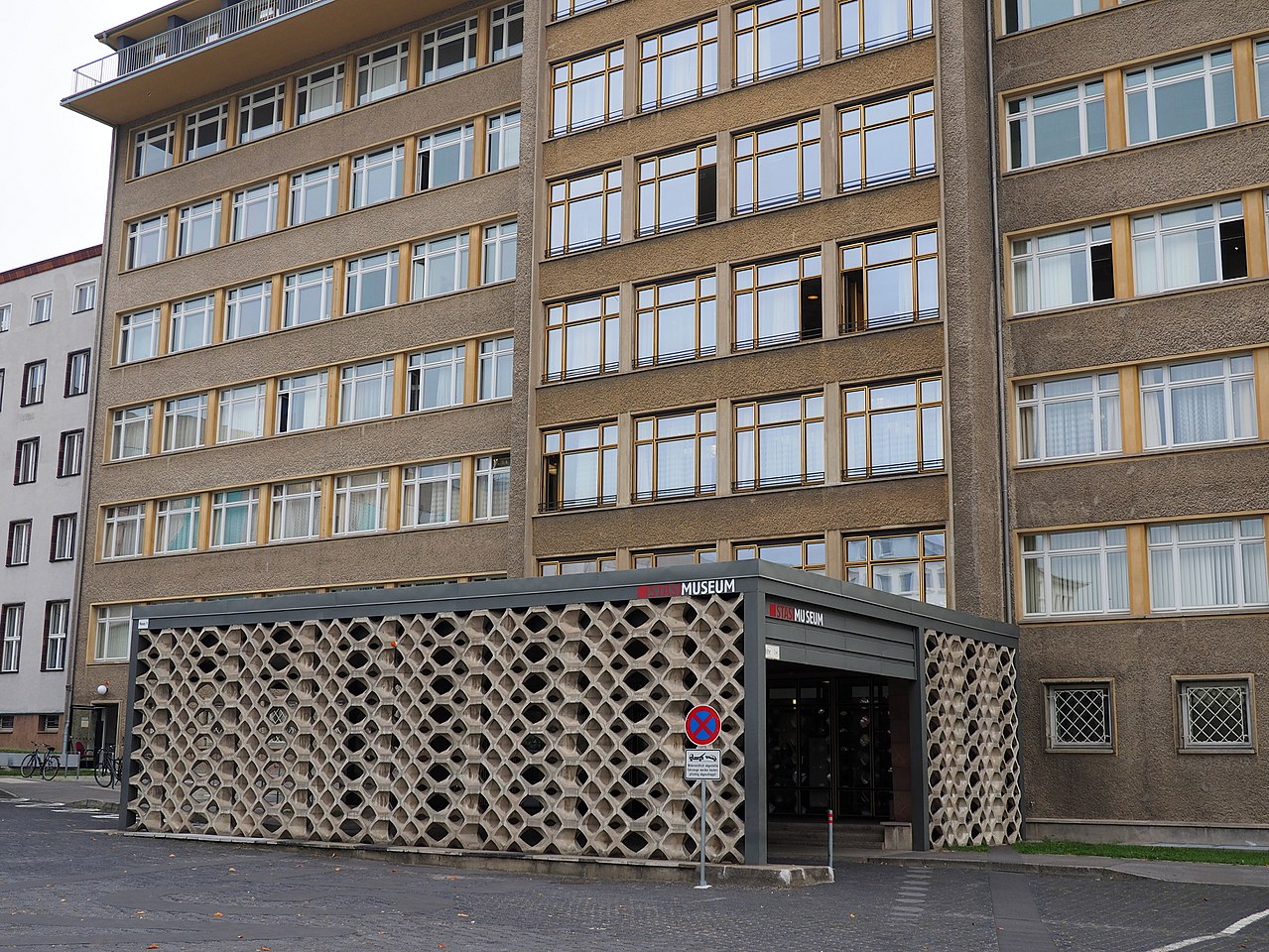
The East German secret police's actual headquarters, preserved with Mielke's desk exactly as he left it — filing cabinets, listening devices, and the banality of a surveillance state.
Berlin's vast central park is at its best before the city wakes — rent a Boris Bike at the S-Bahn and loop through deer glades to the Siegessäule Victory Column for the first view of the city.
David Chipperfield's painstaking restoration of the bombed museum houses the most famous ancient Egyptian object outside Egypt — the polychrome limestone bust of Nefertiti, 3,300 years old.
Berlin's most elegant square, framed by twin domed cathedrals and the Konzerthaus, is nearly empty in the early morning before tour buses arrive. Coffee from a nearby stand and the still square are reason enough to detour here first.
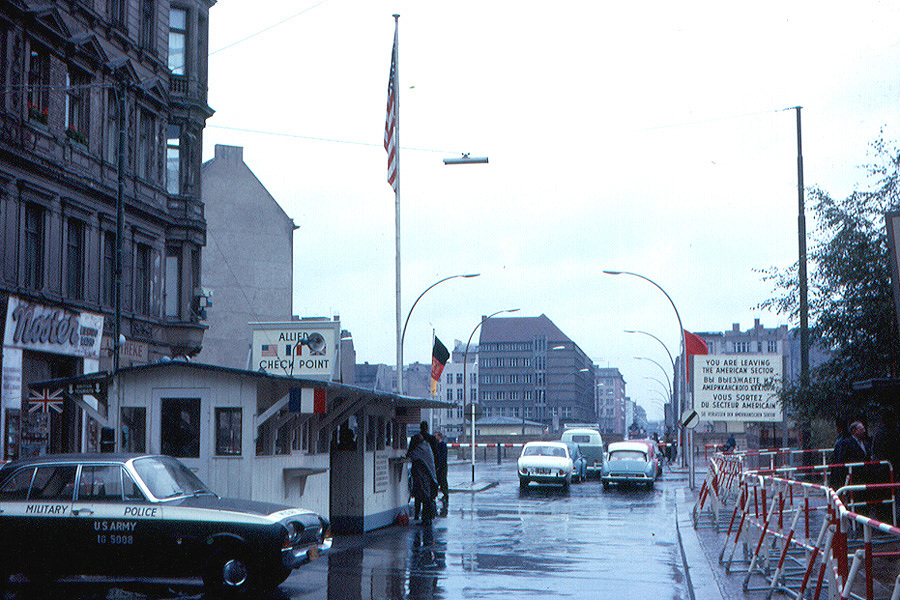
The replica guardhouse marks where East and West faced each other — combine with the free Topography of Terror documentation centre directly above the excavated SS and Gestapo foundations.
The Tuesday and Friday market along the Landwehrkanal is Berlin's most atmospheric — lahmacun, spit-roasted vegetables, pickles, and the best Döner supplies in Germany outside the shops themselves.
A converted railway terminus housing the National Gallery's contemporary collection — Warhol, Beuys, Basquiat, and Kiefer in vast white halls that need the space.
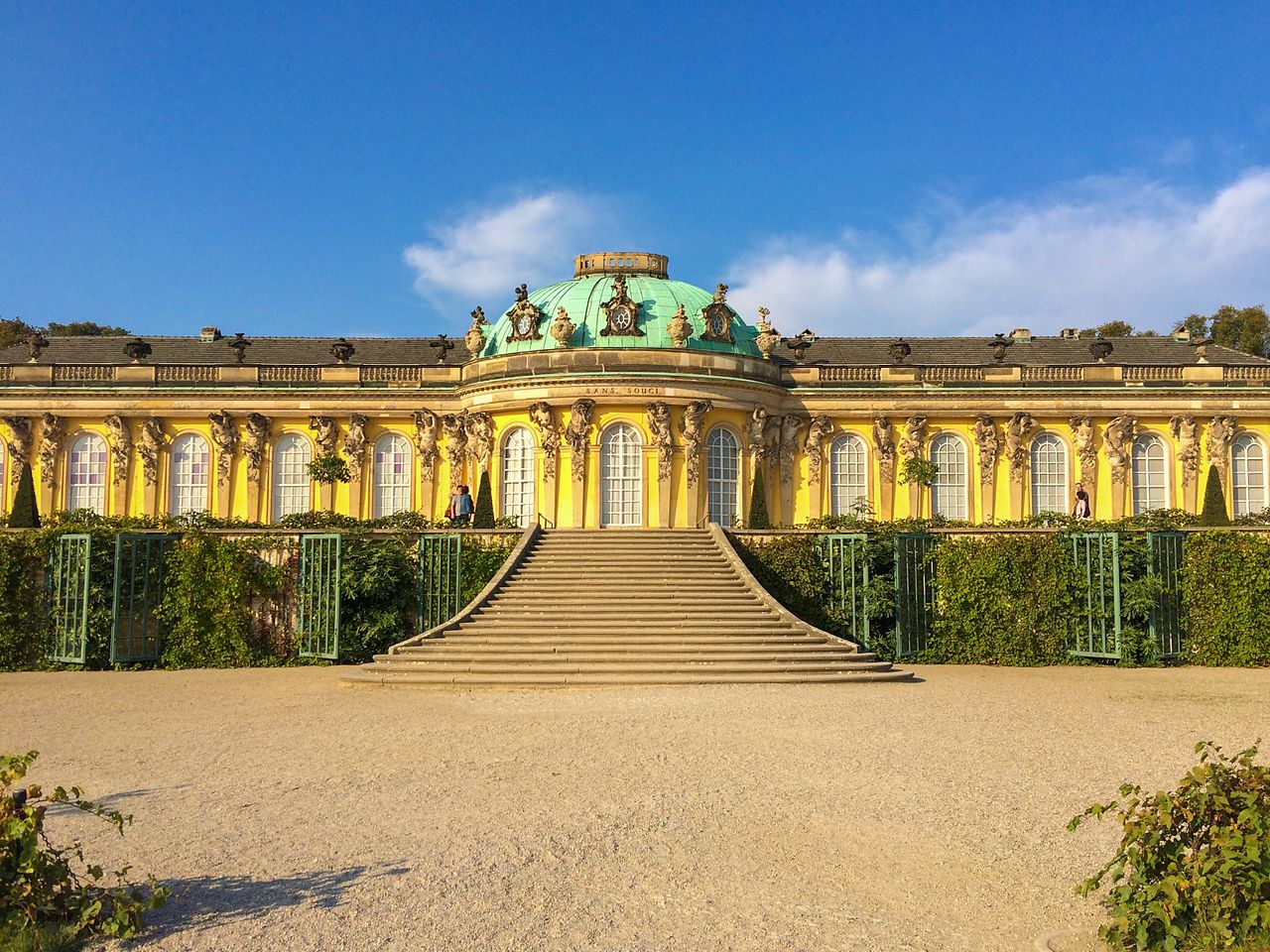
Frederick the Great's rococo summer palace sits atop vine-terraced gardens 30 minutes by S-Bahn. Allow three hours for the park, the Chinese tea house, and the Dutch Quarter on the return.
Berlin's finest baroque palace hosts Prussian silverware, Dutch masters, and a formal French garden — less visited than the central museums and all the better for it.
The Mauerpark Sunday flea market on the former death strip trades in vinyl, vintage, and Soviet ephemera. Combine with the Kollwitzplatz neighbourhood's cafés for a relaxed local afternoon.
Daniel Libeskind's zinc-clad building is as much the exhibit as the collections inside, with slashing voids and disorienting angles that mirror the history it tells. Give yourself time in the unsettling Holocaust Tower before moving through the main galleries.
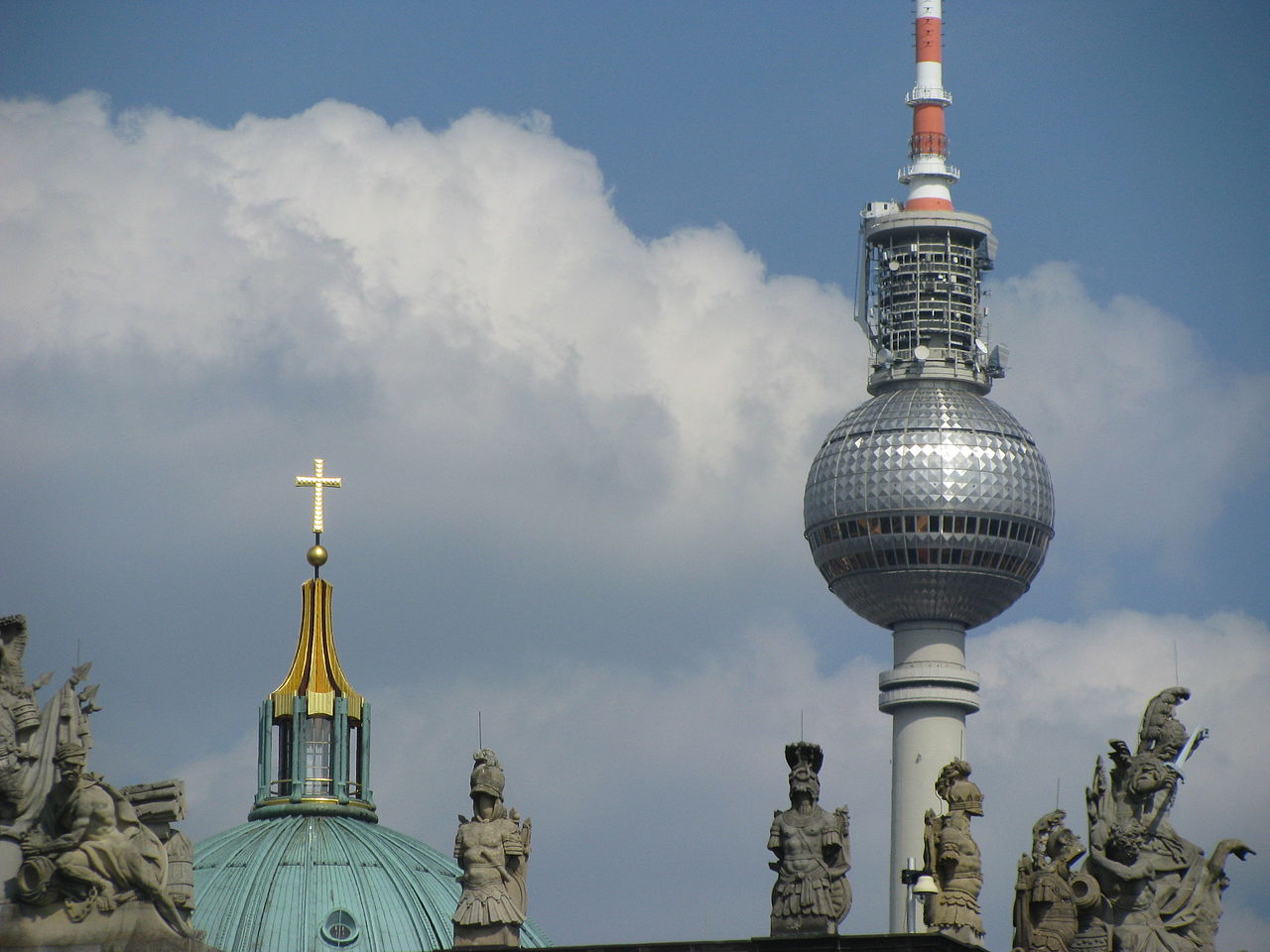
The 368 m East German transmitter is the city's tallest structure — a timed visit to the revolving sphere at 203 m catches the western sunset over Tiergarten and the illuminated Brandenburg Gate.
The neighbourhood's Turkish-German culinary fusion runs from wood-fired lahmacun to modern Anatolian fine dining. Kottbusser Tor's covered food market is the easiest entry point.
Berlin's techno clubs open at midnight and run through Sunday. Queuing strategy matters more than the cover — dress unshowy, know your music, and go with exactly the right attitude.
The sixth-floor gourmet food hall of Europe's second-largest department store pours fine Sekt and German wine at the oyster counter — a civilised pre-dinner option in the Charlottenburg west.
This twin-towered brick bridge linking Kreuzberg and Friedrichshain glows amber as the sun drops behind the river, boats and cyclists still crossing beneath it. It is one of the city's most recognisable, least crowded viewpoints.
Berlin's iconic street snack, sliced sausage doused in curried ketchup, is best eaten standing up at a corner imbiss with a cold beer in hand. It is unglamorous, cheap, and completely essential.
Scharoun's golden, tent-like concert hall houses one of the world's great orchestras, its unusual in-the-round seating putting you close to the sound. Even standing-room tickets deliver a memorable evening.
The legendary address opposite the Brandenburg Gate, where the Imperial Suite's private terrace overlooks the Gate at night and the butler program anticipates your every need before you think to ask.
Soaring above the Kurfürstendamm in a sleek glass spire, the Waldorf Astoria houses Berlin's only Guerlain spa and panorama suites that sweep from the Tiergarten to Potsdam at sunset.
Dresdner Bank's 1889 Beaux-Arts vault transformed into 145 rooms of cultured glamour — the rooftop bar and plunge pool survey the Staatsoper and the cathedral dome with theatrical precision.
A 1930s Danish embassy reimagined by Patricia Urquiola, where Carte Blanche serves refined French cuisine and the sky suite terraces open directly onto the deer park.
Rates change — check the live price.
Photography shows the dishes and cuisine — representative, not from the restaurants themselves.
Two Michelin stars anchored in German regional produce — the tasting menu changes with the seasons and the wine pairings lean hard on Mosel and Rheingau.
The vegetable döner that launched a thousand queues — grilled peppers, feta, and fresh herbs in a warm flatbread. Worth the wait, twice.
The city's unofficial power lunch address — Wiener Schnitzel the size of a dinner plate, served under art-nouveau vaults to a clientele that ranges from architects to federal ministers.
Berlin's beloved small Vietnamese spot — short rotating menu, deeply fragrant broths, and a natural-wine list that surprised everyone when it arrived.
The city's best sourdough and cinnamon twists — long queues on weekend mornings that move quickly. Their whole-wheat country loaf is worth carrying home.
The bar-and-bistro arm of the Michelin restaurant — a short changing menu paired with some of the most interesting German natural wines in the city, without the full tasting-menu commitment.
The week pass covers all U-Bahn, S-Bahn, trams, and buses across zones AB — cheaper than daily tickets after the third day and covering virtually every sight in the city.
Dome visits are free but must be registered online at least 2 days ahead — book the last slot of the evening for the illuminated city skyline.
Berghain, Tresor, and Watergate don't fill until 02:00 on Saturday nights. Arrive between 01:30 and 03:00, sober, and dressed in unpretentious dark colours.
Most Berlin shops close on Sundays — buy groceries and supplies on Saturday. The Turkish Market, Mauerpark flea market, and museum shops are the main exceptions.
Round up to the nearest euro or add 10% in restaurants — service is included and German waiting staff will not chase you for more. Handing over the exact amount means you're not pleased.