Castle
Wawel Castle & Royal Chambers
The former seat of Polish kings rises above the Vistula — the State Rooms' Flemish tapestries and the cathedral's golden chapels reward an early start before tour groups arrive.
Smak Starego Miasta
Poland's royal capital escaped the Second World War's devastation largely intact, leaving a medieval core of honey-stone facades, a hilltop Wawel Castle, and a Jewish quarter (Kazimierz) reawakening into one of Europe's most vibrant cultural neighbourhoods.
The former seat of Polish kings rises above the Vistula — the State Rooms' Flemish tapestries and the cathedral's golden chapels reward an early start before tour groups arrive.
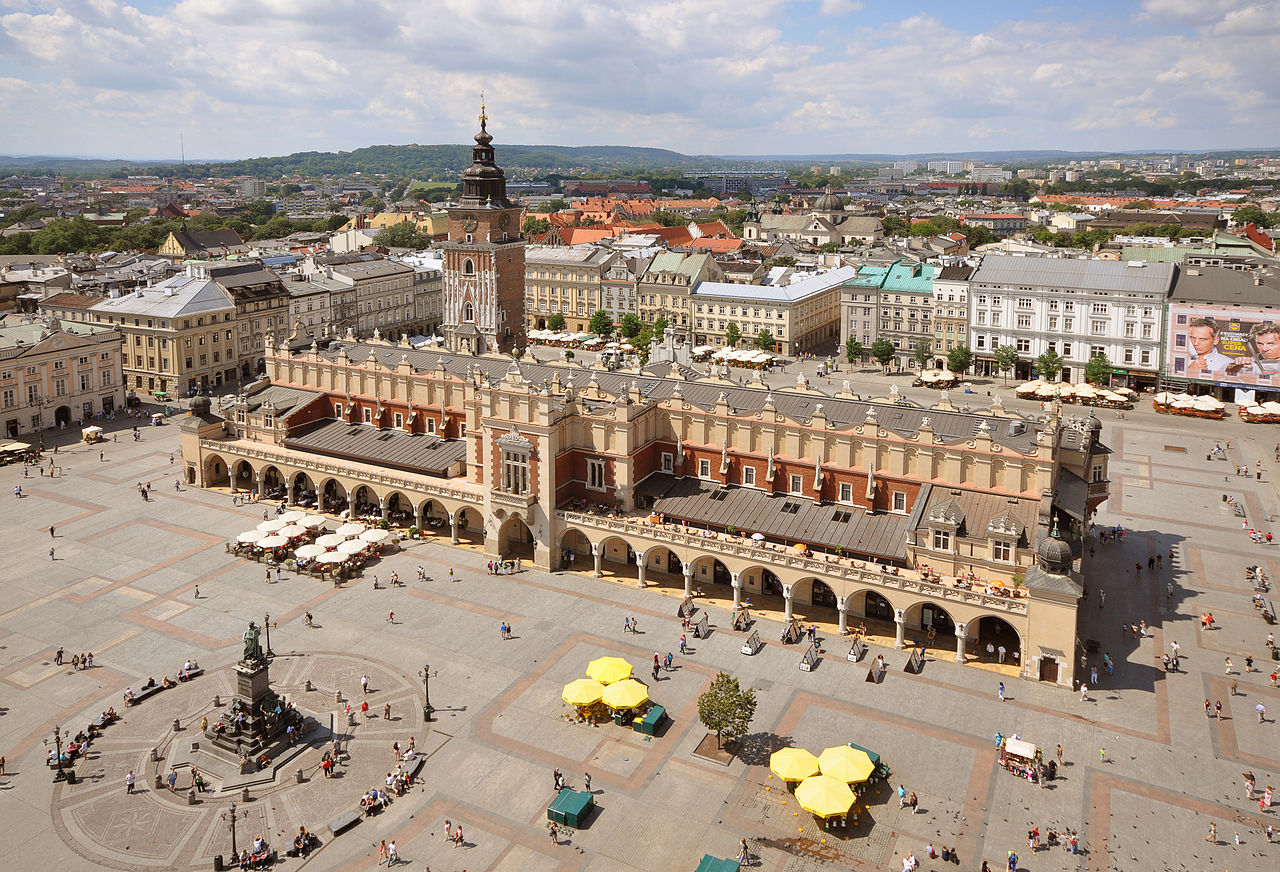
Europe's largest medieval market square hums even at dawn; the Sukiennica harbours amber merchants and folk-art stalls below and a fine painting gallery above.
Descend 135 metres through nine centuries of mining history, culminating in a vast underground chapel with chandeliers carved entirely from salt crystals.
Veit Stoss's carved wooden altarpiece — the largest Gothic polyptych in the world — glows gold in morning light as the bugler sounds the hejnał from the tower each hour.
The ring of green that replaced the medieval city walls makes a 4 km circuit of the Old Town — quiet before 9:00 and the best way to feel the city's layout.
A deeply moving, meticulously constructed museum inside the actual enamel factory, tracing Kraków's occupation through individual stories rather than statistics alone.
Beneath the cobblestones of the Main Market Square lie medieval merchant stalls, coins, and trade routes, unearthed and illuminated in a multimedia exhibition. Visiting early avoids the timed-entry crowds that build through the day.
The most important site in modern European history — grounds entry is free, but a paid guided tour (about 150 zł) is required at peak hours; book online through the State Museum well ahead.
The former Jewish quarter contains seven historic synagogues within a few minutes of each other; a local guide brings the pre-war community alive alongside today's cafe and gallery scene.
A hands-on class in a Kazimierz kitchen — ruskie, kapusta, and wild-mushroom fillings folded with a technique that takes Polish children most of childhood to master.
Bus to Zakopane, then the 18 km return trail to the largest lake in the Tatras — steel-blue water cupped by peaks that form Poland's defining alpine postcard.
The 70 empty iron chairs of Plac Bohaterów Getta mark the site of the 1942 deportations; the surrounding streets preserve the original ghetto wall and Jewish pharmacy.
The Stalinist model-city built to dilute Kraków's intellectual class is now a living architectural museum — best explored on a walking tour with a knowledgeable local guide.
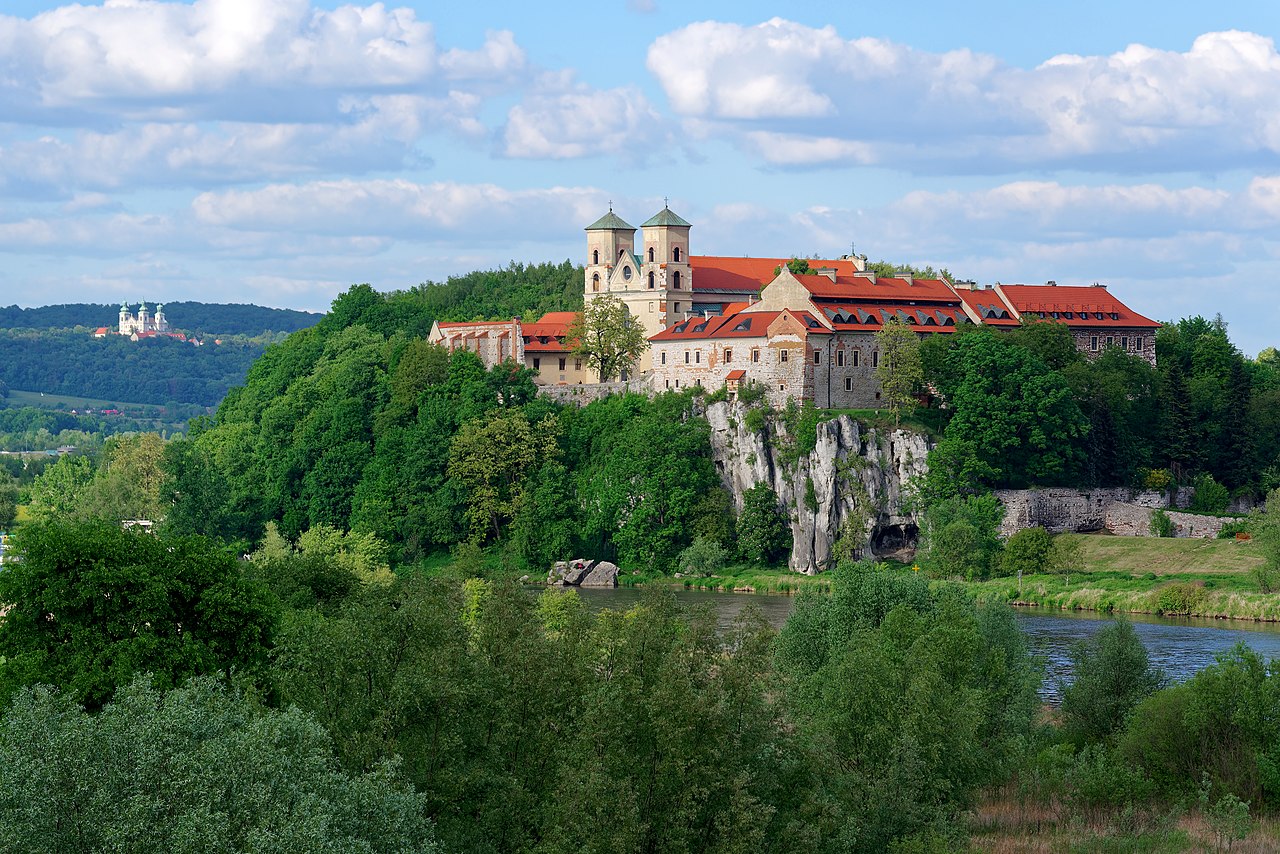
A riverside bike path follows the Vistula's bends past willows and rowing clubs to a Benedictine abbey perched on a limestone cliff. The ride back into the city feels like drifting slowly out of the countryside.
The Main Square belongs to the evening crowd — street musicians, ice cream, and local Żywiec on a terrace while St Mary's towers glow against the deep blue sky.
A characterful cellar bar below the Old Town streets, PIEC Art pairs an extensive whisky and cocktail list with a basement stage that hosts jazz nights and live sessions.
Klezmer and world-music sets fill Kazimierz courtyards and synagogues during the Jewish Culture Festival, a lively nine-day programme held each year in late June or early July.
A two-Michelin-star tasting menu in a Renaissance-era Kazimierz wine-merchant's townhouse — Polish tradition reworked course by course, paired with a natural-leaning European wine list. A splurge, not a casual dinner.
In the candlelit courtyards and cellar cafes of the old Jewish quarter, klezmer ensembles keep alive the clarinet-and-violin sound that once filled these streets. It is a moving, unforced way to spend an evening in one of Kraków's most atmospheric districts.
Floodlights turn Wawel Hill's ramparts golden against the night sky, best seen from the riverside path where cyclists, buskers and the occasional accordion player keep the boulevard lively until late. It costs nothing and rarely disappoints.
A guided flight through bison-grass, honey and plain rye vodkas comes with the folklore behind each recipe, most of it older than the bottles themselves. Pickled herring and rye bread arrive between pours to keep things civilised.
A 15th-century Gothic mansion on the Royal Route below Wawel Castle, with a Renaissance courtyard, rooftop pool overlooking the cathedral spires, and intimate Kraków luxury throughout.
A privately owned 15th-century merchants' palace directly on the Market Square, with just eight suites furnished in museum-quality antiques and overseen by the aristocratic owning family.
The city's most architecturally refined address, blending 18th-century cellars with Nordic contemporary design, a rooftop pool, and a spa carved into medieval Kraków brick.
In continuous operation since 1571—making it one of Central Europe's oldest—Tsar Alexander I's former lodgings retain an aristocratic charm unmatched anywhere in the old city.
Rates change — check the live price.
Photography shows the dishes and cuisine — representative, not from the restaurants themselves.
Michelin-starred nine-course tasting menu of reimagined Polish classics in a restored Renaissance cellar — one of Central Europe's best-value starred restaurants.
Every conceivable filling in a lively Kazimierz dining room — the fried (złociste) version with caramelised onion is non-negotiable.
A functioning PRL-era bar mleczny serving żurek, bigos, and naleśniki for under 25 zł a plate — the most honest meal in the city.
Beloved bohemian café a step off the main square with excellent filter coffee and apple cake that rivals any grandmother's recipe.
Israeli-inspired hummusiya in the heart of Kazimierz — order the full mezze spread and the lamb shakshuka for a long, languid lunch.
Central Europe's most compelling natural-wine address in a converted warehouse beside Schindler's Factory — over 100 ecological vintages from Poland, Georgia and the Adriatic, poured by staff who know every bottle.
Guided-tour slots at the Auschwitz-Birkenau State Museum fill weeks ahead in summer — reserve online the moment your travel dates are confirmed.
The salt mine sells out daily; pre-book the English-language tour online to avoid long waits or outright disappointment.
The Jewish quarter is compact enough to walk end-to-end in 20 minutes — skip the tourist trams and explore the back courtyards on your own pace.
Mountain conditions can shift from clear sunshine to thunderstorm in under an hour; bring a waterproof layer even when the morning looks settled.
Dzień dobry and dziękuję earn warm smiles in restaurants and shops — a small effort at the local language is always appreciated.