Museum
Prague Castle & St Vitus Cathedral
The largest castle complex in the world — Gothic spires, Romanesque basilicas and the Bohemian Crown Jewels, best visited before tour groups reach the Golden Lane by mid-morning.
Zlaté město
Baroque towers, Gothic spires and Art Nouveau facades crowd every boulevard of the Bohemian capital, where a 600-year-old astronomical clock still draws a crowd on the hour, cellar jazz bars rumble beneath the cobblestones, and tank-conditioned lager remains the city's unshakeable civic pride.
The largest castle complex in the world — Gothic spires, Romanesque basilicas and the Bohemian Crown Jewels, best visited before tour groups reach the Golden Lane by mid-morning.
The medieval orloj performs its apostle procession on the hour, and the square it commands is a simultaneous lesson in Gothic, Baroque and Romanesque on four sides at once.
At 06:00 the bridge belongs to photographers and joggers and the morning mist off the Vltava. The baroque saints loom through the haze and the castle rises impossibly grand behind.
Six synagogues, the Old Jewish Cemetery and the medieval ghetto that survived demolition only by chance — a guided 90 minutes makes the history coherent and deeply moving.
The funicular climbs to a mini-Eiffel tower with views stretching from the castle to Vinohrady's red rooftops. The rose garden at its feet blooms from May to October.
Prague's former Royal Game Park is at its best at 08:00 with dog walkers, cyclists and almost no tourists — a genuinely local start to the day.
Perched above a bend in the Vltava, this older, quieter fortress holds a basilica, a cemetery of Czech luminaries, and sweeping river views without Prague Castle's crowds. Early risers have the ramparts nearly to themselves.
The Little Quarter beneath the castle steps is the city's most atmospheric neighbourhood — embassies in palaces, cobblestone alleys and the surreal sculpted garden of Count Wallenstein.
A local guide walks you through four microbreweries and tap-rooms across Old Town and Vinohrady, covering the spectrum from classic Czech lager to dark beer and contemporary IPAs.
A genuinely thoughtful literary museum in Malá Strana exploring the author's deeply ambivalent relationship with the city that made and haunted him. Unsettling, intelligent, rarely crowded.
A glass-topped boat drifts under the arches of Charles Bridge and past the castle ramparts, providing the only angle on the cityscape that cannot be seen from the riverside walkways.
The residential quarter east of Wenceslas Square is where Praguers actually live — Art Nouveau apartment blocks, independent coffee shops, organic delis and weekend food markets.
The baroque pilgrimage complex beside Hradčany holds a treasury of 17th-century monstrances — one set with 6,222 diamonds is the most extraordinary single object in the castle district.
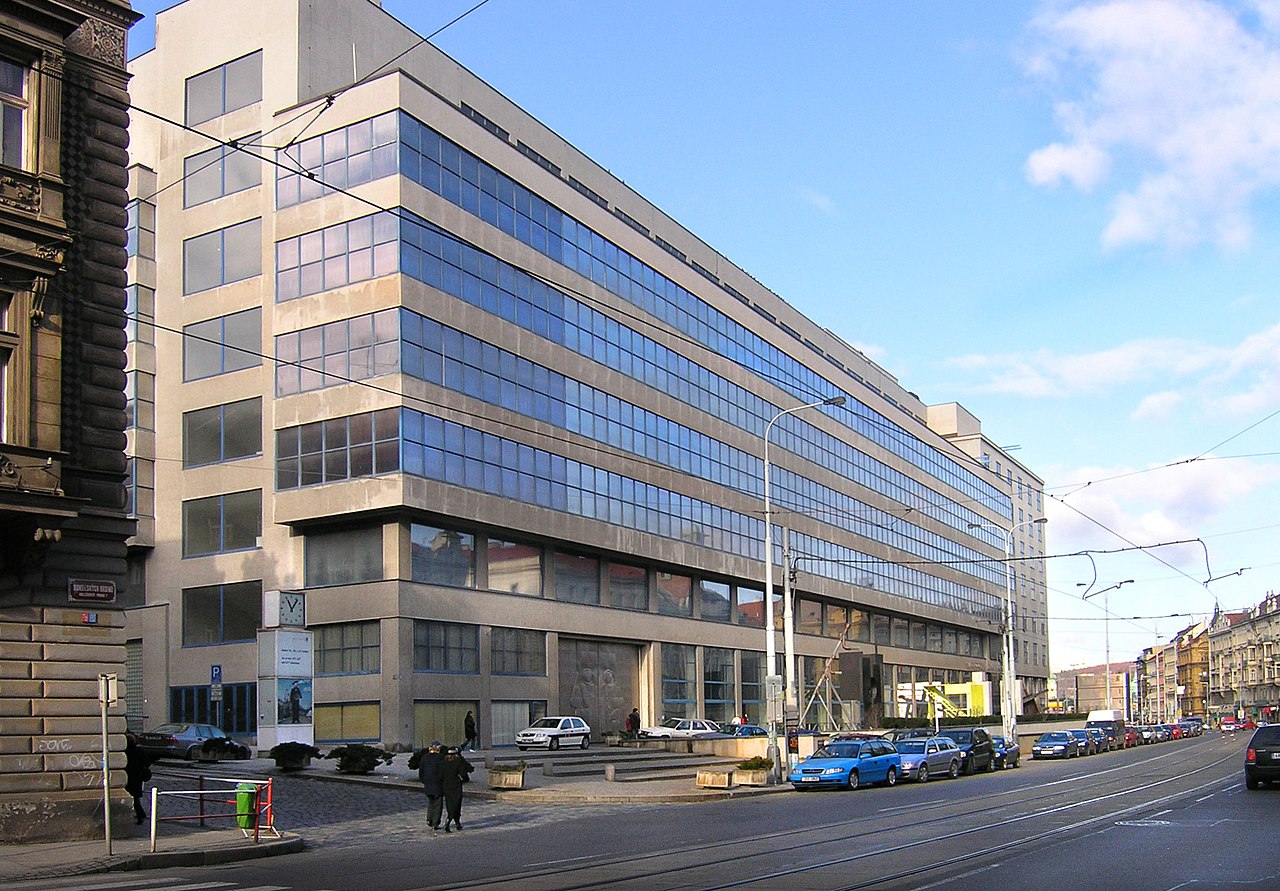
This functionalist landmark houses the National Gallery's collection of modern and contemporary art, from Czech cubism to Klimt and Picasso, inside airy, light-filled halls. It rewards an unhurried afternoon far from the Old Town bustle.
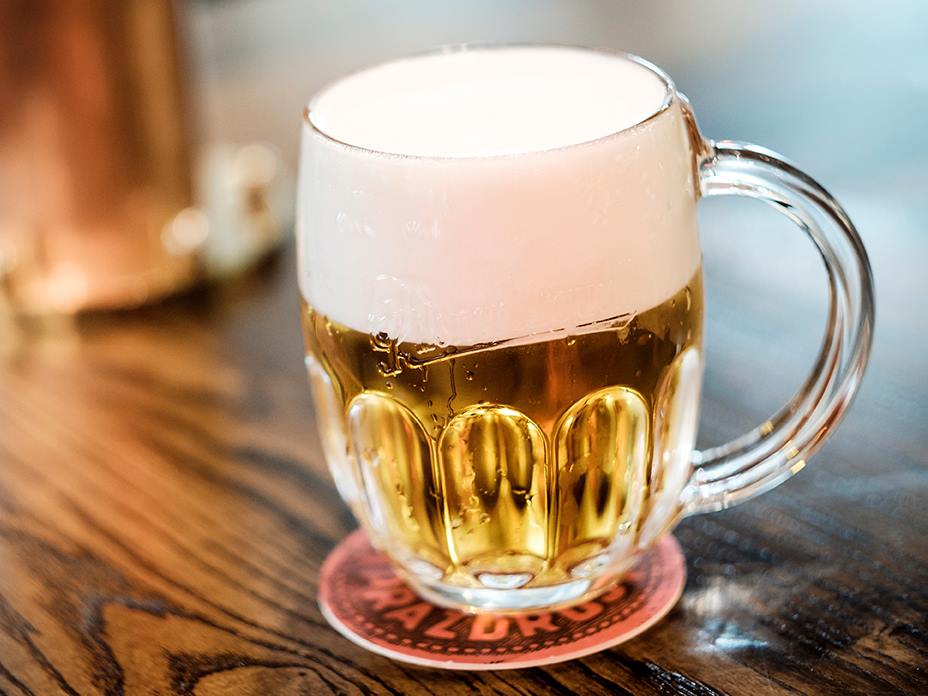
The terrace above the river with arguably the finest free panorama in Prague — a cold Pilsner Urquell in hand as the castle turns orange and the city stretches to the horizon below.
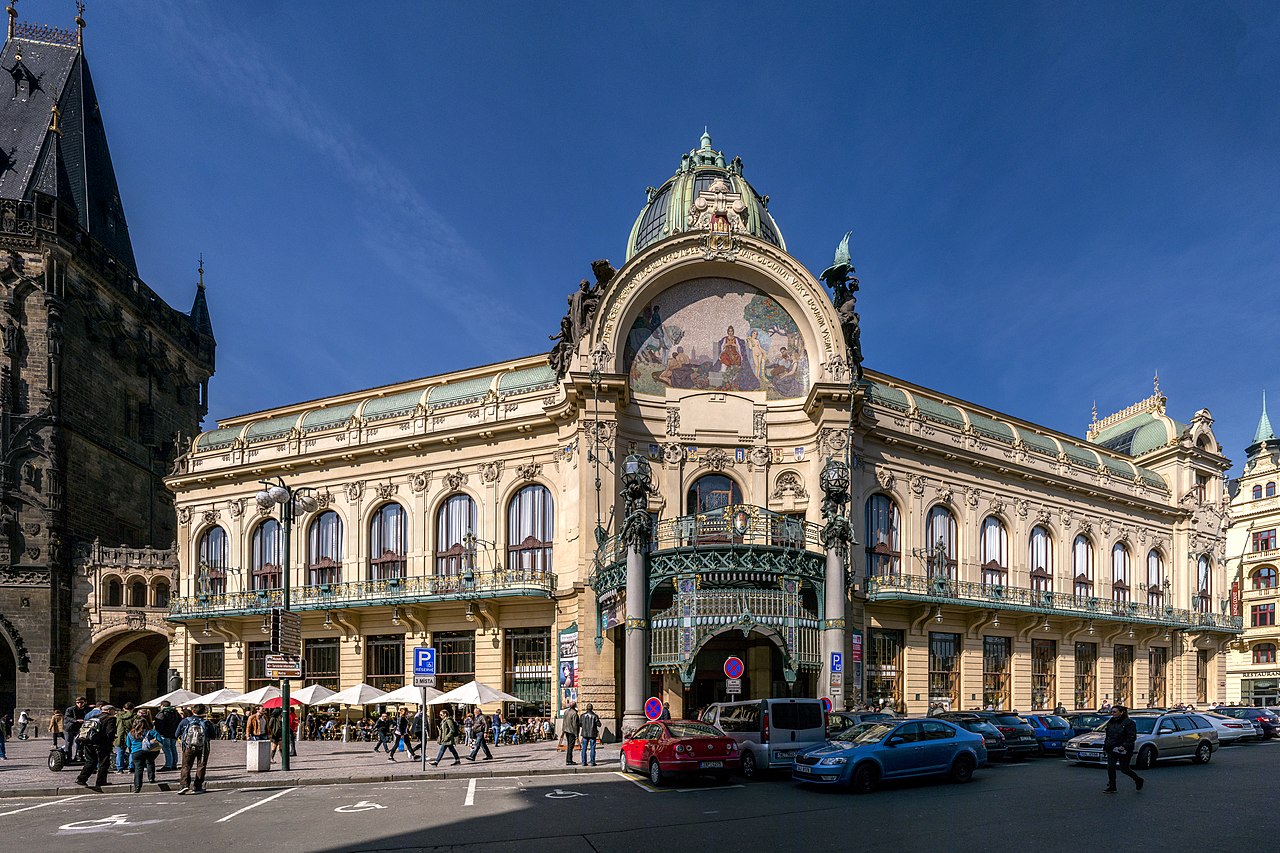
The Art Nouveau Smetana Hall hosts Prague's best chamber and orchestral concerts in a room of peacock mosaics, gilded plasterwork and acoustics that make every seat a good seat.
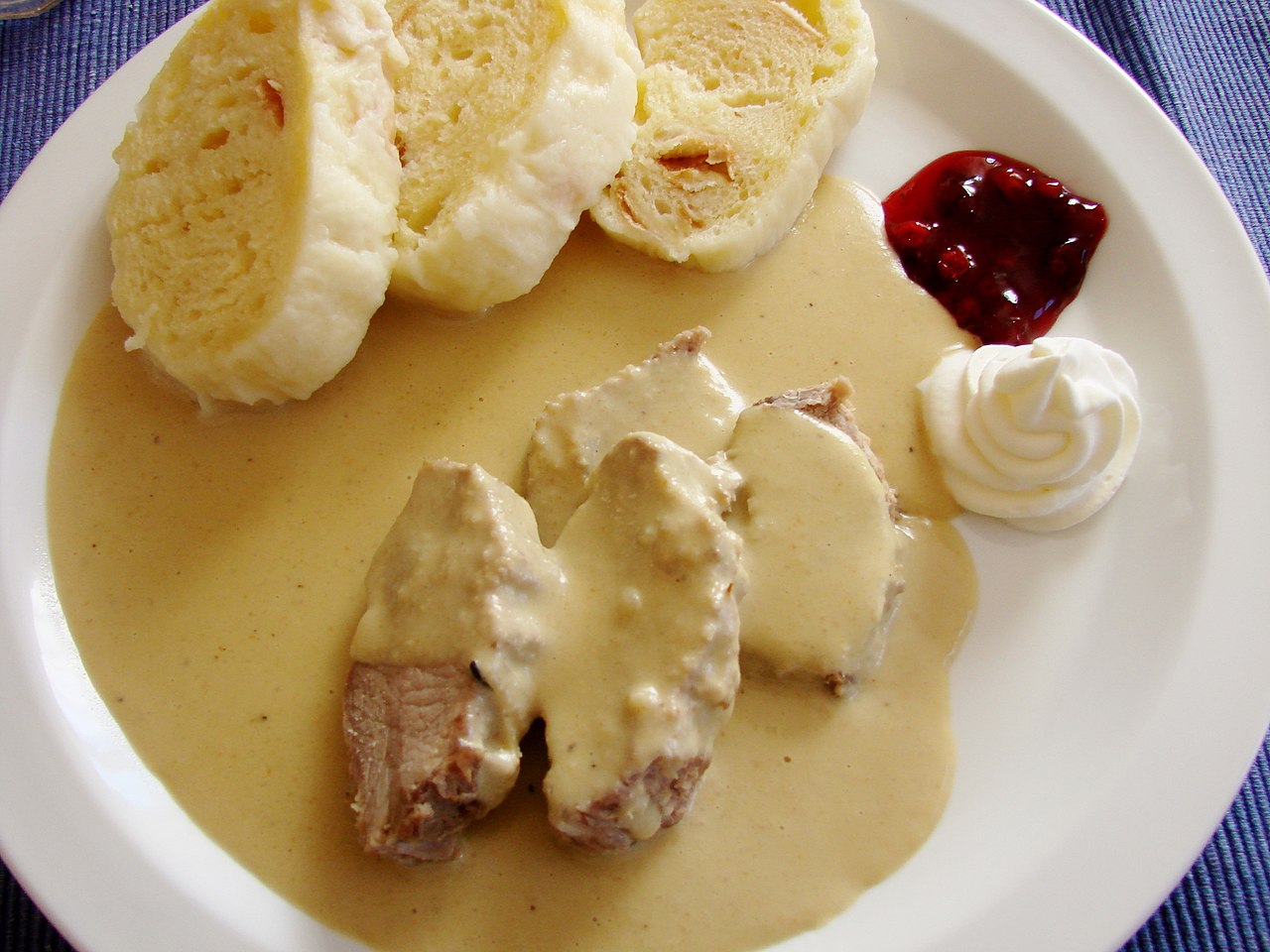
Svíčková na smetaně — beef sirloin in cream sauce with bread dumplings — at a restaurant that takes the dish seriously. A dark Czech tmavé pivo to finish. The national evening in full.
The arched medieval cellars beneath the Old Town have been jazz clubs since the 1950s. A house band, a dark Czech rum and a low-vaulted stone room that feels unchanged in sixty years.
Once the day-trippers thin out, the baroque statues lining Charles Bridge take on a ghostly cast under wrought-iron lamps, with Prague Castle floodlit above the river. It costs nothing and rewards a slow, unhurried crossing.
A distinctly Czech art form born in 1960s Prague, black light theatre uses ultraviolet trickery and silent choreography to make performers and props seem to float free of their bodies. It is surreal, wordless, and unlike anything else on a European stage.
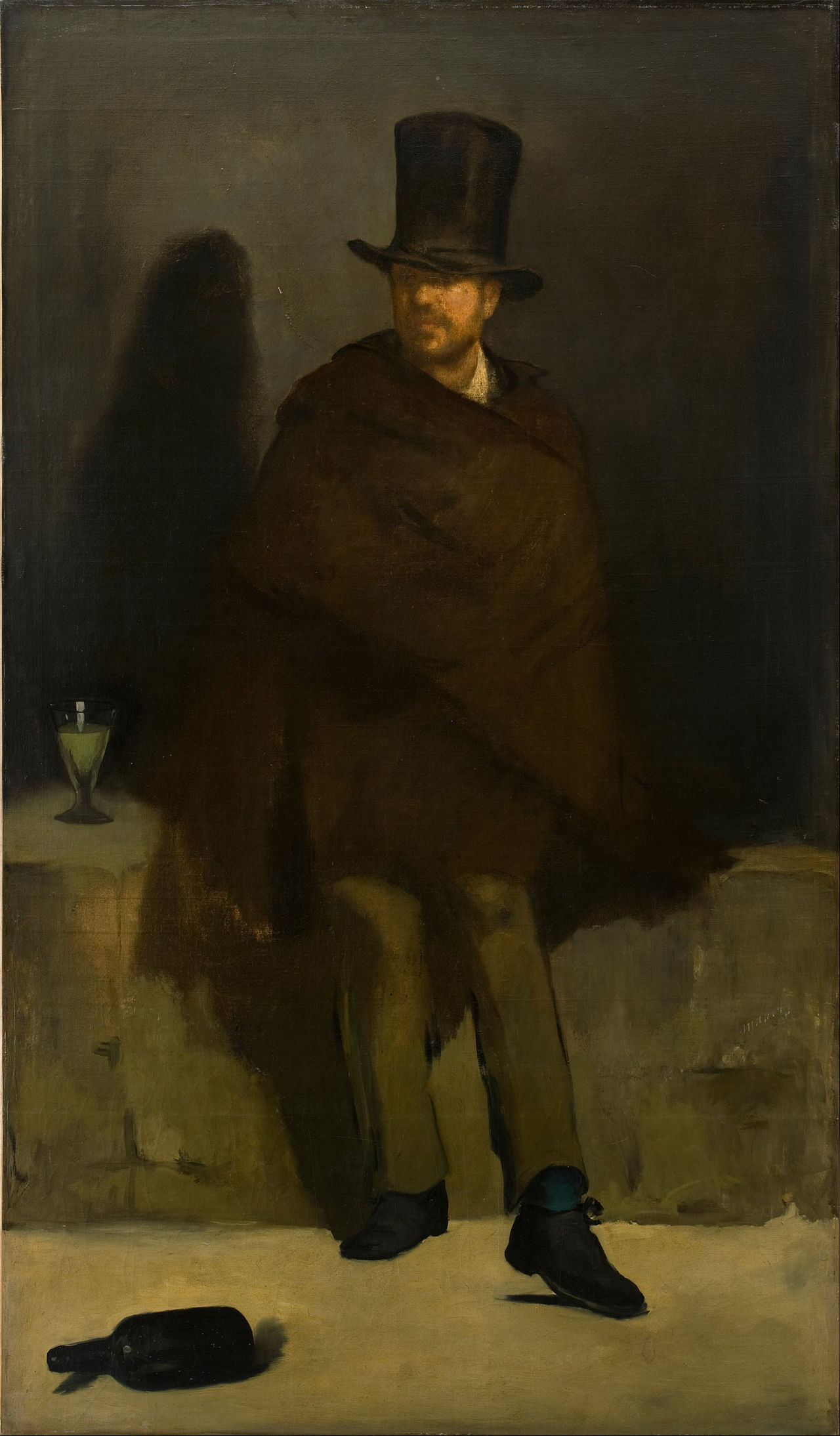
A guided flight through Czech absinthe and the herbal liqueur Becherovka traces Prague's long, slightly disreputable romance with strong spirits. The ritual of the sugar cube and slotted spoon is explained in more detail than most bartenders bother with elsewhere.
Three heritage buildings united on the Vltava riverbank, with Charles Bridge views from river-terrace suites, a celebrated Allegro restaurant, and impeccable old-world elegance.
Set within a 14th-century Dominican convent, the spa occupies a genuine Gothic chapel—unparalleled for those seeking deep calm within the heart of a Baroque cityscape.
A former Augustinian friary transformed into a design landmark beneath the castle walls, with a legendary Strahov bar, serene cloistered courtyard, and spa in the medieval cellar.
A UNESCO-listed Art Nouveau masterpiece in the old Jewish Quarter, where the gilded neo-Gothic staircase and Sarah Bernhardt restaurant recall Prague's most glamorous belle-époque chapter.
Rates change — check the live price.
Photography shows the dishes and cuisine — representative, not from the restaurants themselves.
A Michelin-starred seven-course journey through historical Bohemian recipes, with each dish paired to its own Czech wine or beer. Reserve months ahead in peak season.
The gold standard for tank-conditioned Pilsner Urquell and honest Czech cooking — svíčková, smažený sýr and the freshest foam in the city. Book ahead.
A brewery pub operating since 1499 — the dark lager is brewed on site, the accordion band plays whether you want it or not, and the atmosphere is genuinely irreplaceable.
The city's most inventive contemporary Czech cooking, using foraged and farm-direct ingredients in a calm, linen-covered room near the Old Jewish Cemetery.
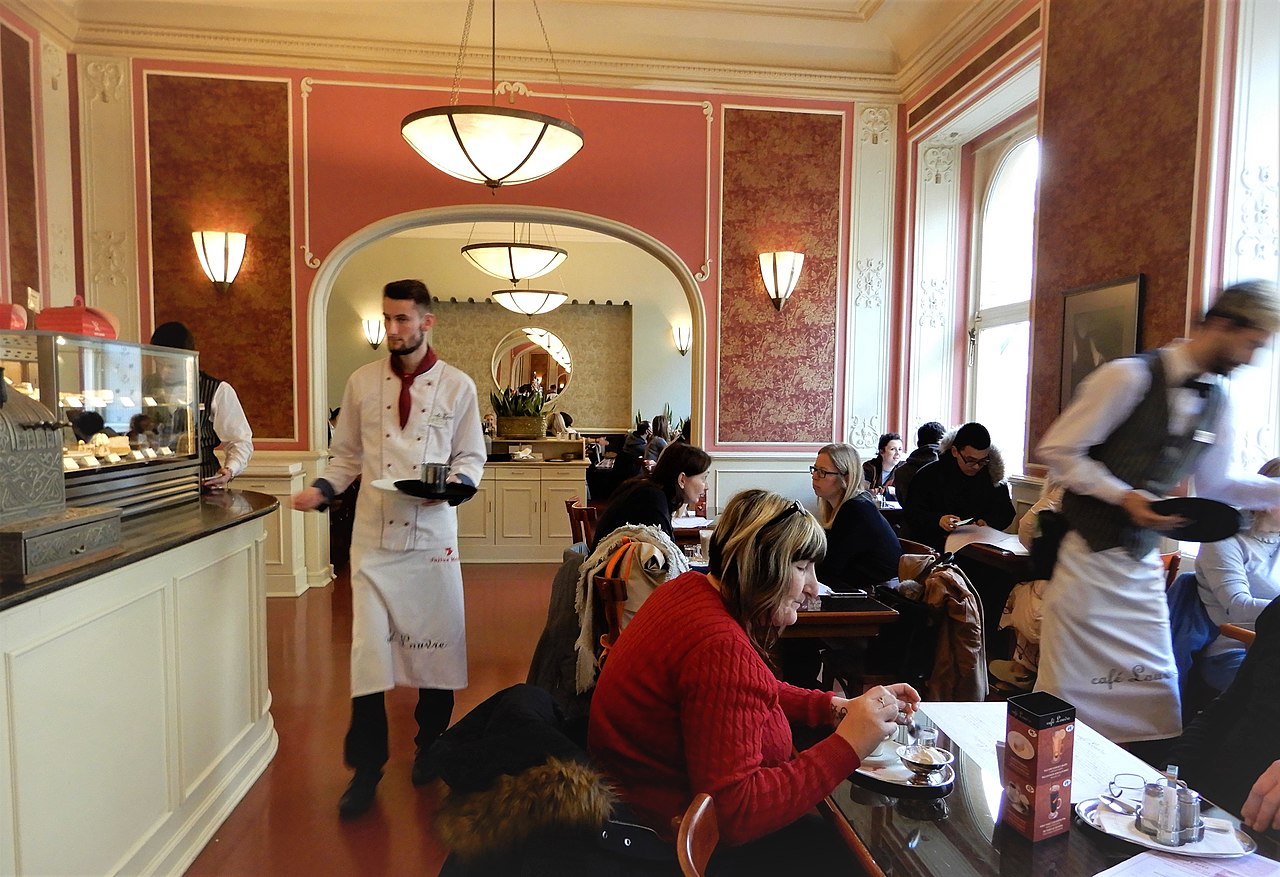
The grandest of Prague's belle-époque cafés — a soaring painted ceiling, silver coffee service, and the best apple strudel in Bohemia.
The neighbourhood wine bar that introduced Prague to natural wine — a short, thoughtful list, knowledgeable staff and proper cheese boards in a convivial low-lit room.
The 3-day card covers Prague Castle, the Jewish Quarter, unlimited public transport and dozens of museums — it pays back on the first morning alone.
Castle district queues at the gates in high season can swallow an hour; pre-booking the combined ticket avoids the main entrance line entirely.
Prague is in the EU but keeps the koruna; euro is sometimes accepted at tourist spots but at poor rates — use a bank exchange office, not the airport bureau.
The city's most scenic tram route crosses the river, climbs past the castle and descends through Malá Strana on a single run for the price of a transport ticket.
Prague's best Czech restaurants fill on Friday and Saturday nights by Thursday; reservations are essential for La Degustation and Lokál Dlouhááá.