Nature
Uluru Base Walk at sunrise
Circle the sacred monolith's 10.6-kilometre perimeter as the rock ignites from deep purple to burning ochre, waterholes and rock art panels revealing themselves along the way.
Ochre Stone, Endless Sky
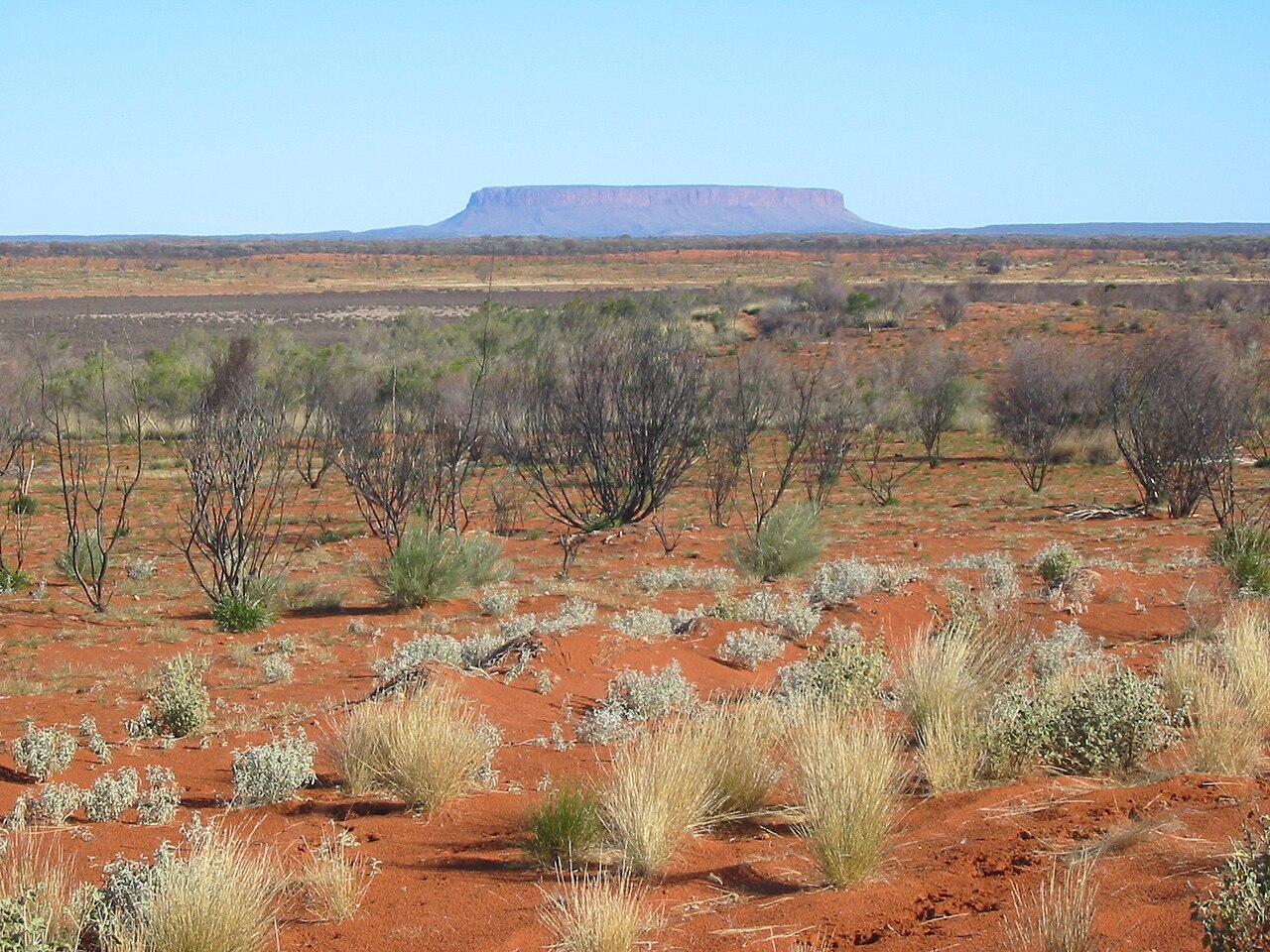
At the continent's red centre, a 348-metre sandstone monolith shifts from ochre to crimson to indigo violet as the sun drops behind spinifex plains, while the surrounding Anangu homeland offers gorge walks through Kata Tjuta, dot-painting workshops, and nights so dark the Milky Way casts shadows across the dunes.
Circle the sacred monolith's 10.6-kilometre perimeter as the rock ignites from deep purple to burning ochre, waterholes and rock art panels revealing themselves along the way.
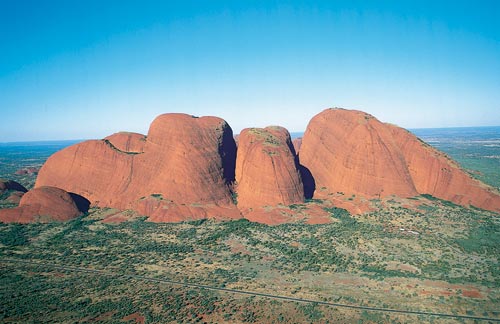
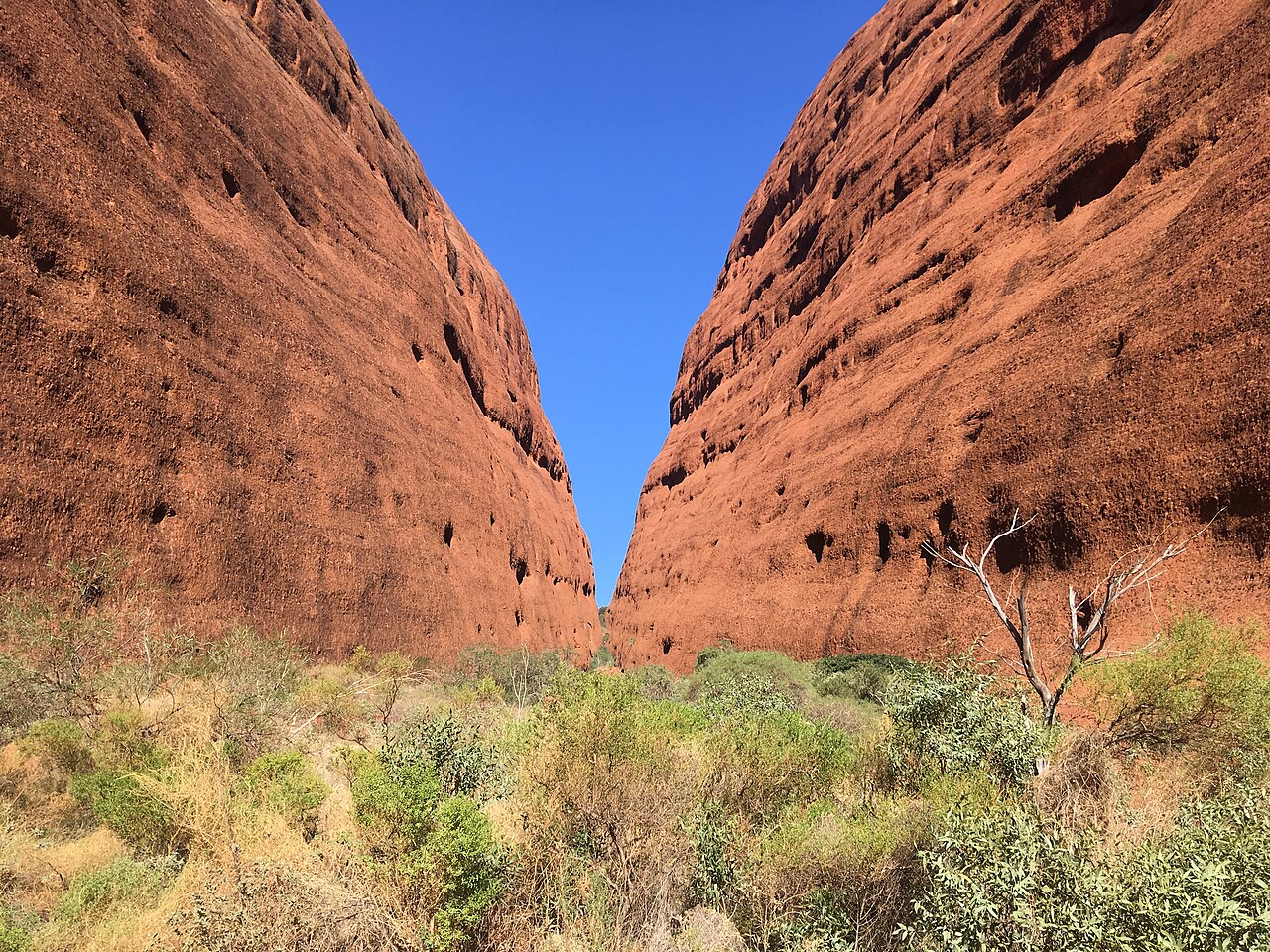
This looping trail between the 36 red-domed formations of Kata Tjuta climbs to Karu Lookout before threading a narrow gorge that channels a constant desert breeze.
A slow-swaying camel train departs before dawn from Ayers Rock Resort, climbing a dune crest just as the first light turns the monolith blood-orange.
Glide silently past waterholes, caves, and ancient rock art panels on a guided Segway circuit that covers ground a walking tour would take twice as long to reach.
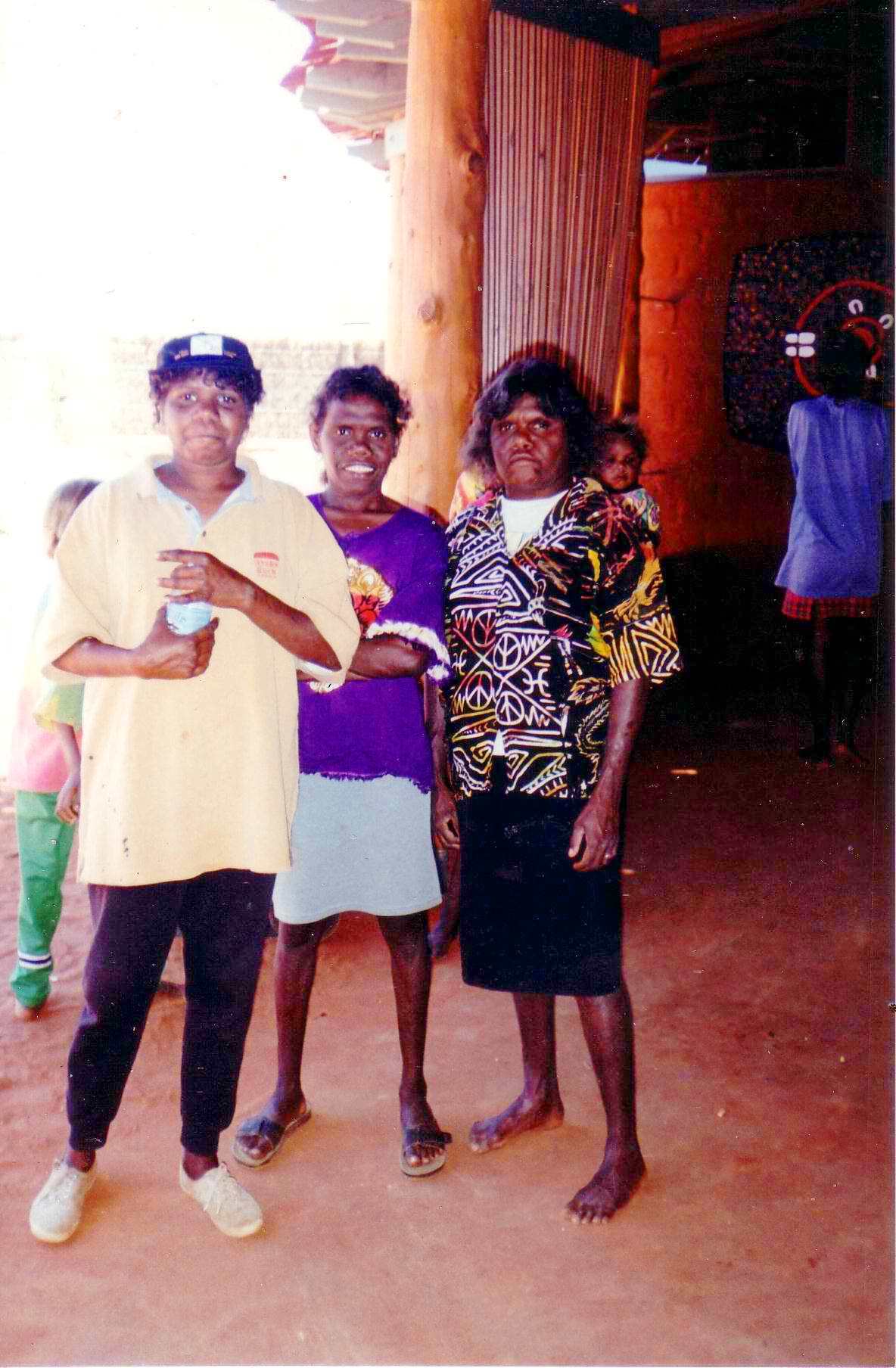
Local Anangu artists demonstrate the symbolism behind traditional dot painting before guiding visitors through their own canvas using ochre pigments ground from the surrounding desert.
A free daily walk led by national park rangers traces the Mala ancestral story along Uluru's northern face, stopping at rock art sites closed to unguided visitors.
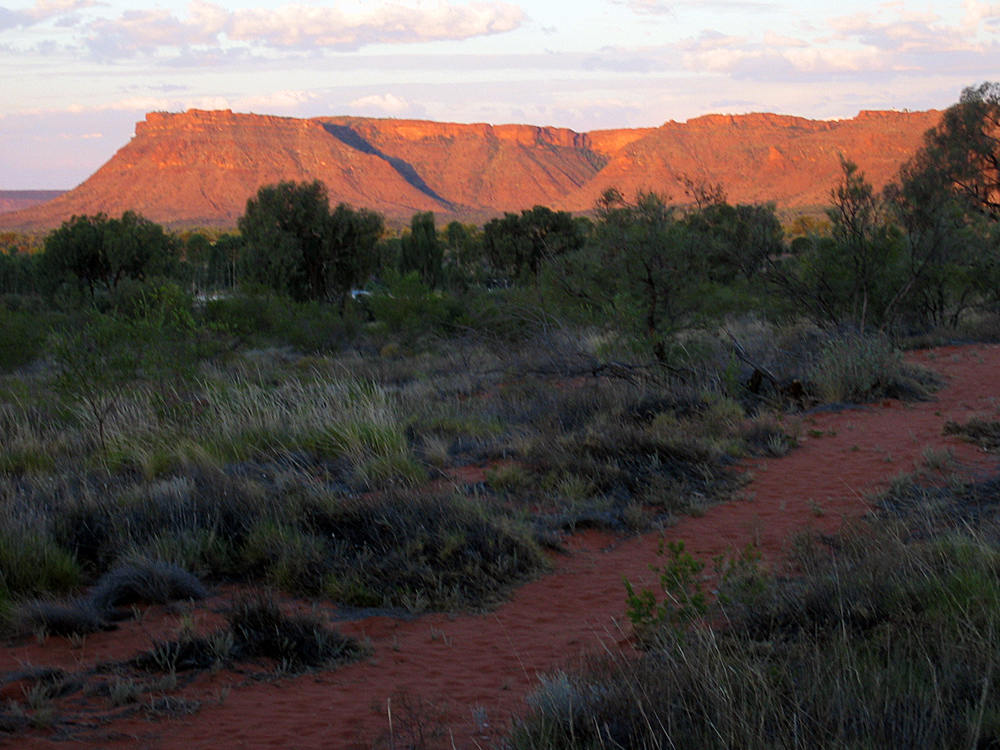
A steep opening climb nicknamed 'heart attack hill' gives way to sandstone domes, the Garden of Eden waterhole, and sheer 100-metre cliffs above Watarrka National Park.
Lift off before sunrise from just outside Alice Springs, drifting silently above the folded red ridgelines of the West MacDonnell Ranges as the desert floor turns gold.
A shaded gorge trail between two of Kata Tjuta's tallest domes stays several degrees cooler than the open plain, with rare desert fig trees clinging to the rock face.
An Anangu guide points out witchetty grubs, quandong fruit, and tracks left by thorny devils and dingoes across the spinifex plains surrounding the resort.
A working camel and cattle station near Kings Canyon runs guided off-road buggy tours across red dune country, ending with billy tea beside the campfire.
Nocturnal house exhibits, a free-flight bird show, and boardwalks through three distinct desert habitats make this the best introduction to Central Australia's wildlife anywhere in the region.
A family-run tour near Kings Canyon shares bush medicine knowledge, spear-throwing demonstrations, and traditional damper baking on an open fire with a Luritja and Pertame family.
A permanent waterhole framed by 250-metre red quartzite cliffs in the West MacDonnell Ranges rewards the drive from Alice Springs with a genuinely cold desert swim.
A fixed-wing flight banks low over both rock formations at once, revealing the full scale of Kata Tjuta's 36 domes against the flat red desert horizon.
Anangu-run galleries and displays explain Tjukurpa creation law and the decision to close the climb in 2019, alongside artist demonstrations and a bush food cafe.
Rows of car parks fill with camp chairs and chilled wine as the monolith runs through its nightly spectrum from rust to crimson to deep violet.
A candlelit buffet of kangaroo, barramundi, and crocodile sits on a dune overlooking both Uluru and Kata Tjuta, followed by a star talk from a resident astronomer.
Bruce Munro's 50,000 solar-powered stems bloom into colour across the desert floor at dusk, a walking path winding through the installation with Uluru silhouetted behind it.
The same camel train that departs at dawn also runs at dusk, climbing a dune in time to watch the rock deepen to its richest evening red.
Far from any city glow, a resident astronomer sets up telescopes trained on the Milky Way's galactic core, Saturn's rings, and the Southern Cross overhead.
An open fire beneath the desert stars sets the scene for Anangu elders sharing Tjukurpa stories passed down through generations about the country surrounding Uluru.
A short walk from Kings Canyon Resort reaches a lookout where the canyon's sandstone walls catch the day's last light in deepening shades of amber and rose.
Fifteen tented pavilions face the monolith directly across a private dune, with all-inclusive dining, a Table 131 dinner beneath the stars, and the resort's own dedicated sunset viewing platform.
White sail-shaped canopies shade a resort-style pool and central gardens at the heart of Yulara, with the Uluru-Kata Tjuta Cultural Centre a short stroll away.
Native gum trees and desert gardens surround rooms where a handful of upper floors catch a glimpse of Uluru itself above the treeline.
The closest accommodation to Watarrka National Park puts the Rim Walk trailhead minutes away, with a spring-fed pool to cool off after the climb.
Rates change — check the live price.
Photography shows the dishes and cuisine — representative, not from the restaurants themselves.
An exclusive four-course dinner is served atop a private dune between Uluru and Kata Tjuta, a didgeridoo performance and star talk closing out the evening; bookings are essential and seasonal.
A native-ingredient buffet with a la carte grill options looks out over the Desert Gardens' red gum trees; the kangaroo fillet and quandong dessert are standouts.
Native Australian ingredients like saltbush and wattleseed season a menu of grilled meats and seafood in a dining room styled around desert botanicals.
A lively bush barbecue buffet with a cook-your-own kangaroo and camel sausage grill draws a backpacker-heavy crowd most nights of the week.
A training cafe staffed by young Indigenous trainees serves excellent coffee and simple lunches; every visit supports the resort's hospitality apprenticeship program.
Sink into cane chairs beneath sail-shaped canopies for sunset cocktails and a share plate menu before the short walk to dinner.
Climbing was permanently closed in October 2019 out of respect for Anangu wishes; the base walk and ranger tours are the way to experience the rock up close.
Both sell out months ahead, especially during the cooler April-to-September peak season; reserve the moment travel dates are set.
Winter nights can drop near freezing while afternoons still reach the mid-20s Celsius; layer up for dawn activities and evening stargazing.
Bush flies are relentless from spring through autumn; a simple mesh net over your hat makes walks vastly more pleasant.
Yulara has the only fuel on some routes toward Kings Canyon; top up the tank before the roughly four-hour drive.