Boat
Water taxi to El Arco & Playa del Amor
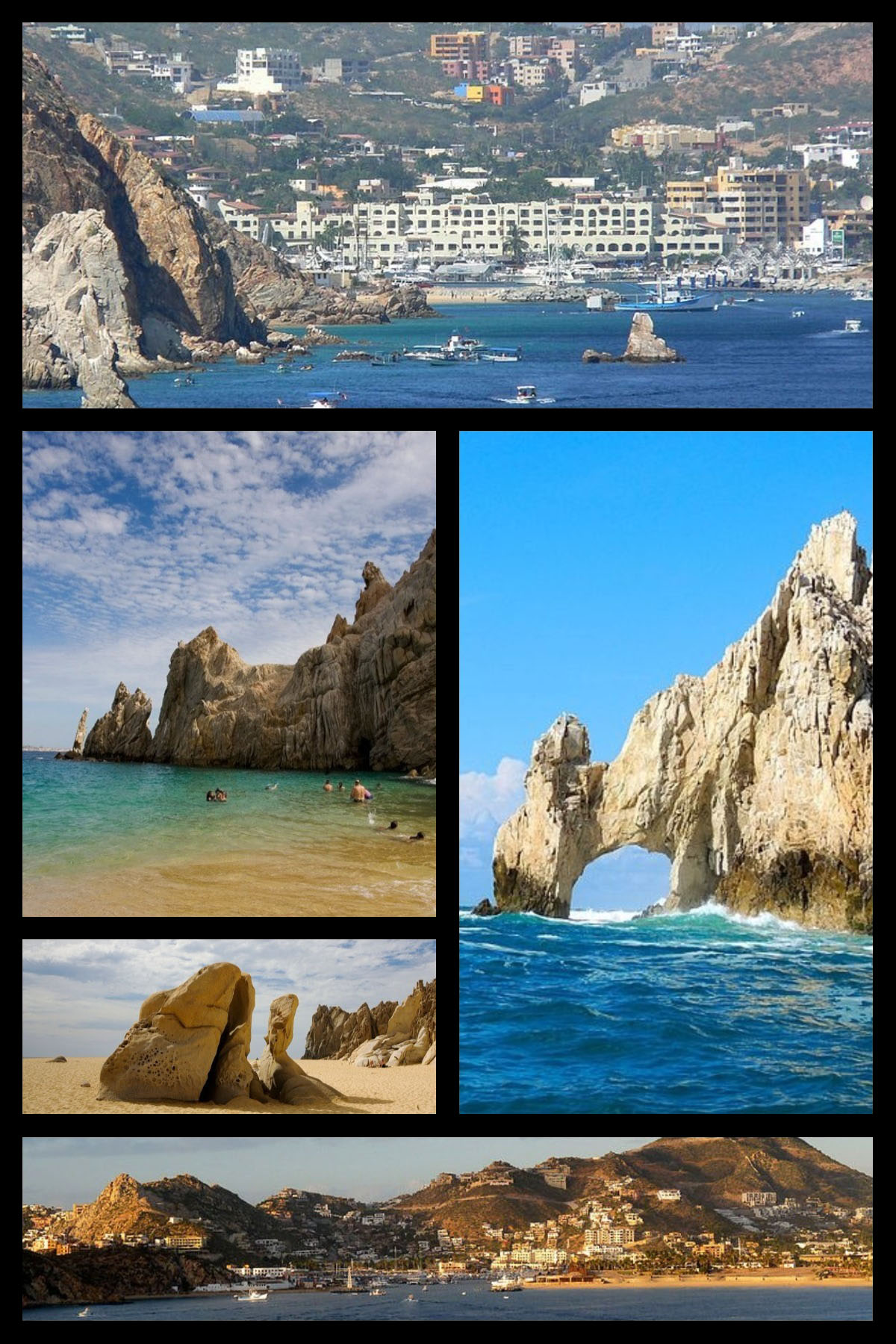
Pangas leave the marina and Médano beach for Land's End, where granite has been drilled through by two seas. Landing at Lover's Beach; the Pacific side is never swimmable.
Granite Arch, Desert Coast & Two Seas
Where the Baja peninsula runs out of desert and drops into the sea. Granite headlands, cactus hillsides and a thirty-mile corridor of resort coast between a raucous marina town and a mission plaza that still keeps its own hours.
Pangas leave the marina and Médano beach for Land's End, where granite has been drilled through by two seas. Landing at Lover's Beach; the Pacific side is never swimmable.
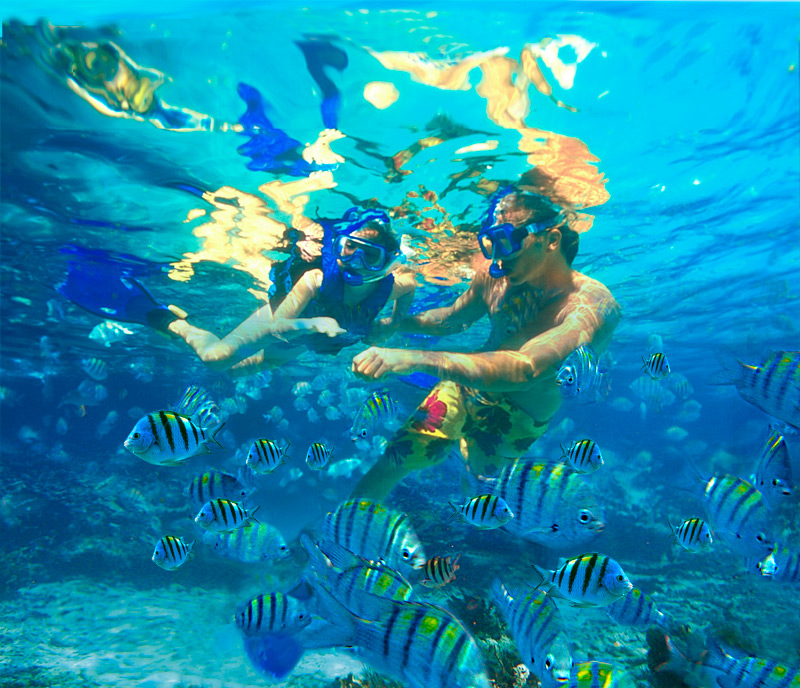
One of the few Los Cabos beaches with Blue Flag status and genuinely calm, swimmable water. A rocky point at the east end holds parrotfish, sergeant majors and the odd turtle.
A horseshoe of sand inside a protected marine reserve, reached down a steep track off the Corridor highway. Sheltered, shallow and swimmable — arrive early, before the tour boats anchor.
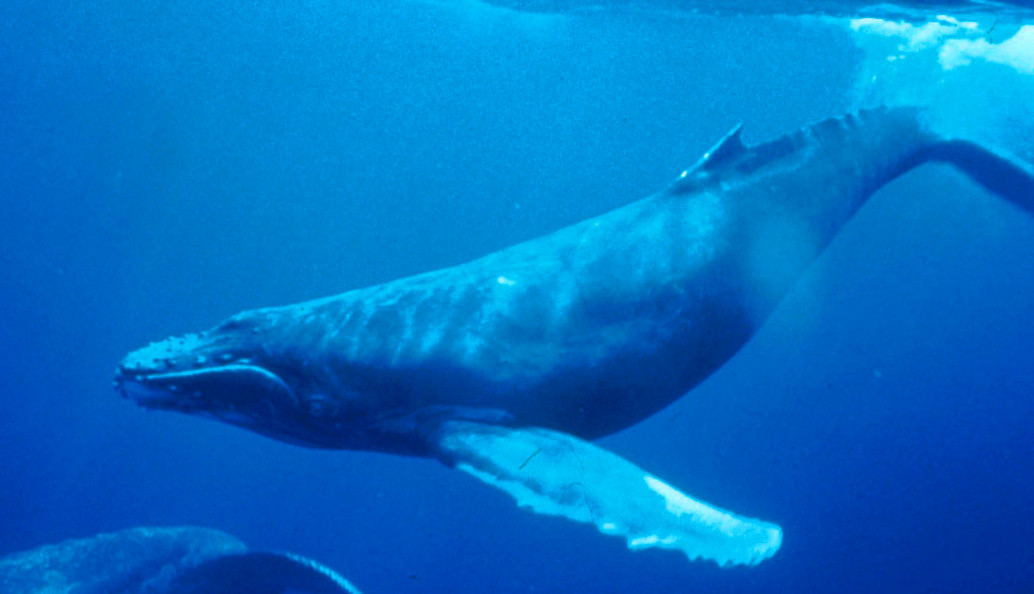
Humpbacks and greys pass Los Cabos between mid-December and mid-April only — outside that window no honest operator runs. Sightings are likely in season, never promised.
An hour up the Pacific side near Pescadero, Cerritos has a forgiving sandy-bottom beach break and the region's most reliable beginner surf, with board rental and instructors on the sand.
A freshwater estuary behind the hotel zone, palm-fringed and startlingly green in a desert. Herons, egrets and hundreds of migratory species; the boardwalk path is best just after dawn.
Saturdays 9am–3pm, November to late April only, in the palm grove at Huerta María. Ranch cheese, Baja honey and breakfast tacos among eighty growers and makers.
An hour north on Highway 19, a Pueblo Mágico of brick sugar-mill ruins, adobe galleries and a mission town founded in 1723. The Hotel California here has no connection to the song.
The main swimmable beach in Cabo San Lucas, sheltered inside the bay and lined with loungers and music. Water is calm, the hawkers persistent, and the Arch sits at the far end.
Cobbled blocks around Calle Obregón and Morelos, where a dozen serious galleries occupy restored adobes — Baja landscape painters, Huichol beadwork, contemporary Mexican sculpture.
Two hours up the East Cape to the oldest of only three coral reefs on North America's Pacific coast. A no-take park since 1995; fish biomass rose over 400% in a decade.
An old brick farmhouse on organic fields at Las Ánimas Bajas. You walk the beds and pick produce, then cook it over wood with the huerta's kitchen team, and eat it.
A rare Corridor beach where you can actually get in the sea: the headland shelters a long, gently shelving bay with a panga fleet at one end and palapas above.
Ninety minutes north, through Rancho Ecológico Sol de Mayo above Santiago: a fifteen-minute walk to a ten-metre fall and its pool. Fullest after the late-summer rains.
Out of the marina at golden hour, around Land's End for the light on the granite, then back with the sea lion colony barking off the point. Open bar is standard.
Thursday evenings, 5–9pm, from early November to the end of June only. Galleries in the Art District open late with wine, and the streets close to traffic.
Widow's Beach, just west of Santa María: black rock fingers, tide pools and no facilities at all. Not for swimming — come for the last twenty minutes of light.
The old town's square fills after dark: families, elote carts, and the twin-towered 1940 mission church lit above the jacarandas. Free, unhurried, and the antidote to the marina.
Baja California Sur's first craft brewery, founded in San José in 2007, keeps a rooftop bar above Médano Beach — Peyote Pale Ale and Escorpión Negro with the bay below.
Drive twenty minutes inland off the Corridor and the resort glow drops away. Dry desert air, cardón silhouettes, and the Milky Way overhead from spring through autumn.
The malecón loops the sportfishing fleet past taco stands, mariachi and the long-running noise of El Squid Roe. Loud, unsubtle and unmistakably what Cabo San Lucas is.
Reached through a private tunnel bored into the headland, with terraced casitas, a private plunge pool on nearly every one, and El Farallón on the cliff below.
Low white buildings wrapped around Bahía Santa María — one of the very few genuinely swimmable, snorkellable bays on this coast, straight off the sand.
Twelve treehouses on a working farm in the palm valley inland from San José — no beach, a very good bar, and desert quiet ten minutes from town.
Bunkhouse's mid-century Baja hotel above Punta Lobos, all terrazzo and pink concrete. The Pacific beach below is dramatic and, like most here, not for swimming.
Rates change — check the live price.
Photography shows the dishes and cuisine — representative, not from the restaurants themselves.
Tables cut into the cliff above the Pacific at the Waldorf Astoria. You choose from the day's catch on ice; a Champagne Terrace pours before sunset.
The original Baja farm-to-table room, in the middle of its own working fields. Wood-fired pizza, pork from the farm's pigs, and a long, shaded lunch.
Chef Angel Carbajal's thirty-year fusion of Baja fish and Japanese technique — the tuna tostada and the jalapeño-sesame sashimi are what people come back for.
Serious tacos — duck carnitas, chicharrón de rib-eye — with a mezcal list that runs well past the obvious. Small, busy, and worth arriving before eight.
Javier Plascencia's garden restaurant under a bamboo roof, cooking almost everything over wood and coals with vegetables from the beds beside the tables.
Regional Mexican cooking named for the golden age of Mexican cinema, served in a patio and on a small roof terrace a few blocks up from the marina. In the Michelin Guide.
Undertow and shore break make much of this coast dangerous. Chileno, Santa María, Médano and Palmilla are the reliable swimming beaches; obey the red and black flags.
Mexico's official whale-watching season runs 15 December to 15 April, peaking January to March. Outside that window no licensed operator sails — do not plan a summer trip around whales.
San José del Cabo's Art District opens late every Thursday, 5–9pm, from early November through the end of June. It closes for the summer heat.
Dollar prices carry a poor built-in rate. Ask for the peso price, decline dynamic currency conversion at card terminals, and use bank ATMs rather than airport kiosks.
Everyone waiting past customs in a branded shirt is selling timeshare. Walk through to the official taxi and shuttle desks outside, or pre-book your transfer.