Ruin
Teotihuacan Pyramid of the Sun
An hour north of the city, the ancient capital is best explored before 10am when the Avenue of the Dead is clear and the long climb to the Pyramid of the Sun is cooler.
La Ciudad Que Lo Tiene Todo
A megalopolis of twenty-two million that somehow feels human-scaled in its neighbourhoods: Aztec ruins in the city centre, Diego Rivera murals in government palaces, mezcal bars in converted mansions, and a taco culture so serious it has entered the UNESCO intangible heritage conversation.
An hour north of the city, the ancient capital is best explored before 10am when the Avenue of the Dead is clear and the long climb to the Pyramid of the Sun is cooler.
The largest cathedral in the Americas sinks gradually into the former lakebed it was built on — the tilted floors, baroque altars, and sheer scale are extraordinary.
The excavated heart of Tenochtitlán, discovered mid-city in 1978. The adjacent museum's centerpiece is the huge Coyolxauhqui stone disk, unearthed with thousands of Aztec ceremonial offerings.
Mexico's largest flower market moves a staggering volume of blooms in the pre-dawn hours — by 8am the vast halls are still magnificent and the juice stalls are already open.
The Blue House in Coyoacán where Frida was born, lived, and died: her studio, wheelchair, easel, and the bed with the mirror mounted above it. Book timed entry a week ahead.
The Aztec floating gardens reachable by metro: hire a painted trajinera and float past market boats selling tacos, chicharrón, marigolds, and cold beers from floating ice chests.
Arriving as the doors open means a rare stretch of empty space beneath the towering fountain-pillar of the central courtyard before the tour groups arrive. Halls devoted to the Aztec, Maya, and Zapotec civilizations hold the original Sun Stone and treasures from across Mexico's pre-Hispanic past.
The hilltop castle housing the National Museum of History commands panoramic views of the Bosque — the art nouveau interiors and Siqueiros's sweeping revolution mural are a genuinely underrated afternoon.
The covered market in Coyoacán's leafy neighbourhood: tostadas de salpicón, fresh ceviche, and a cold michelada under the colonnades while the square outside stays wonderfully calm.
The art nouveau and deco palace houses one of the world's finest concentrations of Rivera, Orozco, and Siqueiros murals — the four-floor atrium alone justifies the entire visit.
Art deco apartment blocks, jacaranda trees, and the city's best independent café scene — walk from Parque México through Álvaro Obregón to the Roma's taqueros and mezcalerías.
Friday evenings at Arena México are the city's most theatrical spectacle: masked wrestlers, feuds that span generations, and a crowd that drinks beer and eats elotes with equal passion.
The city's best craft market without the tourist premium — Talavera ceramics, Oaxacan rugs, silver from Taxco, and hand-painted alebrijes. Bargaining is expected and welcomed.
Cobbled streets around the Plaza San Jacinto fill with easels, textiles, and silver jewelry every Saturday, spilling out from the namesake indoor bazaar into surrounding colonial courtyards. The neighborhood's bougainvillea-draped walls and cafes make it worth lingering past the shopping.
Roma Norte's converted mansions conceal the city's finest mezcal culture — start at La Botica for the list, move on to Expendio de Maíz Sin Nombre for artisanal pours and the wild kitchen.
A route through the Centro's taqueros: al pastor from a spinning trompo, birria de res with consommé for dipping, gorditas from a comal cart. Best after 9pm when the stands hit their stride.
Post-fight, neighbourhood pulquerías around Arena México serve fermented agave in ceramic cups alongside botanas. Local, loud, no English menus, and entirely genuine.
Enrique Olvera's world-ranked Polanco restaurant serves a mole madre that has been cooking continuously for years — the tasting menu is a quiet meditation on Mexican flavour and memory.
From the 44th floor of this 1956 skyscraper, the Centro Histórico spreads out in a grid of light, with the twin towers of the Metropolitan Cathedral floodlit below. The elevator ride alone, ears popping in under a minute, is part of the theatre.
Plaza Garibaldi fills most evenings with mariachi bands in silver-studded charro suits, each willing to strike up a song for a modest fee or simply be listened to from a nearby table. It is unpolished and loud in the best way, a slice of the city that has not changed in generations.
Mexico City's historic cantinas, dim, wood-panelled rooms with century-old bars, still serve tequila with a side of free botanas the way they have since the Revolution. A slow crawl between two or three neighbouring spots makes for an atmospheric, unhurried evening.
A hacienda-style courtyard garden at the heart of the Reforma makes this the capital's most civilized retreat — suites overlook manicured inner gardens, and the rooftop bar is a perpetual fixture on every 'best in Mexico' list.
Occupying the upper floors of a 31-storey glass tower above Chapultepec Park, the St. Regis delivers panoramic skyline suites, a Butler floor, and the Roofgarden restaurant with views across the Valle de México.
A discreet townhouse hotel on Polanco's most elegant boulevard pairs 35 meticulously designed suites with an in-room dining programme overseen by Enrique Olvera protégés and a spa programme rooted in pre-Hispanic traditions.
Ricardo Legorreta's 1968 modernist landmark remains one of Latin America's most architecturally significant hotels — bold primary colors, soaring concrete volumes, and a world-class art collection define a singular Mexico City experience.
Rates change — check the live price.
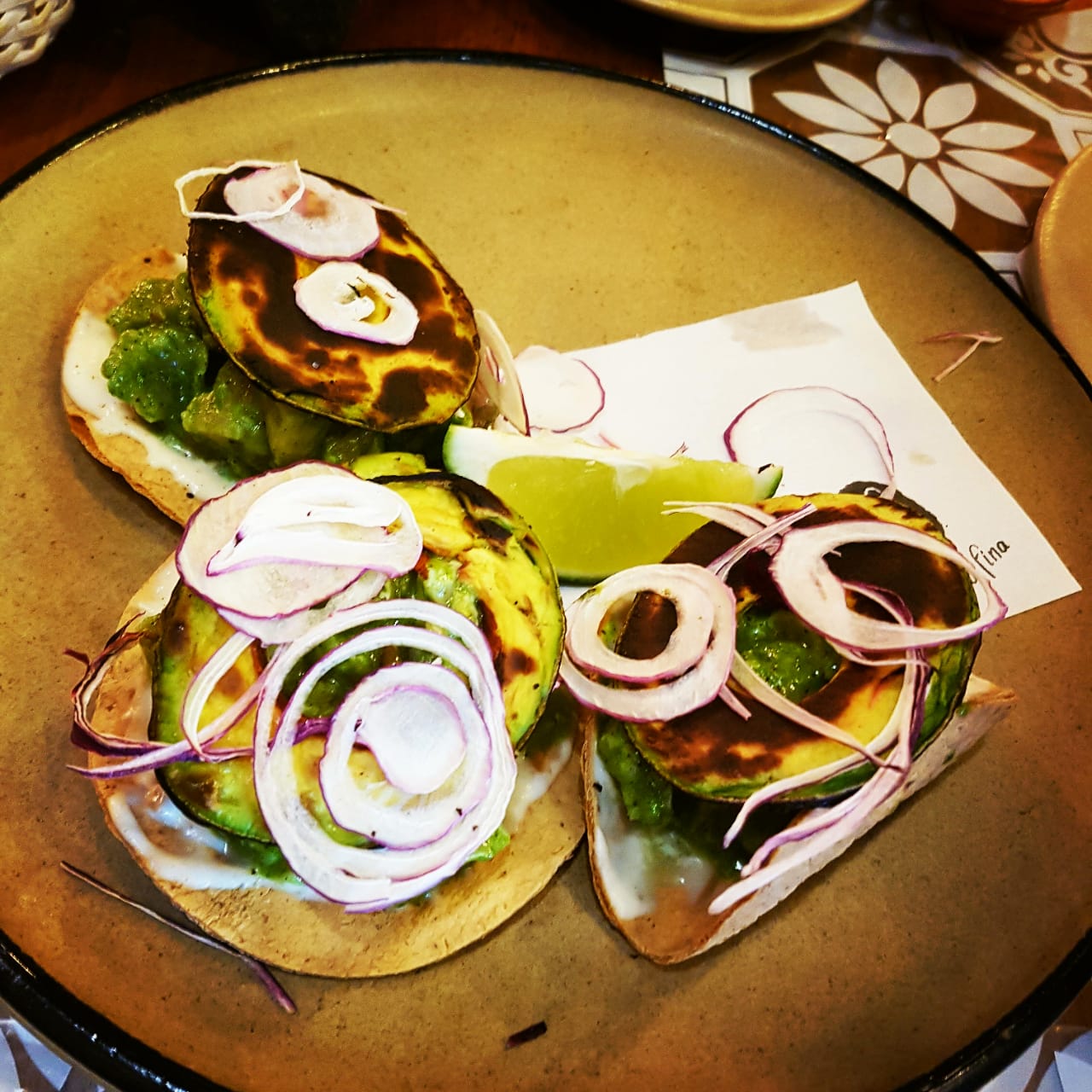
Photography shows the dishes and cuisine — representative, not from the restaurants themselves.
Enrique Olvera's world-famous tasting menu built around a mole madre that evolves daily. Reserve weeks ahead — consistently among the world's best restaurants and worth every peso.
Breakfast pilgrimage since 1969 — thick hot chocolate, freshly baked conchas, and the city's best chilaquiles in a formal, wood-panelled room beloved by grandmothers and presidents alike.
The row of tostada stalls inside Coyoacán market pile ceviche, tinga, and salpicón on crisp tortillas. The city's best casual seafood, at a counter with plastic stools and zero pretension.
A mechanic's garage by day, the city's most beloved taco spot by night — the al pastor trompo is set up after 10pm and the queue wraps the block by 11pm.
A working cantina from 1942 where rounds of beer arrive with free botanas — pickled vegetables, refried beans, chicharrón. Mostly neighbourhood regulars by noon on any weekday.
Unmarked door on a Roma side street: artisanal mezcals poured by origin and agave variety, a corn-centred tasting menu, and the most atmospheric room in the city — now with a Michelin star to its name.
App-based rides are dramatically safer than hailing taxis from the street — Uber and DiDi both operate reliably throughout the city at prices far below what you'd expect.
Mexico City sits at 2,240 metres — expect mild shortness of breath and headaches for the first day. Hydrate constantly, eat lightly, and hold off on alcohol until you've acclimatised.
Frida Kahlo Museum timed entry sells out days in advance, particularly on weekends — reserve online at museofridakahlo.org.mx as soon as your dates are confirmed.
The city's dinner culture starts at 9pm at the earliest and the best street-food scenes peak after 10pm. Adjust your schedule accordingly or you'll miss the best of it.
The majority of market stalls, taquerías, and street carts don't accept cards — carry MX$50 and MX$100 notes and you can eat extraordinarily well on cash for the entire day.