Snorkel
Snorkel the MUSA underwater museum
Over five hundred cast figures stand on the seabed, Jason deCaires Taylor's Silent Evolution among them. The Punta Nizuc gallery is shallow enough for snorkellers, not just divers.
Reef, Ruins & the Long Blue Bay
A sandbar city built on a barrier reef, with Maya temples stranded between the towers, an underwater sculpture gallery offshore, and two small islands reachable before breakfast. The food gets better every block you walk inland.
Over five hundred cast figures stand on the seabed, Jason deCaires Taylor's Silent Evolution among them. The Punta Nizuc gallery is shallow enough for snorkellers, not just divers.
The barrier reef sits barely half a kilometre off the village. Cooperative pangas run guided two-stop trips; life jackets are compulsory and sunscreen is banned in the park.
Two and a half hours inland, and one of the last Yucatán pyramids you may still climb — Chichén, Cobá and Tulum are all closed. A stucco jaguar mouth waits near the top.
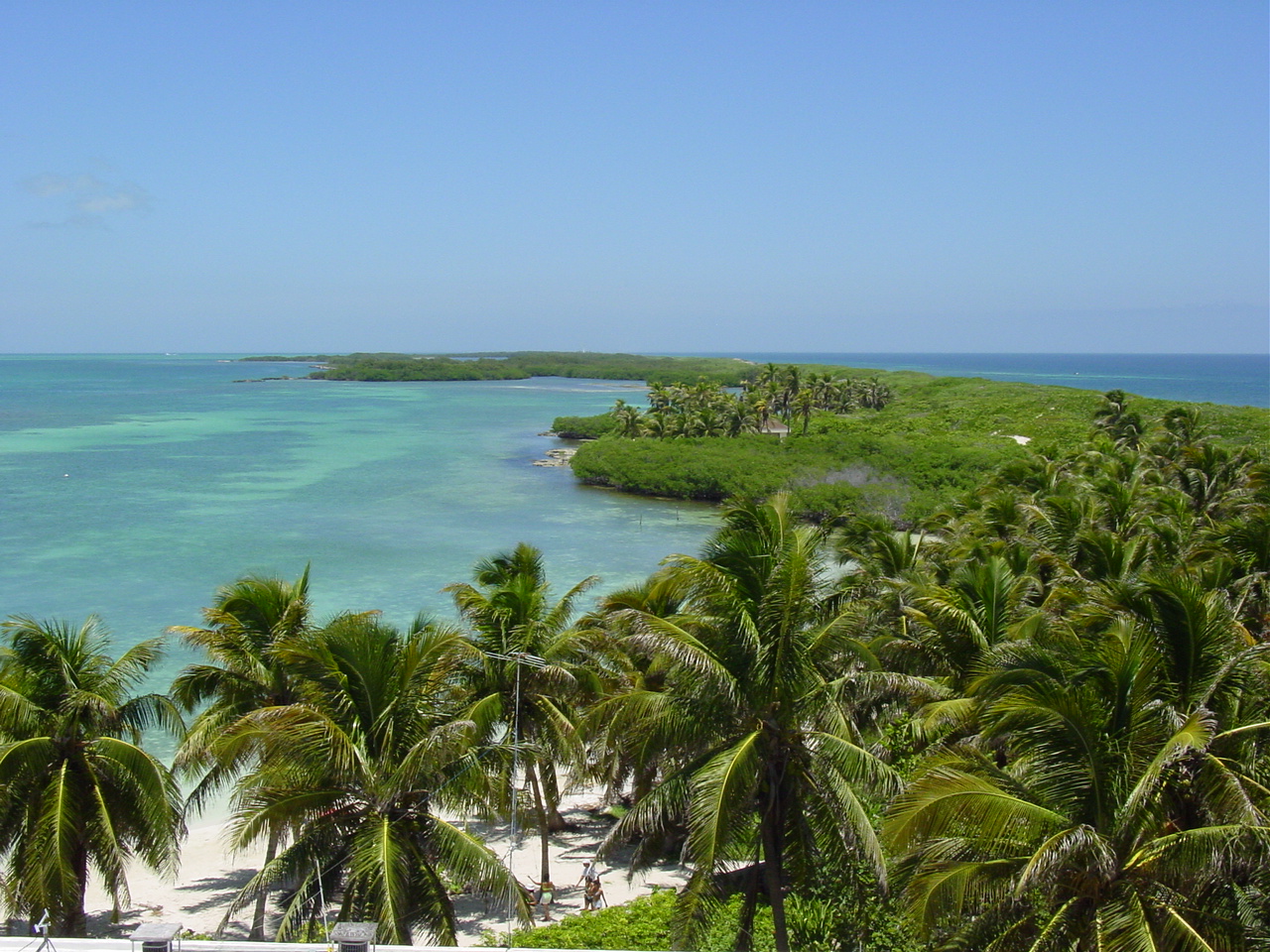
A protected seabird island capped at two hundred visitors a day and reachable only with licensed operators. Frigatebirds and pelicans nest; the northern sandbar stays empty.
A late Postclassic settlement stranded mid-Hotel Zone, its plazas colonised by fat iguanas. Gates open at eight; go then, before the sand and the stone bake.
The road inland from Puerto Morelos strings together a dozen cenotes — open, half-collapsed and cave. Arrive before ten and you will often have one to yourself.
The Hotel Zone's one high dune, and the only public beach with a view down the whole sandbar. A steep shore break makes it a looking beach, not a swimming one.
One ticket covers a serious regional museum and the San Miguelito ruins behind it, left standing in the jungle strip between the towers. Closed Mondays.
You drive your own two-seat boat in convoy through mangrove channels behind the Hotel Zone, then out to snorkel the reef edge. Noisy, silly, and the best look at the lagoon.
Mexico's easternmost point: a sculpture path along low limestone cliffs ending at the eroded Ixchel temple. Cash only at the gate, and the grounds close around five.
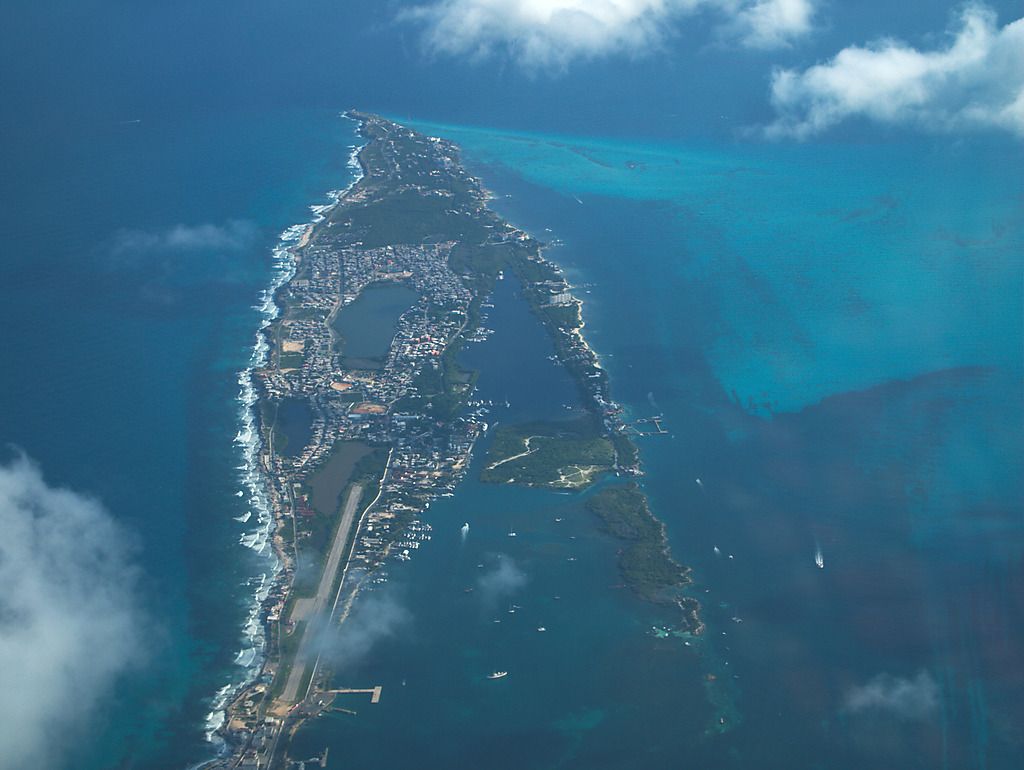
The island is barely eight kilometres long, so a rented cart loops it easily. Take the windward road south past Punta Sur, return along the calm leeward side.
Downtown's craft market wraps a courtyard of loncherías where cochinita and sopa de lima cost a fraction of Hotel Zone prices. Souvenir prices are opening bids.
Waist-deep and unusually calm. Its sheltered northern aspect also means it collects far less sargassum than the Atlantic-facing shores down the coast.
A fishing village that never scaled up: one plaza, Alma Libre's wall of second-hand English paperbacks, and the 1946 lighthouse left tilted by Hurricane Beulah in 1967.
On pilings over Nichupté since 1985, keeping live lobster in tanks below the floor since 1988. Old-school, unashamedly touristic, and still genuinely good.
A downtown institution since 1977, serving cocobichuela — lobster and shrimp in curry, in a coconut — under trees and replica stelae. Book; the garden tables go first.
Downtown's real evening square: food carts, balloon sellers and marquesitas, crisp rolled crêpes filled with shredded Edam and Nutella. A contradiction that works.
Less nightclub than aerial circus with an open bar — tribute acts, acrobats, confetti cannons. Runs nightly at Punta Cancún, with doors around half past ten.
Painted trajineras on lit canals south of the airport, with mariachi, a regional tasting menu and open bar. Monday to Saturday only; boarding closes at half eight.
Cancún's Mexican League side plays at Estadio Beto Ávila on the mainland, roughly April to August, first pitch usually 7.30pm. Cheap seats, loud brass, cold micheladas.
The lagoon side of Kukulcán faces west, so palapa places like El Fish Fritanga get the sunset the beach hotels never see. Ceviche, fish tacos, cold beer.
At the quiet southern tip of the sandbar on a former presidential estate, with two beaches, six restaurants and an ESPA spa — and no nightclub bass at 2am.
An all-suite tower on the sheltered bay beach at the sandbar's elbow — the calmest swimming in the Hotel Zone, and you can walk to the nightlife.
Twelve rooms with floor-to-ceiling windows over Half Moon Bay, a long infinity pool and a roof bar for sunset — a short walk from Playa Norte.
Ninety oceanfront suites on the coast north of the village, adults-only and all-inclusive, with chauffeured airport transfers folded into the rate.
Rates change — check the live price.
Photography shows the dishes and cuisine — representative, not from the restaurants themselves.
Open since 1977 in a garden of replica Maya stelae. The cocobichuela — lobster and shrimp in curry served inside a coconut — is why people keep coming back.
Built on pilings over Laguna Nichupté with live lobster tanks below. Touristic and expensive, and still the most reliable lobster dinner on the sandbar.
A palapa on the lagoon shore doing fish tacos, coconut shrimp and aguachile at a fraction of boulevard prices, with a west-facing deck that catches the sunset.
A counter-service local fixture doing battered fish tacos, shrimp tacos and ceviche for pocket money. Lunch only — the shutters come down around half past five.
The former Ritz-Carlton Cancún chef's own small dining room since 2002, known for chipotle-honey duck. Monday to Saturday from mid-afternoon, closed Sundays; reservations effectively mandatory.
A garden courtyard doing Greek, Turkish, Bulgarian and Moroccan plates, everything made from scratch daily. Dinner only, closed Sundays, and reliably full.
Seaweed drifts in roughly April to October, worst June to August, and 2026 is forecast heavy. Sheltered north-facing shores like Playa Norte fare best; check the live beach cams.
Quintana Roo charges foreign visitors a state tourist tax, around 285 pesos, now checked at airport departure. Pay at visitax.gob.mx — lookalike sites charge several times more.
R1 and R2 buses run the Hotel Zone to downtown constantly for a few pesos. Taxis are unmetered, so agree the fare in pesos before you get in.
Ultramar sails to Isla Mujeres about every half hour from 05.30 to 23.00, roughly 290 pesos each way — cheaper and far more frequent than the Hotel Zone piers.
The season runs June to November and peaks September and October, when rates fall hard and some island restaurants close for weeks at a time.