Landmark
Jackson Square & St. Louis Cathedral
The French Quarter's historic heart: Andrew Jackson's statue, tarot readers under old oaks, and the spires of America's oldest continuously active Catholic cathedral anchoring the square.
Jazz, Wrought Iron & the Mighty Mississippi
A city built on a river bend, where wrought-iron balconies shade Creole cottages and brass bands play for tips on street corners. Slow, humid, unhurried, and serious about three things: food, music and its own peculiar history.
The French Quarter's historic heart: Andrew Jackson's statue, tarot readers under old oaks, and the spires of America's oldest continuously active Catholic cathedral anchoring the square.
Congressionally designated as the country's official WWII museum, built here because New Orleans made the Higgins landing craft. The Road to Berlin and Road to Tokyo galleries fill a full morning.
The oldest continuously operating streetcar line in the world, rattling under live oaks past Garden District mansions on wooden seats little changed since the 1920s.
The only Louisiana plantation museum told entirely from the perspective of the enslaved, with first-person narratives and memorial walls naming thousands. Book timed tickets ahead; guided and self-guided visits are both offered.
A flat-bottomed boat through one of the least-disturbed river swamps in the country, with a Cajun guide pointing out alligators, herons and centuries-old cypress. Sightings are never guaranteed.
A live-oak loop around a golf course and lagoon in Uptown, ending at the riverside green space locals call the Fly, with a view of Mississippi ship traffic.
The largest collection of Southern art anywhere, folk to contemporary, inside a Warehouse District building beside the Contemporary Arts Center. Thursday evenings add live local music.
America's oldest public market, running six blocks from Jackson Square toward Frenchmen Street with produce stalls, spice vendors and flea-market tables, backing onto the Mississippi levee.
Antebellum mansions behind iron fences on oak-shaded streets, with a stop at Lafayette Cemetery No. 1's above-ground tombs. A licensed guide adds history the architecture alone won't tell.
A serious permanent collection inside City Park, though the real draw is the free sculpture garden's lagoon path past works by Rodin, Moore and Yayoi Kusama.
Blaine Kern's float-building warehouse on the Mississippi wharf, stacked with giant papier-mache parade props year-round. A guided walk explains how a season of parades gets built and stored.
Artist Brandan 'BMike' Odums' 35,000-square-foot Bywater warehouse of murals confronting race and Black history in New Orleans. Open Wednesday to Sunday only; closed Monday and Tuesday.
A small, essential archive of Mardi Gras Indian suits, jazz funeral memorabilia and second-line ephemera in Treme, the neighbourhood most of it came from. Call ahead to confirm hours.
One of Jackson Square's twin landmark buildings, now a Louisiana State Museum wing devoted to Mardi Gras costumes, throws and krewe history, with a sobering Katrina gallery upstairs; check the museum's site for periodic building-work closures.
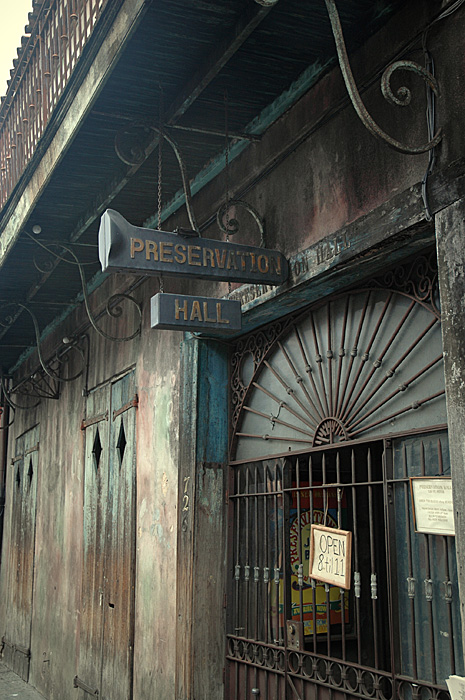
Forty-five-minute sets of traditional New Orleans jazz in a dim, un-air-conditioned room with no bar and no guaranteed seats. Buy tickets online ahead — the room is tiny and shows sell out.
A cash-friendly shoebox room on Frenchmen Street with a one-drink minimum, where local swing and jazz bands play nightly to a room three deep at the bar. Tip the band generously too.
A genuine steam-powered paddlewheeler, one of the last on the river, sailing after dark with a live jazz trio and a buffet dinner while the skyline and bridges light up.
A riverfront boardwalk giving an unimpeded view of the Mississippi's bend and passing tugboats. Walk the levee path into Crescent Park as the light drops and the heat breaks.
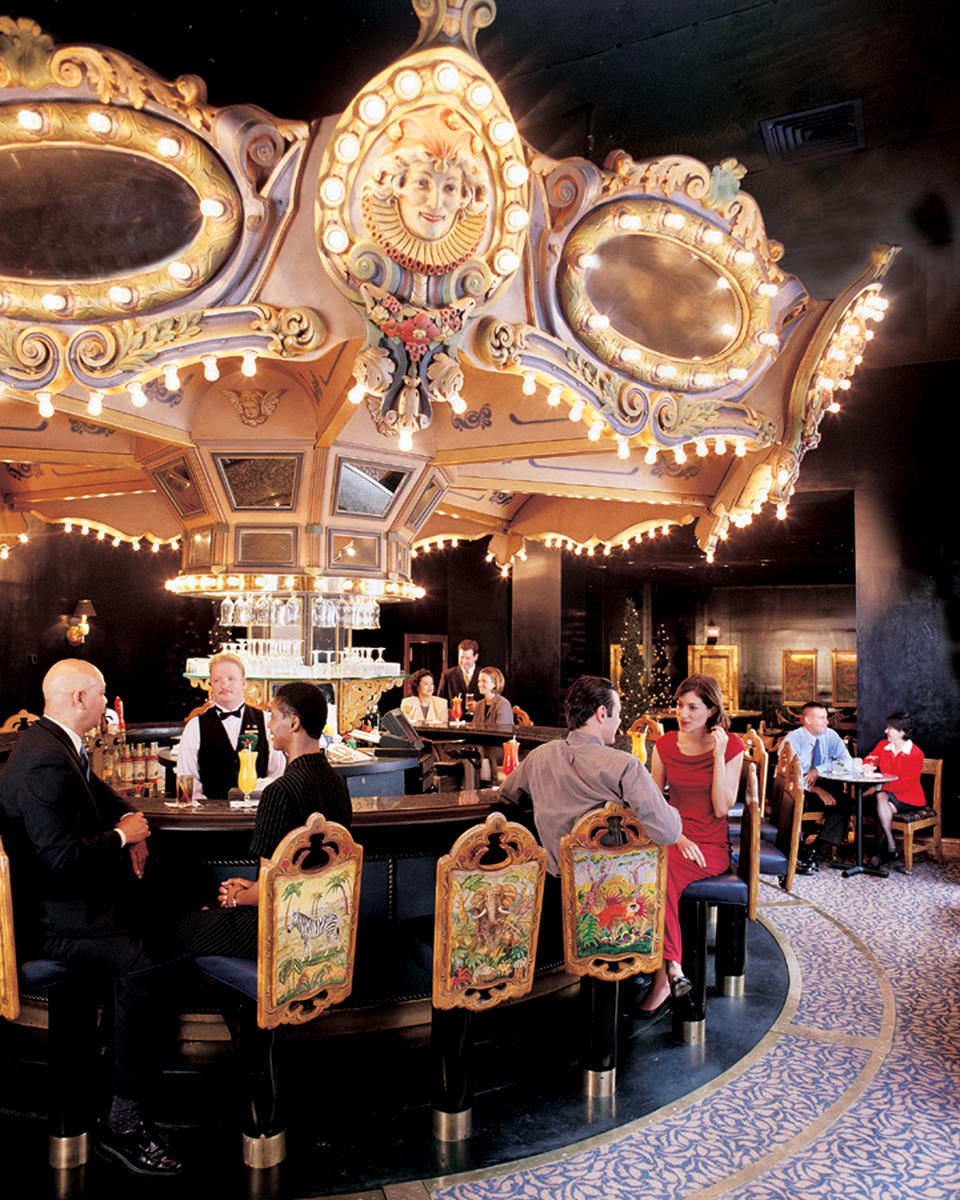
A hand-carved bar that actually revolves, completing a slow lap every fifteen minutes, once a haunt of Faulkner and Capote. Arrive early; the rotation makes for a real wait at busy hours.
An after-dark walk through the Quarter's cemeteries, courtyards and lamplit alleys, threading real history of yellow fever, voodoo practice and piracy with the ghost stories it's sold on.
An eleventh-floor rooftop styled after a Tennessee Williams play, with a clear view of the Garden District, the river bend and the CBD skyline going gold at sunset.
A Royal Street landmark run by the same family since 1886, famous for the rotating Carousel Bar and a roll call of literary guests from Faulkner to Hemingway.
A Forbes Four-Star, AAA Four-Diamond tower on Gravier Street, built around an English art collection and afternoon tea in the Polo Club Lounge. The CBD's top address since 1984.
A 67-room townhouse-style hotel from the Ace Hotel team, all library nooks and a single communal dining table, steps from the Ogden Museum and the Arts District galleries.
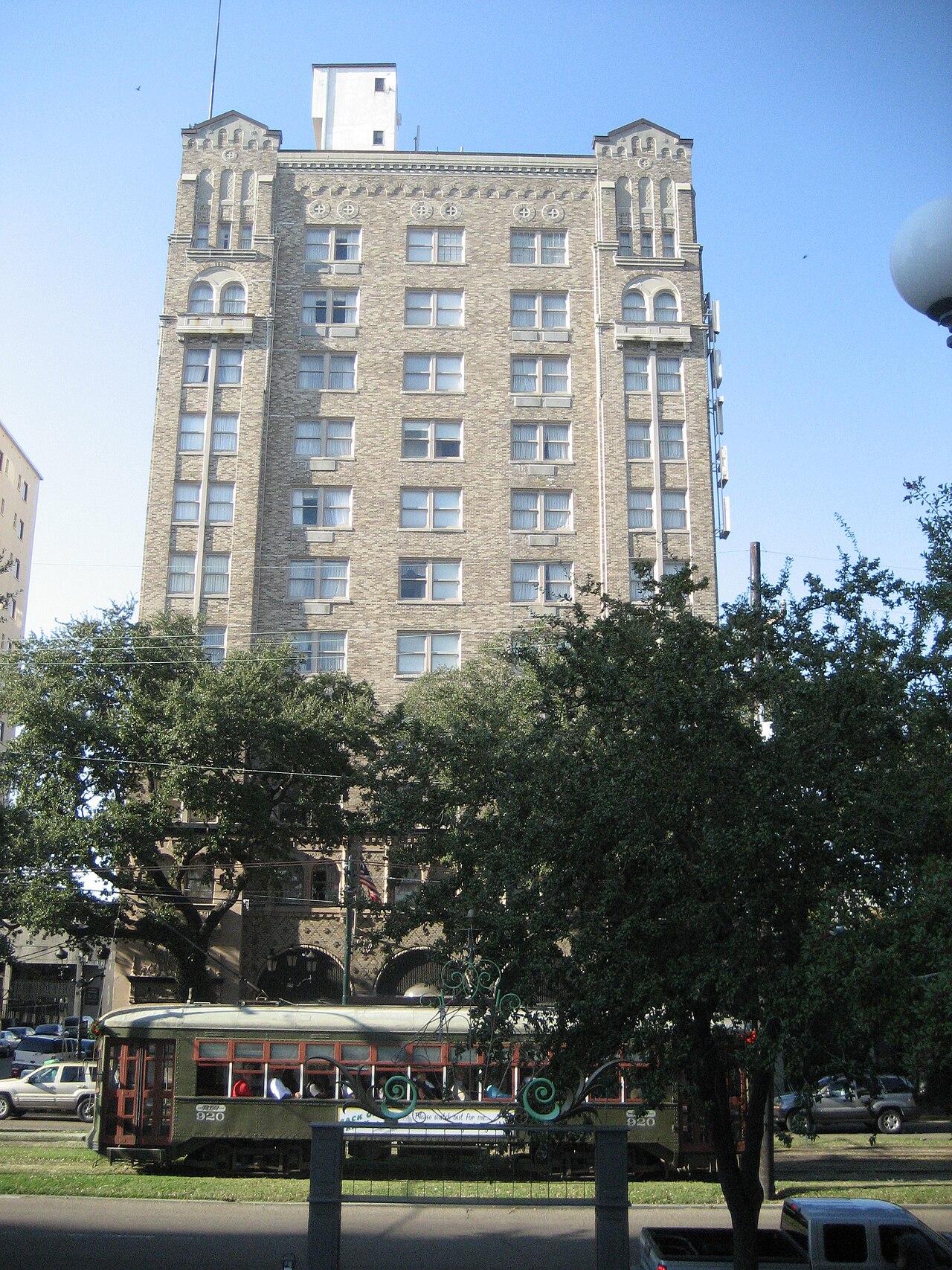
A 1927 landmark on St. Charles Avenue, restored with the Hot Tin rooftop and the Bayou Bar downstairs. The streetcar stops right at the front door.
Rates change — check the live price.
Photography shows the dishes and cuisine — representative, not from the restaurants themselves.
The Brennan family's century-old Garden District flagship, still serving turtle soup and bread pudding souffle under a jazz brunch trio. Jacket suggested at dinner; reserve well ahead.
Leah Chase's Treme dining room, a civil-rights-era meeting place still serving fried chicken and gumbo z'herbes. Lunch Tuesday to Friday, dinner Friday and Saturday evenings; closed Sunday and Monday.
Open since 1862 from early morning to around midnight, a green-and-white stand serving only beignets, chicory coffee and a few drinks. Expect a line and powdered sugar on everything.
Donald Link's nose-to-tail Cajun room near the Ogden Museum, built on a wood-fired oven and family recipes from Grand Coteau. The boudin and fried alligator are the ones to order.
Family-run since 1913 and the birthplace of New Orleans barbecue shrimp — butter, garlic and black pepper, no barbecue sauce involved. Now under Dickie Brennan & Co., the table hasn't changed.
Bon Appetit's America's Best New Restaurant of 2017, a scrappy Irish Channel counter whose fried bologna sandwich and collard-green melt rewrote expectations. No reservations; expect a wait.
June through November is Atlantic hurricane season, with August-October the peak. Travel insurance and a flexible booking are worth it; serious storms are rare but disruptive when they hit.
Heat and humidity peak June through September, often past 90F with heavy afternoon storms. Front-load outdoor plans for morning, and expect a midday retreat into museums or a bar.
Street musicians, brass bands and many Frenchmen Street clubs run on cash tips rather than fixed cover charges. Keep small bills on hand; card-only won't work on the street.
Carnival's date shifts with Easter, landing anywhere from early February to early March. Hotel rates spike and parade routes close streets for weeks around it; book far ahead if visiting then.
Whitney Plantation runs timed, guided-only entry that sells out on weekends, and Commander's Palace fills weeks out. Reserve both before you land, not after you arrive.