
Adventure
Sawa-i-Lau limestone cave swim
A boat drops you at a sinkhole entrance in the Yasawas; duck through a submerged passage into a second chamber lit only by a shaft of daylight.
Bula Vinaka
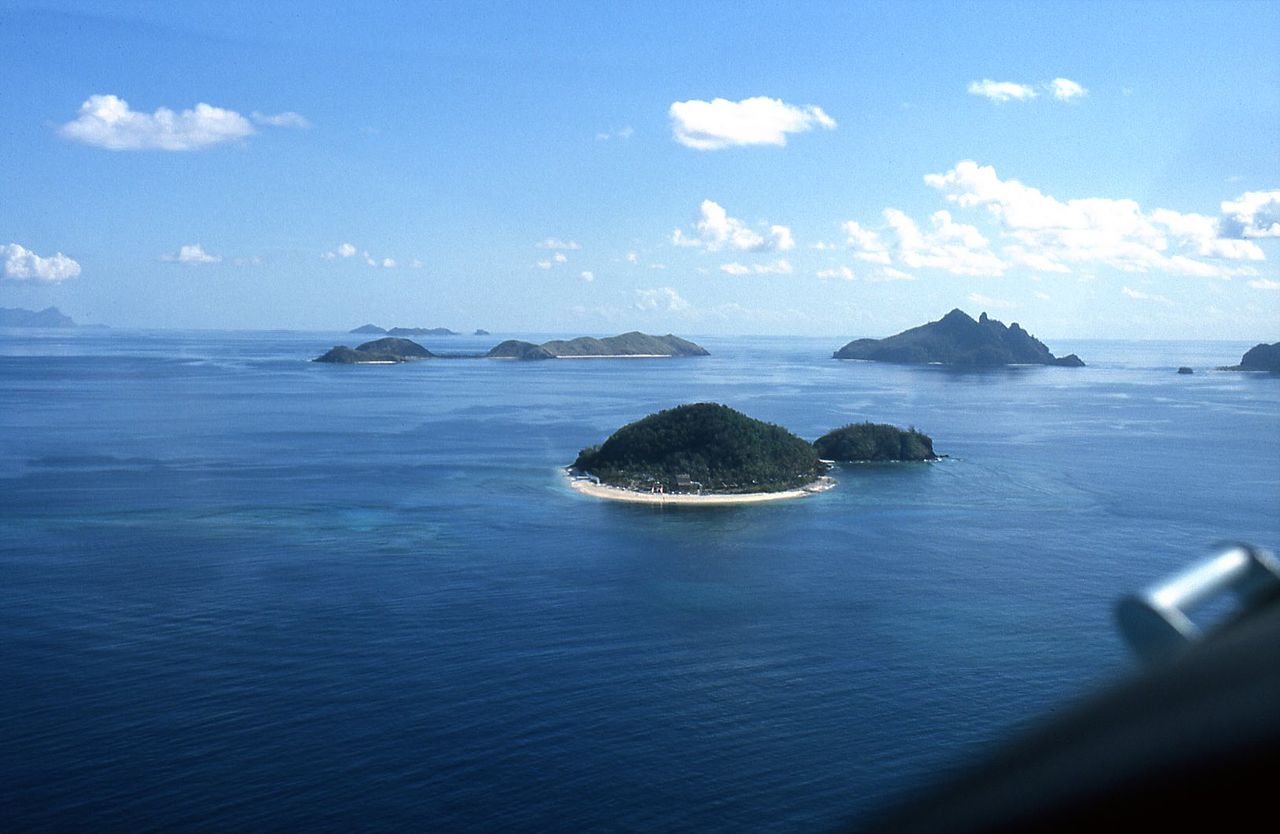
Fiji scatters more than three hundred islands across turquoise water so clear you can watch reef sharks glide beneath the hull, its soft-coral walls, thundering waterfalls, and open-sided bures wrapped in a warmth that has less to do with the climate than the welcome itself.
A boat drops you at a sinkhole entrance in the Yasawas; duck through a submerged passage into a second chamber lit only by a shaft of daylight.
Fiji's third-longest barrier reef sits a short boat ride from Malolo Island, its coral bommies thick with parrotfish, clownfish, and the odd reef shark.
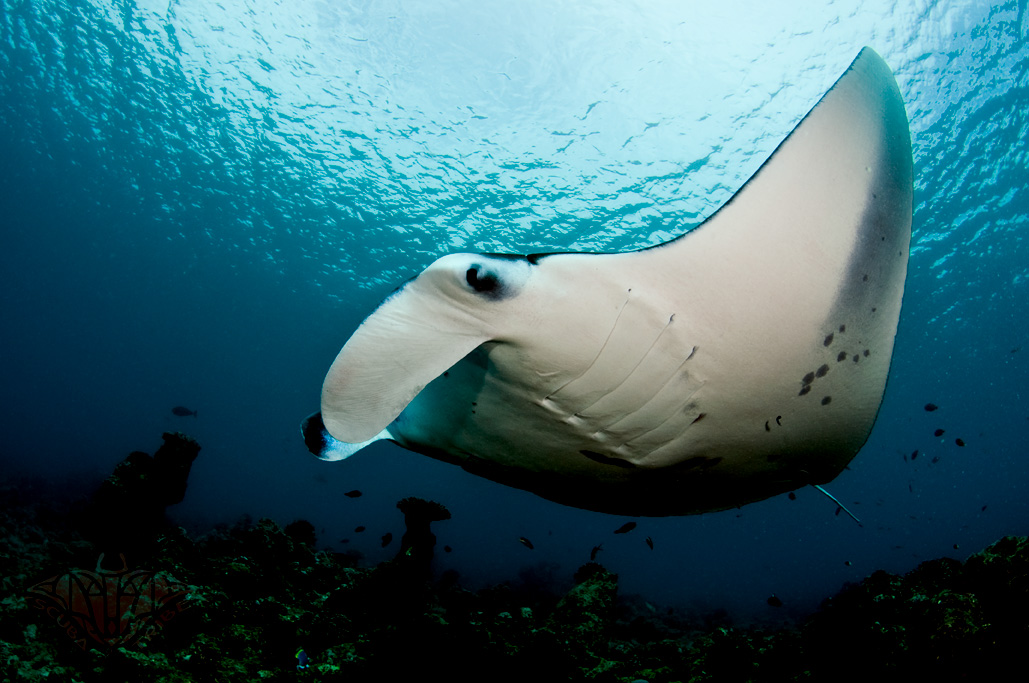
Between May and October, manta rays feed in the channel off Drawaqa Island; spotters signal boats the moment a wingspan breaks the surface.
Jet boats power upriver past sugarcane fields and sheer canyon walls to a highland village for a kava welcome, then return in a spray of white water.
Bull sharks, tawny nurse sharks, and the occasional tiger shark circle a feeding site off Pacific Harbour, watched from a coral amphitheatre by certified divers.
A guided walk through a Coral Coast village of the same name ends at a 25-metre waterfall pool cool enough to justify the humid approach.
Volcanic mud pools beneath the Sabeto mountain range near Nadi are said to cleanse the skin; rinse off after in adjoining warm mineral pools.
Glass-calm water before the trade winds pick up makes this the best hour to paddle out from the beach, reef fish visible through the board.
One of the smallest inhabited Mamanuca islands, circled in fifteen minutes on foot, with a beach bar, snorkel gear, and a banana boat for the afternoon.
A two-storey pontoon anchored between islands serves wood-fired pizza and Fiji Gold beer, with a rooftop deck for spotting passing yachts and turtles.
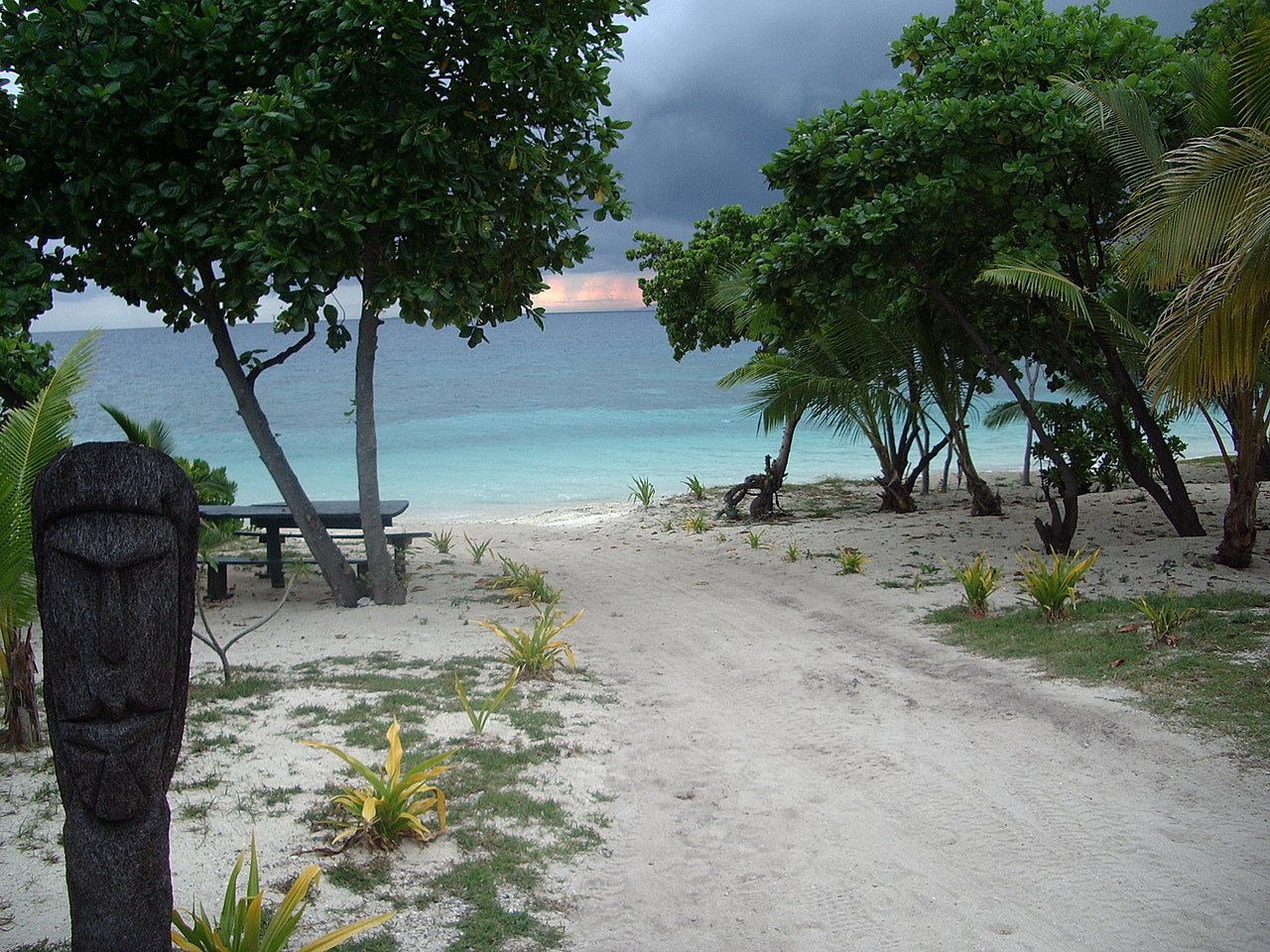
Filmed here decades ago, this crescent of white sand and impossibly saturated water off Nacula Island still lives up to the name that made it famous.
Fiji's first national park protects wind-sculpted dunes up to 60 metres high, laced with archaeological sites and pottery shards over 2,600 years old.
Raymond Burr's former orchid collection near Nadi holds shaded lily ponds and jungle boardwalks beneath the ridgeline that gives the garden its name.
A Coral Coast sanctuary for hawksbill turtles, banded iguanas, and Pacific boas, with boardwalks through rainforest enclosures built for rehabilitation, not display.
Mounds of kava root, tropical produce, and woven mats fill this two-storey market, the best place to buy yaqona for a village visit.
Saturday afternoons on the Coral Coast often mean a barefoot village rugby match on a patch of grass, spectators and players separated by nothing but the sideline.
Upriver from Pacific Harbour, a chief's welcome ceremony involves clapping, a shared bowl of yaqona, and stories about a village life still built around the river.
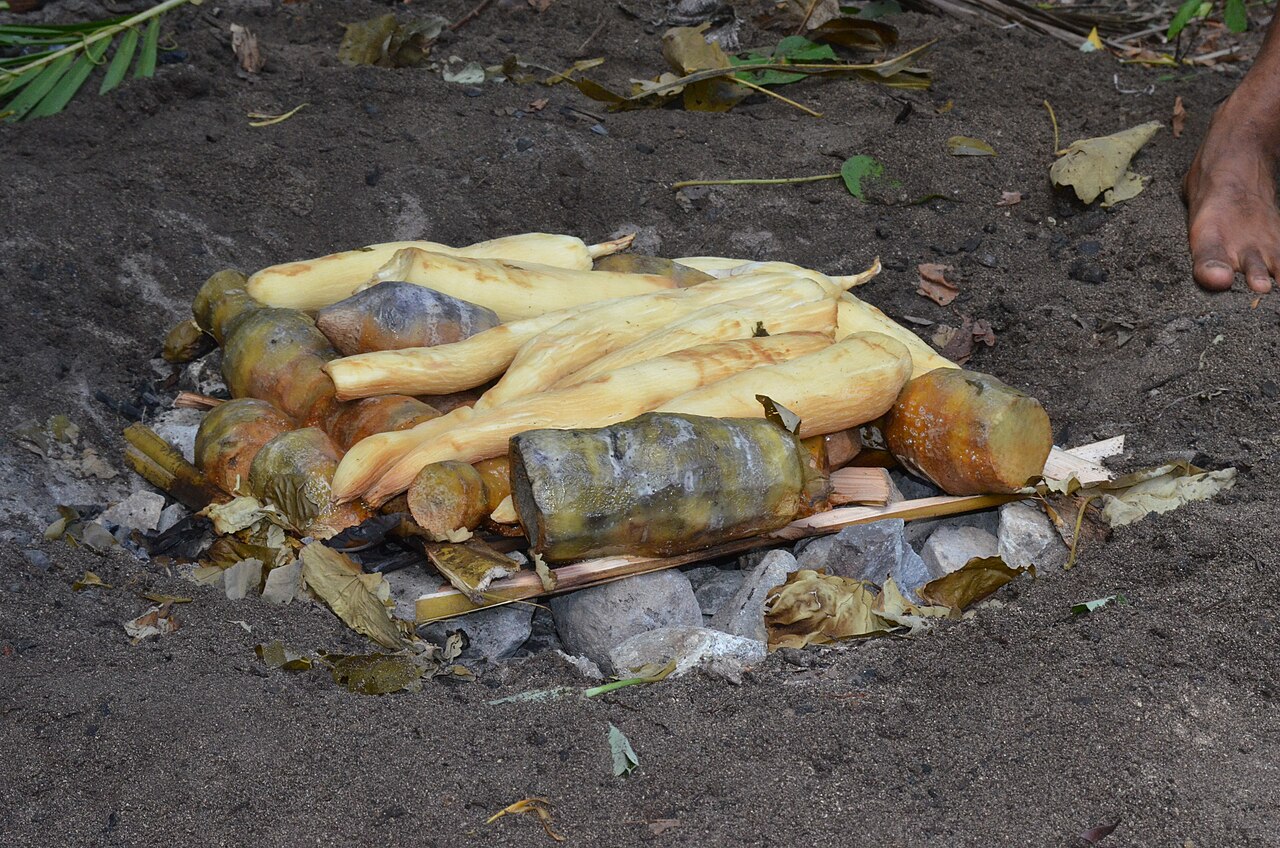
Pork, fish, and root vegetables wrapped in banana leaf and smoked for hours in a pit of hot volcanic stones, unwrapped tableside at sunset.
Firelit drumming and chanted meke performances retell island legends through dance, usually staged after a lovo feast at coastal resorts along the Coral Coast.
Descendants of the Sawau tribe of Beqa Island walk barefoot across white-hot stones, a ritual said to have been granted by a spirit god centuries ago.
A catamaran slips out past the Denarau marina as the sky turns from gold to violet over the Mamanuca silhouettes, a glass of bubbles standard issue.
A resort boat drops you on an exposed sandbar after dark, no lights for miles, the Southern Cross and Milky Way doubled in the shallow water.
The floating bar's rooftop clears out by late afternoon into a DJ-soundtracked sunset session, cocktails in hand as the water shifts through every shade of blue.
Resort staff build a driftwood fire on the sand and trade island legends and guitar songs long after the last course of dinner is cleared.
An entire private island of overwater villas and beachfront residences ringed by its own reef, with a spa built into the hillside jungle above the lagoon.
Thatched-roof pool villas run on solar power and rainwater, each with a plunge pool facing a lagoon so clear the reef is visible from the deck.
Fiji's first overwater bures sit on stilts above a private lagoon, adults-only and screened from the mainland-facing beach villas by a headland.
A sweeping horizon pool overlooks one of Fiji's best mainland beaches, with an 18-hole golf course and spa built into the headland behind it.
Rates change — check the live price.
Photography shows the dishes and cuisine — representative, not from the restaurants themselves.
Reef fish, Fijian lobster, and lagoon views define this Denarau institution; ask for a table on the deck at low tide for the best light.
Contemporary Fijian dishes built around root vegetables and reef fish are served with the Momi Bay coastline as an uninterrupted backdrop.
Teppanyaki chefs put on a knife-flipping show tableside; the tiger prawn and Fiji beef combo is the order regulars swear by.
Fiji's large Indo-Fijian community shows in menus like this one; the fish curry and roti here outclass most resort buffets at a fraction of the price.
A relaxed courtyard restaurant blending Fijian, Indian, and Pacific Rim flavours, popular for long lazy lunches between airport transfers.
Perched on the tip of the peninsula — grilled catch of the day and a cold Fiji Gold with the same Mamanuca sunset the old beach shacks used to sell.
Clap once before accepting the bowl, drink it in a single go, and clap three times after; sevusevu gifts of yaqona root are expected when visiting a village.
Boat and seaplane transfers to the Mamanuca and Yasawa Islands run on fixed schedules and fill up in the July-September peak, so confirm before you land.
Cover shoulders and knees and remove hats when entering a village; a sarong (sulu) packed in your day bag covers most situations.
Fiji's soft-coral reefs are unusually fragile; oxybenzone-based sunscreens are discouraged at most resorts and some dive operators will ask to check before you enter the water.
Outer islands and village stalls often have no card facilities or change for large notes, so break bills down in Nadi before heading out.