Hike
Lēʻahi (Diamond Head) Summit Trail
A 0.8-mile switchback climb inside a 300,000-year-old tuff cone, through WWII bunkers and a lit tunnel, to a rim view over the whole Waikīkī reef.
Reef, Ridgeline & Rolling Surf
An island of two tempos: Waikīkī's neon crescent under Lēʻahi's crater rim, and forty minutes away, green pali walls, empty windward sand, and a North Shore that turns from glass to giants between summer and winter.
A 0.8-mile switchback climb inside a 300,000-year-old tuff cone, through WWII bunkers and a lit tunnel, to a rim view over the whole Waikīkī reef.
A drowned volcanic crater turned marine preserve, open Wednesday to Sunday only. Watch the mandatory stewardship video, then wade into shallow, fish-thick water above living coral. Last entry 1:30pm.
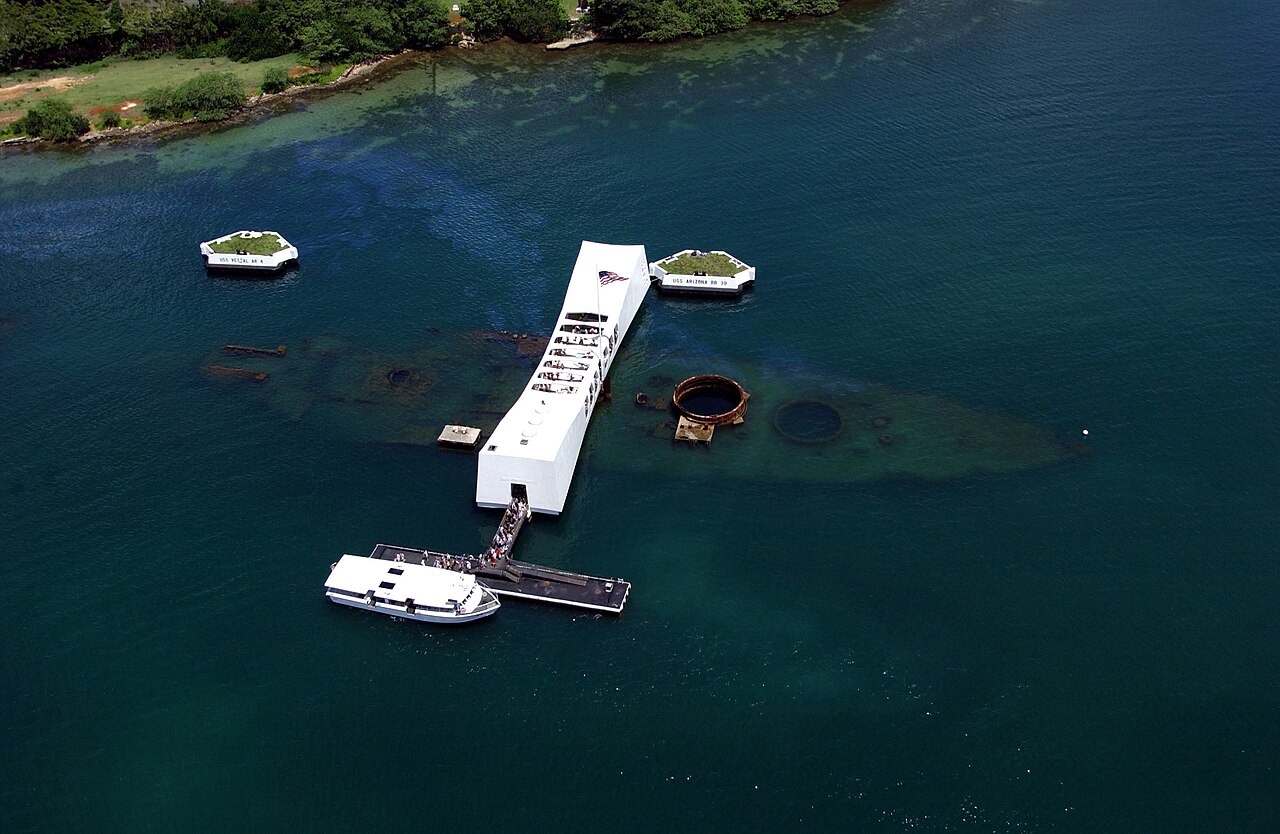
A boat shuttle to the white memorial straddling the sunken battleship, where oil still surfaces. Free timed tickets, and only clear bags get past security.
A short, steep scramble up a dry ridge behind Lanikai to two derelict WWII observation posts, timed so the Mokulua islets emerge out of a lightening sea.
Under half an hour from Waikīkī, a muddy mile through bamboo, banyan roots and hau tangle to a tall ribbon of water in a valley that rains most days. Paid lot at the trailhead.
An old railbed along the island's shadeless western tip to a predator-fenced seabird sanctuary. Laysan albatross nest here roughly November to July; monk seals sometimes haul out.
Waikīkī's gentle, slow-breaking reef waves are where surfing was taught to the world. Morning water is glassiest; beachboy stands line the sand beside the Duke statue.
Hawaiʻi's state museum of natural and cultural history: three galleried floors of a koa-lined Victorian hall holding featherwork, kiʻi and royal heirlooms, plus a planetarium.
A working cattle ranch under fluted Koʻolau cliffs. The Jurassic Adventure tour runs two and a half hours through Kaʻaʻawa Valley — backdrop to Jurassic Park and much else.
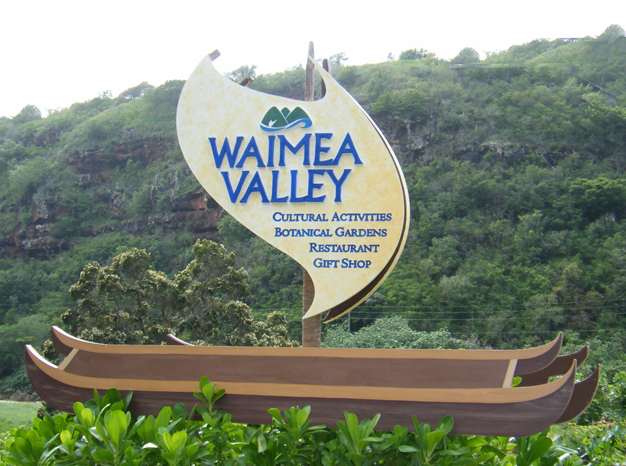
A paved mile through a botanical collection and restored Hawaiian living sites to a 45-foot waterfall with a lifeguarded swimming pool at its base.
Plantation-era storefronts turned surf shops, galleries and food trucks. Matsumoto's has been shaving ice here since 1951; expect a queue out the door.
The only royal palace on American soil, and the room where Queen Liliʻuokalani was imprisoned after the 1893 overthrow. Docent tours; the basement galleries hold the regalia.
A 45-minute paddle from Kailua Beach across turquoise flats to Moku Nui, the only islet you may land on. Trade winds build after noon — go with an outfitter.
The gap where Kamehameha I won Oʻahu in 1795, with wind that can hold you upright, then a replica Kyoto temple set against the same green wall.
Free open-air hula and live Hawaiian music on the stone mound beside the Duke Kahanamoku statue, Tuesday and Saturday evenings at 6:30. Bring something to sit on.
Halekulani's open lawn under a century-old kiawe tree, where a hula dancer performs to a live trio from 5:30 nightly while Lēʻahi turns pink behind the palms.
A twisting drive up Tantalus to a grass terrace above the whole southern shore, from Pearl Harbor to Lēʻahi. The gate shuts at 7:45pm in summer, 6:45pm in winter.
A cast of a hundred from across Polynesia, fire knife and all, in Lāʻie's big evening theatre at 7:30. The centre is closed Sundays and Wednesdays; packages include the buffet.
Honolulu's oldest quarter: markets by day, chef-driven rooms and dive bars by night. On the first Friday of each month galleries along Nuʻuanu open late.
Sunset Beach and ʻEhukai face straight west. Summer brings flat, swimmable water; from November the same sand fronts head-high-plus surf best watched from dry land.
Hilton Hawaiian Village fires a short display over Duke Kahanamoku Lagoon on Friday evenings, around 8pm in summer. The beach path from Fort DeRussy is a free grandstand.
Serene, white-on-white and beachfront, with the orchid-mosaic pool and House Without a Key on the lawn. The quietest luxury on a very loud stretch of sand.
The 1927 Pink Palace of the Pacific, still fronting the best swimming water in Waikīkī, its Spanish-Moorish wing screened by a coconut grove.
Adult and family pools kept firmly apart, a calm man-made lagoon out front, and the leeward coast's dependable sunshine 40 minutes west of the airport.
The only full resort on the north coast, reflagged from Turtle Bay in 2024: five miles of shoreline trail, two golf courses, and calm Kawela Bay when winter surf closes the rest.
Rates change — check the live price.
Photography shows the dishes and cuisine — representative, not from the restaurants themselves.
A James Beard America's Classic serving pipikaula short ribs, laulau and squid lūʻau since 1946. Open Tuesday to Friday only, and worth the drive inland.
The Le family's modern Vietnamese room, moved from Chinatown to Civil Beat Plaza on Waialae Avenue in 2025 — pho French dip, laksa, island produce. Closed Mondays.
Anthony Rush cooked at Per Se and The Fat Duck before opening this narrow King Street storefront. Book the chef's counter for the tasting; the dining room is easier.
Wade Ueoka and Michelle Karr-Ueoka refine local plate-lunch memory — mochi-crusted opakapaka, oxtail soup — in the Velocity building, and finish with Honolulu's best desserts.
The graffitied original of the North Shore shrimp trucks. Twelve garlic-butter shrimp and two scoops of rice, eaten at a picnic table in old sugar country.
Fresh fish above the small-boat harbour beside the Rainbow Bridge, open since 1998. Dinner nightly from 4:30, lunch Friday to Sunday — the reliable sit-down meal up north.
Out-of-state visitors must book an entry slot and parking online before arriving — walk-ups are turned away. Slots open 30 days out and fill fast.
Reservations go live online at 7am two days before your visit and sell out within minutes. Non-residents pay $25; parking is separate and limited.
USS Arizona Memorial slots are free on Recreation.gov with a $1 booking fee, released 56 days ahead at 3pm Hawaiʻi time. Only clear bags clear security.
North Shore is glassy and swimmable roughly May–September and dangerous November–February; the south shore does the reverse. Follow lifeguard flags, not photos.
Hawaiʻi bans sale of oxybenzone and octinoxate sunscreens. Also keep 10 feet from honu (sea turtles) and 50 from monk seals — it is federal law.