Hike
Kīlauea Iki Crater Loop
Four miles down through dripping fern forest, then straight across the floor of a 1959 lava lake — still cracked, still venting steam from its seams.
Black Lava, Green Valleys & Open Ocean
The youngest and largest Hawaiian island, still building itself. Fresh lava fields run down to white and black sand, coffee grows on the volcano's flank, and the sky above Mauna Kea is among the clearest anywhere.
Four miles down through dripping fern forest, then straight across the floor of a 1959 lava lake — still cracked, still venting steam from its seams.
Greenwell Farms in Kealakekua runs free walking tours through the orchards, explaining the wet mill and the cupping, before the pot at the end.
Fair Wind II leaves Keauhou Bay mid-morning for the marine reserve below the Captain Cook monument — deep, glassy water thick with butterflyfish and often spinner dolphins.
Half a mile of pale sand on the dry Kohala coast, with a shore break that gets serious in winter. Non-residents pay $5 each plus $10 parking, card only.
A short paved circuit through bamboo and heliconia to a 442-foot ribbon dropping into a mossy gorge above Honomū. Wet underfoot most mornings; card-only entry.
Downtown Hilo at Mamo and Kamehameha: rambutan, apple bananas, ulu, orchids and poi by the bag. Busiest and biggest on Wednesday and Saturday.
The end of the road in North Kohala, cliffs stacking into haze. A steep, rooty switchback drops to black sand. Barely a dozen parking stalls — come before nine.
Nineteen miles from rainforest to sea, crossing decades of lava flows that buried the road itself, ending at the Hōlei Sea Arch on a black cliff.
Ground basalt sand backed by coconut palms in Kaʻū. Green sea turtles often haul out to bask here — stay well back; they are legally protected.
The rim overlook above the Valley of the Kings — taro terraces, a black beach, cliffs beyond. The access road itself is closed to visitors.
A restored place of refuge on a lava shelf: carved kiʻi, a great mortarless wall, canoe hale and tide pools. Rangers explain the kapu system it served.
A boardwalk descends a ravine on the Onomea scenic route past palms, gingers and a waterfall to a rocky bay. Humid, dense, wonderfully overgrown.
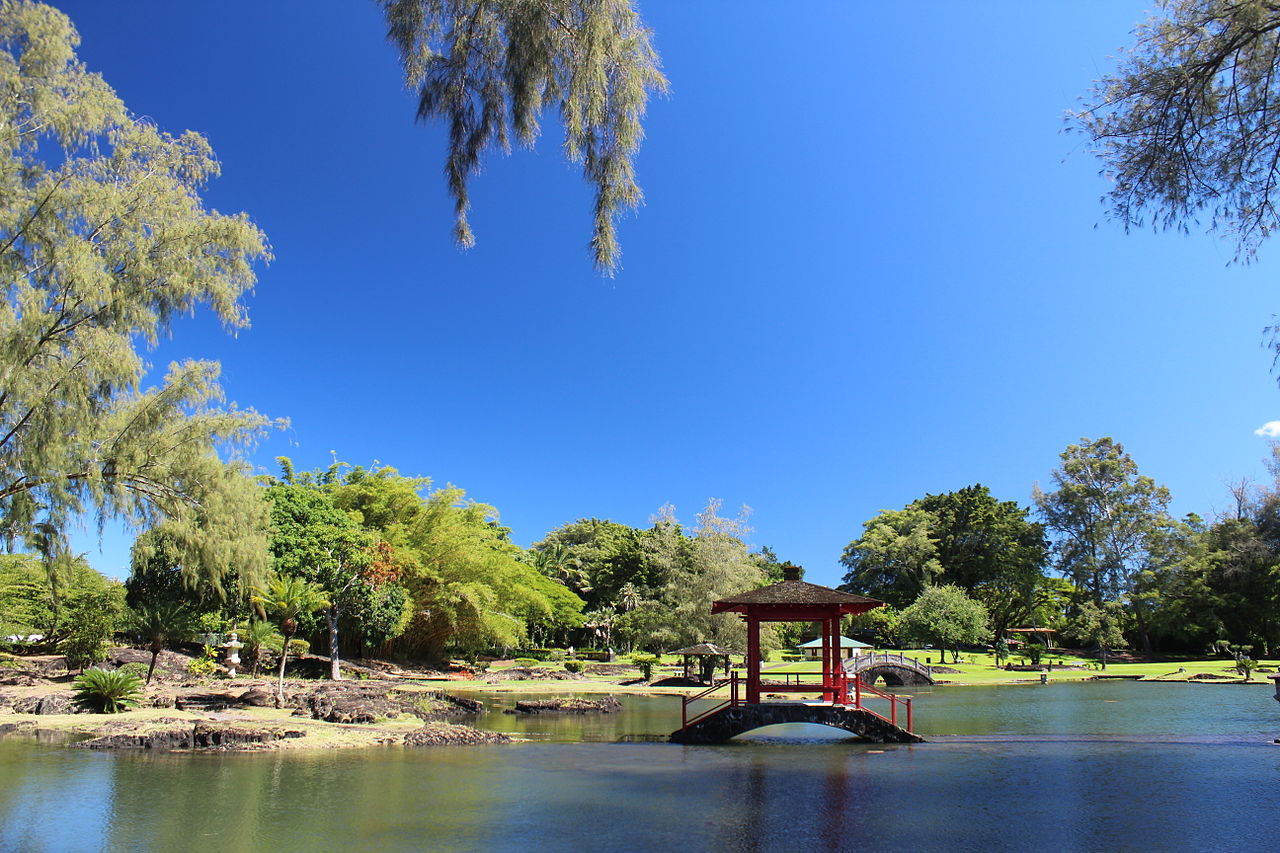
A Japanese garden on Hilo Bay with stone lanterns, arched bridges and a teahouse, plus the footbridge out to Coconut Island for the view back.
Kamehameha I built this vast stone platform above Kawaihae in 1790–91 to fulfil a prophecy of unifying the islands. Free, exposed and quietly enormous.
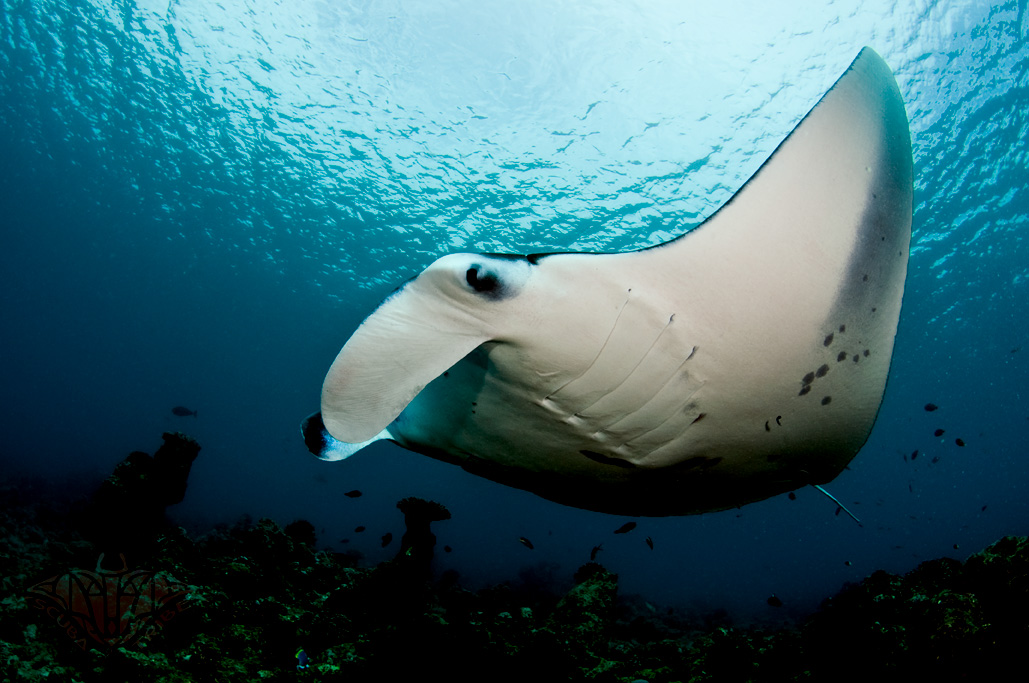
Boats run after dark from Honokōhau and Keauhou to lit stations where plankton gathers and mantas come to feed. Wild animals — sightings are likely, never guaranteed.
The visitor station at 9,200 feet is open till 9pm and sits above the cloud layer. Rental contracts forbid driving higher; its telescope nights are monthly and book out.
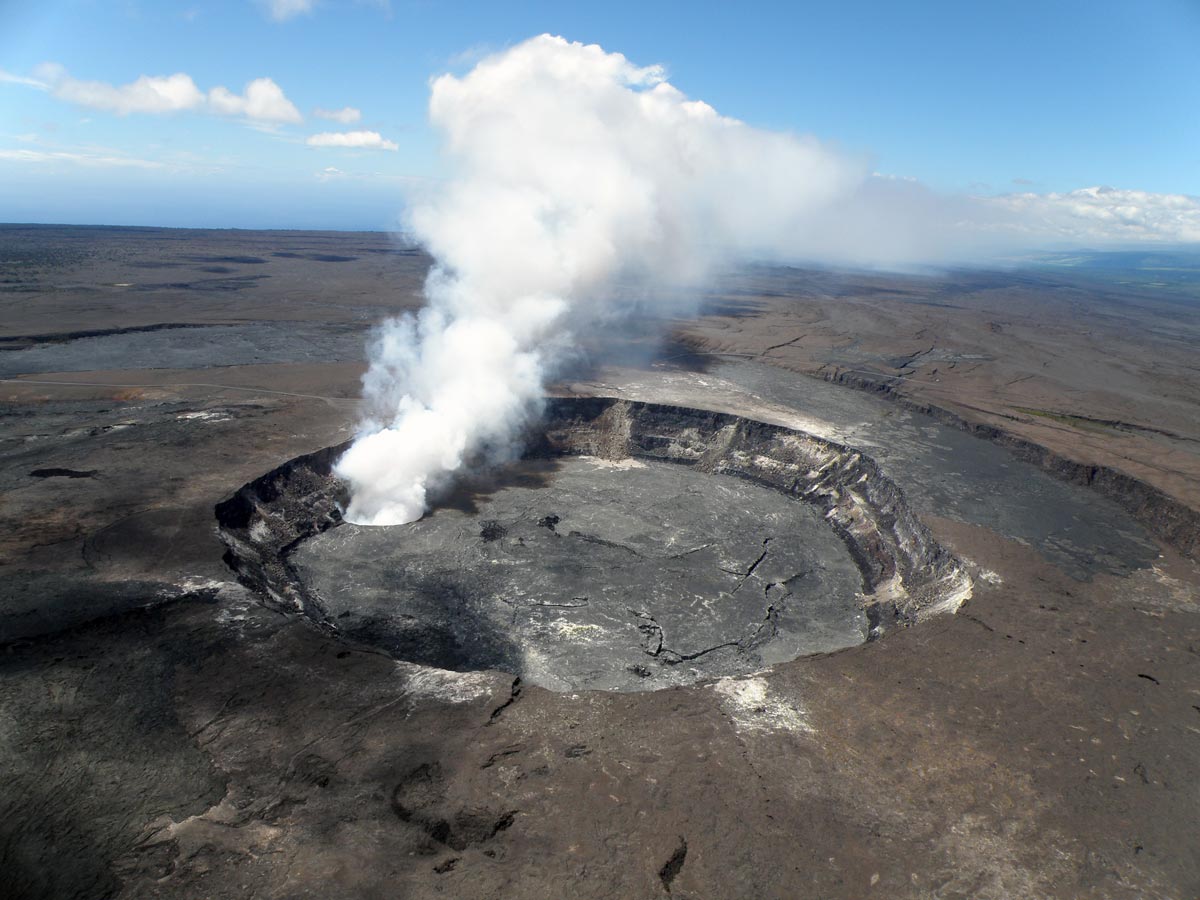
Uēkahuna and Kīlauea Overlook face Halemaʻumaʻu. Kīlauea has been fountaining in episodes lasting hours, weeks apart — glow is possible, never scheduled. Check USGS that day.
The Kailua-Kona seawall past Mokuʻaikaua Church and Huliheʻe Palace, with the sun dropping straight into the channel and shave ice all along the way.
The original brewpub on Pawai Place, open till nine, with a shaded lanai, wood-fired pizza and tank-fresh beers that never leave the island.
On the royal grounds of King Kamehameha's Kona Beach Hotel beside the pier — imu ceremony, kālua pig, hula and Polynesian dance. Tuesdays, Thursdays and Sundays only.
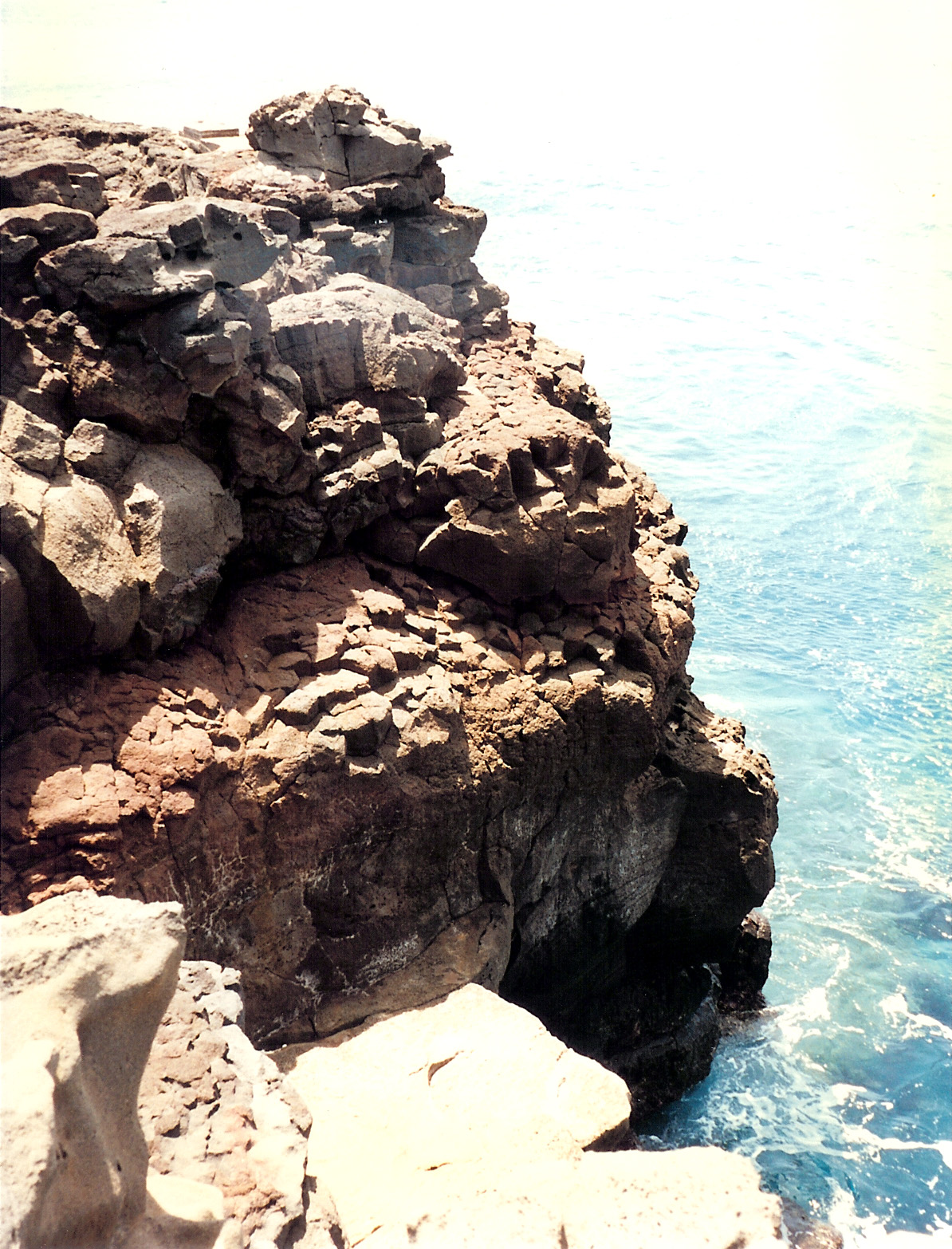
The southernmost land in the United States: wind-bent grass, mooring holes drilled by ancient fishermen, and cliffs dropping into a hard blue current. Nothing south but ocean.
Low-rise bungalows in black lava and palm at Historic Kaʻūpūlehu, with seven pools including a spring-fed saltwater one cut into the reef rock.
Rebuilt and reopened in 2020 beside ancient fishponds and a petroglyph field, with an open-sided lobby framing Makaiwa Bay and Hualālai behind.
The only lodging inside the national park, perched on the caldera rim. Crater-view rooms are worth the premium; book months ahead.
A cedar house on a working coffee estate 1,400 feet above Kona, with a rooftop gazebo, six rooms, and the whole coastline laid out below.
Rates change — check the live price.
Photography shows the dishes and cuisine — representative, not from the restaurants themselves.
Peter Merriman's original 1988 dining room, the founding address of Hawaiʻi Regional Cuisine — wok-charred ʻahi and Kahuā Ranch lamb from the paddocks outside.
A tiny Kamehameha Avenue kitchen doing sharp, market-led small plates — whatever the boats brought in, cooked simply. Very few tables; reserve or wait.
Kona's benchmark poke, plus fresh-fish plates and bowls in a proper sit-down room on Queen Kaʻahumanu Highway. Order the poke sampler and split it.
The only restaurant inside the park, its windows facing Kīlauea caldera. Come for the view and the sunset timing as much as the plate.
In the coffee village above Kona, a garden courtyard serving local produce and Kona coffee among the art galleries. Daytime and early evening only.
A family kitchen on Māmalahoa Highway since 1992, making pork laulau, kālua pig and haupia the old way. Lunch only, 10 to 3, closed Tuesday and Sunday.
The island is bigger than all the others combined; there is no useful transit. Book a rental early, and expect two hours Kona to Hilo.
Kīlauea's eruptions start and stop without warning. Read the USGS observatory status the morning you go. Park entry is $30 a vehicle for seven days, card only.
The summit road needs 4WD and rental contracts forbid it; the visitor station at 9,200 feet does not. Skip the altitude within 24 hours of scuba diving.
Since 2022 the valley access road has been restricted to residents. The lookout above it is open, free and worth the drive on its own.
Hawaiʻi law bans sunscreens with oxybenzone or octinoxate. Buy mineral zinc before you snorkel, and bring a rash guard for the boats.