View
Valensole lavender plain at sunrise
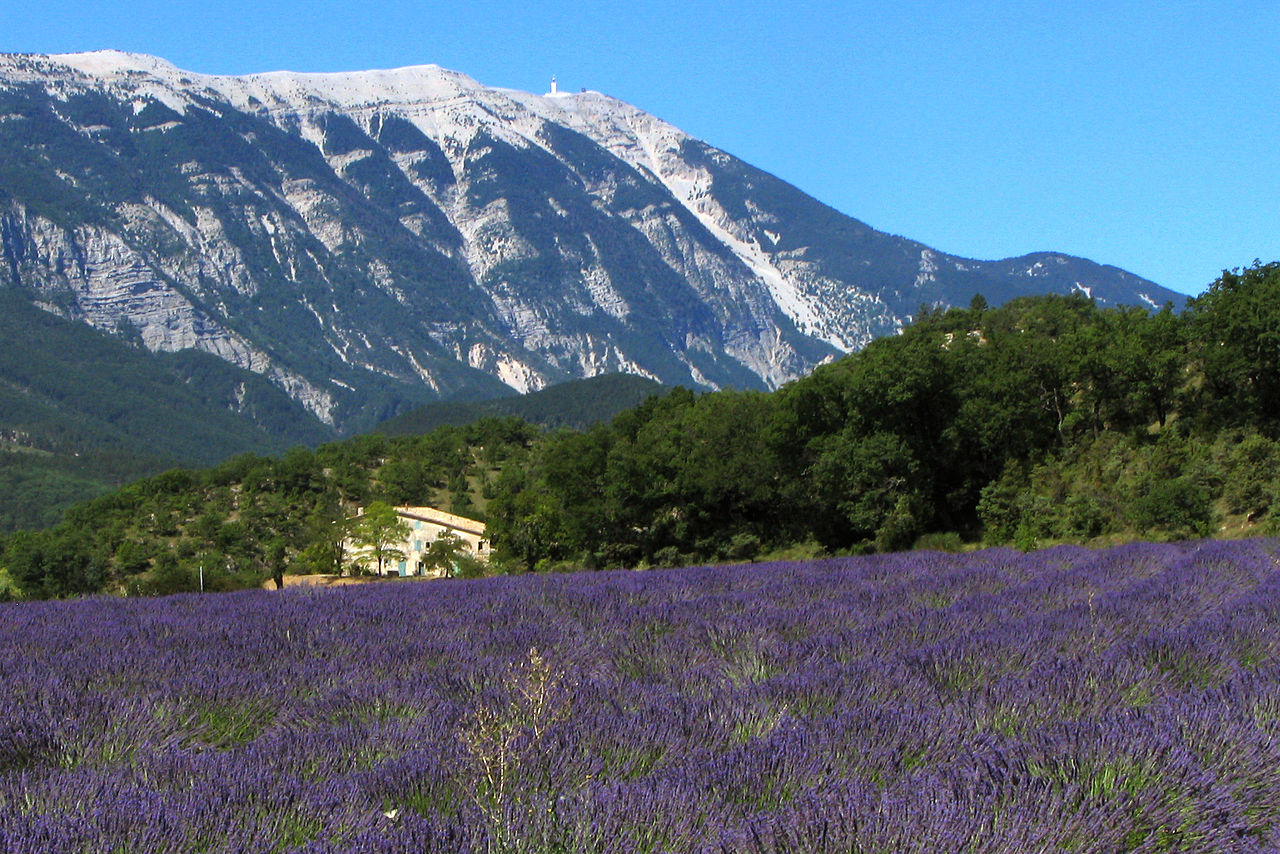
Drive to the Valensole plateau before the sun has cleared the ridge — the colour is most saturated in the first light, bees already at work, and the air carrying that dense purple scent for miles.
Sous le Soleil de Provence
Limestone villages the colour of old honey cling to Luberon ridgelines above valleys stitched with lavender and vine, and the light that made Cézanne paint the same mountain forty-four times still falls exactly as it always has.
Drive to the Valensole plateau before the sun has cleared the ridge — the colour is most saturated in the first light, bees already at work, and the air carrying that dense purple scent for miles.
The stacked stone village needs to be explored before the coaches arrive; take the road down to the Renaissance château and then back up through the narrow vaulted lanes to the square for a café.
The wind-scoured Alpilles ridge holds a ruined medieval citadel with catapults, towers, and a view from the Camargue to the Alps — plan a morning and stay for the Carrières de Lumières light show below.
The largest Gothic palace in Europe, built when the papacy relocated from Rome — the scale of the Clementine chapel and the frescoed state rooms is genuinely astonishing once you are inside.
One of Provence's great markets spreads through the old town every Saturday — the candied fruit stalls alone (Apt is the crystallised-fruit capital of France) justify the early alarm.
The 12th-century Cistercian abbey set among lavender fields that photograph as a postcard cliché — and still take the breath away in person, especially if you arrive for morning prayers.
Plane-tree shade and mossy fountains line Cézanne's old promenade, its stalls of lavender soap and cheese busiest and freshest in the early hours.
The greatest appellation of the Southern Rhône keeps tasting rooms in the medieval village around the ruined papal summer castle — two or three domaines on foot makes a perfect afternoon.
The turquoise river running through Europe's deepest canyon is paddled in sections from La Palud, with limestone walls rising to 700 metres and the water impossibly clear beneath the boat.
A hillside settlement of dry-stone corbelled huts built by local farmers mostly in the 17th and 18th centuries — restored and explanatory, still mysterious in the afternoon sun above the Luberon valley.
The three-tiered Roman aqueduct spanning the Gardon river is 50 metres high and 2,000 years old; swim in the river directly beneath it for a perspective the Romans never intended.
The village built from and on 17 shades of ochre cliff — walk the signed Sentier des Ocres through the eroded canyon where the powdered earth dyes your shoes orange.
The Moulin du Mas des Barres below Les Baux presses its own trees and runs short tours through the harvest and tasting — the difference between a November-pressed oil and a supermarket bottle is explained in the first sip.
A disused limestone quarry near Les Baux becomes a cavernous screen for immersive projections of great paintings, music swelling through chambers cut a century ago.
The Gordes bar terraces face west, and on a summer evening the Luberon plateau goes through a full spectrum from gold to rose to grey — best experienced with a pastis and absolutely nowhere to be.
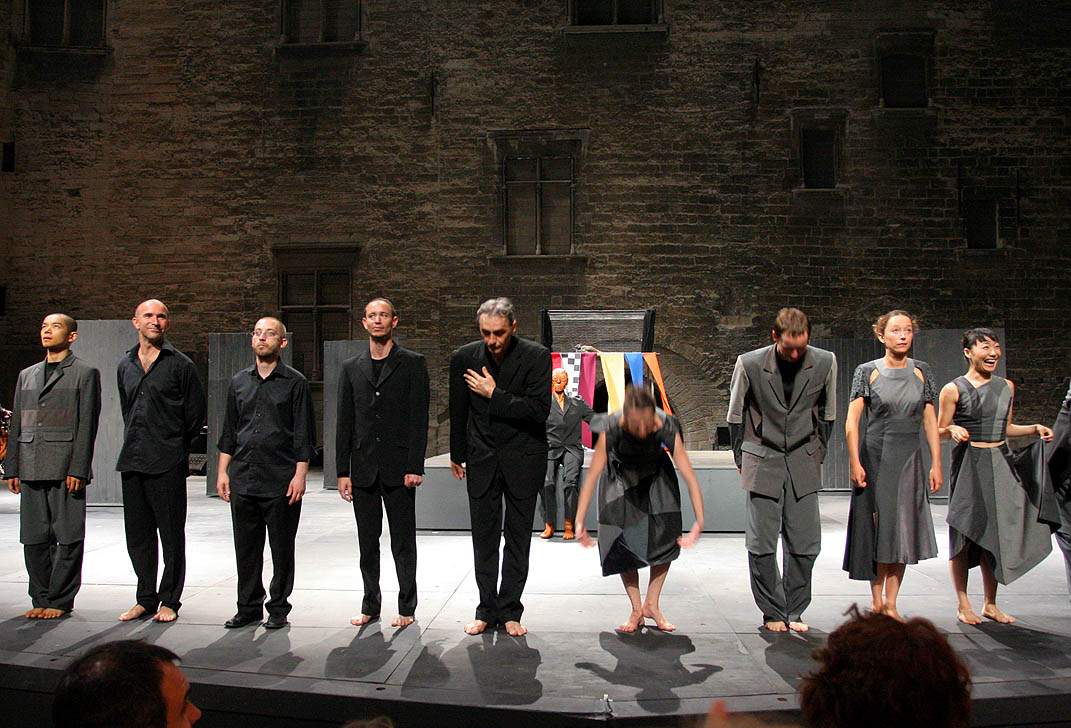
July's Festival d'Avignon transforms the city into a stage — the Cour d'Honneur of the Palais des Papes is the marquee venue, but the off-programme uses every courtyard, chapel, and car park in the city.
Dinner at a converted farmhouse among the vines — daube de boeuf, a Ventoux Blanc, and the cicadas still going as the candles come down the table — is the distillation of what Provence promises.
The Luberon Natural Park has almost no light pollution; drive to a ridge above Bonnieux on a new-moon night and the Milky Way appears in a way that urban travellers genuinely have not seen before.
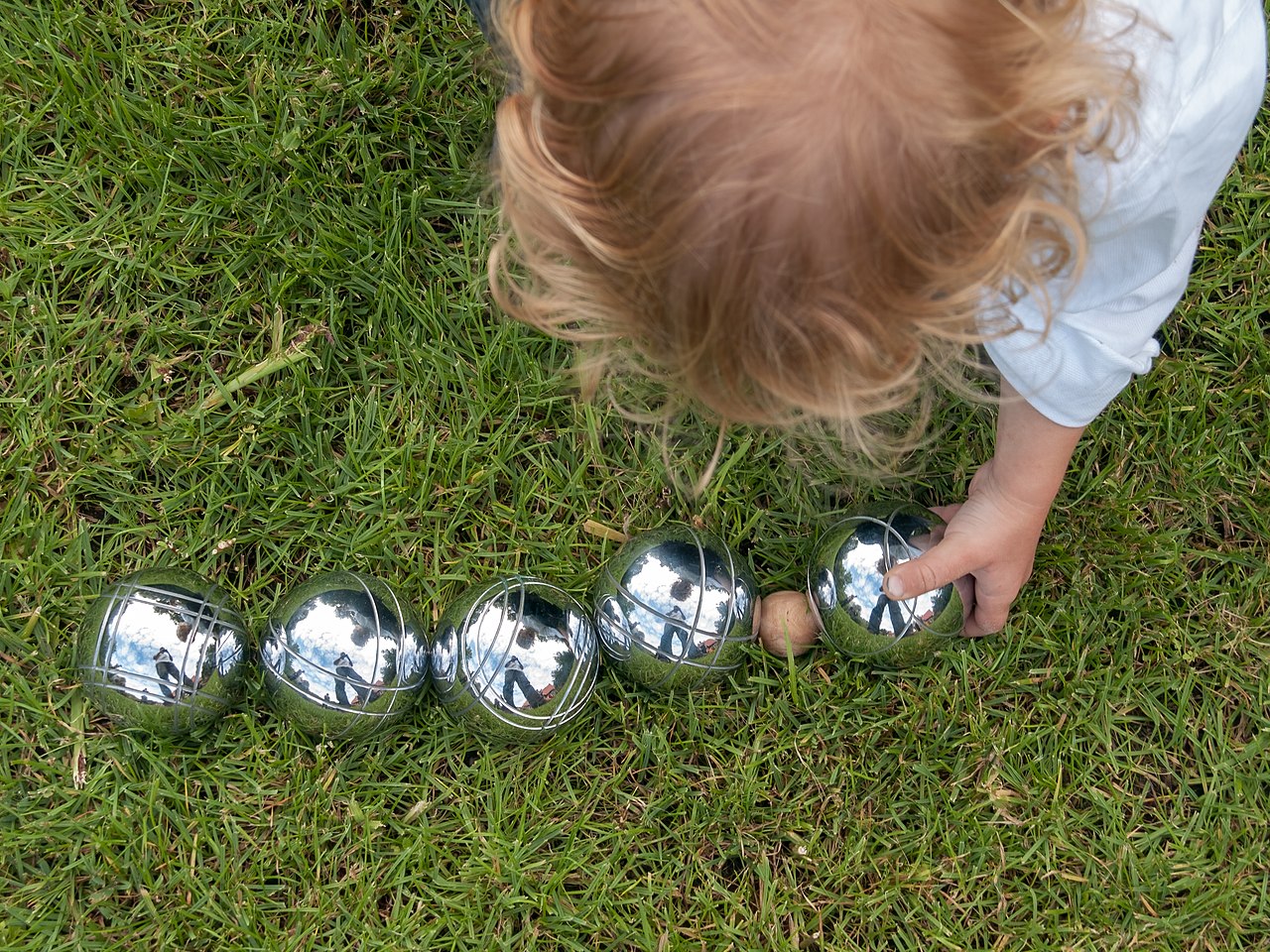
As the heat breaks, village squares across Provence fill with the click of steel boules and the anise scent of pastis. Watching, or joining, is one of the region's simplest evening pleasures.
Aix's summer Nuits d'Aix strings lights over Cours Mirabeau stalls of jewellery, soap, ceramics, and calissons beneath the plane trees. It has the unhurried air of a town settling in for the night.
Come in the château's final opening hour, once the day-trip buses have gone and the ruined citadel empties out. Golden light only lines up with closing in winter; in summer, come for the quiet.
Nestled beneath the chalk-white limestone cliffs of Les Baux, this legendary three-Michelin-star retreat has welcomed De Gaulle and Queen Elizabeth — the chef's kitchen garden supplies almost every element of the evening tasting menu.
Overlooking the golden ramparts of Gordes, Provence's most beautiful village, this 16th-century bastide has been transformed into a temple of Luberon luxury with an infinity pool suspended above a valley of dry-stone bories.
A walled Italianate villa fragrant with lavender and jasmine a leisurely stroll from the Cours Mirabeau, where hand-crafted Toile de Jouy fabrics, afternoon pastis on the terrace, and exceptional Aix market cuisine embody Cézanne's Provence perfectly.
A Relais & Châteaux farmhouse surrounded by six acres of lavender and rose gardens where Yves Saint Laurent once took his rest, offering a holistic spa, refined Provençal cuisine, and the kind of fragrant silence that money rarely buys.
Rates change — check the live price.
Photography shows the dishes and cuisine — representative, not from the restaurants themselves.
Two Michelin stars in the Alpilles village — cuisine drawing directly from the kitchen garden, cellar of 100,000 bottles, and rooms if the drive back seems unwelcome.
Young chef cooking modern Provençal in a 17th-century townhouse — one Michelin star, no dress code, and the best pigeon in the department.
Lunch in the vineyard courtyard of one of the appellation's oldest estates — the menu pairs each course with the appropriate bottle from the château.
A few doors from where Les Deux Garçons once held court, this cours Mirabeau institution keeps the ritual alive — a café crème on the terrace under the plane trees, watching Aix stroll by from morning coffee through the evening apéro.
Rhône Valley wines by the glass in the garden of a 14th-century cardinal's palace — the staff will guide you from Gigondas to Costières de Nîmes and back.
The finest boulangerie-pâtisserie in the Vaucluse, responsible for the definitive Berlingot candy and a morning croissant that sets the bar for the rest of the trip.
Provence's most beautiful villages and vineyards are inaccessible by train; a hire car unlocks the Luberon completely and lets you follow small roads through the lavender at your own pace.
Peak bloom runs late June through July depending on altitude; the Valensole plateau tends to be earliest, Sault and the higher fields a week later — check local harvest forecasts before booking.
The best domaine tables and village restaurants in the Luberon fill weeks ahead in summer; email in French if the booking form resists you.
Many smaller village restaurants, market stalls, and the Abbaye de Sénanque gift shop prefer cash — the nearest ATM may be a twenty-minute drive.
The great markets at Apt, Isle-sur-la-Sorgue, and Gordes are transforming places before 09:00 and noticeably busier — and hotter — once the morning mist has cleared.