Walk
Promenade des Anglais sunrise walk
The curve of the bay is almost unreal before the sun climbs — empty café chairs, pebble beach, and the entire Alps-Maritimes turned coral at the far edge.
Lumière sur la Côte
From the terracotta rooftops of Nice to Monaco's gilded harbour and the hidden coves of Antibes, the Riviera seduces with a quality of light that had Matisse and Picasso abandoning their northern studios and never quite recovering.
The curve of the bay is almost unreal before the sun climbs — empty café chairs, pebble beach, and the entire Alps-Maritimes turned coral at the far edge.
The covered and open market at the heart of Vieux Nice spills colour from every stall — socca vendors, herb sellers, and Niçois grandmothers shopping alongside each other in the morning cool.
Installed in a 17th-century Genovese villa above the city where Matisse spent his last decades, the collection shows the great experiments with colour and cut-outs in the building he loved.
The Sentier du Littoral hugs the limestone shore around the cap, passing fishing coves and sea-spray viewpoints accessible only on foot — the villa gates of the wealthy remain firmly to one side.
The principality is best at nine in the morning when the superyachts are moored in silence and the palace guards are changing on the Rock — walk from Port Hercule up to the old town before the Grand Prix crowds.
A twenty-minute ferry from Cannes brings you to a pine-scented island where the Man in the Iron Mask was imprisoned; the water around the fort is extraordinarily clear for swimming.
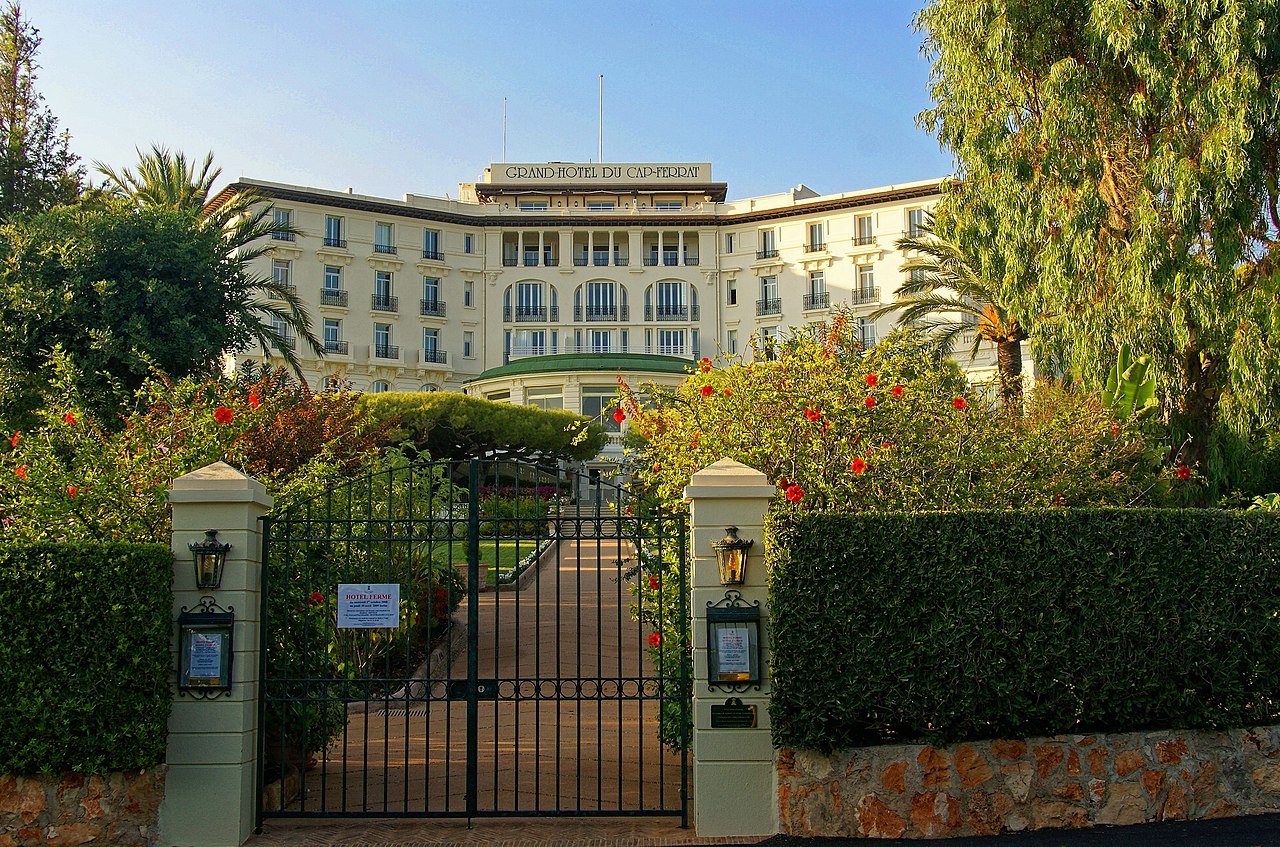
A pink Belle Époque villa sits amid nine themed gardens on a promontory between two bays, its fountains and topiary at their best before the cape fills with visitors.
A sun lounger at one of the private beach clubs on the Croisette — the Mediterranean at its bluest, chilled rosé, and the ritual of the Riviera afternoon played out exactly as it has been since the 1950s.
The medieval village balanced on a 400-metre needle of rock commands a panorama across Monaco to the Italian Ligurian coast — the cactus garden at the summit is a quiet reward after the steep climb.
Even non-gamblers should walk the gilded salons of Garnier's opera house-casino and then sit in the Café de Paris across the square watching the sports cars circle.
Picasso spent the autumn of 1946 in the Château Grimaldi overlooking the sea, producing an entire room of joyful Mediterranean paintings and ceramics that now form one of the best small museums on the Riviera.
The walled hill village that housed Chagall and Léger is now a circuit of serious contemporary galleries and the extraordinary Fondation Maeght, one of France's finest private art museums.
The hilltop town that supplies the noses of Paris lets you compose your own fragrance in a 90-minute workshop at one of the great parfumeries — Fragonard, Molinard, or Galimard are all excellent.
A covered market of olives, socca, and cut flowers gives way to narrow lanes and sea walls built to keep out Barbary raiders, now a quiet counterpoint to Cannes down the coast.
The pink dome of the Negresco is a Promenade landmark; its bar serves impeccable cocktails to a crowd of locals and guests watching the sun drop below the Esterel hills from the terrace.
Dress the part and try the minimum-bet tables in the ornate casino; the experience of the gold-leaf salons under Venetian chandeliers is worth the entry fee alone, regardless of what the chips do.
A table on a cobbled alley in Vieux Nice for bouillabaisse or pan bagnat and a carafe of Bellet white — the local table wine that almost never leaves the département.
The Jazz à Juan festival in July or an open-air concert at the Théâtre de Verdure means the Riviera summer evenings have a soundtrack that drifts across the water long into the night.
The pine-shaded seafront of Juan-les-Pins has drawn jazz musicians for decades, and informal sets still spill from its bars on warm nights. It is a low-key way to spend an evening between beach days.
The coastal path around this pine-covered peninsula offers a string of sea views that turn gold and pink as the sun drops. Villa lights begin to flicker on among the trees as you walk back.
Vieux Nice's tight lanes hold a handful of kitchens still making the saffron-scented fish stew the slow, traditional way. It is a rich, unhurried dinner best paired with a chilled rosé.
The mythological address of the Côte d'Azur since 1870, where Fitzgerald wrote, Picasso painted, and royalty arrives by superyacht — the saltwater infinity pool blasted from Antibes granite is the most famous swimming pool in Europe.
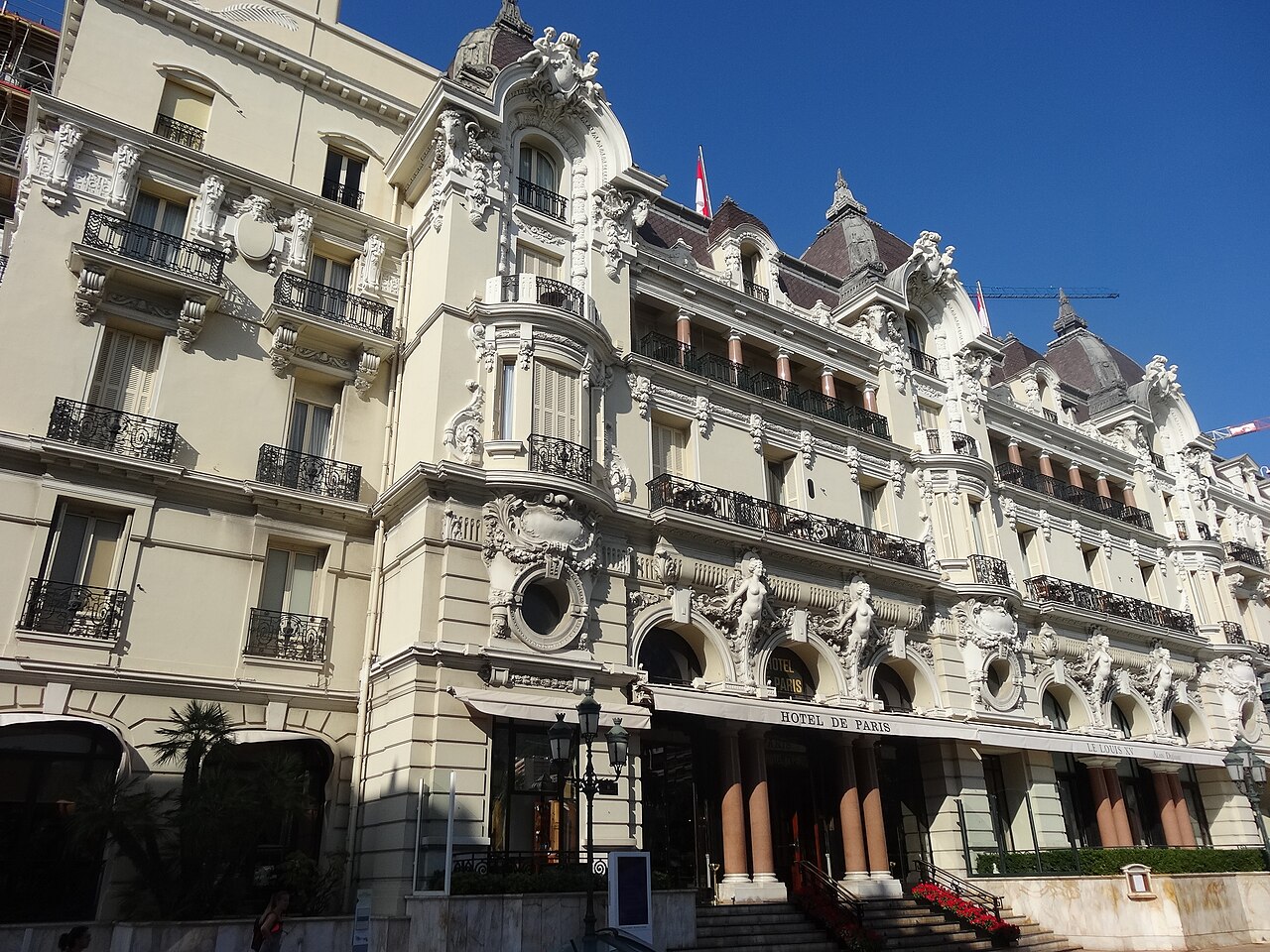
Rising above the casino that Napoleon III commissioned, its three-Michelin-star Louis XV restaurant by Alain Ducasse, an underground wine cellar of astonishing depth, and every suite a statement of sovereign Monégasque opulence.
On the billionaires' favourite peninsula, Four Seasons polish meets the lush perfection of a private Riviera estate — the palm-lined pool, private beach cove, and celebrated Club Dauphin restaurant together distil the French Riviera dream into a single address.
Suspended inside a medieval perched village above the Moyenne Corniche, three cascading pools descend toward Monaco, and the Michelin-starred restaurant's terrace — with the Ligurian coast spread below — is among the most theatrical dinner settings in France.
Rates change — check the live price.
Photography shows the dishes and cuisine — representative, not from the restaurants themselves.
Three Michelin stars in a Belle Époque dining room — Ducasse's cooking draws on the Riviera's vegetables and Méditerranée's fish with absolute precision.
The city's most celebrated table for traditional Niçois cooking — farcis, pissaladière, and ratatouille done with complete authority.
Perched over the water at the Cap d'Antibes Beach Hotel, this Michelin-starred table builds its menu each morning around whatever the local fishermen just hauled in. Let the chef steer you toward the day's line-caught fish, simply grilled and dressed with Riviera olive oil.
The original socca stall in the old town — chickpea-flour pancake blistered on a wood-fired copper pan, eaten standing up with a tumbler of rosé.
A cellar stacked with Bandol, Bellet, and Cassis; the cheese-and-charcuterie plates are the best value eating on the Riviera.
A bohemian-chic beach club decked straight onto the rocks below Èze's medieval village, for a long lunch of grilled catch and rosé with your feet nearly touching the water — arrive by boat or the winding road down and clear your whole afternoon.
The TER line hugging the coast connects Nice, Antibes, Cannes, and Monaco in under an hour — it is cheaper and faster than any taxi and runs every 20 minutes.
The public beaches fill fast after 11:00; arrive before 09:00 for a quiet dip or pay for a beach-club lounger to guarantee your spot through the afternoon.
Shorts and beachwear are unwelcome in the Casino and many of Monaco's restaurants; keep a smarter outfit ready for your principality day.
The villages of Èze and Saint-Paul-de-Vence are genuinely pleasant on weekday mornings but can feel crowded and rushed on summer weekends.
Cannes has excellent neighbourhood dining in Le Suquet and Le Forville; the restaurant strips immediately behind the big hotels charge tourist prices for ordinary food.