St Mark's Basilica & Pala d'Oro
Book a first-slot entry to avoid queues and stand under five domes of Byzantine gold mosaic in near-quiet; the Pala d'Oro altarpiece alone warrants the optional extra ticket.
La Serenissima
A city built on 118 islands linked by arching bridges, navigated by vaporetti and gondolas, where every campo holds a centuries-old secret and the light on the water changes from silver to amber as the hours pass.
Book a first-slot entry to avoid queues and stand under five domes of Byzantine gold mosaic in near-quiet; the Pala d'Oro altarpiece alone warrants the optional extra ticket.
The opulent halls of Venetian power, the armoury, and the prison cells across the Bridge of Sighs — the Secret Itineraries tour adds the torture chambers and interrogation rooms.
The Pescaria fish market opens at 07:30 and is over by noon; the variety of Adriatic and lagoon catch laid out on marble slabs is a spectacle whether you are cooking tonight or not.
A short vaporetto ride to the island where Venetian glassmaking has been concentrated since 1291; the demonstrations at working furnaces are genuinely impressive and admission is always free.
A guided single-kayak tour through the quiet calli d'acqua away from the Grand Canal — you pass under washing lines, through Gothic arches, and alongside delivery boats in a Venice few visitors see.
The lift to the top of the 99-metre bell tower delivers a panorama of the entire lagoon, the terracotta rooftops, and on clear days the Dolomites on the northern horizon.
Every wall and ceiling of this confraternity hall is covered floor to rafters in Tintoretto's dark, theatrical canvases, a quieter rival to the Accademia best seen soon after opening.
The standard gondola route along the Grand Canal is scenic but crowded; ask your gondolier to take the smaller canals of San Polo or Cannaregio for something genuinely atmospheric.
The definitive collection of Venetian painting from Bellini through Titian, Veronese, and Tintoretto — less crowded than the Uffizi and better lit, especially in the afternoon.
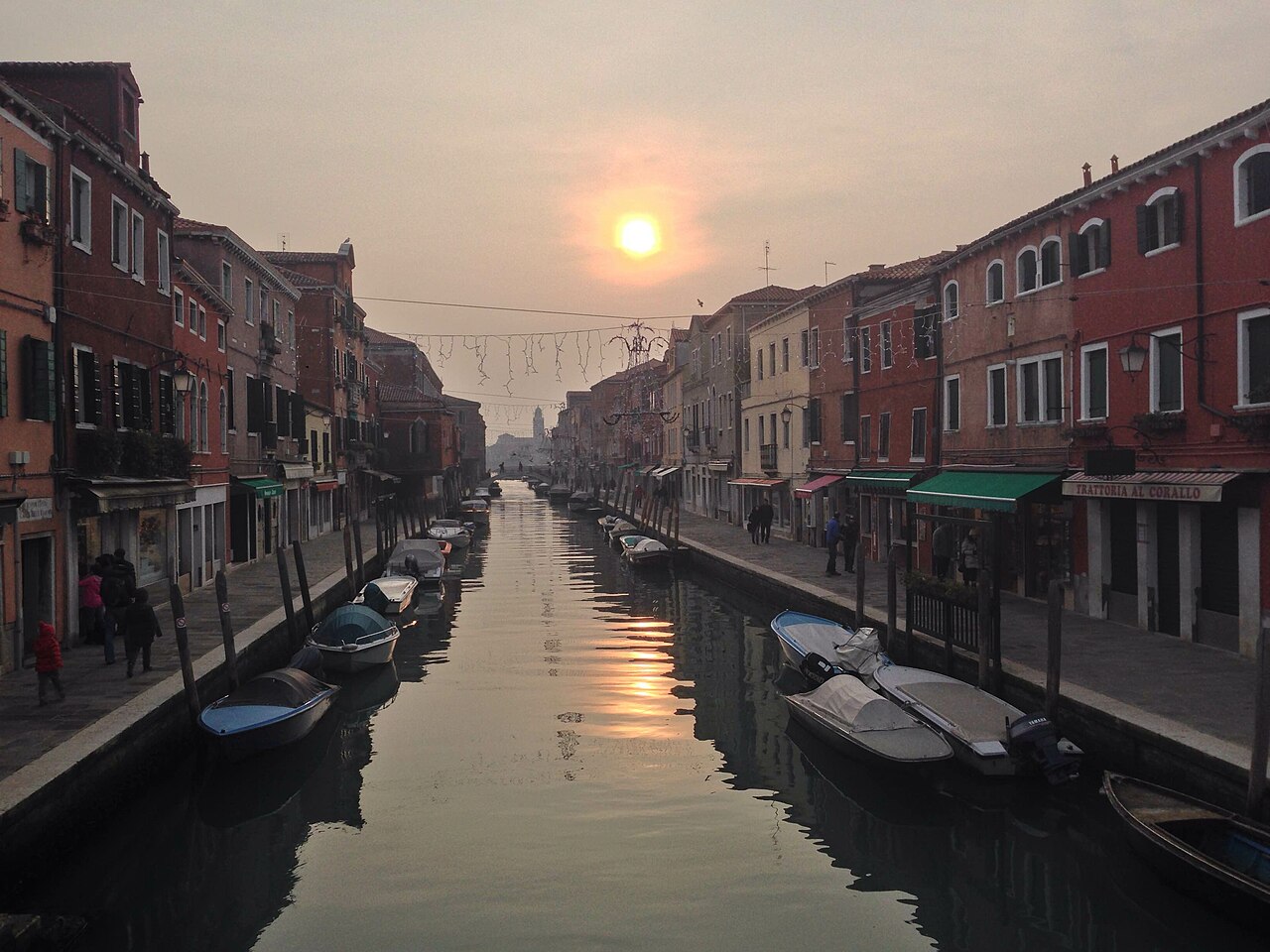
The 45-minute vaporetto to the lagoon's most photogenic island passes through the shallow marshes that supplied Venice with salt and fish for a millennium; the painted houses are every bit as vivid as they appear online.
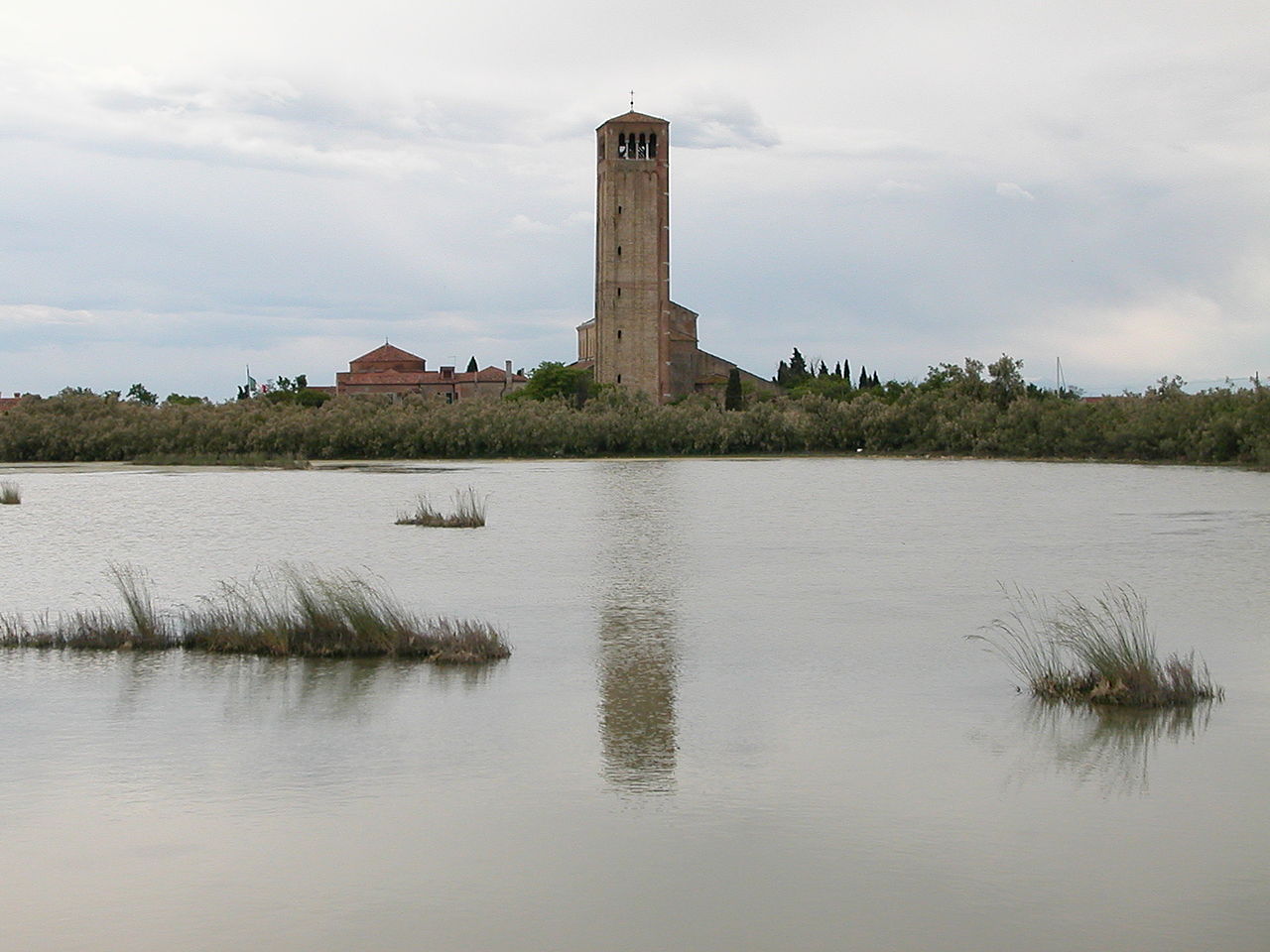
The original settlement predates Venice itself; the 7th-century basilica contains Byzantine mosaics of Last Judgement that rival Ravenna, and the island is always quiet enough to hear the reeds.
The largest campo in Dorsoduro is where students, locals, and a handful of visitors actually live — afternoon aperitivo at a plastic table surrounded by real Venetian daily life.
The American heiress's palace on the Grand Canal holds her personal collection of Pollock, Dalí, Kandinsky, and Picasso; the sculpture garden and terrace are as good as the art.
Tall, close-set buildings and a hushed campo mark the site of the world's first ghetto, a short walk from the station but a world away from the Rialto crowds.
The tip of Dorsoduro where the Grand Canal meets the Giudecca Canal offers an unobstructed view of San Giorgio Maggiore glowing at golden hour — one of the great free spectacles in Italy.
The Strada Nova and Lista di Spagna backstreets hide dozens of bàcari serving bite-sized cicchetti on bread for a euro each alongside ombre of local white wine — this is how Venice actually eats in the evening.
The gilded auditorium, rebuilt twice after fire, hosts opera and concert seasons of international calibre; even a middle-tier seat puts you inside one of the most beautiful performance spaces ever built.
A back-calle restaurant with tables facing a minor canal, serving sarde in saor, bigoli in salsa, and fritto misto by candlelight — the kind of place you will spend the rest of the trip trying to describe to friends.
Once the day's market crowds clear, the Rialto Bridge and the Grand Canal beneath it take on a hushed, silvery quality. It is Venice at its most cinematic, and easiest to have nearly to yourself.
Across the water from the main tourist crush, a Giudecca terrace bar hosts small jazz combos with a view back toward San Marco's lit domes. It is a favorite of Venetians looking to escape the crowds.
A small boat glides out into the lagoon at dusk for a tasting of Prosecco and Veneto whites as the city's silhouette recedes. It is a gentle, sparkling way to end a day of walking.
Perched on the tip of Giudecca Island, the legendary Cipriani offers a heated outdoor pool, Michelin-starred dining, and private launch transfers with unbroken views of the Venetian skyline.
A 15th-century doge's residence turned sumptuous palazzo, where Grand Canal suites dressed in bespoke Rubelli fabrics deliver the definitive Venetian aristocratic experience.
Six interconnected 16th-century palazzi envelop guests in frescoed salons, a private garden, and butler-attended canal suites that feel more Renaissance residence than hotel.
A UNESCO World Heritage landmark housing original Tiepolo frescoes and 18th-century carved staircases, where canal-view suites place you in the heart of Venetian history.
Rates change — check the live price.
Photography shows the dishes and cuisine — representative, not from the restaurants themselves.
Alajmo brothers' two-Michelin-star room above the piazza pairs precise contemporary cooking with perhaps the most theatrical dining room address in Europe.
The best cicchetti counter in the city — arrive before noon for the sarde in saor, crab, and artichoke crostini that disappear within the hour.
Deliberately hard to find in the streets behind the Rialto, serving the city's definitive spaghetti alle vongole and fresh Adriatic catch without tourists on the menu.
A tiny osteria famous for its vegetable-forward menu — the pumpkin and ricotta filling in the ravioli has been unchanged and perfect for thirty years.
The serious coffee counter near the Rialto that Venetians actually use — the espresso blend and macchiato are exceptional, and there is nowhere to sit, which keeps things moving.
Over a thousand labels on the wall and a standing-room counter serving ombre of Soave and Amarone alongside crostini since 1936 — one of the last truly authentic bacari near San Marco.
The ACTV multi-day pass costs €36 for 48 hours and covers unlimited trips on all vaporetto lines, including the airport water bus — dramatically cheaper than single tickets.
Both sites require pre-booked timed slots in high season; St Mark's Basilica caps occupancy strictly and will turn you away without a reservation even mid-week.
Venice at 06:00 and 22:00, when day-trippers have gone, is a different city — the extra hotel cost is repaid many times over in atmosphere alone.
Cicchetti bars and the Rialto fish stalls are often cash only, and the small denominations go fast — top up at the ATMs on the Lista di Spagna.
High tides flood the lower streets of San Marco and Rialto from October to March; rubber-soled waterproof shoes or compact galoshes will save an afternoon.