Hike
Tre Cime di Lavaredo hike
The Dolomites' signature circuit loops the three legendary towers — 10 km on well-graded paths with the Cadini di Misurina as a backdrop. Start at 07:00 for empty trails.
Tra le Torri di Pietra
The Dolomites are the Alps made baroque — sheer rose-gold towers erupting from meadows so green they look painted. A UNESCO landscape where Italian lunches and Austrian Keller sit side by side and every cable car ends at a view you want framed.
The Dolomites' signature circuit loops the three legendary towers — 10 km on well-graded paths with the Cadini di Misurina as a backdrop. Start at 07:00 for empty trails.
Two gondolas rise from Ortisei to 2,519 m where the Puez-Geisler needles form the most dramatic skyline in the Alps. Walk the ridge path for an hour before descending.
The emerald lake ringed by vertical dolomite walls is at its mirror-still best before 07:30. Row a wooden boat across to the chapel wall for the classic shot.
A section of the classic multi-day ridge route from Lago di Braies toward Refugio Biella — high plateaux, limestone pavement, and marmots at every turn.
Europe's largest alpine meadow plateu at 1,800 m, reached by gondola from Ortisei. Flower-filled paths wind between dairy farms with the Schlern massif as a backdrop.
A guided intro via ferrata on the five towers above Cortina with a local mountain guide — fixed ropes and iron rungs making the exposed traverse accessible to beginners.
The pastures below the jagged Odle peaks are at their most luminous in the first few hours of daylight, long before the roadside viewpoints fill with tripods. A gentle path from Santa Maddalena leads through hay meadows with the mountains rising directly ahead.
Cable car up to 2,752 m and a lunch of Südtiroler Graukas and venison goulash with a 360° panorama. The tunnels of WWI are a five-minute walk from the terrace.
The Lauben arcades of Bolzano's medieval market blend German and Italian commerce: Alto Adige wines poured at standing bars, speck hanging in delicatessens, and a cathedral worth ducking into.
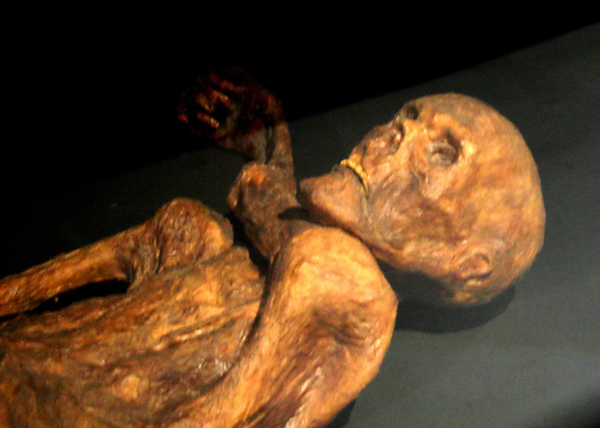
The 5,300-year-old glacier mummy and his entire surviving kit — clothes, axe, bow — displayed in a purpose-built research museum in Bolzano's old town.
Gondola to the glacier's 3,265 m viewpoint — the 'Queen of the Dolomites' — then drive back through the Fassa valley's painted villages and baroque churches.
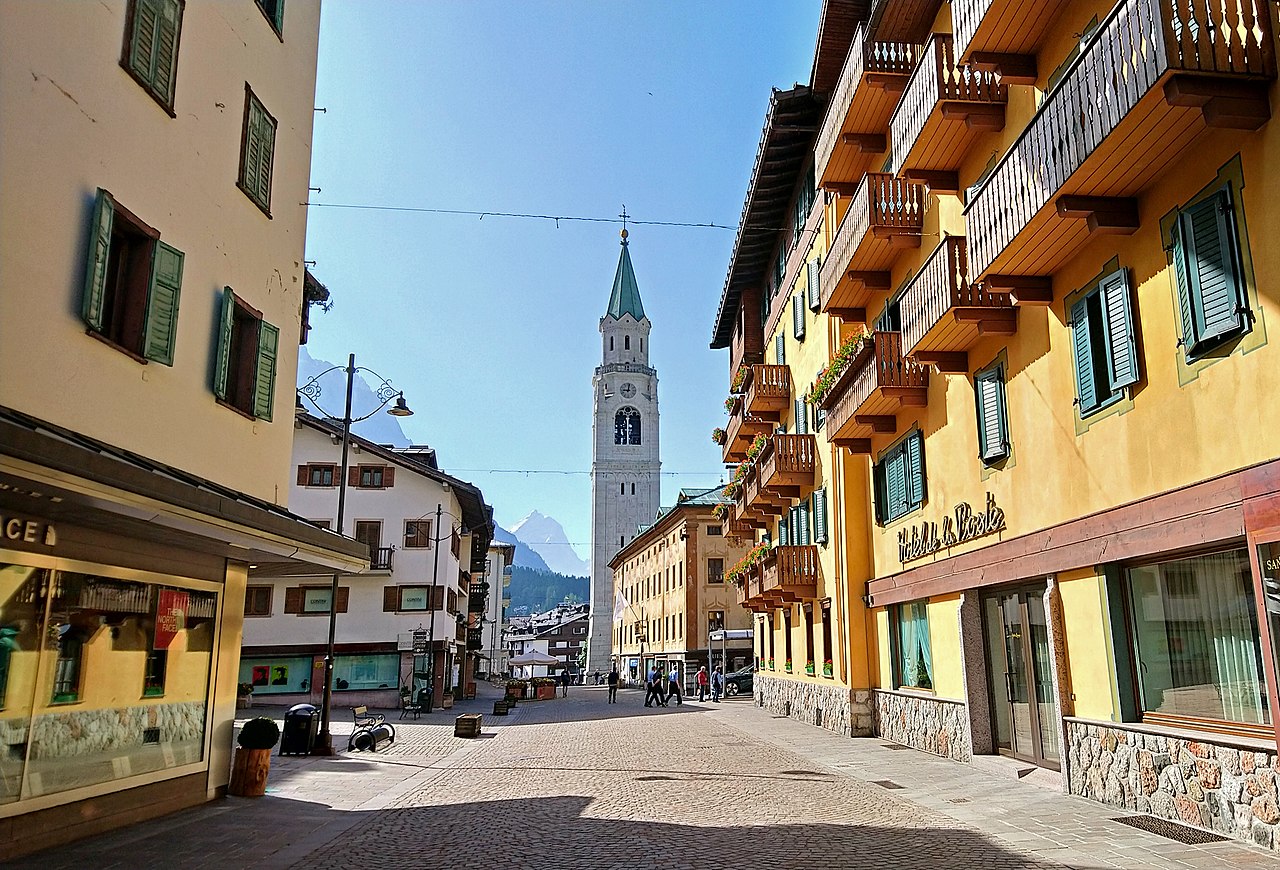
The Dolomites' most stylish resort town feels unhurried outside ski season. Gelato from Alvaro, a browse of the climbing shop, and an Aperol at a pavement table.
The traffic-free Ciclovia dell'Ampezzo rolls 22 km from Cortina through meadows and tunnels to Cimabanche — rent an e-bike for the return climb.
Bolzano's museum of modern and contemporary art sits in a glass box over the Talvera River, its collection tracing twentieth-century Alpine and international work. It makes a good change of pace from the region's mountain trails.
The Dolomites turn amber, then rose, then violet at dusk — the phenomenon is called enrosadüra in Ladin. The terrace of Rifugio Averau above Cortina is among the best stages.
A restored farmhouse in Ortisei serving Südtiroler tasting menus of cured deer, nettle Knödel, and local Lagrein. Reserve a week ahead in season.
The autumn-harvest tradition of Törggelen — new wine, chestnuts, and cured meats at a farm Buschenschank — runs from September through November and is the region's most convivial ritual.
Above the light pollution of the valleys, the plateau above Malga Ra Stua is one of Italy's darkest skies. No equipment needed — just a headtorch and a clear forecast.
From this high mountain pass, the jagged Sella massif catches the last light in shades of rose and violet, a phenomenon locals still call enrosadira. Few viewpoints in the Dolomites need so little effort to reach.
Juniper-cured speck, mountain cheeses and crisp local whites are laid out in a wood-beamed stube for an unhurried evening tasting. It is Alpine Italy at its most convivial.
The Ladin people, one of the Dolomites' oldest communities, share their language, legends and mountain traditions over a small evening gathering. It is a rare window into a culture that predates the modern borders around it.
Historic grande-dame hotel in central Cortina d'Ampezzo, 132 refurbished rooms/suites tied to the town's 1956 Winter Olympics-era glamour, currently operating as a Radisson Collection Hotel.
A landmark Dolomites hideaway reborn as a fully-fledged Aman after renovation, with Italian dining at The Grill, Japanese shabu-shabu at Enju, and suites that frame the Fanes massif at sunrise.
Set at 1,800 m inside the forest, this minimalist retreat wraps its floor-to-ceiling panoramas in reclaimed larch, and its spa flows seamlessly into the mountain air.
Ski-in, ski-out access to Europe's highest alpine meadow, with an Art Aqua spa, farm-to-table South Tyrolean cuisine, and suites lined in fragrant pine.
Rates change — check the live price.
Photography shows the dishes and cuisine — representative, not from the restaurants themselves.
One Michelin star for chef Simone Cantafio's kitchen inside Hotel La Perla, a short drive from San Cassiano — technique honed on Japan's Hokkaido island meets Dolomite produce in a tasting menu built around vegetables and quietly precise plating.
Goulash, Knödel, and Kaiserschmarrn at altitude with a front-row Dolomite panorama — the archetypal mountain hut lunch.
Beef tartare, rib steak, and a warm, stone-walled dining room with mountain views — ask what the house-made pasta special is that night.
Over 800 Alto Adige, Italian, and French bottles poured by the glass under the arcades — pair a Lagrein with the speck and Graukäse board.
The town's best espresso and apple strudel — eaten standing at the marble counter as God intended in these parts.
A homestead dating to 1366 at the foot of the Schlern, pouring their own wine alongside outstanding dumplings and cured meats — check seasonal hours before you go, as it's only open certain months.
Rifugios on the Tre Cime and Alta Via 1 fill weeks ahead in July and August — secure beds or lunch tables online well before your trip.
Lago di Braies, Tre Cime, and Alpe di Siusi all impose vehicle restrictions by 09:00 in high season — arrive before 07:30 or take the shuttle.
Any via ferrata requires a harness, helmet, and Y-lanyard — rent the set from a Cortina or Ortisei sport shop the evening before.
Alpine storms build most afternoons from June to August. Plan ridge walks for morning and descend by 13:00 if cloud is building.
Cell coverage drops on high plateaux; buy a Tabacco 1:25000 map for your area and download the maps.me offline backup before leaving town.