Castle
Ljubljana Castle morning visit
Ride the funicular or climb the cobbled path at opening time for a hilltop panorama — the Julian Alps visible to the north on clear mornings, the red-roofed old town directly below.
Ljubim Ljubljano
Slovenia's pocket-sized capital wraps a Baroque old town, a dragon-crowned castle, and a car-free riverfront around the Ljubljanica's slow green curves — all within easy reach of the Julian Alps, Lake Bled, and a pristine Adriatic coastline.
Ride the funicular or climb the cobbled path at opening time for a hilltop panorama — the Julian Alps visible to the north on clear mornings, the red-roofed old town directly below.
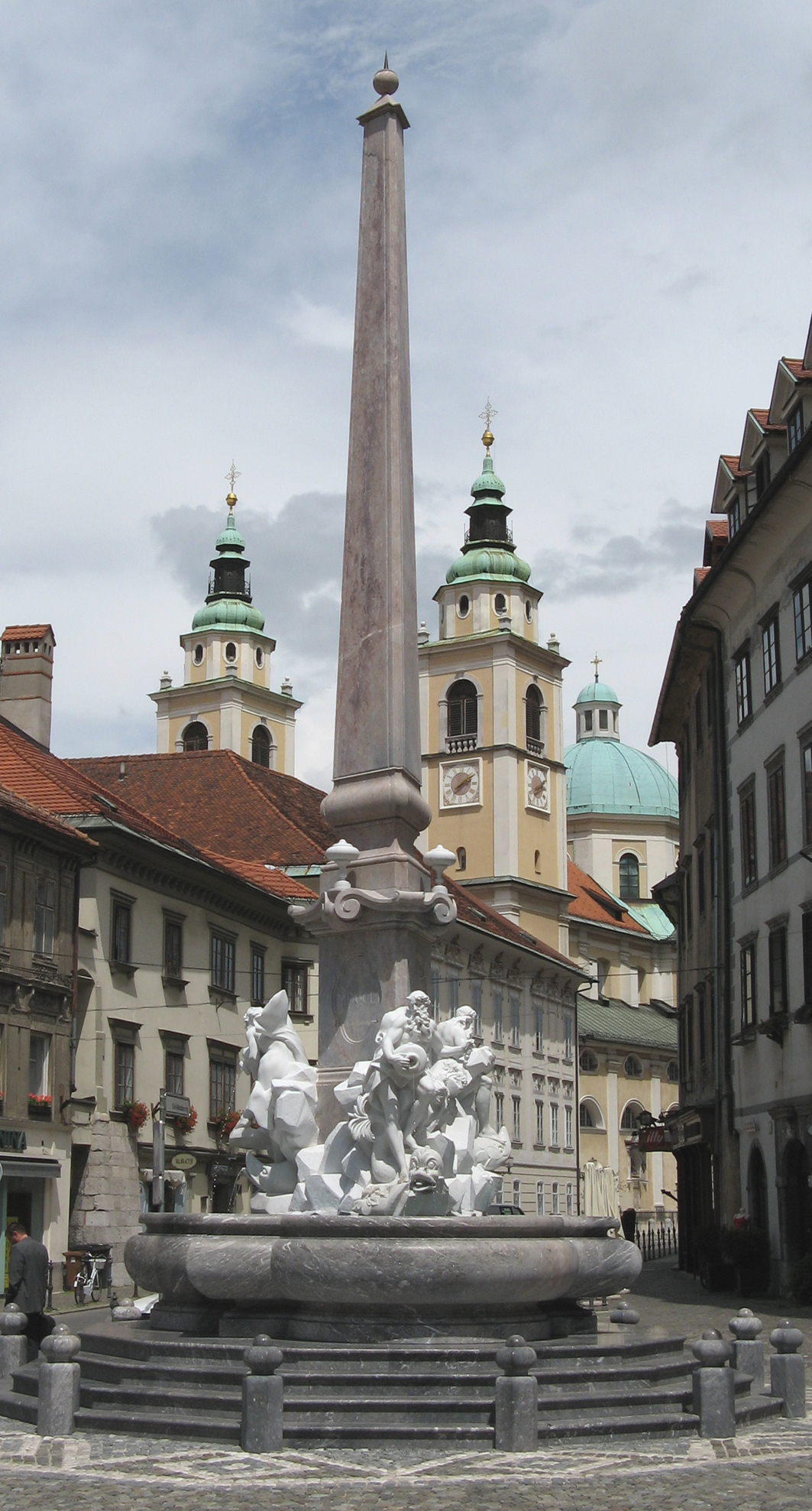
Jože Plečnik's elegant riverside colonnade shelters fishmongers and spice traders; the open market beyond overflows with mountain cheese, forest mushrooms, and Slovenian honey.
Row a pletna across to the 17th-century Assumption church and ring the wishing bell before day-trippers arrive — the Karavanke mountains reflected in the water are genuinely unreal.
Boardwalks trace an emerald slot canyon carved by the Radovna river, where the water turns jade in morning light and the trail climbs to a dramatic waterfall.
A former Yugoslav army barracks reborn as an autonomous arts zone of murals, studios, and alternative venues — vivid at any hour and most alive from midday onward.
A mini-train ride through 5 km of cathedral-scale stalactite halls, then a short drive to Predjama — the world's largest cave castle built into a living cliff face.
Laid out over two centuries ago along the Ljubljanica, this quiet garden holds thousands of plant species in a setting closer to a riverside park than a formal collection. Mornings bring birdsong and few other visitors.
The Soča's electric-turquoise current is the most beautiful river in the Alps — rent a kayak above Bovec or simply swim in the transparent pools carved between the canyon walls.
Ljubljana's great urban park runs from the old town to the foot of Šiška — chestnut alleys, outdoor photography galleries, and a café terrace make it the city's living room.
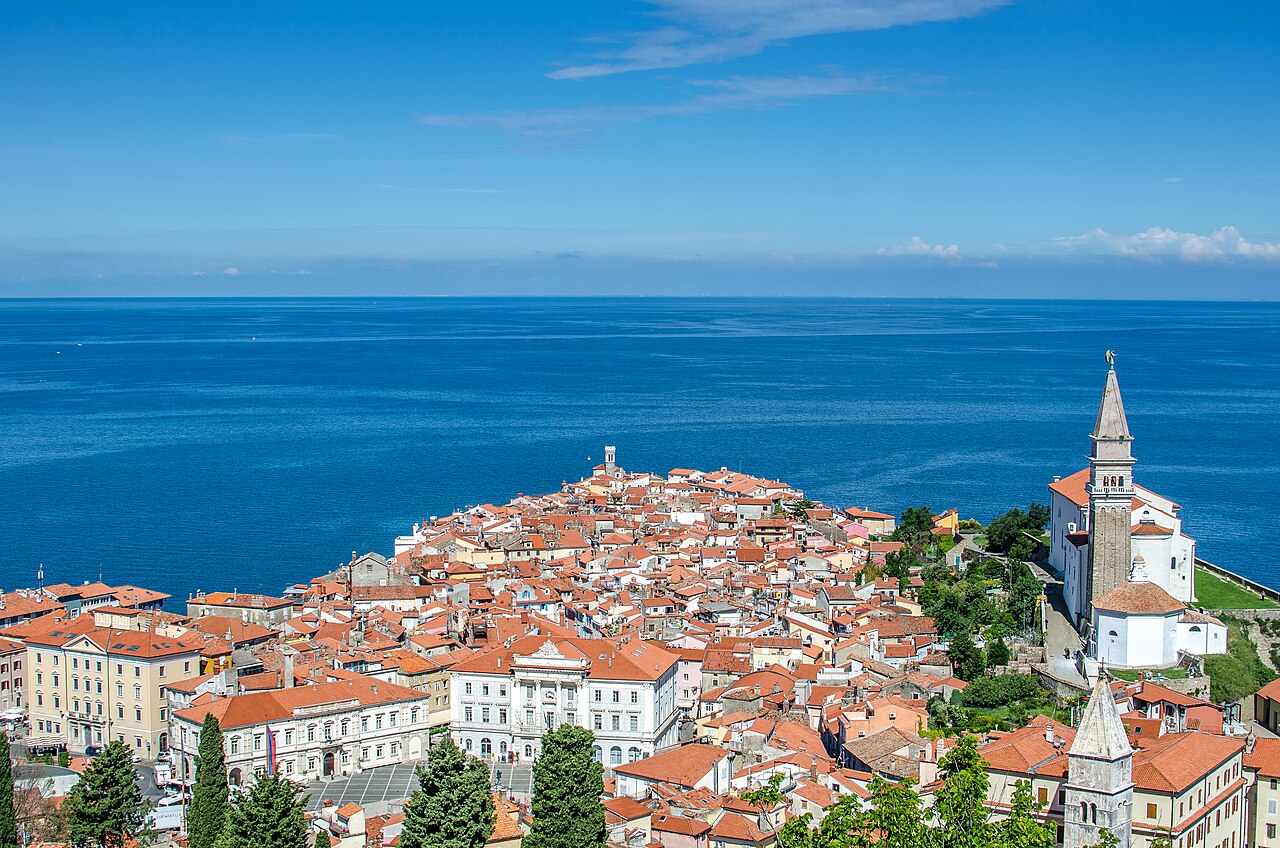
A perfectly preserved Venetian-era town on a narrow Adriatic peninsula, two hours from Ljubljana — walk the walls, eat grilled fish at the harbour, and swim off the stone quay.
Plečnik's fingerprints mark the Dragon Bridge, the National Library, and the market colonnade — follow a self-guided trail at your own pace through one of Europe's most coherent city visions.
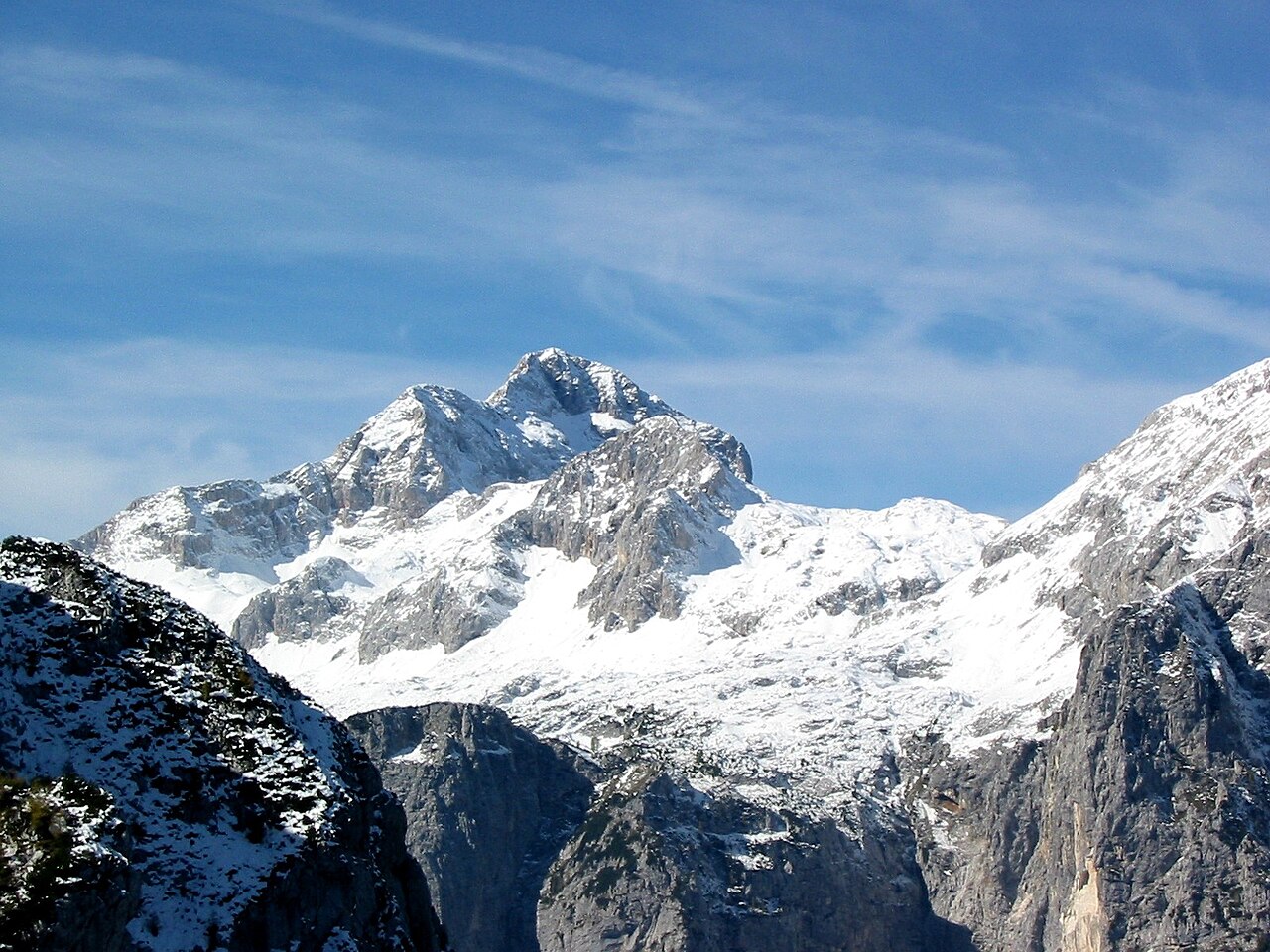
The road through Vrsič Pass — the highest in Slovenia — opens high-alpine trails above the treeline; carry warm layers and allow ample time for the mountain descent before dark.
Hire a city bike and follow the flat riverside path south through Trnovo — the city gradually gives way to market gardens and heron-patrolled river channels.
A subterranean river has carved one of the largest known cave canyons on the planet here, spanned by a footbridge that leaves most visitors momentarily speechless. The site's UNESCO status is easy to understand once you are standing inside it.
The café terraces stacked along both banks of the Ljubljanica fill at 18:00 with a relaxed crowd — Slovenian wine, Union beer, and the castle illuminated above as the sky pinks.
Ljubljana's leading independent music venue stages everything from folk to electronic in a lovingly restored former cinema — the programme changes nightly and the atmosphere is warm.
Seasonal Slovenian ingredients — Karst lamb, forest truffles, buckwheat — plated with French precision in a quiet old-town courtyard that fills with serious diners on weekends.
Ljubljana's most iconic kilometre: the four bronze dragons of the Zmajski most, the market colonnade by lamplight, and Plečnik's Triple Bridge mirroring in the dark, slow-moving river.
The glass funicular climbs the castle hill just as the sky turns pink over the Julian Alps, and the ramparts empty out enough for an unhurried look over the terracotta rooftops below. The café terrace by the tower is a fine spot to let the last light go.
Slovenia's oldest puppet stage, founded in 1948, still stages inventive, adult-friendly evening productions beneath the castle hill. The craftsmanship of the puppets alone is worth the ticket, whatever language the performance happens to be in.
Small natural-wine bars tucked into the baroque streets behind the river pour little-known Slovenian labels from the Vipava Valley and Goriška Brda, often with the winemaker's own notes chalked on a board. It is a low-key, unhurried way to taste a wine country most visitors overlook.
The tallest hotel in Slovenia crowns the capital with panoramic views of the Julian Alps, a rooftop infinity pool, and the most comprehensive luxury amenities in any Slovenian address.
A Baroque nobleman's palace restored to quiet grandeur beside the Ljubljanica, with just 18 suites, a Roman-inspired spa, and courtyard dining under centuries-old stone arches.
Ljubljana's most celebrated historic hotel since 1905, the Art Nouveau Grand Union façade dominates the city centre, its ballroom and café serving as enduring hubs of Slovenian civic elegance.
A row of historic townhouses reimagined as a design hotel with a rooftop pool surveying Ljubljana Castle, where the city's fusion of Mitteleuropean and Adriatic culture feels most vivid.
Rates change — check the live price.
Photography shows the dishes and cuisine — representative, not from the restaurants themselves.
A six- to eight-course progression of Slovenian terroir — wild deer, Karst mushrooms, and Primorje olive oil in a candlelit vaulted room; book a week ahead.
Under 30 seats and a weekly-changing zero-waste menu by chef Bine Volčič — wild deer, market-fresh vegetables, and a wine list that makes the Vipava Valley feel like a neighbour.
Inside the castle walls — štruklji, buckwheat žganci, and local Carniolan sausage paired with a Slovenian orange wine on a terrace above the city.
The Carniolska klobasa with mustard and horseradish at the market butchery counter — under €4 and completely essential.
A hidden courtyard tea house specialising in Slovenian herbal blends — the lime-blossom tea and walnut potica are the ritual afternoon break.
The Ljubljana outpost of the legendary Movia estate, pouring skin-contact whites and orange wines that represent the Brda valley at its most compelling.
The pedestrianised old town is compact enough to walk castle-to-riverfront in under 15 minutes; save the bus or bike for Tivoli and Metelkova.
Pletna boat rides and the island church fill up by mid-morning in July and August — arrive by 8:00 or reserve through local rowing clubs in advance.
Summer weekend queues at Postojna Cave can stretch an hour; a midweek visit cuts that to minutes and the constant 10 °C cave temperature is a bonus on hot days.
Ljubljana's supply comes from the Ljubljansko Barje aquifer and rivals any bottled alpine spring — refill your bottle freely at any café or fountain.
If you rent a car for the Soča or Triglav, purchase the motorway vignette sticker at the border or a petrol station — it is mandatory and inspections are frequent.