Colosseum & Roman Forum
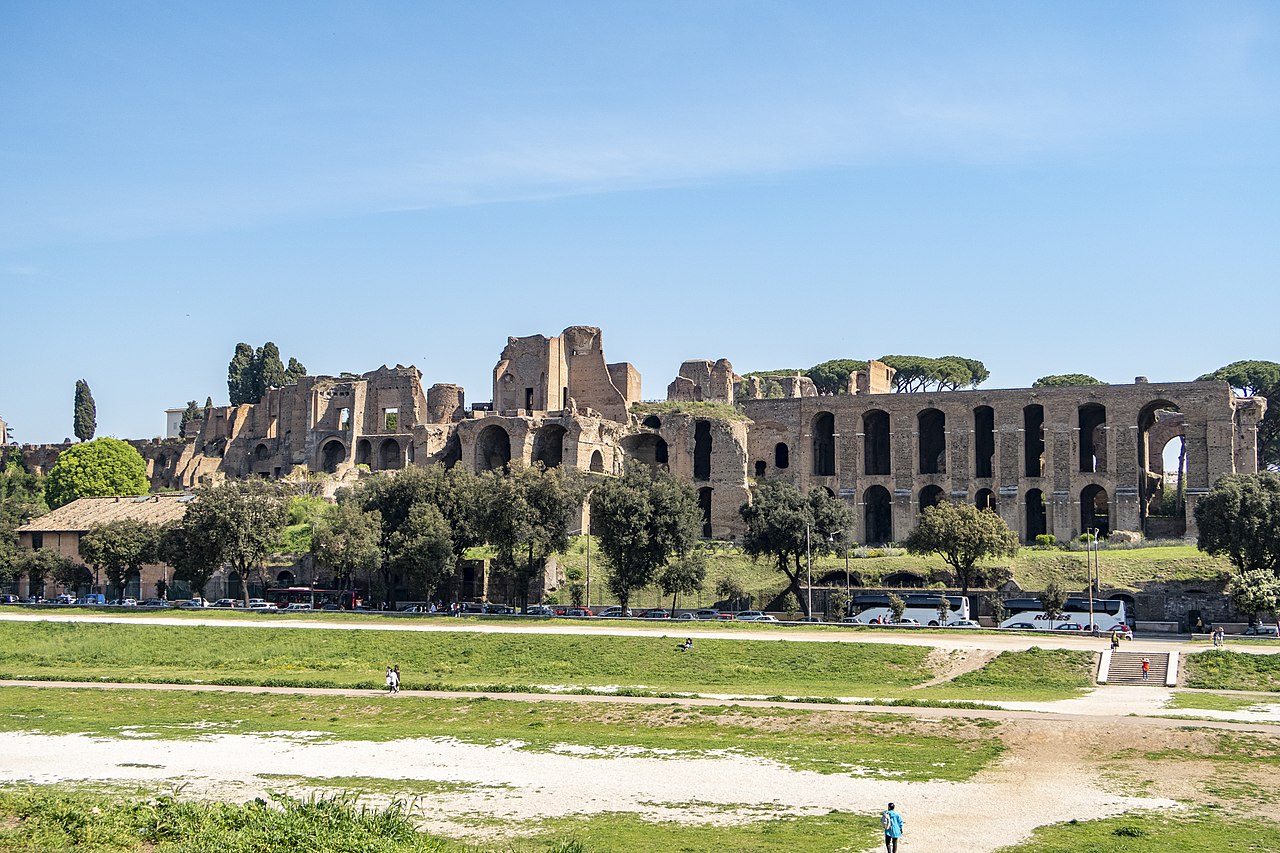
Book the first-entry slot at 09:00 and combine the arena with a walk through the Forum and up to the Palatine Hill on the same ticket — the light on the ruins early in the morning is extraordinary.
Caput Mundi
Three thousand years compressed into a single walkable city — layers of empire, papacy, and dolce vita stacked atop each other and held together by espresso, ochre light, and the endless sound of water in stone basins.
Book the first-entry slot at 09:00 and combine the arena with a walk through the Forum and up to the Palatine Hill on the same ticket — the light on the ruins early in the morning is extraordinary.
Four miles of galleries lead to the Raphael Rooms and the Sistine Chapel — the early-access tour at 08:00 delivers you into the Chapel before the crowds arrive, with the silence it deserves.
The timed-entry villa in the park holds twelve rooms of Bernini sculptures and Caravaggio canvases; only 360 visitors are admitted at a time, making it the most civilised major gallery in Italy.
The flower and produce market runs until early afternoon; the stalls selling local artichokes, porchetta sandwiches, and hand-pressed olive oil are the best breakfast Rome offers.
Before 09:00, the medieval lanes of Trastevere belong to residents hanging laundry and cats on window sills — a slow walk from Viale Trastevere to the Basilica of Santa Maria is as peaceful as Rome gets.
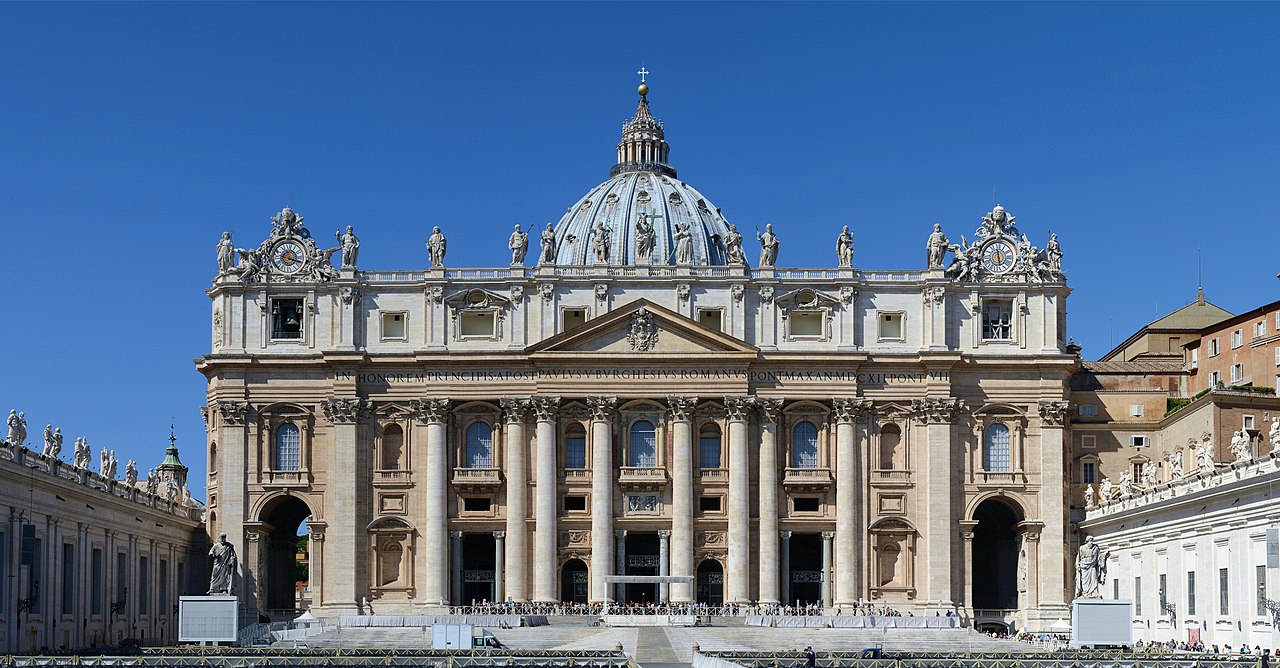
The interior of the world's largest church is staggering in scale regardless of how many photographs you have seen; the dome climb (551 steps, or a lift for the first section) returns a panorama from the Tiber to the Alban Hills.
The world's oldest public museum opens onto Michelangelo's Piazza del Campidoglio, its halls holding the She-Wolf bronze and fragments of a colossal Constantine. Arriving early means the courtyards are still nearly empty.
The 2,000-year-old concrete dome with its open oculus remains one of the most technically astounding buildings ever built; the afternoon light through the eye illuminates a different section of floor each hour.
The hill where Rome was founded offers the most evocative ruins in the city — overgrown palace terraces, original frescoes in basement rooms, and views directly into the Forum below.
The Fontana dei Quattro Fiumi in the centre of the piazza is Bernini at his most theatrical; an afternoon gelato on the steps of Sant'Agnese and an hour watching the street artists is a thoroughly satisfying use of time.
Hadrian's mausoleum repurposed as a medieval fortress, Papal refuge, and prison — the terrace at the top looks directly down the Via della Conciliazione to St Peter's and is one of the finest urban panoramas in Italy.
A bike rental from the park service lets you pedal the ancient paved road past umbrella pines, catacombs, and funeral monuments on the very stones where Roman legions once marched.
The covered Mercato di Testaccio is where Roman chefs actually shop — stalls of supplì, porchetta, fresh pasta, and the Roman artichoke flattened and fried crisp; allow a long, wandering, eating lunch.
A footbridge leads onto the Tiber's tiny island before the walk continues into the Ghetto's narrow lanes, past the Portico d'Ottavia and bakeries selling ricotta-and-cherry crostata. It is one of Rome's oldest and most layered corners.
The terrace above the Piazza del Popolo is Rome's finest public sunset viewpoint — the dome of St Peter's on the left, the Gianicolo on the right, and the whole terracotta city between them turning gold.
The Fontana di Trevi at dusk, lit from within and surrounded by the buzz of the early evening crowd, is one of those Roman moments that manages to be moving despite its fame.
The neighbourhood's dense tangle of restaurants ranges from tourist traps to brilliant local trattorias; the Via della Lungaretta backstreets reliably hide the latter, where the cacio e pepe and the house wine rarely disappoint.
The working-class neighbourhood east of the centre has been Rome's creative bar district for a decade; the open-air tables along Via del Pigneto fill from 18:30 with an entirely local crowd, good spritzes, and generous complimentary snacks.
Floodlit and largely free of crowds after dark, the amphitheatre takes on a different gravity at night, its arches glowing amber against the sky as the surrounding streets go quiet.
Down a flight of stone steps, a small basement club fills with the low hum of a trio working through standards, the kind of unhurried evening that rewards no particular plan.
Rome's oldest rione turns intimate after dark, its narrow lanes strung with light and lined with small trattorias serving cacio e pepe to tables barely wider than the alley itself.
Fellini's favoured address, where the legendary terraced Giardino de Russie hosts alfresco dinners and opulent suites overlooking the Pincian Hill blend Napoleonic elegance with contemporary Italian design.
Carved into a 19th-century palazzo near the Spanish Steps, the Bulgari Roma stuns with a subterranean mosaic spa, an intimate rooftop restaurant, and bespoke suites finished in travertine and polished walnut.
Housed in a 17th-century Palazzo Salviati, Six Senses Rome integrates an extraordinary subterranean spa into ancient Roman walls, with a biophilic rooftop restaurant and wellness suites unlike anything else in the city.
Presiding over the top of the Spanish Steps since 1893, the Hassler's penthouse suites and rooftop restaurant Imàgo deliver a 360-degree Roman panorama that remains the city's single most coveted dining reservation.
Rates change — check the live price.
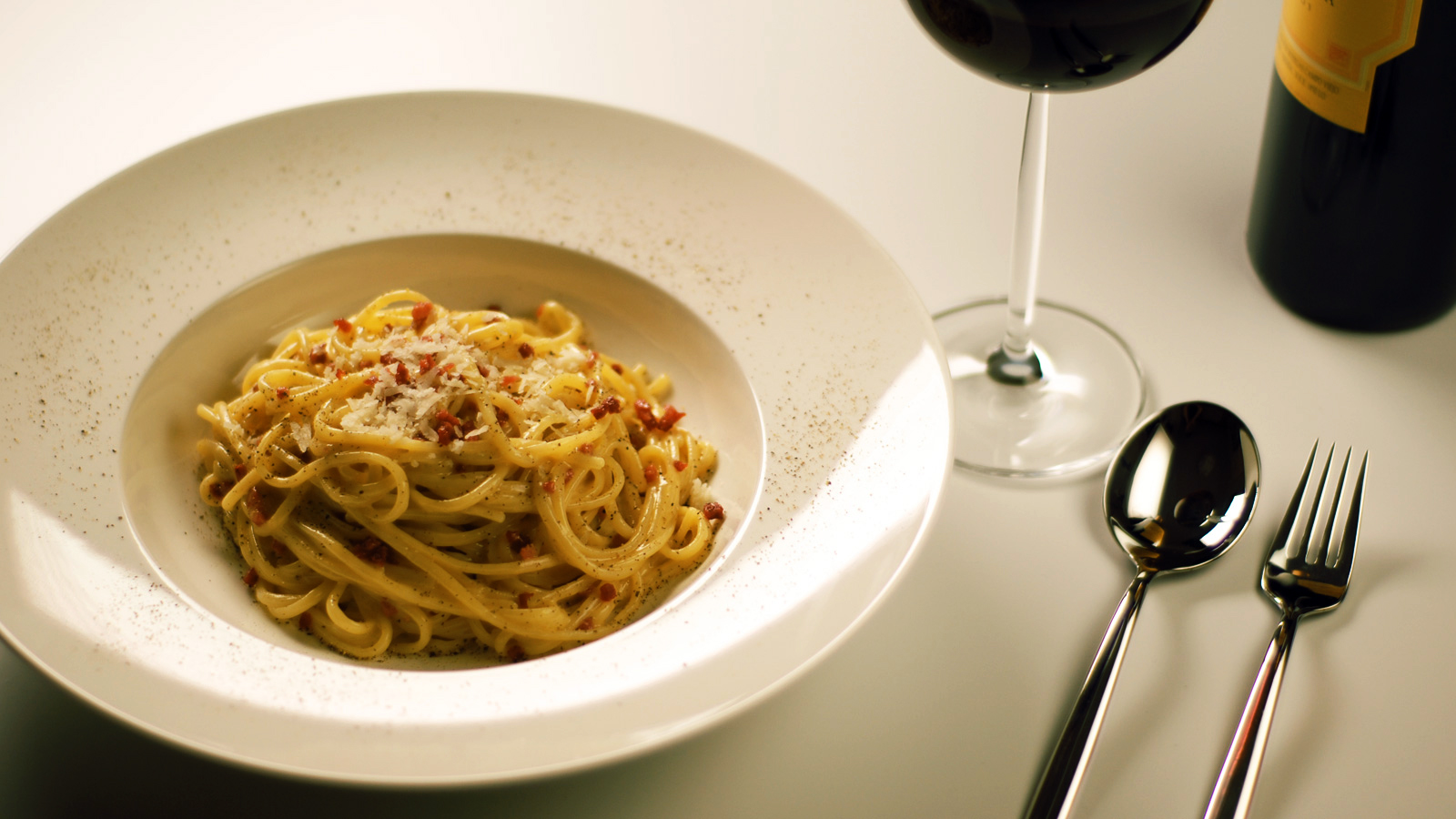
Photography shows the dishes and cuisine — representative, not from the restaurants themselves.
Heinz Beck's three-Michelin-star terrace above the city is Italy's only restaurant at that level with a full panoramic view — the cuisine justifies the price, which is a high bar.
The neighbourhood trattoria that Trastevere residents have chosen for cacio e pepe, rigatoni alla gricia, and abbacchio for decades — book at least four days ahead.
Gabriele Bonci's Roman pizza al taglio sets the global benchmark — sold by weight, changed constantly, and worth the queue of locals outside by 11:30.
A deli-restaurant hybrid where an extraordinary wine list meets near-perfect carbonara and some of the finest cured meats assembled under one roof in Italy.
Unconventional gelato flavours built on natural ingredients — basil and walnut, pink pepper and liquorice, Amalfi lemon — all produced without artificial stabilisers.
A converted mechanic's garage with outdoor tables and a generous aperitivo buffet included with every drink — the most pleasant early evening stop in Trastevere.
Both sites require pre-booked timed entries; the Colosseum's Arena Floor and Vatican's early-access tours sell out a month in advance and cannot be improvised.
Buses and the metro require stamping your ticket at the yellow machines before boarding — inspectors fine on-the-spot without exception, and tickets are not automatically validated by tapping.
The Campo de' Fiori market, street pizza stalls, and most supplì counters are cash only; the ATMs inside Banco di Roma branches charge no foreign transaction fee.
Every church — including the Pantheon, Santa Maria Maggiore, and San Giovanni — requires shoulders and knees covered; a light scarf or packable trousers solves the problem permanently.
Many smaller churches, shops, and monuments close between 13:00 and 15:30 — plan museum visits for the middle of the day and leave the midday hours for a long, slow lunch as the Romans do.