Heritage
Sigiriya Rock Fortress climb
A 200-metre granite monolith with 5th-century frescoes of celestial maidens halfway up and 360-degree jungle views from the summit — start before 07:30 to beat the heat.
Serendib Unveiled
The tear-drop island packs elephant corridors, cloud-wrapped tea estates, and 2,500-year-old rock fortresses into an eight-hour drive from end to end — a place where ancient and tropical collide with startling generosity.
A 200-metre granite monolith with 5th-century frescoes of celestial maidens halfway up and 360-degree jungle views from the summit — start before 07:30 to beat the heat.
Five cave sanctuaries hold 153 Buddha statues painted in vivid ochre and gold — the ceiling murals of the second cave are among Asia's finest religious art.
Sri Dalada Maligawa houses the sacred tooth relic of the Buddha in a gold casket — arrive for the 06:30 or 09:30 puja ceremony when drums and oboes fill the shrine.
The most scenic rail journey in South Asia: six hours of cloud-piercing tea country, waterfalls, and tunnels on a slow blue train — book an observation car seat weeks ahead.
Sri Lanka has the world's highest density of leopards per square kilometre in Yala's Block 1 — a 4WD jeep at dawn gives the best sighting odds before midday heat.
Blue whales and sperm whales pass through Mirissa's deep-water corridor December–April; the boat leaves at 06:30 and most days returns with sightings.
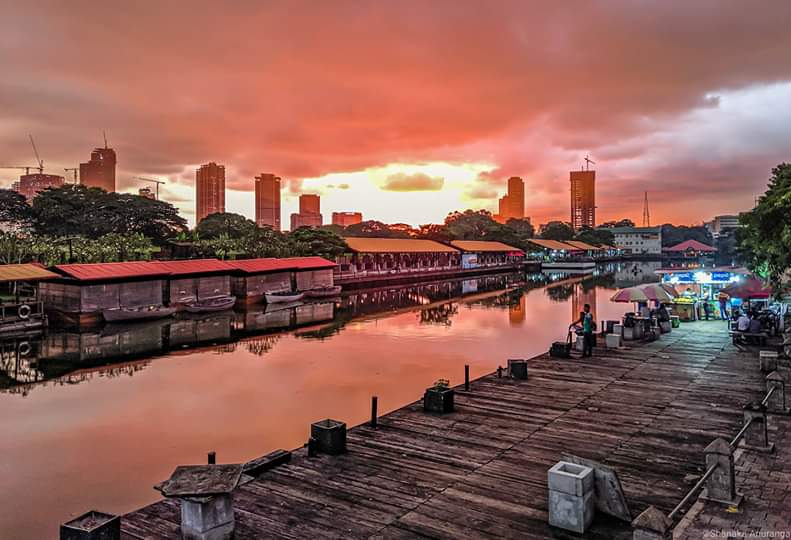
Colombo's oldest trading quarter fills each morning with wholesale streets devoted to spices, hardware and fabric, each lane specializing in a single trade. It is best walked early, before the heat and crowds both peak.
Walk through tea bushes to the colonial stone viaduct and wait for the blue train to cross — one of the subcontinent's most photographed moments, and entirely free.
A UNESCO-listed Dutch fortification of whitewashed streets, boutique hotels in merchant houses, and the most civilised café strip in the country.
Rescued elephants bathe in the Maha Oya River at 10:00 and 14:00; ethical observation from the riverside, no riding or direct contact encouraged.
The old bazaar district's covered halls sell everything from dried fish to electronics; the spice lane near the mosque is the most atmospheric corner.
A plateau walk through cloud forest to a sheer 870-metre drop over the southern plains — fog-free windows are rare, so start the 9 km loop before 06:00.
A curved bay of soft sand with a reef at each end protecting gentle surf — rent a sunlounger from the beach café and stay until the tuk-tuks switch on their lights.
A working tea factory in the hill country opens its withering lofts and rolling machines to visitors, ending with a tasting of the estate's own grades. The afternoon smells of fresh-cut leaf long before the tea reaches the cup.
Fire-walking, plate-spinning, and the hypnotic Kandyan drum — the YMBA Cultural Show runs every evening and is the most professionally staged introduction to Sinhala performing arts.
A home kitchen session grinding coconut sambol, tempering mustard seeds, and layering a jackfruit curry — the meal you cook is the meal you eat, with arrack to toast it.
Locals and visitors alike gather on the old Dutch bastions as the sun drops behind the lighthouse — cricket on the esplanade below, ocean horizon ahead.
The rooftop bars of the Cinnamon Grand and ON14 at Kingsbury offer illuminated city skylines, craft gin menus, and Sri Lankan bar snacks — the best urban close to any trip.
Away from town lights, the hills around Ella's viaduct open onto some of the clearest skies in the island's interior. Bring a blanket and let your eyes adjust to a sky far busier than any city allows.
Kandy's evening food stalls trade in kottu roti chopped loudly on hot griddles, hoppers cracked fresh to order, and sweet milk toffee by the bag. It is a louder, hungrier version of the lakeside city seen by day.
In the mask-carving town of Ambalangoda, dancers in demon-faced wooden masks perform the raucous, drum-driven kolam and thovil traditions once used to exorcise illness and bad luck. It is Sri Lanka's folk theatre at its most theatrical.
The oldest hotel east of Suez since 1864, its sea-facing suites, legendary pink-gin sundowner on the esplanade terrace, teak-panelled ballroom, and unmatched Indian Ocean backdrop carry a kind of timeless romance no renovation can diminish.
Thirty cocoon suites cascade down a wooded hillside to a secluded crescent bay; the clifftop infinity pool, Aman spa Ayurvedic rituals, an almost reverential silence, and the sound of nothing but the Indian Ocean below define true escape.
A 53-villa all-suite sanctuary on Koggala Beach, celebrated for its Jungle Rain spa, a private turtle hatchery, and a location mere minutes from the UNESCO Galle Fort—an ideal base for combining colonial heritage with uninterrupted sea-view luxury.
A Victorian-era tea factory reborn as a boutique hotel at 2,200 metres above sea level, where original withering lofts became spa treatment suites, dawn walks through manicured estates are accompanied by mist, and every meal pairs with the estate's own harvest.
Rates change — check the live price.
Photography shows the dishes and cuisine — representative, not from the restaurants themselves.
Dharshan Munidasa's globally ranked shellfish restaurant in a 300-year-old colonial building — the Lagoon Crab is a national monument.
Garden courtyard dining in an 18th-century Dutch printing house; the prawn curry with kiribath rice cake is the dish to order.
Panoramic valley views with a cheap menu of kottu roti, pol sambol, and fresh ginger tea — the backpacker hub that earns its reputation.
A banana-leaf lunch of eight curries, pol sambol, and papadam at a no-name roadside stall — Sri Lanka's answer to the thali at a fraction of the price.
Grilled kingfish and prawn devilled in arrack sauce at a beachfront table with sand between your feet — the platonic ideal of Sri Lankan coastal dining.
A colonial clifftop terrace dating to 1806 — the rum sour at sunset looking out to the Indian Ocean is an indelible first or last evening in Sri Lanka.
Observation-car seats on the Kandy–Ella route sell out weeks ahead — use the Sri Lanka Railways website or Bookaway to reserve the moment your dates are fixed.
A daily rate of Rs 5,000–8,000 for a trusted tuk-tuk driver unlocks viewpoints and tea factories that buses miss; agree the route and rate the night before.
Colombo is tropical at sea level, Nuwara Eliya can dip to 10 °C at night — a light fleece and packable rain jacket are non-negotiable for the hill country.
White or light-coloured clothing is customary at Buddhist temples; shoulders, torso, and legs covered — many sites loan sarongs at the entrance.
Yala's Block 1 partly closes May–September; the best leopard-sighting months are February–April when waterholes are low and animals concentrate.