
Scenic
Seaplane transfer over the atolls
Thirty minutes of low-altitude flight over chains of turquoise rings — sit on the right side for the best view, and hold the camera steady.
Dhivehi Blue
One thousand coral islands scattered across an impossibly blue equatorial sea, where the lagoon floor is visible from the overwater bungalow deck and the reef drops away into an abyss of manta rays and whale sharks.
Thirty minutes of low-altitude flight over chains of turquoise rings — sit on the right side for the best view, and hold the camera steady.
Enter from the resort's snorkel steps in the first hour of light when the parrotfish and Napoleon wrasse are most active and the water is glassy.
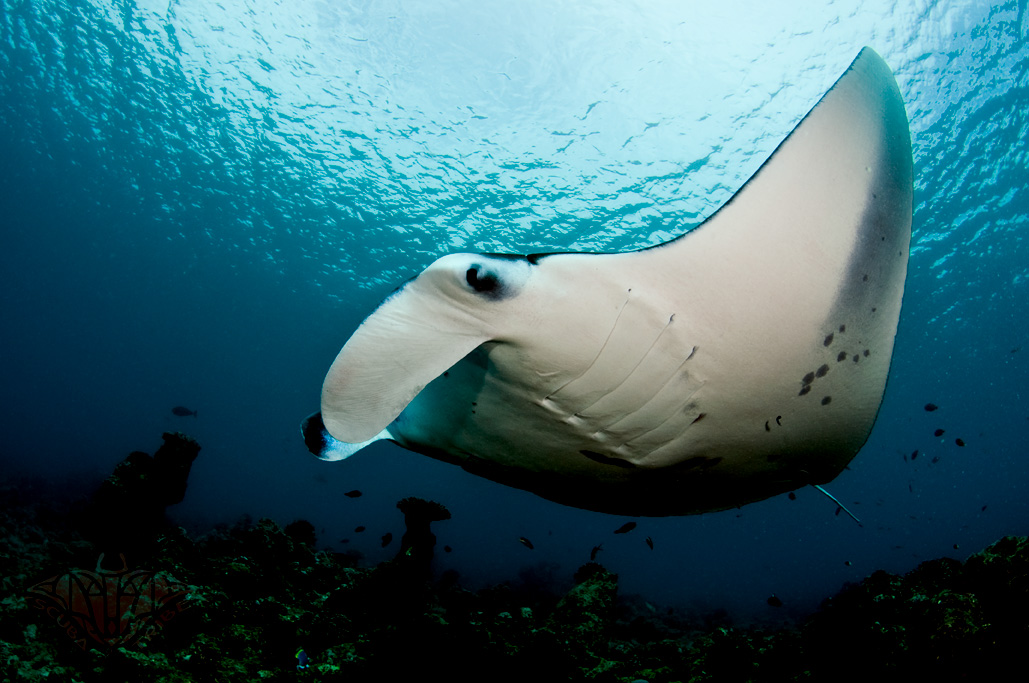
UNESCO-protected feeding ground where hundreds of mantas barrel-roll through plankton blooms between June and November — one of the ocean's great spectacles.
A dhoni transfers you to an uninhabited strip of white sand at first light for a private chef breakfast as the tide rises slowly around the island.
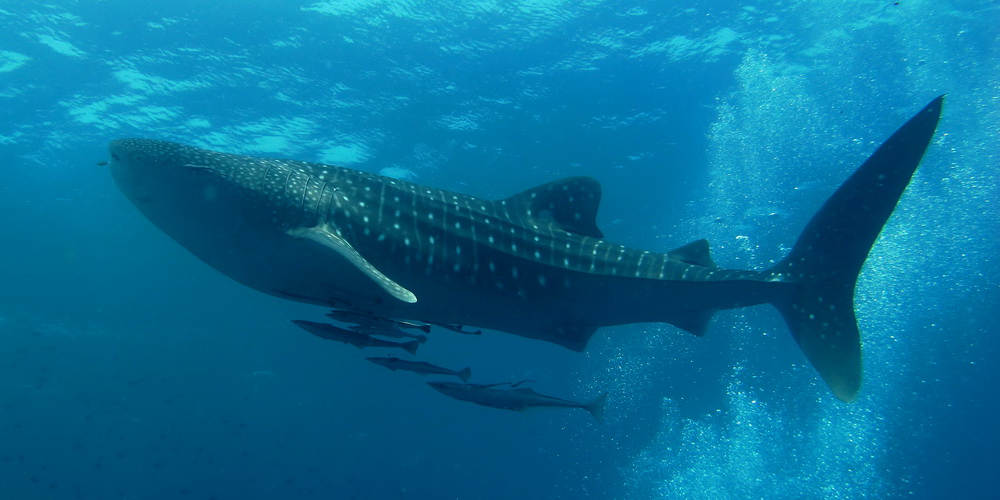
South Ari Atoll has a resident population of whale sharks year-round — drift alongside the world's largest fish in 10–20 metres of crystal water.
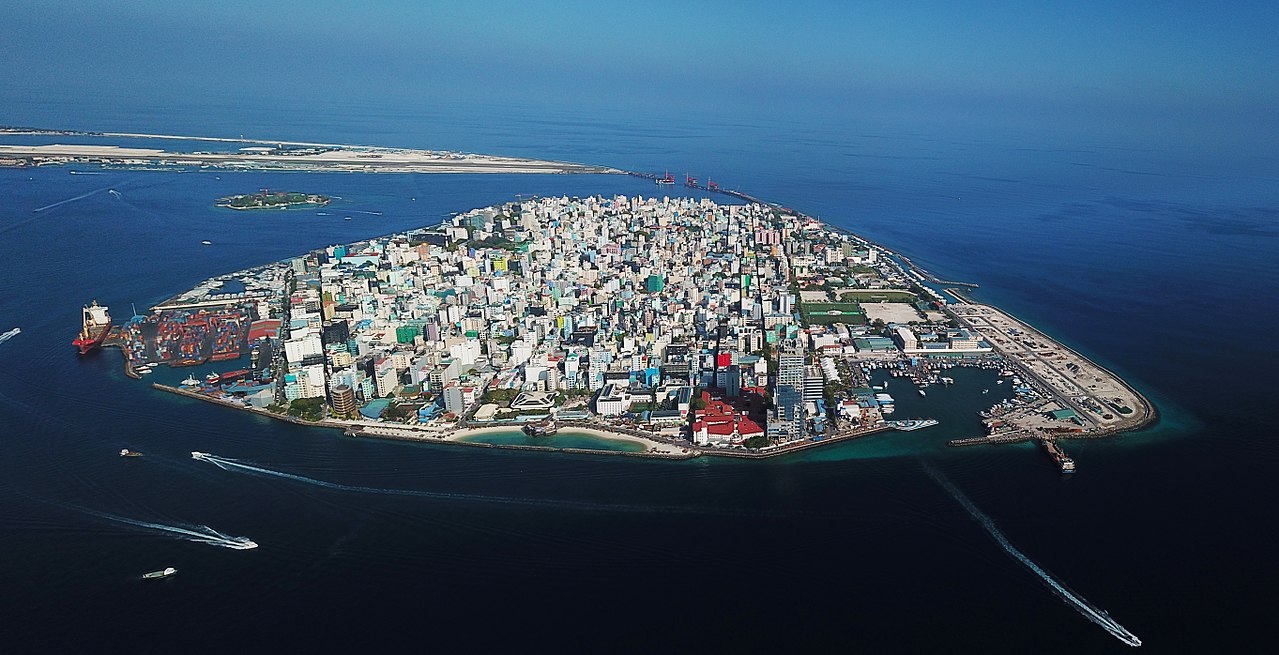
The capital's working tuna market is raw and kinetic — skipjack unloaded from dhonis, auctioned, and sold within the hour. Free and fascinating.
On an inhabited local island, the day's tuna catch is auctioned and cleaned right on the harbor jetty, a working scene rarely glimpsed from a resort pontoon. It is a brisk, unpolished counterpoint to overwater luxury.
Explore the shallow lagoon rim at your own pace, paddling over brain coral heads and schools of sergeant major fish visible in two-metre clarity.
Most resorts offer a full PADI course; the confined-water session in the lagoon and first open-water dive on the house reef can both happen in one afternoon.
A speedboat ride to Maafushi or Thulusdhoo reveals a different Maldives — mosques, cafés, and surf breaks frequented by Maldivians rather than resort guests.
The lagoon's flat calm makes paddleboarding accessible even for beginners — an hour on the board above the coral garden is meditative and surprisingly muscular.
A Balinese massage in a glass-floored treatment room above the lagoon, with the option to watch reef fish through the panels during the session.
Spinner dolphins travel in pods of hundreds across the Maldivian atolls at dusk — a traditional wooden dhoni puts you among them as the sky turns amber.
A traditional wooden dhoni carries a handful of guests out past the reef with hand lines for the local method of catching reef fish. The boat turns back toward the atoll just as the sky starts to color.
A once-in-a-trip meal 5 metres below the surface at Conrad Rangali's Ithaa — manta rays pass the curved acrylic panels as you work through a tasting menu.
Zero light pollution and a near-equatorial latitude mean both hemispheres' constellations visible simultaneously — the Milky Way is a physical presence overhead.
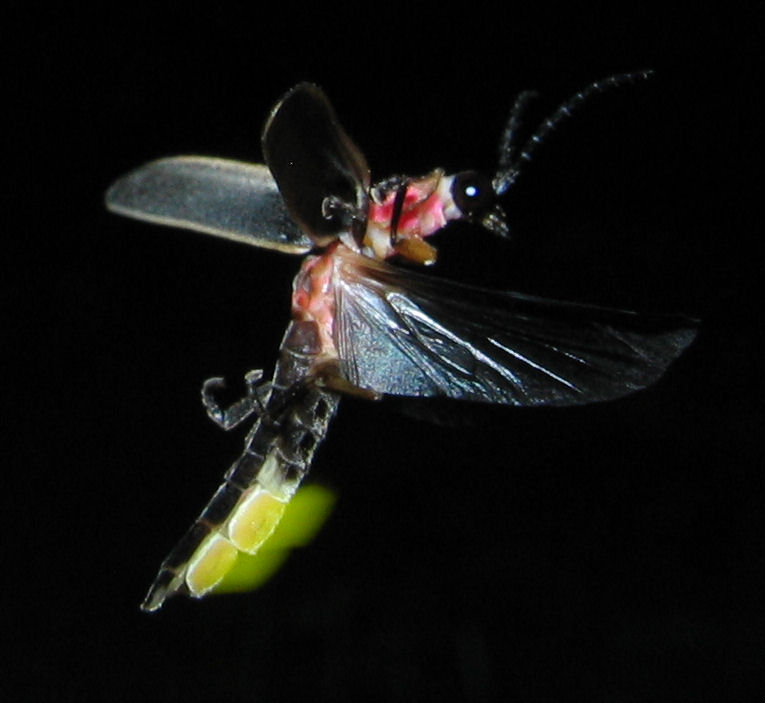
On the right tide and moon phase the wave-line glows electric blue with dinoflagellate plankton — check with the resort marine biologist for optimal nights.
The equatorial sun drops fast and spectacularly over open ocean — position yourself with a passionfruit mojito on the deck before 18:00 and watch the sky perform.
Bodu beru, or 'big drum', is the Maldives' signature music, a hypnotic build of rhythm and dance performed on the beach after dinner. Guests are usually pulled in to dance long before the set ends.
A local dhoni carries guests out past the reef at dusk to hand-line for reef fish by lantern light, a pastime little changed for generations of island fishermen. Whatever comes up on the line often ends up on the grill back at the resort.
A speedboat delivers a table, chairs and a private chef to a strip of sand with nothing else on it, the tide the only other guest. It is candlelight and open ocean in every direction.
Vast stilted villa residences extend over a glittering turquoise lagoon with private plunge pools, a water slide into the sea, and a resident Mr Friday butler devoted exclusively to your comfort for the full duration of your stay.
A retractable roof above the master bed reveals the Milky Way on clear nights, while the on-island observatory, a resident marine biologist, and a water slide curling from the villa deck into the lagoon make every evening unforgettable.
Nestled in a UNESCO Biosphere Reserve famed for manta ray gatherings, the resort pairs lavish overwater and beach villas with a dedicated marine laboratory, two overwater dining venues, and an overwater spa of exceptional calm.
Spread across three private islands with fourteen dining outlets, an over-water spa, and a range of beach, lagoon, and two-storey over-water villas, this is the Maldives at its most architecturally dazzling and comprehensively indulgent.
Rates change — check the live price.
Photography shows the dishes and cuisine — representative, not from the restaurants themselves.
World-famous panoramic acrylic tunnel 5 m below the lagoon — tasting menu changes seasonally; book months in advance.
Signature stone grills on the overwater deck where guests sear prime cuts and fresh Maldivian reef fish on natural volcanic surfaces above a turquoise lagoon — reserve the sunset table.
Three thatched-roof pavilions over reflecting ponds where a live teppanyaki counter, curry kitchen, and tandoor all fire together — the most convivial meal on the Baa Atoll UNESCO Biosphere Reserve.
Hedhikaa short-eats (fish cakes, banana fritters) and fresh Maldivian tuna dishes at a local-island café — about one-tenth of resort prices and far more authentic.
Banyan Tree's Michelin-recognized Thai kitchen delivers aromatic curries and fresh Maldivian seafood in a beachfront pavilion — arguably the finest Thai restaurant in the Indian Ocean.
Barefoot surfers' bar overlooking the legendary Pasta Point break — cold beers and wood-fired snacks while the afternoon's best rides replay on the swell below.
Many Maldivian resorts ban oxybenzone-based sunscreens to protect coral — bring certified reef-safe SPF 50 from home as resort prices are punishing.
Seaplanes only fly in daylight; late arrivals transfer by speedboat and the seaplane leg is rescheduled to morning, which eats directly into your first full day.
Bikinis and shorts are banned on local islands — carry a light sarong and loose top for any excursion to inhabited Maldivian communities.
Resort bills go on the room, but tipping staff, local island cafés, and dhoni captains is done in US dollars — carry plenty of small denominations.
Manta aggregations peak June–November; numbers in the bay are capped daily, so book your snorkel slot through your resort as soon as dates are fixed.