Wellness
Sunrise tai chi on the cruise deck
A hotel-led 6 a.m. session on the fore-deck as the mist lifts from the karsts — the bay at its most otherworldly, lit in soft gold.
Vịnh Hạ Long
Nearly two thousand limestone karsts rise from jade-green water in a seascape that feels conjured rather than geological — best absorbed at dawn from a junk boat, the hills wrapped in mist and utterly silent.
A hotel-led 6 a.m. session on the fore-deck as the mist lifts from the karsts — the bay at its most otherworldly, lit in soft gold.
Paddle your own kayak through low-ceiling sea caves and into hidden lagoons ringed by vertical limestone — only accessible at certain tides.
A stalactite cave on Bo Hon Island with cathedral-scale chambers lit from below, less visited than Sung Sot and far more atmospheric.
The quieter, wilder sibling of Ha Long Bay — Cat Ba Island's eastern coast, with fewer boats and more resident fishermen going about their day.
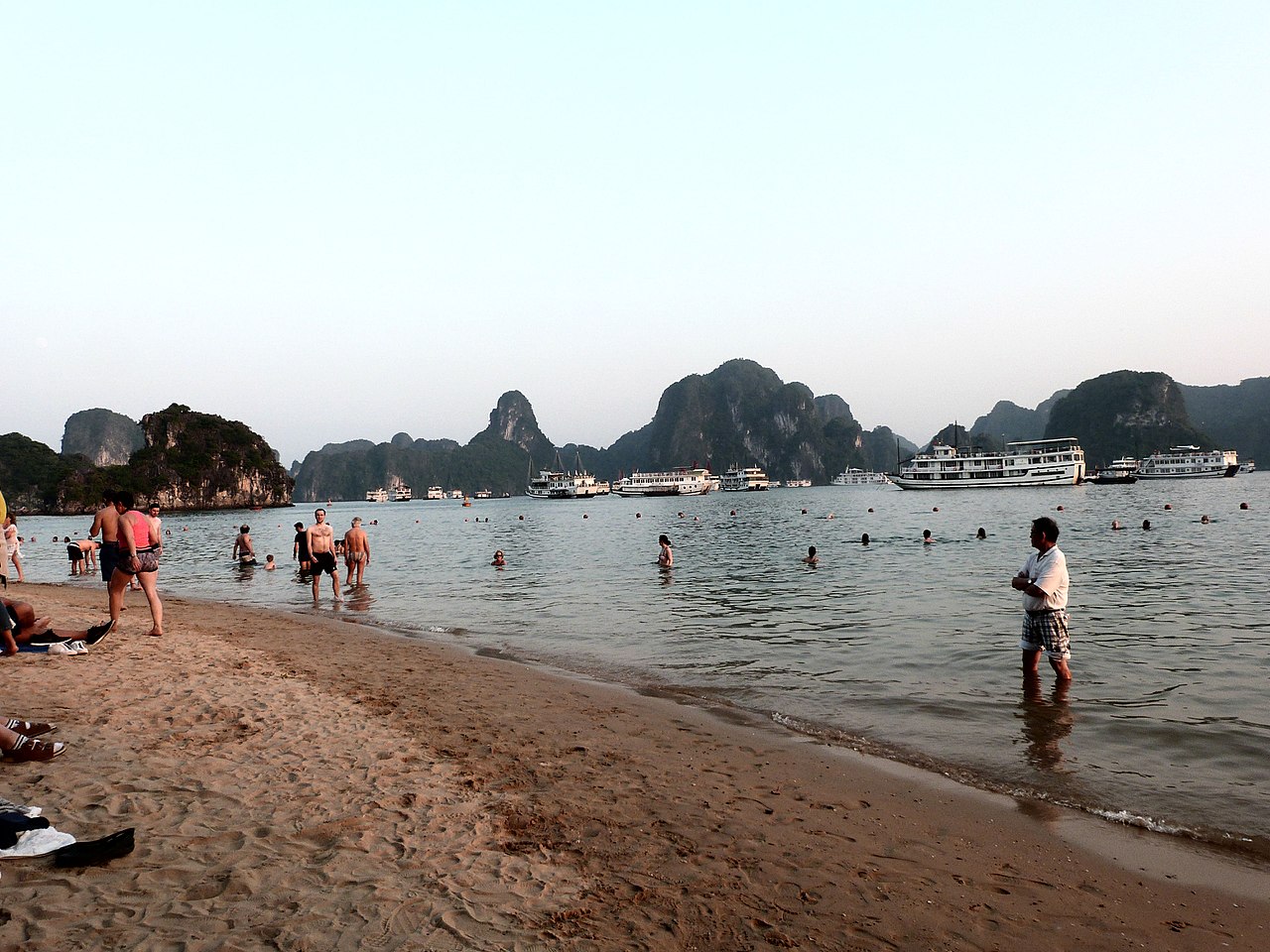
A strip of white sand at the base of a karst island, reached by a short boat tender, before the day-trippers arrive from Ha Long City.
Bolted routes up actual limestone karst faces with the bay glittering below — equipment provided, no prior experience necessary, guides are certified.
Before the bigger tour boats stir, a small fishing crew hauls in nets between the limestone towers, happy to take a few early risers along. It is a quieter, working-harbor view of the bay most itineraries miss.
Ha Long's most celebrated cave: two vast chambers of drip-stone formations, the second large enough to hold a soccer pitch, lit in theatrical colours.
A short skiff ride to Vung Vieng or Cua Van, where dozens of families live year-round on houseboats, raising fish in submerged cages below their floors.
Learn to roll goi cuon and fold banh xeo from the ship's chef, then eat what you have made on the aft deck with a local beer in hand.
Row a bamboo coracle through pearl-farming racks and stilted houses — local guides explain the economics of a life lived entirely on the water.
A trail through Cat Ba National Park's secondary jungle to a hilltop viewpoint over Lan Ha Bay — cool under the canopy, dramatic at the top.
Paddle through the dark cave into a sun-flooded lagoon, swim in warm protected water, and let the guides name every karst on the horizon.
A steep wooden staircase on a lesser-visited islet climbs to a lookout over three peach-shaped peaks and a turquoise lagoon below. The afternoon light picks out every karst silhouette on the horizon.
After dinner, the crew rigs lines off the stern under bright UV lamps — squid drift up by the dozen, and whatever you catch can be flash-grilled.
The crew drops anchor in a sheltered cove as the light goes amber, and a bartender appears with passionfruit mojitos and fresh spring rolls.
Grilled whole fish, lobster, and vegetables cooked over charcoal on the top deck while the karsts turn silhouette against the darkening sky.
Thirty kilometres from shore, with engines off, the bay goes utterly quiet — crew point out constellations over the dark water as the anchor light sways.
As the limestone karsts turn gold, the crew lowers a ladder off the stern for a swim in the bay's still, warm water. Few places reward a dip with quite so dramatic a backdrop.
As darkness settles over the karsts, an acoustic set on the sundeck turns the evening into something unhurried and companionable. Drinks in hand, guests trade stories under a sky already thick with stars.
The crew shares rượu, Vietnam's home-brewed rice wine, alongside stories of life on the bay passed down through generations of boat families. It is a small ritual that turns strangers into shipmates.
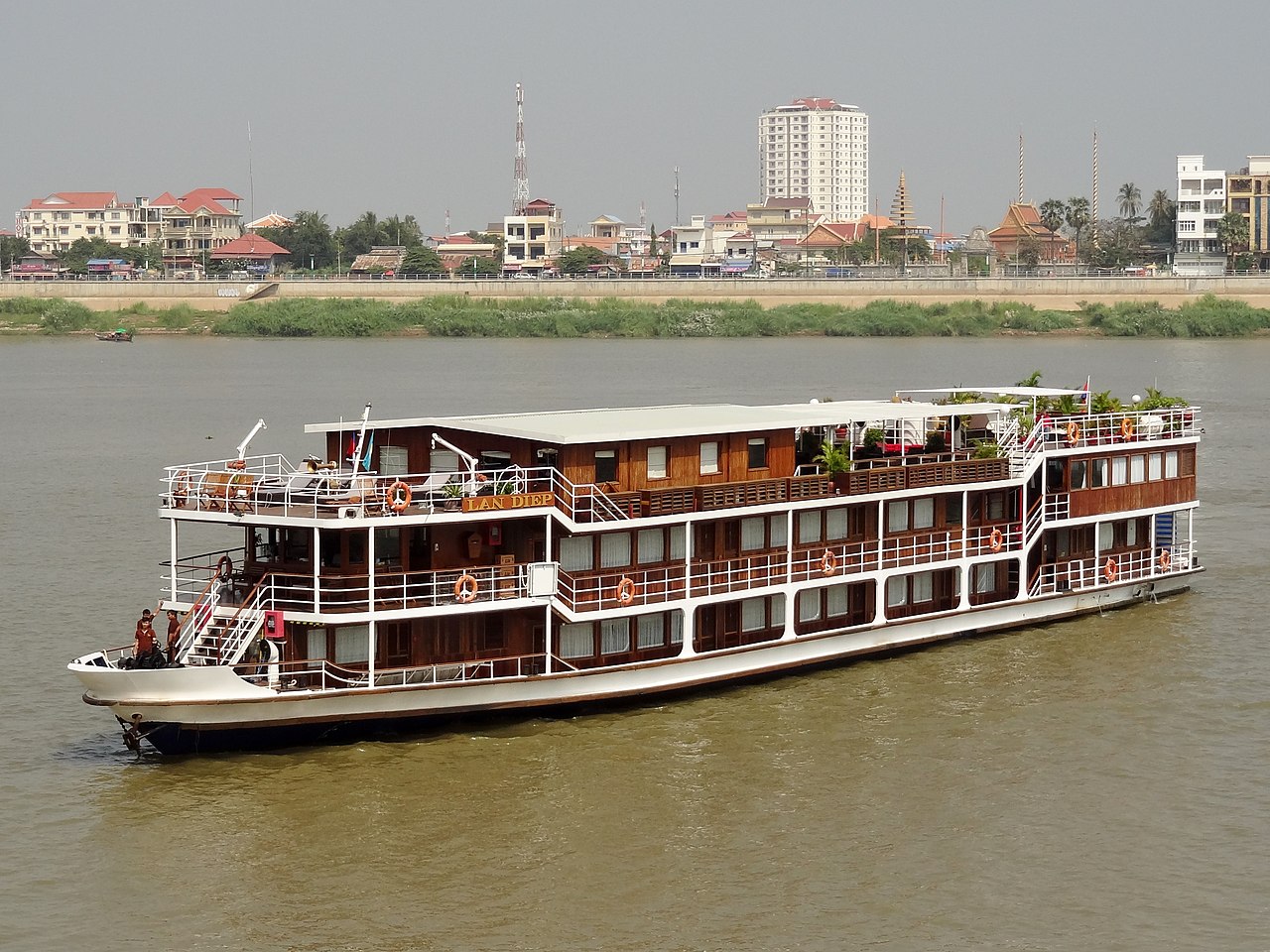
A 37-cabin heritage-style ship with a sundeck Jacuzzi, kayak bays and a private chef who sources the morning's seafood directly from floating fishing villages.
One of Ha Long's longest-standing premium operators offers tiered sundecks, private cave kayaking excursions and a lobster-and-champagne sunset ritual as the limestone karsts turn amber.
Twelve suites aboard a sleek boutique vessel venturing beyond the crowds into the pristine waters of Bai Tu Long Bay, with a rooftop plunge pool and personal butler for each cabin.
Eight opulent suites aboard Halong Bay's most exclusive wooden junk, each with a private Jacuzzi and balcony; butler service, a day spa, and a floating restaurant with a Michelin-advised menu make every anchorage feel like an island of one's own.
Rates change — check the live price.
Photography shows the dishes and cuisine — representative, not from the restaurants themselves.
Multi-course Vietnamese tasting menus built around the day's catch — the dining room has picture windows onto the karsts.
Point at the tanks and they grill it to order — crab, clam, and fresh squid at honest prices in a big, breezy Bai Chay dining hall.
Sidewalk tables right on the water for ca phe sua da while the morning junks head out to the bay — cheap, unpretentious, and always busy.
Ha Long's own noodle soup, built on sweet mantis shrimp instead of beef — the market stalls open early and a bowl costs less than a coffee back home.
The real convivial spot on Cat Ba's seafront — cold Bia Hanoi, a long drinks list, and enough people-watching to fill a sunset.
Not a restaurant but an experience: freshly steamed banh bao and baguettes with pate from the market stalls at 7 a.m.
There is an enormous quality gap between budget day-boats and mid-range overnight junks — at minimum, book a two-day one-night cruise on a certified vessel with recent reviews.
Ha Long Bay is most congested during Vietnamese holidays and July–August weekends. Visit October–April for calmer water and lighter boat traffic.
Cave and island entrance fees are set by the provincial authority; vendors cannot legally charge more. Verify the going rates at your hotel before boarding.
Even in calm water, junk boats' flat keels can be rolly. Take a non-drowsy tablet the night before departure if you are at all prone.
Lan Ha Bay, off Cat Ba Island, has almost identical scenery with far fewer tour boats — any quality operator can route through it instead of the crowded central bay.