St. John's Co-Cathedral
Caravaggio's largest surviving canvas hangs in the Oratory; the gilded floor of Knights' tombstones is equally staggering. Come for opening at 09:00 before tour groups arrive and the light in the nave is at its best.
Baħar u Ġebel
Seven millennia of civilisation pressed into a limestone island smaller than a city: Neolithic temples older than Stonehenge, a Knights' harbour ringed with bastions, and water so clear the shadows of the fish show on the seabed.
Caravaggio's largest surviving canvas hangs in the Oratory; the gilded floor of Knights' tombstones is equally staggering. Come for opening at 09:00 before tour groups arrive and the light in the nave is at its best.
A UNESCO-listed underground necropolis carved 5,500 years ago — visits are capped at ten people per hour. Book months in advance; this is the single most unmissable experience in Malta.
The oldest free-standing stone structures on Earth align precisely with the equinox sunrise — arriving early means limestone corridors almost entirely to yourself and the birds.
Cars are all but banned from the medieval walled capital; mornings before 09:30 are almost churchyard-quiet before day-trippers arrive and the coffee shops wake up.
Traditional water-taxi tour of the fortified harbour walls, the Three Cities creeks, and the submarine base — the best way to grasp the sheer scale of what the Knights constructed.
Twenty-five minutes on the Gozo Channel ferry, then a steep climb to the Ċittadella above Victoria — its ramparts encircle the entire old city and frame views of every field on the island.
Beside Mdina's quiet twin town, a network of Roman-era catacombs burrows beneath the streets, complete with carved agape tables once used for funerary meals. Above ground, Rabat's churches and townhouses reward a slow walk.
Vittoriosa, Cospicua, and Senglea formed the original Knights' stronghold; wander the fortified alleys, the Inquisitor's Palace, and the waterfront cafés that most tourists never find.
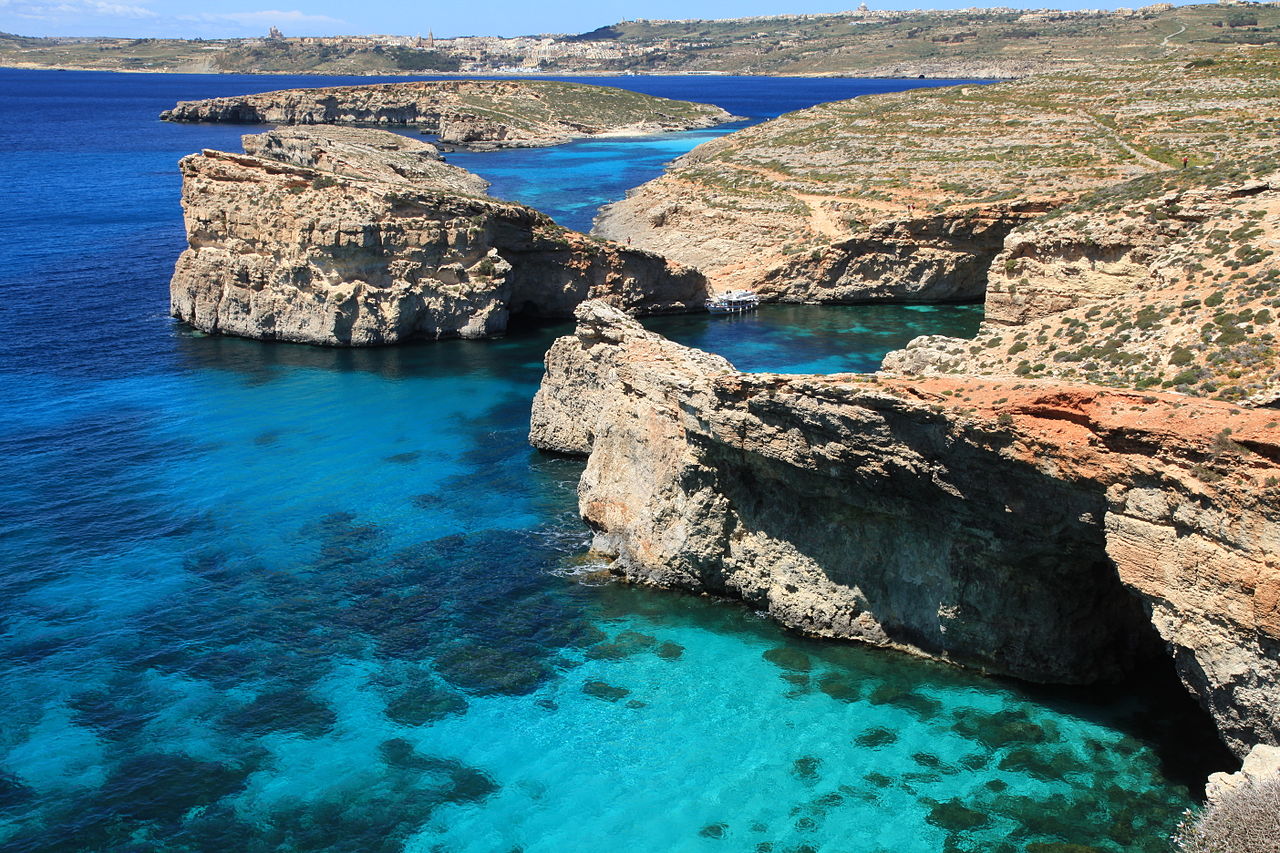
The neon-blue channel between Comino and Cominotto is impossibly vivid; catch a mid-afternoon boat to avoid the morning rush and stay until the day-trippers head back.
The Sleeping Lady figurine and the Fat Lady statuettes from the temples — intimate evidence of a civilisation that preceded Egypt's pyramids by a millennium.
Colourful luzzu fishing boats crowd the quay while the Sunday market sprawls along the front — swordfish, lampuki, and fresh octopus for a euro beside the painted hulls.
Six interconnected sea caves lit an electric cobalt from below; the ten-minute motorboat ride through the arches is one of Malta's most photographed passages and never disappoints.
The highest point in Malta sits at a modest 253 metres, but the views over the Filfla islet and the open sea reward the afternoon stroll generously with very little company.
A crescent of soft sand backed by sandstone cliffs on Malta's northwest coast, Golden Bay is the island's best swimming beach away from the harbour towns. Late afternoon light turns the cliffs a deep amber.
The noon and 16:00 cannons fire from the saluting battery below; stay for the second volley, then watch the harbour turn gold from the colonnaded terraces — the best free view in the capital.
The evening passeggiata fills the pedestrianised main street; join locals on café terraces for a Kinnie (Malta's bittersweet national soft drink) or a cold Cisk lager.
The Victorian market hall is now a food-and-culture venue; live Maltese folk music often fills the central atrium on Thursday and Saturday evenings, with no cover charge.
Several of Valletta's finest restaurants occupy the thick-walled subterranean vaults of Knights-era buildings — candlelit, atmospheric, and absorbing well into the small hours.
Paddling the Grand Harbour after dark reframes Valletta entirely, its honey-coloured fortifications lit from below and doubled in the still water.
A late-night Maltese habit rather than a meal, warm ricotta and pea pastizzi eaten standing up at a corner shop, ideally with a cheap glass of local wine in hand.
Tucked into one of Valletta's restored townhouses, a small piano bar keeps things low-lit and unhurried, the kind of place suited to a nightcap rather than a night out.
Standing sentinel at the gates of Valletta in an original 1947 neoclassical building, The Phoenicia's six-acre garden pool, afternoon tea under vaulted loggias, and suite views of the Grand Harbour define classic Maltese grandeur.
A 16th-century palazzo within UNESCO-listed Valletta, Palazzo Ignazio's hand-carved limestone interiors, sun-drenched rooftop terrace, and curated private access to Malta's baroque churches provide rare cultural intimacy.
Rising above its own private lido on a St. Julian's Bay promontory, Corinthia's six-pool complex, a thalassotherapy spa, and sunset dining terrace deliver the most complete resort experience in the Maltese islands.
Hidden in 42 acres of wild Gozitan cliffs and garrigue, Ta' Cenc's stone bungalow suites, a subterranean spa hewn from the rock, and stargazing under some of the darkest skies in Europe make it the Mediterranean's most elemental luxury escape.
Rates change — check the live price.
Photography shows the dishes and cuisine — representative, not from the restaurants themselves.
Malta's most talked-about tasting menu: hyper-local ingredients and Maltese kitchen traditions reframed with real ambition and a serious natural-wine list.
Converted farmhouse on Gozo serving the freshest island catch — the grilled lampuki (dorado) is unmissable in season; book weeks ahead.
Old-school Valletta bistro for rabbit stew (fenkata), bigilla bean dip, and pastizzi. Unpretentious, genuinely local, and entirely reliable.
A pilgrimage stop for pastizzi straight from the oven — ricotta or mushy peas, always warm, always a few cents each, eaten on the street outside.
Wine-focused basement bar in an old bakery vault; good Maltese Marsovin or Meridiana poured alongside local cheese boards and charcuterie platters.
Grilled fish and risotto on a glass-fronted terrace directly above Spinola Bay — book a window seat at sundown for the full effect.
The Ħal Saflieni Hypogeum caps visitor numbers strictly; slots on the Heritage Malta site sell out weeks in advance and cannot be bought at the door.
Malta's bus network covers the entire island; a Tallinja card halves the per-journey fare against buying tickets on board and is available at the airport on arrival.
Gozo is substantially calmer after the day-trip boats return to Malta — book at least one night in Victoria or a Gozitan farmhouse conversion.
Late September offers near-identical sea temperature to August with significantly fewer visitors and lower accommodation rates across the archipelago.
Malta sits at the latitude of Tunisia — UV levels are high from April through October, and the constant sea breeze can disguise how quickly you're burning.