Hike
Gros Piton Nature Trail
Steep four-hour return climb to 771m on forest paths and rock steps. A local guide is compulsory and comes with the fee paid at Fond Gens Libre.
Volcanic Peaks & Warm Green Water
Two volcanic spires rise straight out of the Caribbean, and everything on Saint Lucia arranges itself around them — rainforest above, reef below, a steaming caldera you can drive into, and a west coast of black-sand coves.
Steep four-hour return climb to 771m on forest paths and rock steps. A local guide is compulsory and comes with the fee paid at Fond Gens Libre.
Vehicles roll to the lip of a collapsed caldera where grey mud boils and sulphur hisses. Guided viewing platforms only; the mud baths are a short walk downhill.
A mineral-stained waterfall running orange and ochre in gardens laid out on the old Soufrière Estate, with warm outdoor baths built for Louis XVI's troops.
Forty-five easy minutes on a community-run ridge path to the Stairway to Heaven, with both Pitons framed one way and Martinique faint the other.
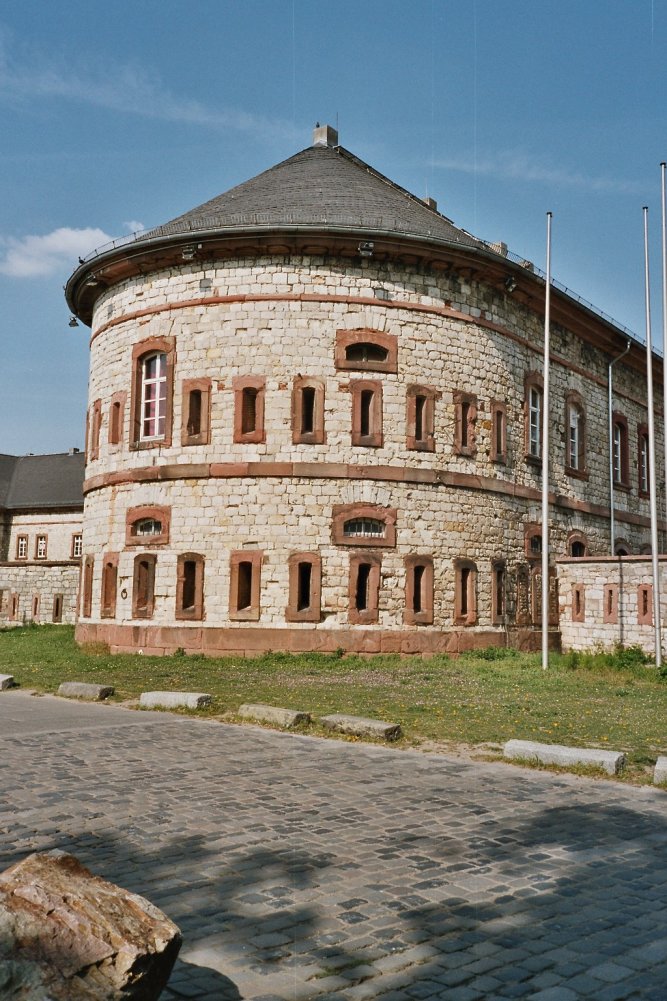
Fort Rodney's ruins climb a causeway-linked islet the British used to watch the French fleet at Martinique. Twenty minutes up for the best view north.
Saturday is the loud one: dasheen, green figs, cocoa sticks and bay-leaf oil under a red iron roof, with the craft arcade and food stalls alongside.
One of the Caribbean's best shore-entry reefs sits metres off a dark-sand beach inside a marine reserve — parrotfish, sponges and a wall dropping away fast.
Warm mineral pools below the caldera where you smear on grey volcanic mud, let it dry, then rinse in the hot stream. Wear a swimsuit you can ruin.
Imported white sand in the channel directly between Gros and Petit Piton. Public access is a legal right; walk in past the resort gate and use the far end.
The island's first French capital: a working waterfront, wooden verandas with fretwork, and Lady of Assumption church on a square shaded by huge trees.
The Pitons only make sense from the water. Boats run from Rodney Bay and Soufrière down the leeward coast, usually with a snorkel stop and a swim.
Fond Doux and Hotel Chocolat's Rabot estate both run bean-to-bar tours above Soufrière: walk the cacao groves, then temper and mould your own bar. Book ahead.
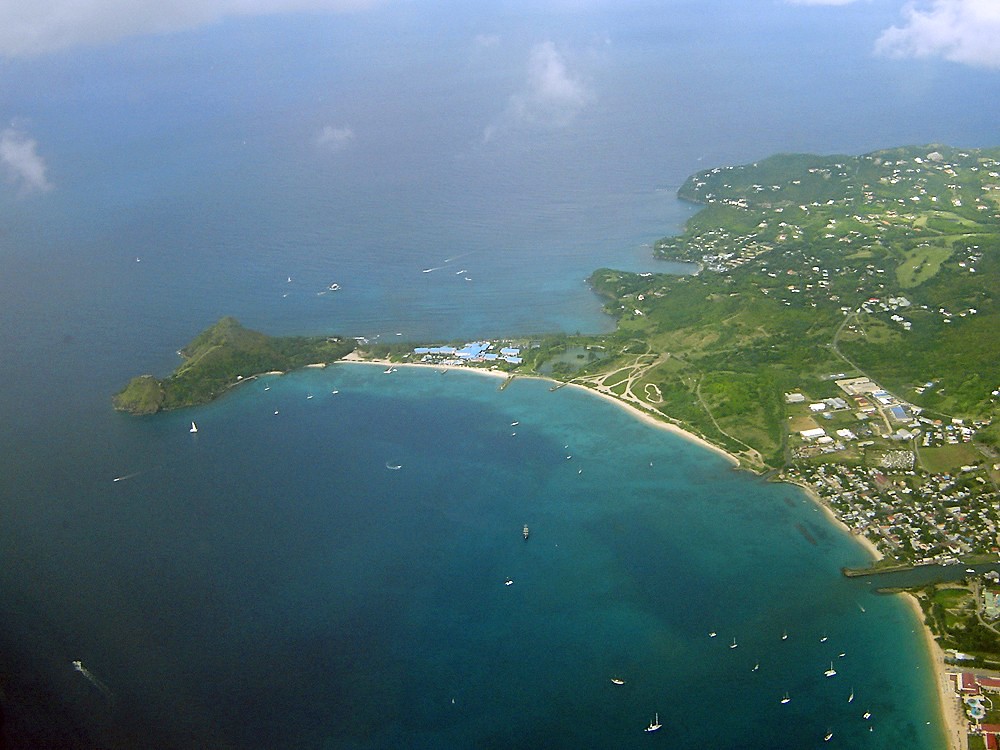
The north's long calm strip at Rodney Bay: flat water, sunbed rental, paddleboards, and a row of bars to walk to when the sun gets serious.
Rainforest Adventures runs an aerial tram and a zipline course through the Castries Waterworks reserve at Chassin, above Babonneau. Combine the two; book ahead.
The island's long-running Friday jump-up: speakers in the road, grilled fish and chicken from oil drums, rum by the plastic cup. Loud, local and cash-only.
This fishing village closes its waterfront for lambi, grilled snapper and bakes, but only on the last Friday of each month — check the date before driving down.
The whole west coast faces the sunset. From a ridge above Soufrière the light goes gold behind Petit Piton, then the frigatebirds come in low.
Ladera's open-walled restaurant sits 1,000 feet up with the Piton channel filling the fourth wall. Book the early seating to eat in daylight.
A deep mangrove-ringed hurricane hole full of mast lights, with a small ferry shuttling across the inlet and dockside bars that stay open late.
Every village has one: a lit doorway, dominoes on a board, Chairman's Reserve or Bounty poured neat. Order a small bottle and a chaser like a local.
Antillia Brewing Company brews on the island and pours flights beside the marina — a decent landing spot before the Friday crowds build in Gros Islet.
Sanctuaries with the fourth wall missing and an infinity pool in each one, aimed straight at the Pitons. Adults-only and famously no televisions.
Open-walled suites built into the ridge inside the Piton World Heritage site, each with a plunge pool hanging over the channel.
The original Soufrière hideaway, spread over a hillside above its own reef beach, with the island's best dive operation on site.
Spanish-Caribbean villas on a headland at the island's northern tip, with a private cove reached by steps and The Cliff restaurant above.
Rates change — check the live price.
Photography shows the dishes and cuisine — representative, not from the restaurants themselves.
Open-sided dining room 1,000 feet above the Piton channel. Modern Creole cooking, and the view is genuinely the best from any table on the island.
Chef Orlando Satchell cooks a five-course farm-to-table tasting menu in a courtyard garden — breadfruit, cocoa, sea moss. Book it; the room is small.
A clifftop terrace at Cap Maison with French-Caribbean seafood and a serious wine cellar. Sunset seatings book out; ask for the rail.
Plain room on the street that hosts the Friday jump-up, doing enormous plates of creole shrimp, snapper and breadfruit for a fraction of resort prices.
Third-generation West Indian kitchen on a deck over the bay, with yachts at the mooring, daily happy hour and reggae nights midweek.
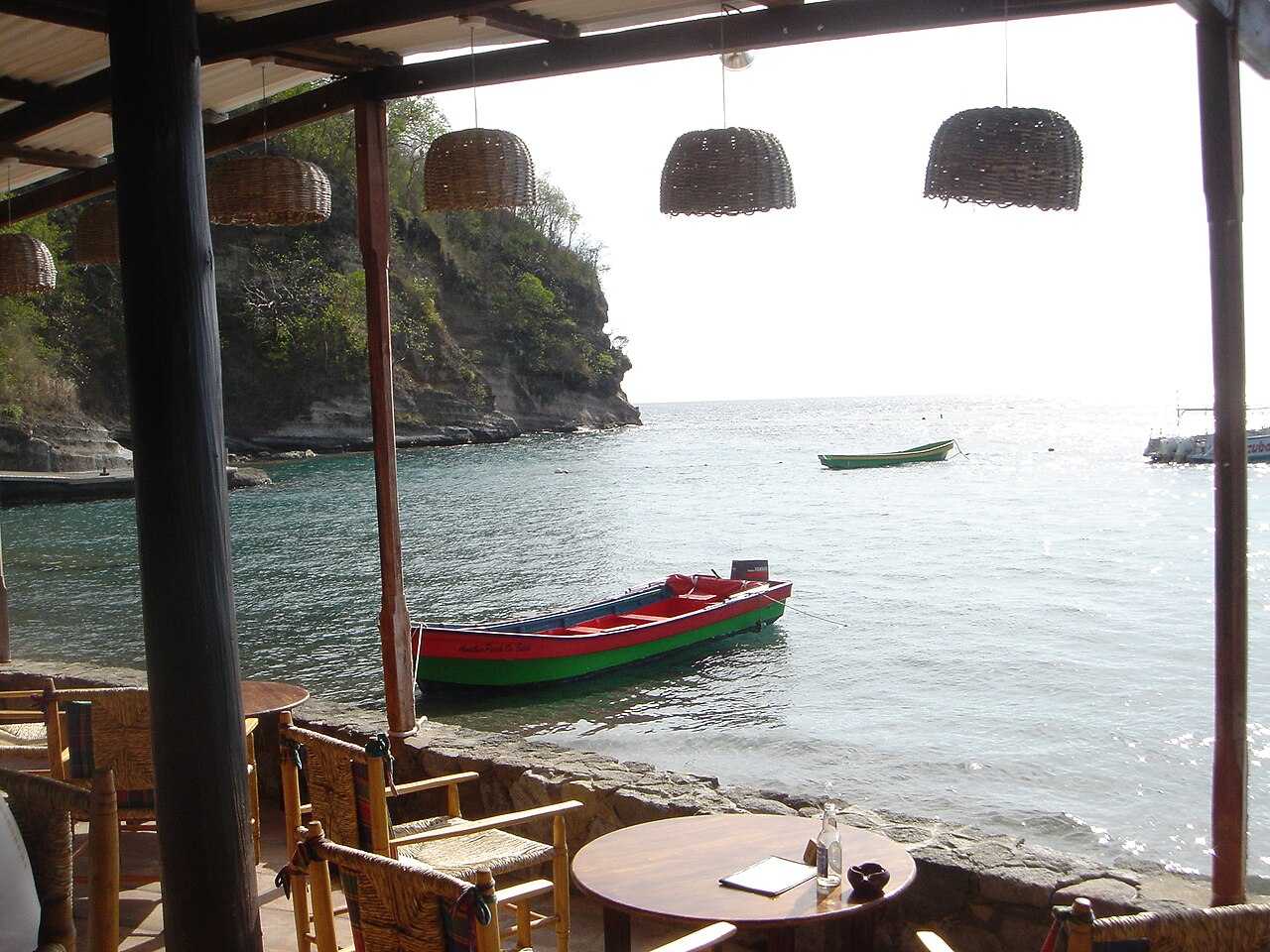
Feet-in-the-sand lunch spot at the quiet end of Reduit — roti, fish sandwiches, cold beer, and the water two steps away.
June to November is the Atlantic hurricane season, peaking August–October. Rates drop hard; take travel insurance and watch the forecast rather than avoiding it outright.
Guides are compulsory and arranged at the Fond Gens Libre interpretive centre. Turn up early — the trail is steep, humid and best climbed before mid-morning.
Roads are narrow, steep and unlit at night, with the Castries–Soufrière run taking well over an hour. Many visitors use drivers rather than hiring a car.
The EC dollar is pegged near 2.70 to the US dollar. Hotels quote USD, small vendors want EC, and change from USD notes comes back in EC.
Every beach in Saint Lucia is public to the high-water mark, including the ones in front of resorts — but access roads and sunbeds are not.