Machu Picchu citadel at sunrise
Enter at 6 am as cloud burns off the terraces and the citadel reveals itself stone by stone. Book the morning slot — afternoon mist often obscures the finest views.
El Ombligo del Mundo
The Inca Empire's imperial capital sits at 3,400 metres of altitude and colonial grandeur, the gateway to a citadel that emerged from the clouds above a river bend to astonish the twentieth century.
Enter at 6 am as cloud burns off the terraces and the citadel reveals itself stone by stone. Book the morning slot — afternoon mist often obscures the finest views.
Massive zigzag walls of interlocked limestone above Cusco, fitted without mortar so precisely that a piece of paper cannot be slipped between the stones.
The Inca empire's holiest site — gold-sheathed walls once blazed at sunrise; today it sits beneath the colonial Santo Domingo convent in a study of conquest.
Chicha morada, dried medicinal herbs, freshly squeezed juice, and Andean textiles — the city's working market is where Cusco actually eats breakfast.
A 4 am departure reaches the coloured ridgeline before tour buses; mineral-rich geology striates the mountain in candy bands of red, yellow, and green.
Hundreds of individual salt terraces cascade down a hillside, still worked by the same families as in Inca times. Dazzling in clear morning light.
In this Andean village above the Sacred Valley, women's weaving cooperatives demonstrate the full process of turning raw alpaca wool into textiles, from washing with root-based soap to dyeing with cochineal and plants. Visitors are welcome to try the backstrap loom themselves before browsing the finished cloth.
Hilltop terraces and temples overlooking the valley floor, followed by the best artisan textile market in the Sacred Valley in the town below.
The Inca's finest surviving military and religious complex, where a narrow valley allowed them to repel Spanish cavalry in one of the Conquest's great reversals.
Concentric circular terraces used as an agricultural laboratory to test crops at different microclimates — an engineering feat that still puzzles historians.
The Spanish built this baroque masterpiece over the palace of Inca Viracocha using stones from Sacsayhuamán. The Cusco School paintings inside are extraordinary.
Ride Peruvian Paso horses through patchwork quinoa fields and villages where women weave on backstrap looms under courtyard eaves.
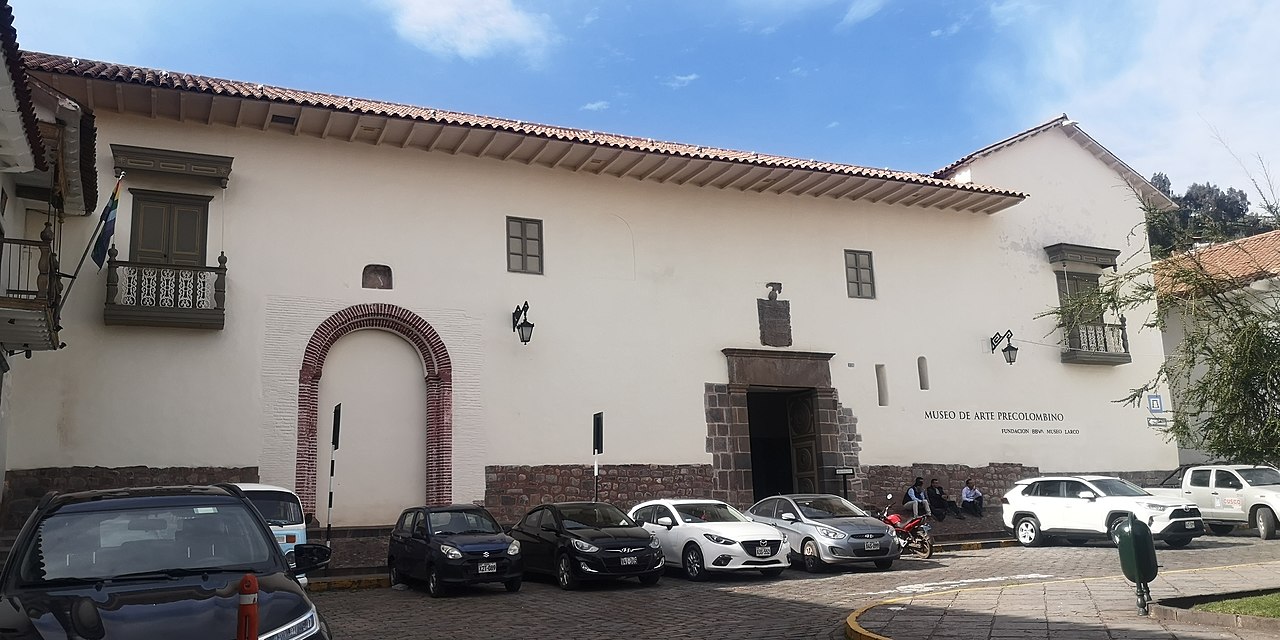
Pre-Columbian ceramics, weavings, and gold work narrate 5,000 years of Andean civilisation in a refined colonial mansion. Quiet and rarely crowded.
A short drive from Cusco, this small Inca site channels spring water through stone terraces and aqueducts still flowing after five centuries, thought to have served a ceremonial bathing function for Inca nobility. It pairs well with the nearby ruins on the same afternoon circuit.
A Cusco bartender teaches the proper ratio of pisco to lime to egg white; the national drink becomes impossible to order any other way afterwards.
The bohemian barrio above the Plaza de Armas: workshops of master wood-carvers, art galleries, and a dozen candlelit restaurants on cobbled lanes.
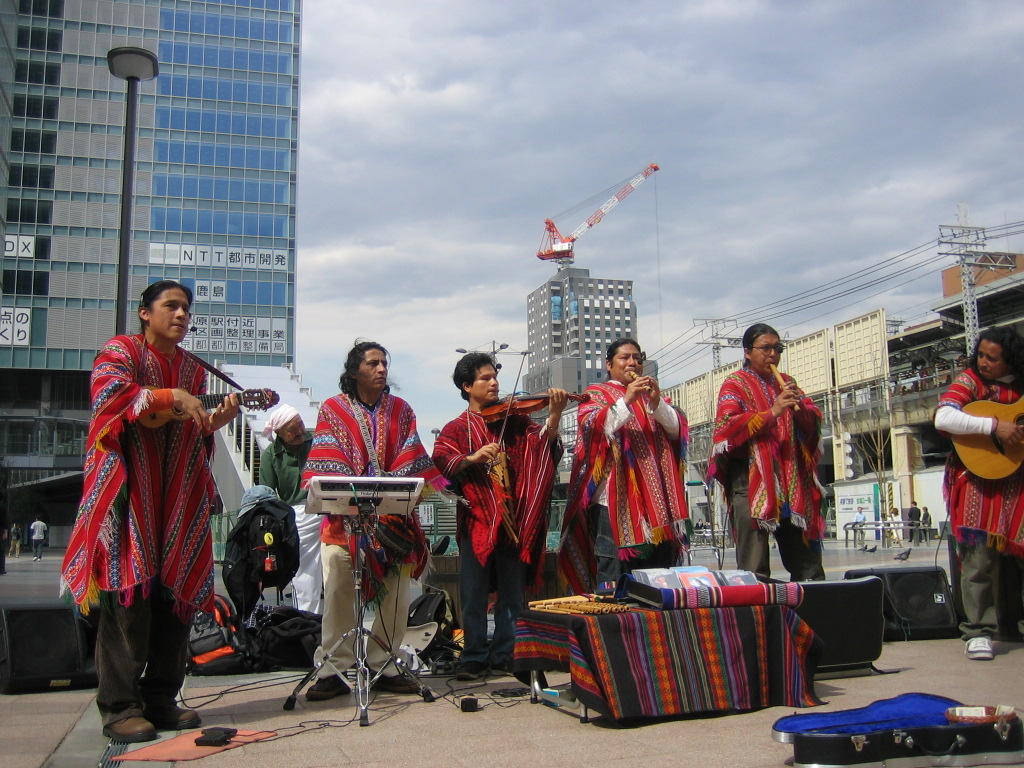
Traditional chicha corn beer, alpaca stew, and chupe de camarones while dancers perform the Marinera and highland dances in full embroidered costume.
At 3,700 m with near-zero light pollution, the Milky Way is a physical presence. A guide identifies the dark-cloud constellations the Inca read between the stars.
Once the sun drops behind the surrounding hills, floodlights pick out the carved stone facades of the Cathedral and La Compañía, and the plaza fills with strolling families and vendors selling roasted corn. It costs nothing but a bit of time to take in one of South America's most handsome squares after dark.
Chicherías, marked by a red plastic bag or flag hung outside the door, have poured fermented purple corn chicha to locals for centuries, and a couple of stops make for an easy, informal introduction to Andean drinking culture. Expect plastic cups, simple snacks, and very little pretense.
A short uphill walk from the train station, the thermal pools that gave this town its name stay open into the evening, their mineral-warm water a welcome remedy for legs tired from the ruins. Locals and travelers mix easily here, swapping notes on the day's climb.
The only hotel at the entrance to Machu Picchu — awaken before dawn, walk five minutes to the Sun Gate, and experience the world's most iconic archaeological wonder without the crowds, then return for a gourmet Andean dinner.
Forty whitewashed casitas nestle within a cloud-forest garden of 372 native orchid species — naturalist-led night walks, a private cloud-forest trail to the ruins, and thermal pools beneath ancient Incan agricultural terraces.
A 16th-century mansion built directly atop Incan palace foundations, Palacio del Inka's 203 rooms wrap gold-leaf ceilings and Spanish colonial art around the oldest inhabited structure in the Western Hemisphere.
The only hotel in Cusco with an outdoor heated pool — a former 16th-century convent reimagined with 55 suites that blend whitewashed colonial walls with bespoke contemporary furnishings and a rooftop bar above the Plaza de Armas.
Rates change — check the live price.
Photography shows the dishes and cuisine — representative, not from the restaurants themselves.
Virgilio Martínez's altitude laboratory: every dish a hyperlocal Andean ecosystem. Reserve months in advance.
Acurio's Cusco outpost serves regional classics — cuy chactado, rocoto relleno — in a handsome colonial courtyard.
Stone courtyard, wood oven, and generations-old recipes for slow-braised alpaca and potato chupe.
The city's favourite morning stop: excellent Peruvian drip coffee and towering sandwiches of avocado and Andean cheese.
Leche de tigre so sharp it cures altitude headache — a Cusco institution beloved by locals and visiting chefs alike.
Running since 1941 in San Blas — ceramic mugs of house chicha alongside classics like lechón and cuy in a lived-in local dining room.
Spend at least two nights in Cusco at rest before Rainbow Mountain or the Inca Trail — altitude sickness above 4,000 m can end a trip.
Timed-entry tickets sell out weeks ahead in high season (June–August); the system requires your passport number at booking.
Artisans and market vendors prefer soles; card readers exist in Pisac but connection drops mid-payment regularly.
Temperatures swing 20°C between dawn at the ruins and midday in Aguas Calientes — pack a down layer and rain shell for every highland day.
Locals swear by coca-leaf tea for mild altitude symptoms; it is legal, widely served, and gentler on the stomach than altitude medication.