Christ the Redeemer at sunrise
The cog train climbs through Atlantic forest to deliver you to the outstretched arms at first light, with the city spread across the bay far below. Book the earliest slot.
Cidade Maravilhosa
A city compressed between the Atlantic and sheer granite peaks, where the working week ends at the beach and the hillside communities have produced some of the most joyful music on earth.
The cog train climbs through Atlantic forest to deliver you to the outstretched arms at first light, with the city spread across the bay far below. Book the earliest slot.
Two cable-car stages rise to the iconic peak; from the top, the full sweep of Guanabara Bay reveals why early Portuguese sailors called this paradise.
The rack railway through the world's largest urban tropical forest is a journey in itself — toucans are spotted from the window on lucky mornings.
Set up between posto 9 and 10 — the beautiful-people zone — order a mate from a beach vendor and enter one of the world's most democratic public spaces.
Sunday's open-air artisan market along Praça General Osório: hand-painted tiles, carnival masks, hammered silver jewellery, and freshly squeezed açaí.
The hillside bohemian quarter where artist studios, mosaic-covered walls, and bougainvillea-draped colonial mansions tumble down toward the city centre.
Founded in 1808, this botanical garden at the foot of the Corcovado massif holds an avenue of towering imperial palms, water-lily ponds, and resident capuchin monkeys that swing through the canopy overhead. Morning light and birdsong make it one of the calmest hours in the city.
A tandem flight from a ramp in the Atlantic forest delivers you onto Pepino beach, with São Conrado far below and the mountains rising at your back.
An Italianate mansion set in wild Atlantic forest gardens, now home to art school studios open to visitors — the poolside café is Rio's most photogenic coffee stop.
Santiago Calatrava's striking science museum on the revitalised Porto Maravilha quayside explores sustainability, future cities, and the anthropocene.
Chilean artist Selarón tiled 215 steps in ceramics donated from 60 countries; the nearby Roman-style Lapa Arches frame the view south.
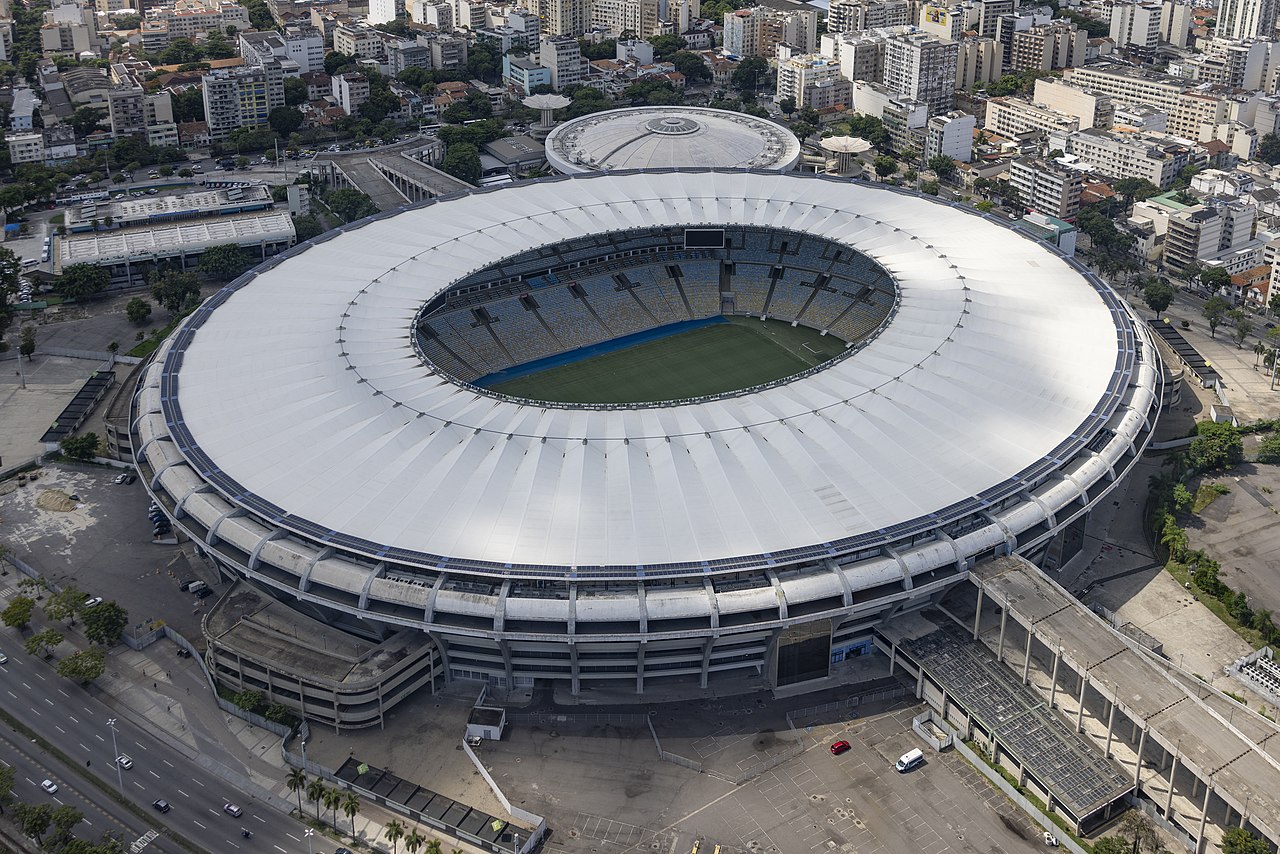
Walk the hallowed turf where Pelé played and the 2014 World Cup final was decided; the trophy room tells the entire story of Brazilian football.
Easy trails through cloud forest lead to the Cachoeira das Almas and Cascatinha Taunay, two accessible falls inside the world's largest urban tropical forest.
A paved path circles this saltwater lagoon between Ipanema and the mountains, rented bikes and pedal boats offering an easy way to take in kiosks, joggers, and views of Christ the Redeemer over the water. Late afternoon brings the softest light and the biggest crowds of locals winding down after work.
From August onwards, top escolas like Mangueira and Salgueiro open their quadra rehearsals to visitors — drums, sequins, and the most infectious percussion on earth.
The rocky point between Ipanema and Copacabana draws hundreds of cariocas every evening; when the sun touches the horizon the crowd erupts in applause.
The arts district ignites after 10 pm: open-air pagode bars, forró clubs, and the legendary Circo Voador venue where Rio's best bands play under the stars.
Cold Brahma draught beer in a frozen mug, grilled queijo coalho, and Sugarloaf lit gold across the bay. The Cobal do Humaitá strip is Rio's most local evening option.
This hillside overlook above Botafogo frames Sugarloaf, Christ the Redeemer, and the curve of Guanabara Bay in a single sweep, and it empties out just as the sunset crowd at Arpoador thickens. Arriving by taxi just before dark avoids both the heat and the queues.
In the old port district, an open-air samba circle has gathered on these stone steps since the neighborhood's Afro-Brazilian dockworkers founded it more than a century ago. Monday nights draw the biggest crowd, with musicians packed onto the steps and everyone else dancing in the street below.
A guided tasting moves through variations on Brazil's national cocktail, from classic lime and cachaça to versions built around passionfruit and jabuticaba, paired with small plates of coxinha and pastel. It is a relaxed, sociable way to start an Ipanema evening before dinner.
The white-stucco dowager of Copacabana Boulevard, open since 1923 — its pool was once the only private one in Rio, its terrace still the definitive Carnival vantage point, and its Princess suite counts royalty among former guests.
Philippe Starck's sinuous curves and a legendary rooftop pool above Ipanema Beach make Fasano Rio the city's most stylish address — the rooftop bar is where Rio's creative class begins every evening.
Set within a 19th-century colonial mansion on Santa Teresa's artistic hillside, this 44-room MGallery property pairs cobblestone-era grandeur with a mosaic-tiled pool, bespoke artisan experiences, and panoramic Guanabara Bay views.
A bold contemporary tower steps from Copacabana's famous mosaic promenade — Emiliano's rooftop pool, colour-saturated suites with private sun terraces, and a spa delivering Brazilian bodywork rituals set a new standard for Rio luxury.
Rates change — check the live price.
Photography shows the dishes and cuisine — representative, not from the restaurants themselves.
Unlimited parade of skewered meats carved tableside — picanha, fraldinha, and lamb chops. The salad bar alone is worth the cover price.
Rafael Costa e Silva's two-Michelin-starred tasting menu uses Atlantic Forest ingredients and biodynamic produce. The most intellectually ambitious kitchen in Rio.
Claude Troisgros' Michelin-starred revival — just 20 seats and eight luminous courses that marry classical French discipline with the wild abundance of Brazil's Atlantic Forest; the tucupi-glazed fish dishes are masterclasses in restraint.
The quintessential Rio bar: pastéis de camarão, cold beer, and noise enough for the whole neighbourhood. A dozen locations citywide.
The Ipanema institution for post-beach recovery: dense açaí bowls, fresh coconut water, and a dozen tropical juices blended to order.
Roberta Sudbrack's acclaimed return — a Michelin-listed house in Jardim Botânico where a daily-changing menu built on small-producer ingredients and a wood-fired oven delivers some of the most soulful cooking in the city.
Ride-share apps are safer, trackable, and usually cheaper than hailing taxis; share your live trip with a contact for routine peace of mind.
Leave the watch, jewellery, and DSLR at the hotel — a cheap waterproof pouch for phone and cash is the Ipanema standard.
Timed entry for the tram and access platform sells out weeks ahead in summer; the early 8 am slot has the best light and fewest crowds.
Sambodromo tickets for the escola parade, bloco routes, and accommodation all disappear by November for February's event.
Municipal water is officially safe but many locals filter; a filter bottle covers long beach days and hike refills without generating plastic waste.