Hike
Los Torres base hike at dawn
Begin the 4-hour ascent before light to reach the granite towers as alpenglow ignites them orange. The lake below mirrors them perfectly in still conditions.
Fin del Mundo
At the end of the Americas the wind sculpts mountains into towers and the ice fields feed rivers of blue-grey glaciers. A landscape so extreme it feels borrowed from another planet.
Begin the 4-hour ascent before light to reach the granite towers as alpenglow ignites them orange. The lake below mirrors them perfectly in still conditions.
Walk the lateral moraine of the Grey Glacier and touch 10,000-year-old ice at its calving face, where deep-blue seracs break off into the lake below.
Paddle among free-floating icebergs in shades from chalk-white to electric turquoise. The relative silence brings you close to the glacier's creak and crack.
The lagoon's pink tinge at dawn comes from hundreds of Chilean flamingos feeding in the shallows. Guanacos graze the pampas on the walk in.
The dramatic central valley of the W Trek, flanked by hanging glaciers and a natural amphitheatre where seracs boom and echo across the hillside.
The river that drains the park's southern lakes runs glassy at first light; kingfishers and Andean condors are regular company on the water.
A short, well-marked trail leads from Lago Nordenskjöld to this thundering waterfall that empties into Lago Pehoé, the Cuernos del Paine framed perfectly behind it. Arriving soon after the park gates open avoids both the midday wind and the tour buses.
A short afternoon walk to a rocky outcrop where Andean condors ride the thermals in slow, majestic circles. Wingspan up to 3.2 metres; binoculars essential.
The cave where a preserved ground-sloth skin was found in 1895 — a 10,000-year-old creature at a scale that makes the life-size model outside feel plausible.
A rigid inflatable weaves among icebergs to within 200 m of the glacier's calving face; the sound of ice cracking is felt as much as heard.
Artisans in this small frontier city sell hand-knitted merino, carved wooden condors, and dried flower arrangements that survive the journey home.
Estancia horses under a huge sky, moving through wind-bent lenga beech and over volcanic scree. Local gauchos accompany and narrate the land.
Learn to butterfly and cross-stake a whole Patagonian lamb for the traditional asado al palo, cooked beside a fire for three slow hours.
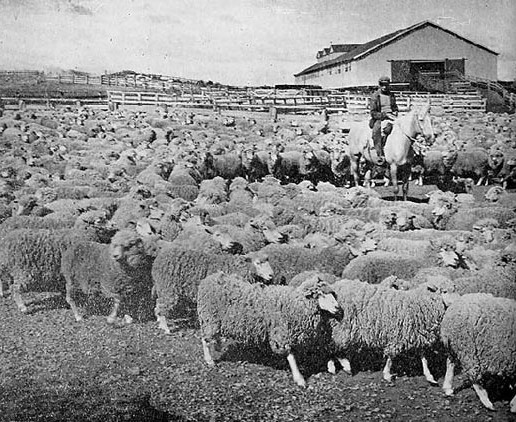
On a working ranch outside Puerto Natales, gauchos demonstrate the fast, practiced strokes of hand-shearing, a skill that has shaped this region's economy since British and Croatian settlers first ran sheep here. A simple asado or mate often follows, giving a look at ranch life beyond the trails.
Chilean Carménère and Patagonian lamb chops by a wood stove after the wind picks up. Lodges rotate a curated short list of southern valley wines.
Southern hemisphere skies with zero artificial light — the Magellanic Clouds are visible to the naked eye, and the Milky Way casts faint shadows.
Small bars in town host cueca nights on weekends; the handkerchief dance is theatrical and welcoming to strangers who try a verse.
The tradition of long evening conversations over mate and grilled bread — hosts at working estancias share family histories of settling this wind-blasted land.
As the light fades, the granite towers and the turquoise water of Lago Pehoé shift through a slow gradient of gold and violet, best watched from the shoreline near Salto Grande with no charge and no crowd. It is one of the park's quietest, least-photographed hours.
Punta Arenas sits on some of the best centolla, Chilean king crab, in the hemisphere, and the port town's dining rooms serve it simply: steamed, drawn butter, little else. A dinner here is as much about the Strait of Magellan views as the shellfish.
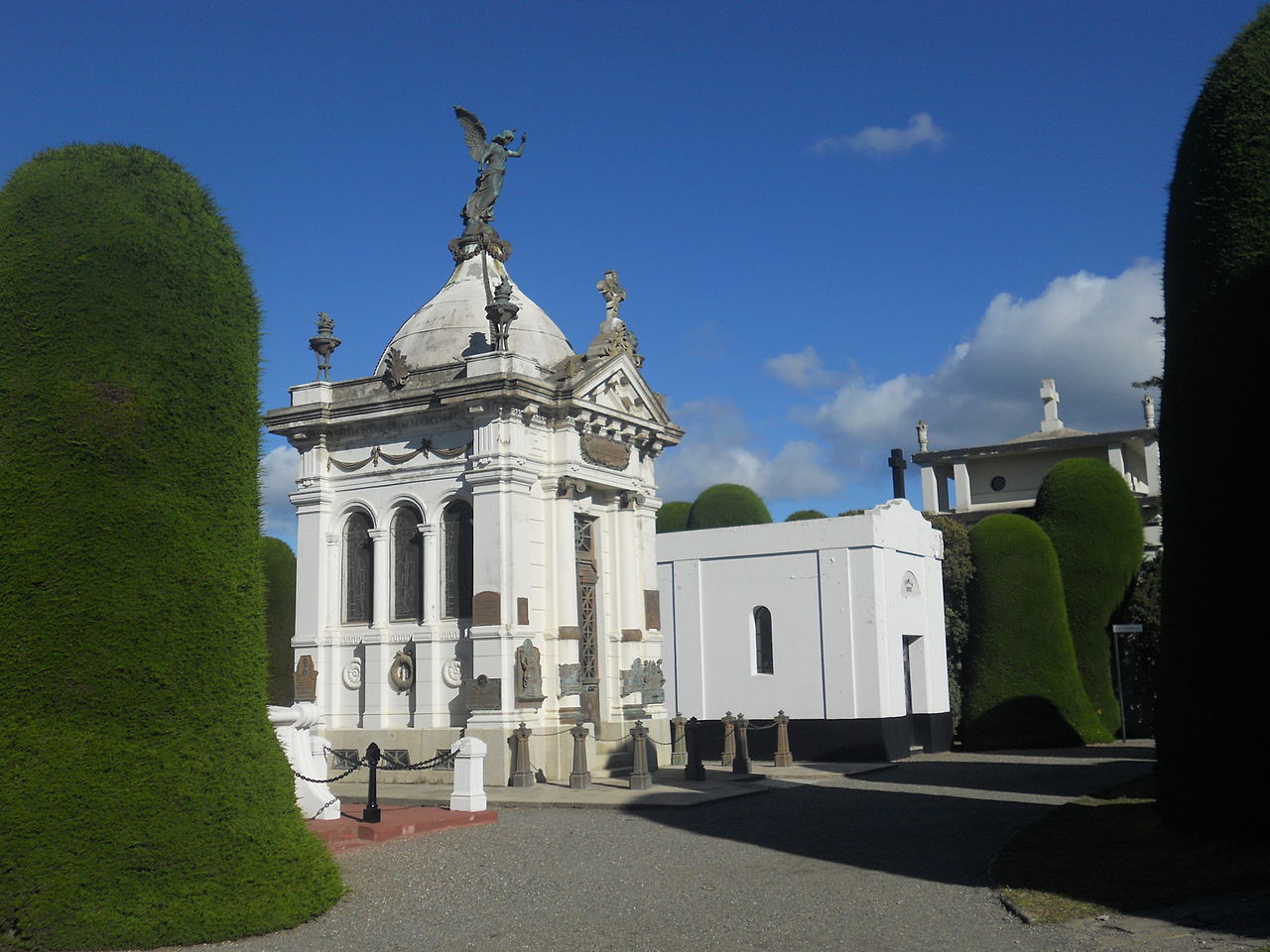
Rows of manicured cypress trees and elaborate marble mausoleums give this 19th-century cemetery an eerie formality after dark, when the crowds have gone and the gates stay open later than expected. It is an unusual, atmospheric way to learn Punta Arenas's history as a wool and shipping boomtown.
The original luxury base camp for Torres del Paine — all-inclusive exploration packages pair 13 guided excursions daily with a lakeside infinity pool facing the Paine Massif and a dining room serving the finest Patagonian lamb.
A sculpted lenga-wood ark perched above Laguna Sarmiento frames an unbroken panorama of Torres del Paine — the hotel's panoramic spa, sommelier-curated cellar, and expert guides make it Patagonia's most architecturally breathtaking address.
Only twelve private villas, each with its own private guide and 4x4 vehicle — Awasi's intimate model means you set the exploration pace, returning each night to a crackling fire, private terrace, and exquisite Patagonian cuisine.
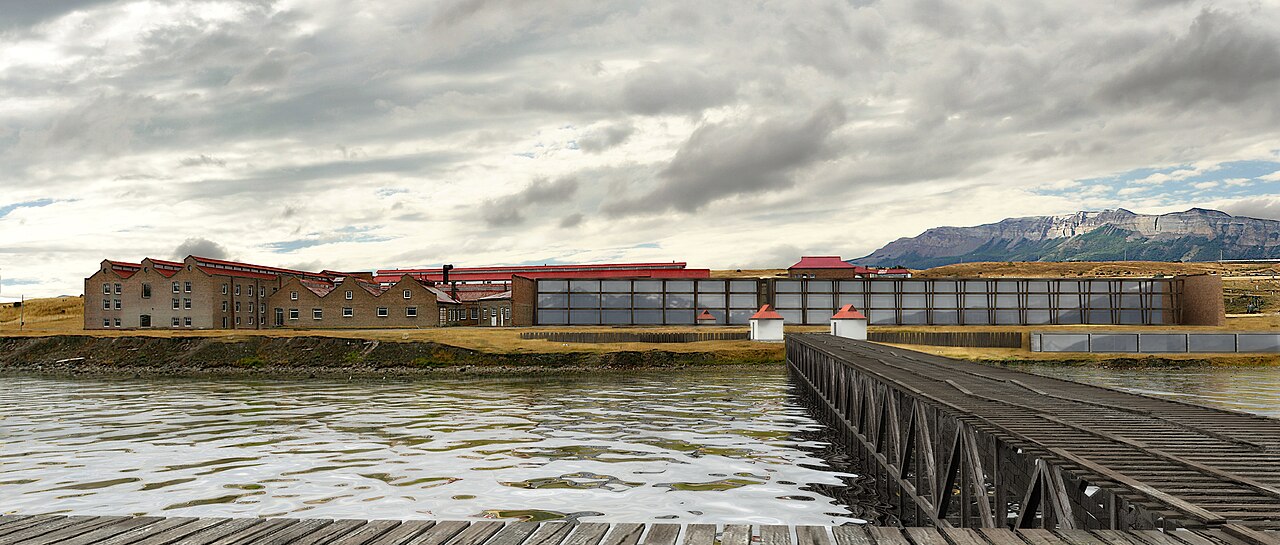
A meticulously restored 1915 mutton-processing factory transformed into a museum-quality hotel in Puerto Natales, The Singular's industrial heritage rooms, private pier, and guided glacier excursions make it the gateway city's finest address.
Rates change — check the live price.
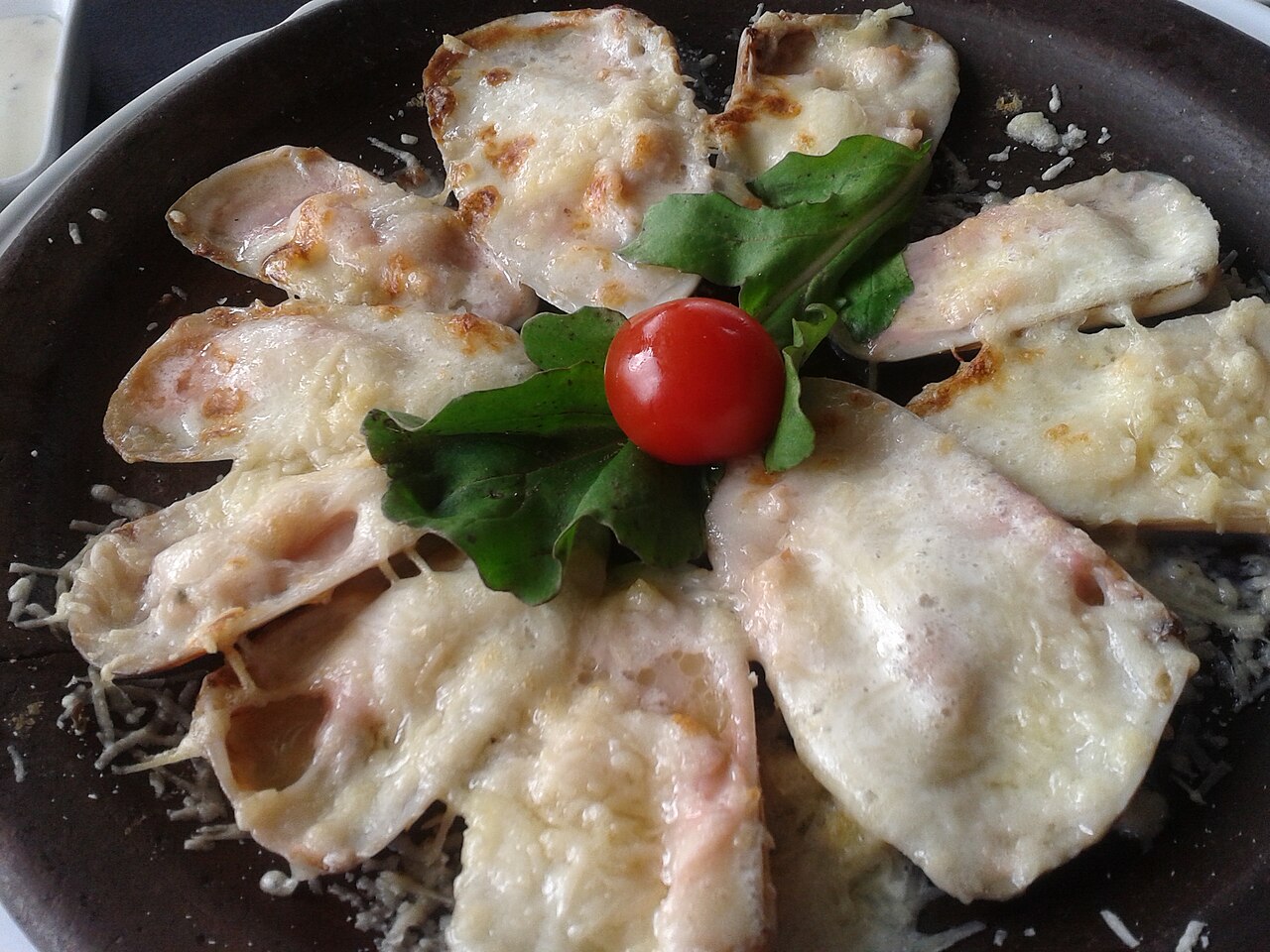
Photography shows the dishes and cuisine — representative, not from the restaurants themselves.
African-Patagonian fusion that sounds improbable and tastes extraordinary; the slow-roasted lamb shoulder is a non-negotiable order.
Built from recycled shipping containers and famous for one thing above all: king crab, piled into a bubbling chupe de centolla or served straight off the shell with butter. No reservations — arrive at opening or expect a line.
The hikers' post-trek tradition: wood-oven pizza, cold Kunstmann beer, and the collective sigh of heavy boots finally removed.
Counter-service empanadas of queso, pino, and marisco, eaten at a shared table with ranch hands straight off the pampas.
Floor-to-ceiling glass frames the Paine massif while you eat. Hotel guests only for dinner — worth booking for a splurge night in the park.
Microbrewery serving ales brewed with glacial melt water; the stout pairs improbably well with the cold outside.
CONAF limits daily walkers and the Vertice/Fantastico Sur refugios sell out by June for the following summer season — do not leave booking late.
70 km/h gusts are a regular afternoon feature; a windproof hardshell is non-negotiable even on sunny days, and poles help on exposed ridges.
The park entrance fee is payable in pesos; card machines exist at refugios but connections drop, so carry backup cash for smaller purchases.
Conditions shift from blazing sun to horizontal sleet within an hour — merino base, fleece mid, and waterproof outer are required all day, every day.
Leave No Trace ethics are enforced; rangers fine littering, and the park's extraordinary cleanliness is maintained by every hiker taking out what they bring in.