Culture
La Recoleta Cemetery morning walk
A city of the dead built in miniature European styles — ornate mausoleums of statesmen, generals, and Eva Perón, whose grave is always covered in fresh flowers.
La Gran Aldea
A city of wide boulevards and crumbling Belle Époque facades where dinner begins at midnight, the bookshops stay open until 2 am, and every neighbourhood has its own character and its own milonga.
A city of the dead built in miniature European styles — ornate mausoleums of statesmen, generals, and Eva Perón, whose grave is always covered in fresh flowers.
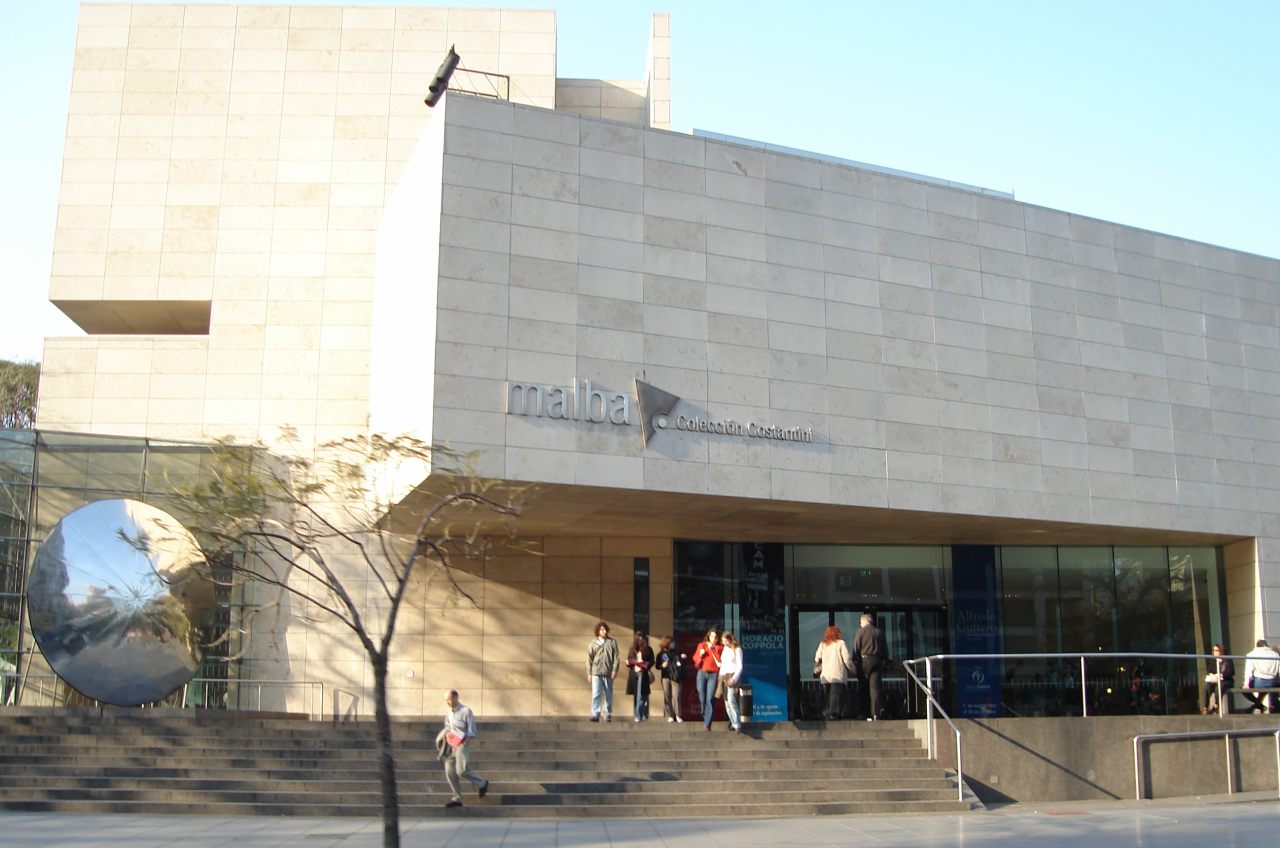
Latin America's finest modern art collection: Frida Kahlo, Diego Rivera, and Argentine masters from Xul Solar to Marta Minujín in a beautiful lakeside building.
Paths through formal French gardens past greenhouse glass and resident rescue cats. A serene morning ritual for any Palermo visitor.
The Sunday Feria de San Pedro Telmo fills twelve city blocks with vintage silverware, gaucho belts, old records, and handmade leather.
Free and magnificent: Goya, Rodin, van Gogh, and an exceptional collection of Argentine painting from the 19th century onwards, all without a queue.
La Boca's famous painted alley was made permanent by artist Quinquela Martín; a guide explains how Italian immigrants built identity through colour.
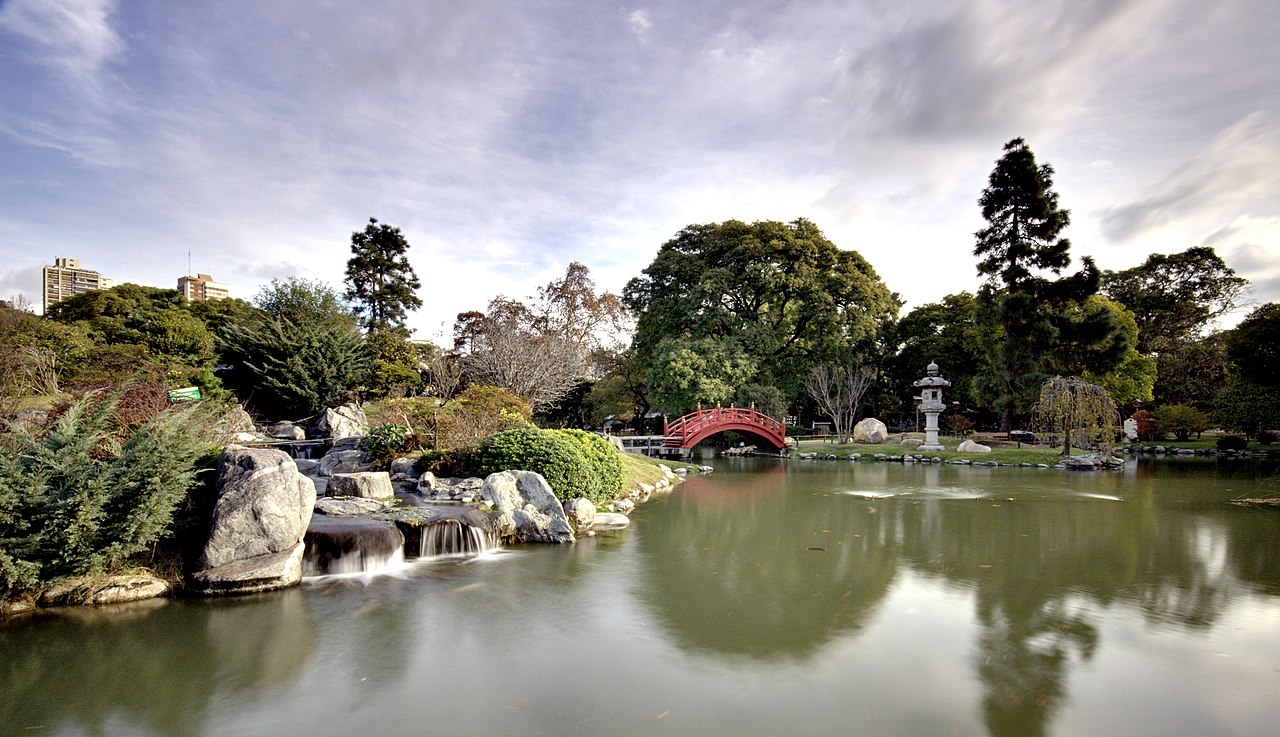
Arched red bridges cross koi ponds in this Japanese garden tucked into Palermo's parkland, a gift from the city's Japanese community that stays hushed and near-empty in the early hours. A small teahouse serves matcha and mochi for those who linger.
The converted 19th-century brick warehouses of the old port now house restaurants and a Calatrava bridge spanning the dock — the city's most polished corner.
One of the world's great opera houses, with seven horseshoe tiers and acoustics Pavarotti called the finest he had heard. Tour the rehearsal rooms and costume atelier.
Row boats on the lakes, the Japanese Garden, the rose garden at June peak, and an outdoor chess club that welcomes amateur opponents.
Learn to prepare and share Argentina's national drink properly — the gourd, bombilla, and the etiquette of the bitter-and-sweet shared circle.
Argentine leather goods, avant-garde local fashion labels, and independent bookshops line the tree-canopied streets around Costa Rica and Malabia.
Boca Juniors' legendary ground: the Museo de la Pasión Boquense narrates the story of Maradona, the yellow-and-blue shirt, and the city's greatest football tribe.
A converted 1920s theatre on Avenida Santa Fe now holds shelves of books where the stalls once stood, its frescoed ceiling and red stage curtain intact behind a cafe where the orchestra pit used to be. Browsing costs nothing, and the balconies give the best view of the whole ornate room.
The classic San Telmo experience: empanadas, Malbec, and dancers whose footwork is so precise it sits closer to martial art than entertainment.
The city's most celebrated steakhouse in Palermo; the ribeye is a moral obligation. Book two weeks ahead or join the waiting list at the bar with a Fernet.
A proper milonga at Salón Canning: arrive at 11 pm when the serious dancers come, watch the cabeceo system, and attempt a few steps with a patient local.
Spritz and Campari sodas at one of Palermo's terraced bars as the neighbourhood's restaurants begin their second service after midnight.
Santiago Calatrava's white cable-stayed bridge glows against the glass towers of Puerto Madero after dark, its reflection doubled in the still water of the old dock basin. The walk across and back costs nothing and pairs well with a stroll along the restored waterfront.
Buenos Aires's oldest café, open since 1858 and once frequented by Borges and Gardel, hosts an intimate tango show in its back salon that folds in a few verses of spoken poetry between numbers. Marble tables and stained glass make it feel like a step back into the city's belle époque.
San Telmo's cobblestone streets hide a handful of small, unpretentious wine bars pouring Malbec by the glass alongside plates of cured meats and cheese. A slow crawl between two or three, with plenty of stops to admire the colonial architecture, is the easiest introduction to Argentine wine.
Buenos Aires' most celebrated hotel since 1932 — Louis XVI interiors, butler-attended floors, a legendary L'Orangerie restaurant, and a Recoleta address so prime it has defined the city's luxury coordinates for nearly a century.
Philippe Starck and Alan Faena's crimson-and-gold fever dream in a 1902 grain warehouse includes a peacock-blue cabaret, a hammam spa, a polo suite, and a basement Red Room that has launched a thousand fashion shoots.
Two buildings joined by a subterranean art gallery — the 1934 Palacio Duhau's original reception rooms, wisteria-laced garden, and Duhau Restaurante y Vinoteca with its 4,000-label wine library make this the city's finest palatial stay.
A contemporary tower linked by garden walkways to a restored Belle Époque mansion — the Mansion's seven suites and private terrace dining are the city's most coveted reservation, while the spa's La Prairie treatments elevate every stay.
Rates change — check the live price.
Photography shows the dishes and cuisine — representative, not from the restaurants themselves.
The pilgrimage parrilla: bife de chorizo aged on-site, a premium Malbec list, and walls papered with wine labels. Reserve or arrive hungry and wait at the bar.
A short walk from Palermo, this open-grill kitchen from Mica Najmanovich and Nico Arcucci turns smoke into the whole point — shareable plates threaded with Asian, Mediterranean and Jewish influences that earned it a Latin America's 50 Best 'One to Watch' nod and a Michelin listing.
Brick walls and chandeliers near Plaza Dorrego — handmade pasta and old-world Italian plates in the heart of San Telmo's immigrant food scene.
The city's oldest café, opened 1858: marble tables, waiters in black waistcoats, and medialunas so flaky they dissolve on contact with a coffee cup.
The porteño pizza canon: fugazzeta — a double-crust disc buried in sweet onion and white cheese. Eat standing at the counter as locals do.
A bilingual sommelier walks you through Mendoza and Uco Valley Malbecs by the glass — the most civilised way to meet Argentina's signature grape without leaving the city.
Restaurants fill after 9 pm; reservations before 8 pm are for tourists, and the best parrillas stop seating at 1 am — embrace the schedule.
The gap between official and informal exchange rates fluctuates; use reputable cuevas for better rates and avoid strangers approaching you on Florida Street.
A milonga operates on its own code — the cabeceo eye-nod invitation, the line of dance, and thanking your partner after each song. Observe before joining.
The Feria de San Pedro Telmo packs Defensa Street fast; early arrival gives the best browsing before the Palermo crowd descends at midday.
Cash tips at restaurants are appreciated; $100 peso notes are sometimes refused by drivers who cannot make change, so keep a supply of smaller denominations.