
Nature
Tegallalang rice terraces at dawn
The famous UNESCO-listed subak terraces glow jade green in first light before the selfie sticks arrive — walk the lower paths for the angle most postcards miss.
Pulau Dewata
An island where every bend in a rice-terrace path leads to a flower offering, every sunset attracts a gamelan orchestra, and the Balinese Hindu calendar fills the year with ceremonies too beautiful to be staged.
The famous UNESCO-listed subak terraces glow jade green in first light before the selfie sticks arrive — walk the lower paths for the angle most postcards miss.
A narrow spine of land between two river gorges, carpeted with wild grass and frangipani — the best free walk in Ubud, and completely crowd-free before 7:00.
Dawn market run for spices and aromatics, then three hours over open flame making lawar, bebek betutu duck, and jaje klepon rice cakes in a family compound.
A two-hour pre-dawn climb by torch-light to the 1717-metre summit, where volcanic steam vents warm your breakfast as the caldera lake glows pink below.
The moss-covered temple on the slopes of Batukaru is among Bali's holiest — mist drips from ancient banyan roots and you will likely have the inner courtyard entirely to yourself.
The UNESCO-listed panoramic terraces at Jatiluwih are wider and wilder than Tegallalang — rent a bicycle and freewheel downhill through villages as farmers plant by hand.
Perched high on the slopes of a sacred volcano, this temple complex frames Mount Agung through its split gate, and arriving early spares you both the heat and the crowds that build by midday.
14 hectares of moss-draped temples inhabited by 700 long-tailed macaques — do not carry food, do hold sunglasses, and watch the juveniles swing between temple carvings.
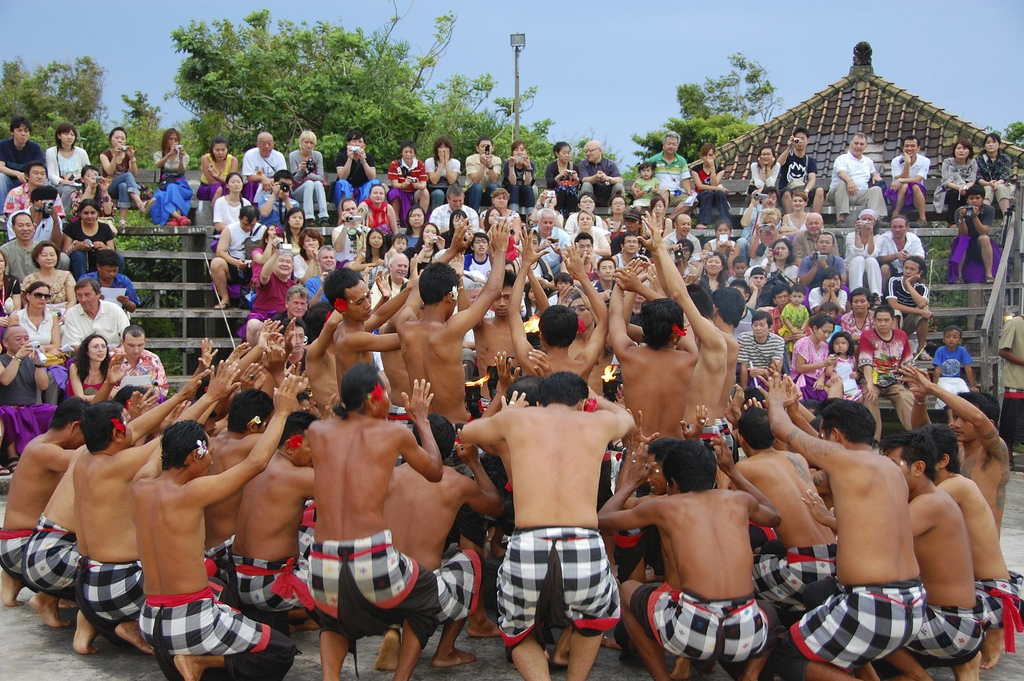
Fifty bare-chested men chant the Ramayana chorus on a cliff-edge stage as the sun sets directly behind Uluwatu temple — the theatrical peak of any Bali trip.
Fast-boat to the wild southern island for manta ray snorkelling at Manta Bay, the vertiginous Kelingking Beach viewpoint, and crystal-clear Angel's Billabong.
The downstairs stalls sell batik, silver, and ikat at prices that reward haggling; the gallery row above the market stocks genuine collector-quality Balinese painting.
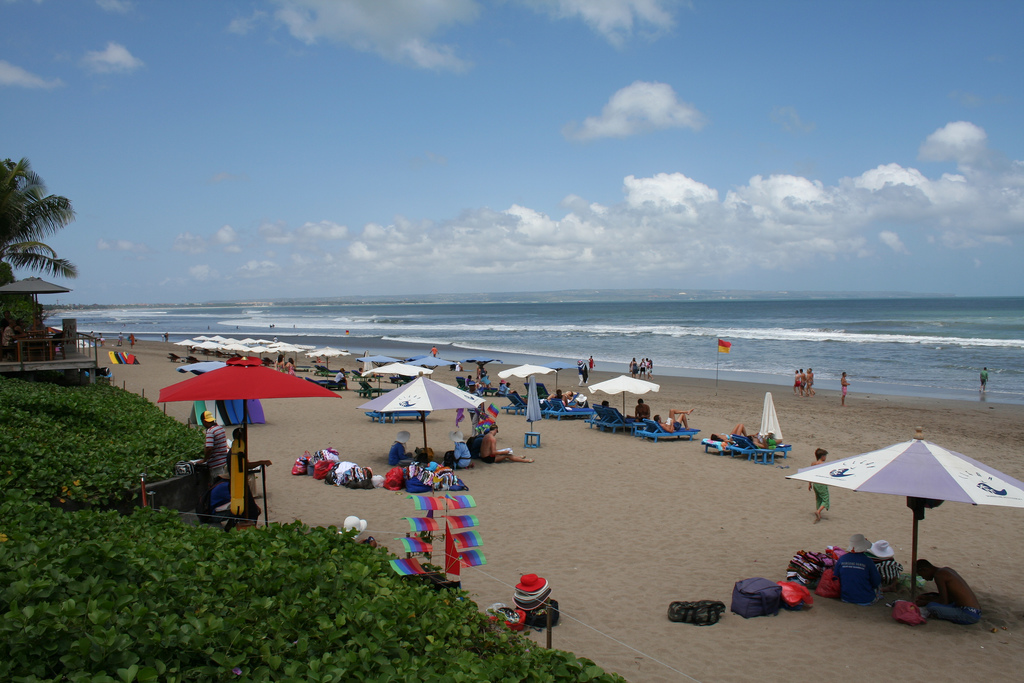
Bali's most celebrated sunset beach is three kilometres of black volcanic sand with a row of beach clubs competing to have the best DJ and the coldest Bintang.
Bathe in the 10th-century sacred spring alongside Hindu Balinese performing ritual purification — bring a sarong and move slowly; this is an active place of worship.
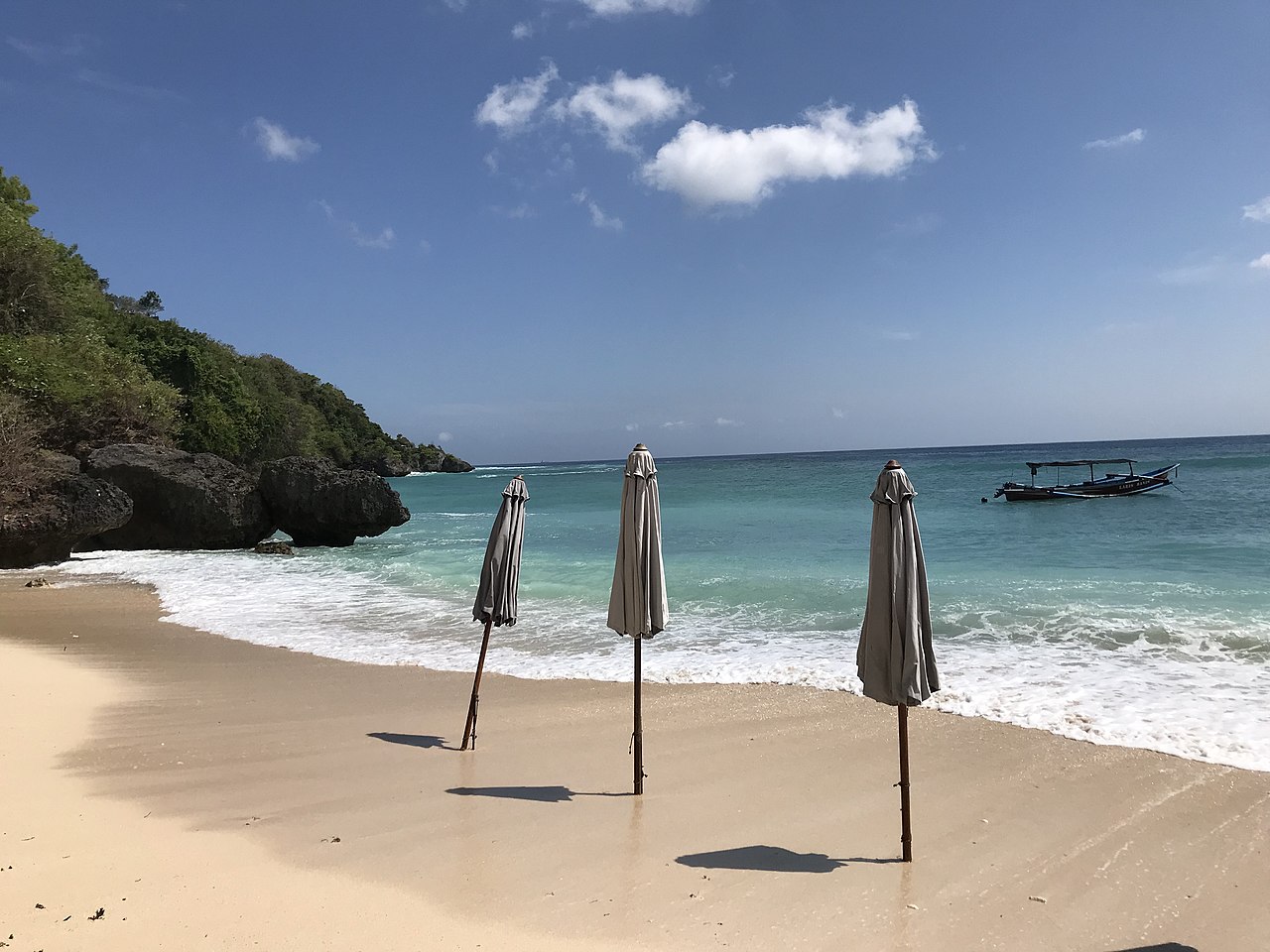
Reached down a narrow stone stairway through a cliffside crevice, this small white-sand cove on the Bukit Peninsula rewards the scramble down with warm, sheltered water for an afternoon swim.
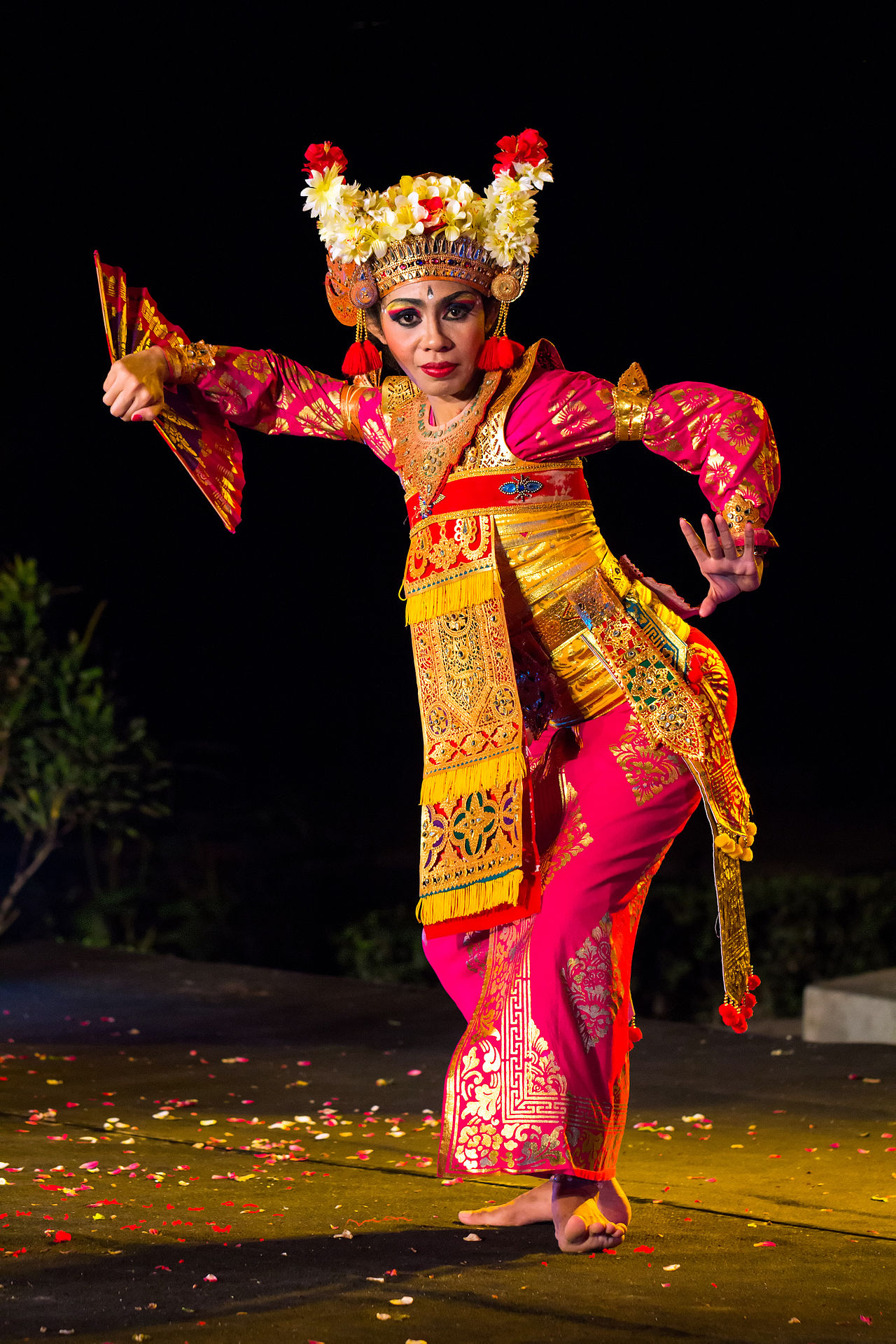
The hyperarticulate finger and eye movements of Legong tell stories from the Mahabharata in a palace setting with live gamelan — the training begins at age five.
Echo Beach's left-hander is best at mid-to-high tide when afternoon light turns the spray golden — instructors rent boards and coach on the sand until dusk.
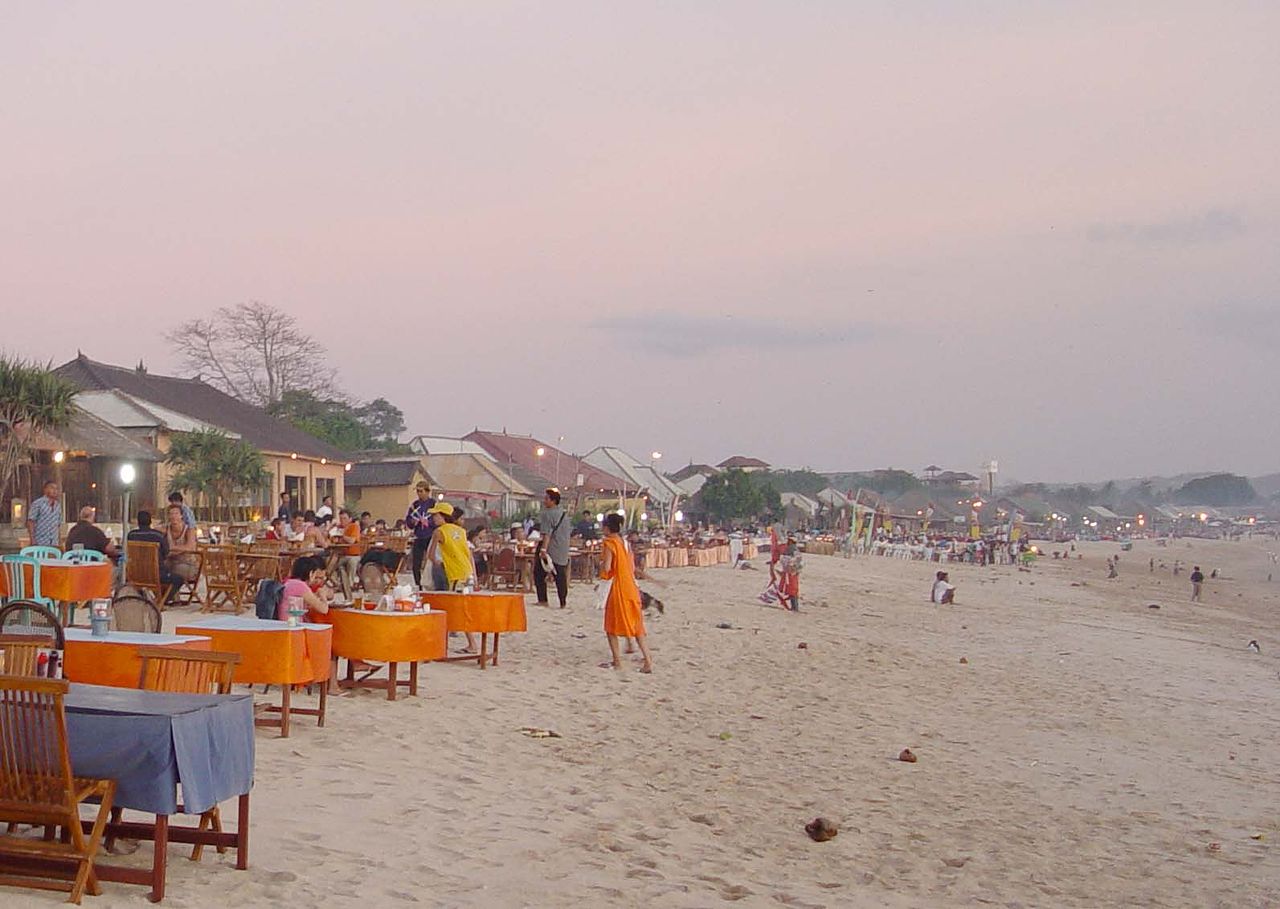
Plastic chairs on the sand, grilled whole fish and tiger prawns priced by weight, cold Bintang, and the lights of tankers on the horizon — the definitive Bali evening.
Seminyak's legendary beach club moves from sunset cocktails to deep house as the sky darkens — the amphitheatre-style seating means no bad seat for the light show.
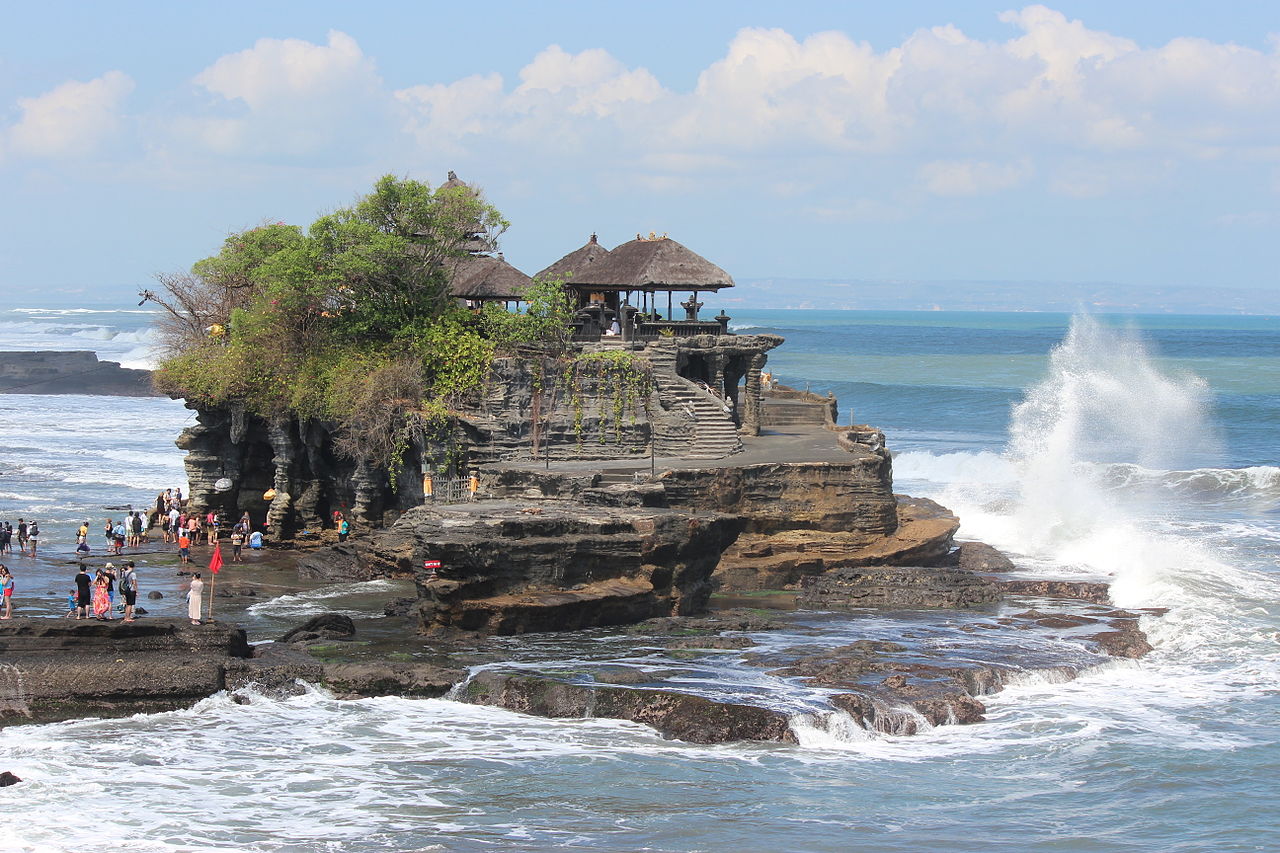
A sea temple perched on a wave-battered rock outcrop turns to silhouette as the sun drops behind it, one of Bali's most photographed and most crowded sunset rituals. Arrive early to claim a spot along the clifftop path.
Locals rate this market's babi guling and grilled seafood above almost anywhere else on the island, its rows of stalls filling a town square each evening. It stays refreshingly free of the tourist markup found closer to the beach resorts.
Rice terraces east of Ubud fall into darkness once the sun sets, leaving Mount Agung's outline against a sky largely free of light pollution. It is a quiet, elemental end to a day spent among temples and terraces.
Perched at the rim of the Ayung River gorge, Amandari's 30 thatched suites offer the most dramatic valley views in Ubud, with a cliff-edge pool that appears to float over the jungle canopy.
Bulgari's only Asian resort hangs over a private beach on dramatic volcanic cliffs above Jimbaran Bay — 59 Italian-designed villas with alang-alang roofs and an authentic Il Ristorante.
An all-villa clifftop resort above the Indian Ocean surf, where coral limestone architecture frames 270-degree ocean views and the cantilevered pool seems to dissolve into the horizon.
Reached by a rope suspension bridge over the Ayung gorge, this iconic resort offers rice-terrace dining, sound-bath rituals and suites where you fall asleep to the rush of the river below.
Rates change — check the live price.
Photography shows the dishes and cuisine — representative, not from the restaurants themselves.
Indonesia's most celebrated restaurant now operates from a hyper-local campus in Ubud's rice fields — a twelve-course tasting menu built entirely from ingredients grown, foraged, or fermented within the archipelago.
Fall-off-the-bone pork ribs, lethal martinis, and zero pretension from a corrugated-iron warung that has outlasted every food trend on the island.
Modern Indonesian food in a soaring bamboo-and-glass pavilion — the raw tuna with torch ginger and the duck confit rendang are as good as it gets in Seminyak.
Legendary spit-roast suckling pig served from dawn until the pot empties — arrive by 10:00 or go home without crispy skin.
Third-wave coffee roasted from Balinese arabica sourced directly from the Kintamani highlands — the cold brew is a revelation.
The gold standard of Bali beach clubs: an aperol-tiled wall of repurposed shutters, Balinese cocktails, and a world-class weekend DJ programme.
Ubud and surrounding villages close roads for odalan temple festivals unpredictably — embrace the detour, watch from a respectful distance, and accept that this is the real Bali.
A sarong and sash are required at all temples; free ones are usually available at the entrance, but carrying your own avoids the rental queue.
Fixed-price artisan shops are already reasonably priced — save your energy for the Ubud Art Market, where opening prices are double the fair rate.
Metered taxis barely exist outside south Bali; hire a day driver for 600,000–800,000 Rp (negotiate the night before), which is cheaper than a string of Grabs.
Use bottled or filtered water always, including for brushing teeth; reputable restaurants use purified ice, but warungs often do not — ask before ordering a blended juice.