Nature
Sepilok Orangutan Rehabilitation Centre feeding
Watch rescued orangutans swing in on ropes for the 10am feeding platform, one of the few places on earth to see them this close in the wild.
Borneo's Wild Rainforest Coast
Sabah stitches together three wild worlds in a week — dawn river cruises past wild orangutans and proboscis monkeys on the Kinabatangan, limestone caves thick with swiftlets, and the impossibly clear reefs off Semporna, where turtles and hammerheads drift past some of the planet's richest coral gardens.
Watch rescued orangutans swing in on ropes for the 10am feeding platform, one of the few places on earth to see them this close in the wild.
Elevated walkways overlook a forested enclosure where rescued sun bears, the world's smallest bear species, forage and nap in hammocks of leaves.
Glide upriver as mist lifts to reveal proboscis monkeys, hornbills, and long-tailed macaques crashing through riverside branches on Borneo's longest waterway.
Boardwalks thread through a cavern thick with the smell of guano and the flutter of swiftlets harvested for centuries for their prized edible nests.
Lower trails through Borneo's UNESCO-listed national park pass carnivorous pitcher plants and mossy montane forest beneath the granite bulk of Mount Kinabalu.
A swaying suspension walkway strung 40 metres up in the rainforest canopy precedes a soak in sulphur hot springs at the forest's edge.
Five reconstructed tribal longhouses introduce Sabah's ethnic groups through fire-making demonstrations, blowpipe lessons, and tastings of rice wine and jungle snacks.
Permit-controlled boat dives drop divers into a sheer wall alive with turtles, schooling barracuda, and, in season, hammerhead sharks off Borneo's only oceanic island.
A shallow-draft boat weaves between stilt houses of the seafaring Bajau Laut people, whose children paddle handmade canoes between floating homes.
A speedboat hops between Manukan and Sapi islands' white-sand beaches, snorkelling coral gardens just offshore from Kota Kinabalu's skyline.
Shallow house reefs off this stilt-village island teem with mandarinfish, frogfish, and other muck-diving oddities in just a few metres of water.
Local guides track the world's largest and famously foul-smelling flower through Crocker Range foothills, blooming unpredictably for only a few days.
Raised boardwalks cross mangrove swamp minutes from the city centre, home to mudskippers, kingfishers, and the occasional silvered langur.
A short climb above downtown delivers panoramic views over Kota Kinabalu's rooftops to the South China Sea and Tunku Abdul Rahman's forested islands.
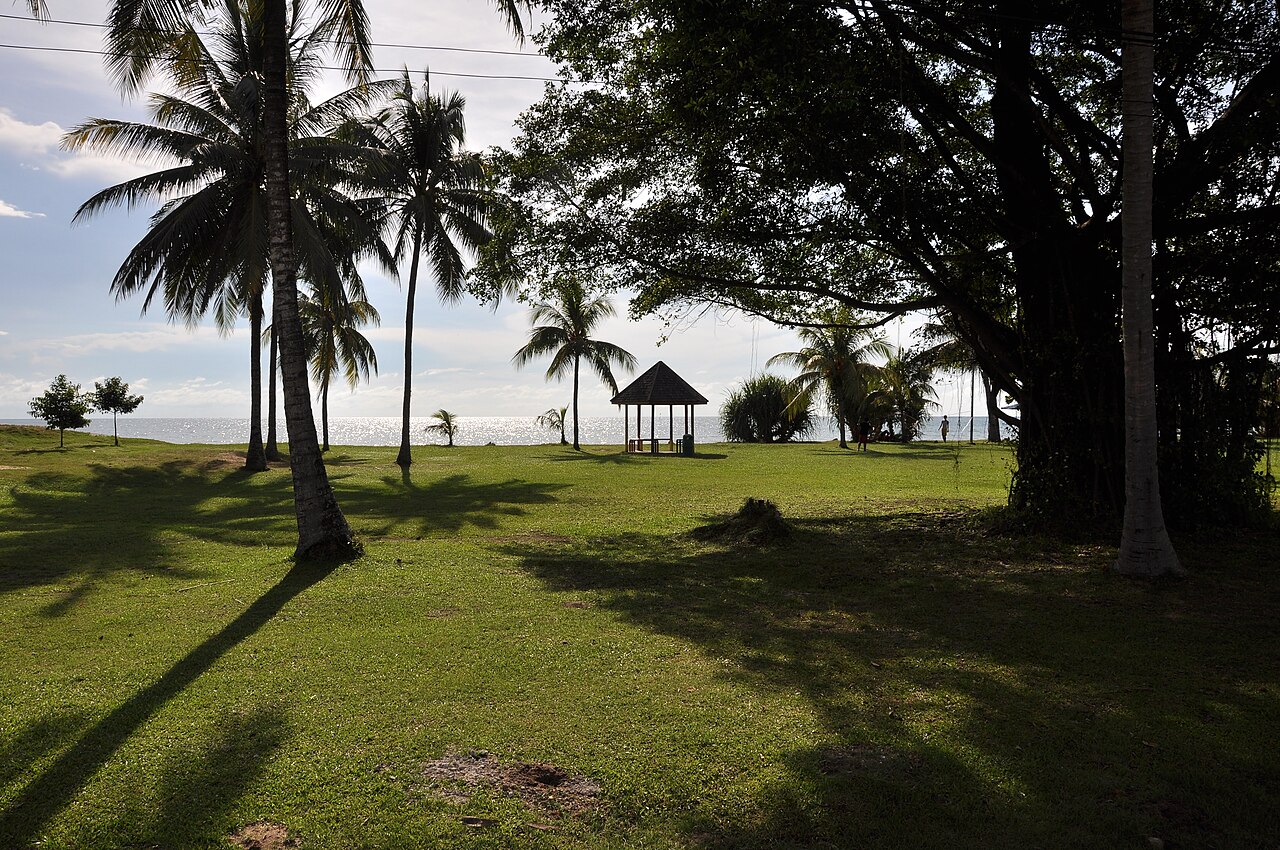
Kota Kinabalu's favourite city beach fills with families and vendors selling grilled corn as the afternoon heat softens toward golden hour.
Longhouse-inspired galleries trace Borneo's tribal history before a visit to the floating-domed State Mosque, striking at golden hour beside its reflecting lake.
A quiet oxbow lake trail is one of the best spots to watch troops of large-nosed proboscis monkeys crash between riverside fig trees.
Pick a live fish or tiger prawns from iced tanks and have them grilled to order at plastic tables overlooking the harbour at dusk.
Spotlights sweep the riverbanks after dark to reveal sleeping kingfishers, civets, and the reflective eyes of crocodiles along the water's edge.
A slow harbour cruise times its buffet service to Kota Kinabalu's famous flame-orange sunsets over the South China Sea and outer islands.
Beachfront bars fill as the sun drops behind Manukan and Sapi islands, one of Southeast Asia's most reliably spectacular sunset shows.
Overwater chalets off Semporna offer unobstructed views of the Milky Way once the day-trip boats have gone, with only lapping water for sound.
An evening feast of grilled jungle produce and rice-wine tastings closes with tribal dance performances around an open fire pit.
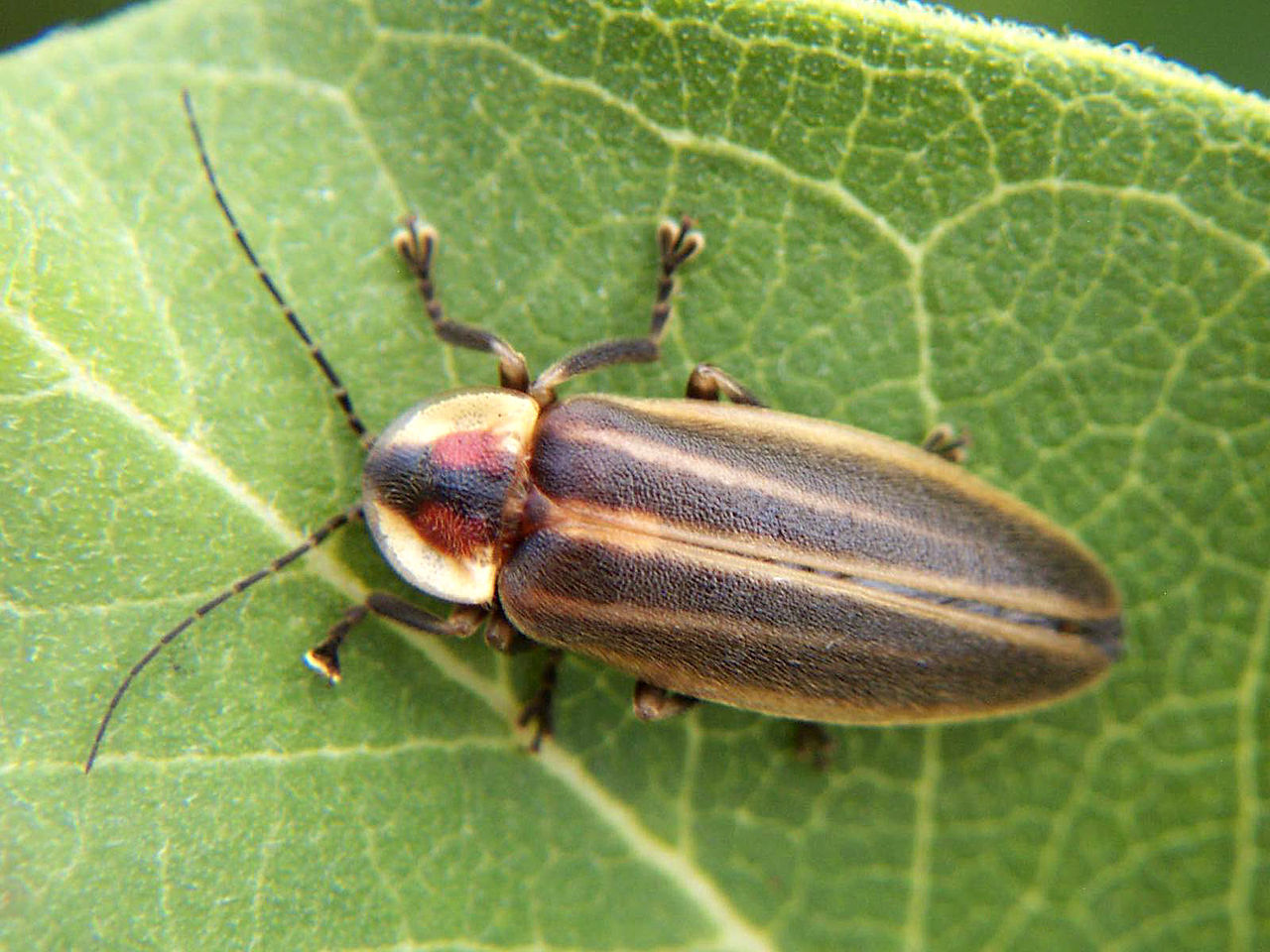
Silent electric boats drift beneath riverside mangroves where synchronised fireflies blink like fairy lights strung through the branches.
Hawker stalls along the waterfront serve grilled stingray, satay, and fresh coconut shakes to a lively evening crowd of locals and travellers.
A beachfront resort backed by its own 64-acre rainforest reserve, complete with a resident orangutan rehabilitation outpost and a long crescent of white sand.
Two beachfront towers face the South China Sea's celebrated sunsets, with a private stretch of sand minutes from downtown Kota Kinabalu.
Overwater and forest villas sit inside a marine park, with a marine biology centre, private reef, and rainforest boardwalks right outside the door.
A reliable high-rise base on the waterfront promenade, walkable to the night market and Filipino Market with sweeping harbour and island views from its upper floors.
Rates change — check the live price.
Photography shows the dishes and cuisine — representative, not from the restaurants themselves.
A KK institution for live seafood by weight — the butter prawns and steamed fish are local legends worth the drive out of town.
Long-running North Indian favourite among expats and locals alike, known for its tandoori and rich butter chicken.
A decades-old favourite for nasi campur and beef rendang, popular enough that lunchtime queues form out the door.
An old-school Hainanese coffee shop serving Sabah's famous kolo mee noodles alongside strong kopi-o at plastic-topped tables.
Dine over the water on a floating platform in Likas Bay, choosing fresh catch from tanks as the sun sets behind the bay.
A buzzy spot for tapas, cocktails, and a break from noodles, popular with the city's expat crowd.
Only 176 diver permits are issued per day at Sipadan; book through a Semporna dive operator months in advance for peak season.
Kinabalu Park and Poring trails can have leeches after rain — socks tucked over trouser cuffs keep them off your ankles.
Marine parks around Semporna and Tunku Abdul Rahman are sensitive coral habitats; non-reef-safe sunscreen is discouraged and sometimes restricted.
Sukau, Sepilok, and small kampung shops often don't take cards — carry small Ringgit notes for the Kinabatangan and Semporna legs.
Sabah State Mosque expects covered shoulders and knees; robes are usually available to borrow at the entrance for visitors.