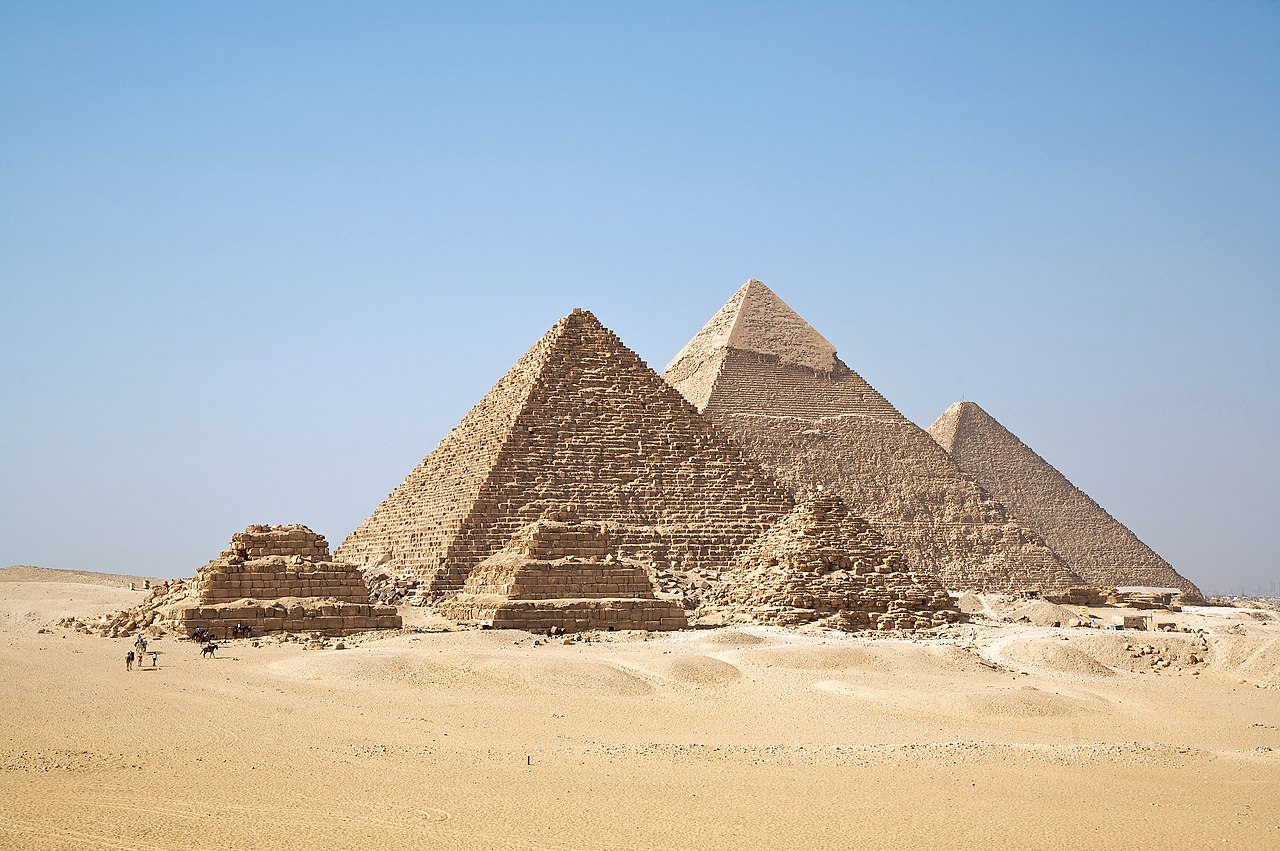
Great Pyramids of Giza at sunrise
Arriving before the tour buses is the singular move in Cairo — the scale of the Khufu pyramid defies every photograph, and the plateau in early light belongs almost to you alone.
Umm al-Dunya
Cairo assaults every sense at once — the pyramids looming just beyond the city's western edge, bazaars heaped with spices and beaten brass, and a Nile whose embankments have witnessed five thousand years of human ambition.
Arriving before the tour buses is the singular move in Cairo — the scale of the Khufu pyramid defies every photograph, and the plateau in early light belongs almost to you alone.
The vast GEM beside the pyramids holds Tutankhamun's complete golden treasures and 100,000 artefacts spanning every dynasty — plan a minimum of three hours, more if you can.
The medieval caravanserai bazaar — spice merchants, gold and silver jewellery, papyrus, and hand-beaten copper goods in alleyways that have traded continuously since the 14th century.
One of the world's oldest universities and Cairo's most revered mosque — non-Muslim visitors are welcome outside prayer times, and the arcaded stone courtyard is serenely beautiful.
Egypt's oldest pyramid, built for Djoser 4700 years ago, stands in a complex of mastabas and causeway ruins 30 km south of Cairo — markedly less crowded than Giza.
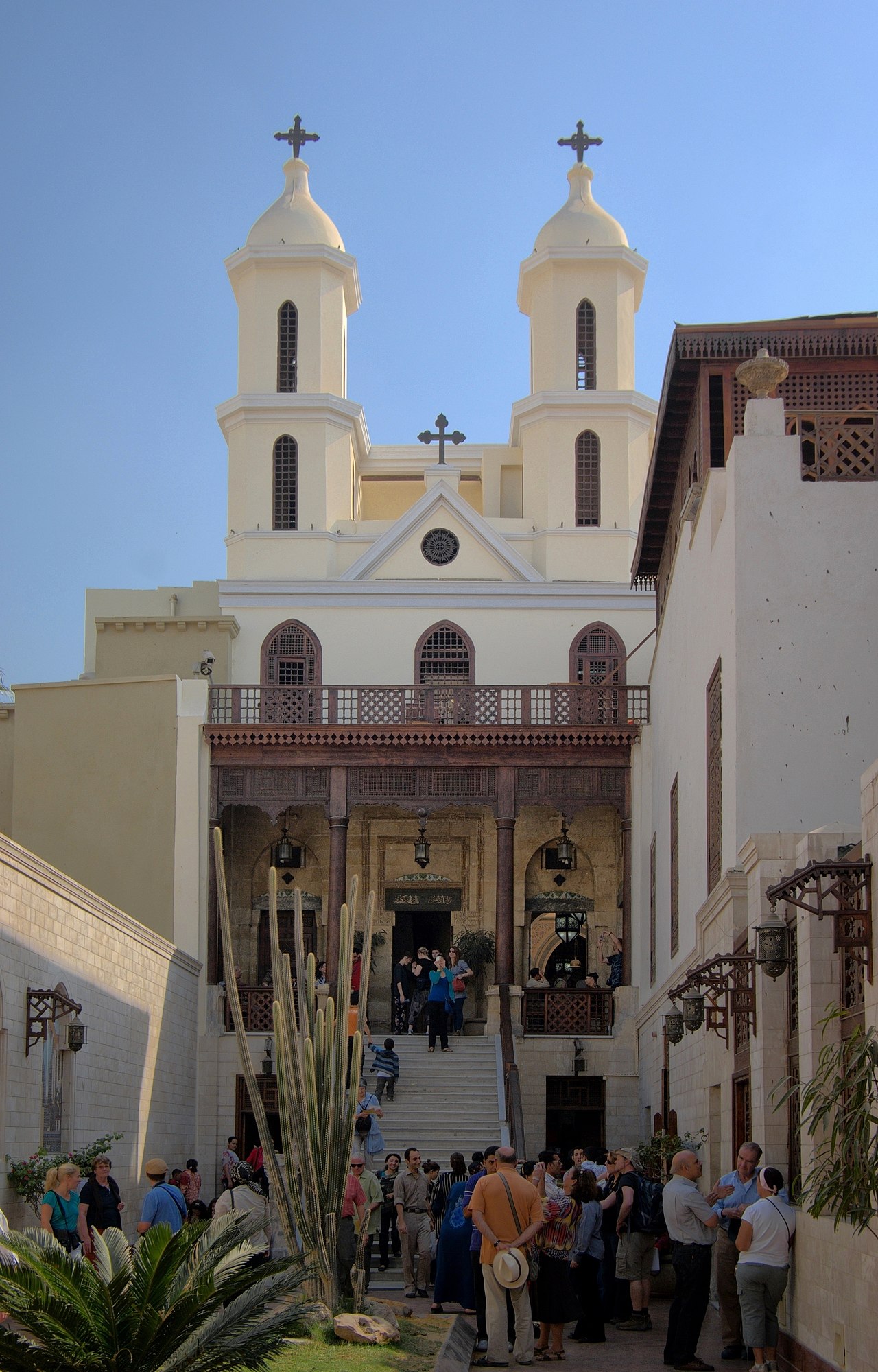
The Hanging Church, the Church of Saints Sergius and Bacchus, and the Ben Ezra Synagogue cluster in a white-washed compound — a quarter of extraordinary antiquity and quiet.
Garden City's riverside promenade wakes slowly, with felucca sails catching the first light and Cairo's traffic still a distant hum. It is the calmest possible introduction to the river the city is built around.
The Ottoman Alabaster Mosque of Muhammad Ali dominates the ridge above the city. The rampart views cover the entire metropolis from the Nile to the edge of the desert.
One of the world's great collections of Islamic decorative art — Quran manuscripts, inlaid metalwork, Mamluk woodcarving, and Fatimid rock crystal across 25 halls.
A lateen-sailed felucca drifts downstream from Zamalek, catching the afternoon breeze with no engine noise. Cairo's towers glide past in companionable silence.
The royal mummy hall — 22 pharaohs and queens displayed with extraordinary care — is the centrepiece of this new museum on the southern edge of old Fustat.
The most intact medieval street in the Arab world, lined with Mamluk and Fatimid gates, sabil-kuttabs, and caravanserais in a 1-kilometre open-air architecture gallery.
A vast Mamluk and Ottoman necropolis where the living and the dead share space — families occupy mausoleums alongside tombs of sultans and scholars. Strange and quietly magnificent.
This Rhoda Island palace complex mixes Ottoman, Moorish, and Persian rooms with a shaded botanical garden that feels far removed from Downtown's noise. Afternoon light through the throne hall's stained glass is reason enough to linger.
A converted river boat with a live belly-dancer, oud player, and a mezze spread — the formula is unchanged for decades, and the city lights reflected on the water are reliably beautiful.
Free tannoura spinning performances in a restored Mamluk caravanserai — the slowly spinning skirts and hypnotic drumming are among Cairo's most genuine cultural evenings.
The northern tip of Zamalek island, where outdoor restaurants catch the Nile breeze — Sequoia does mezze and grills on a floating terrace as the lights of Giza twinkle to the west.
Join Cairenes at a traditional street-side ahwa for sweet tea, a game of tawla (backgammon), and the unhurried rhythms of an Egyptian evening that needs no itinerary.
As darkness falls over the plateau, the pyramids and Sphinx are washed in shifting color while a narrated history unfolds in the desert stillness. It is theatrical, a little kitsch, and unexpectedly moving under a sky full of stars.
This restored hilltop garden offers the finest panorama of minarets and domes in the old city, best appreciated with mint tea as the call to prayer drifts up from below. Locals come here simply to watch the light change.
A guide leads you between hole-in-the-wall stalls for koshary, grilled kofta, and sticky sweets, threading through lanes that feel unchanged for centuries. It is Cairo's best introduction to how the city actually eats.
The city's premier address, its higher-floor suites command sweeping Nile panoramas, the Zitouni Egyptian restaurant is rightly considered essential Cairo dining, and the rooftop pool deck at sunset over the river is simply unmatchable.
An 1869 royal hunting lodge revived as a Marriott landmark, its garden-wing suites offering direct pyramid views, an opulent indoor pool, and the pavilion terrace overlooking the Giza Plateau have hosted royalty and heads of state for over a century.
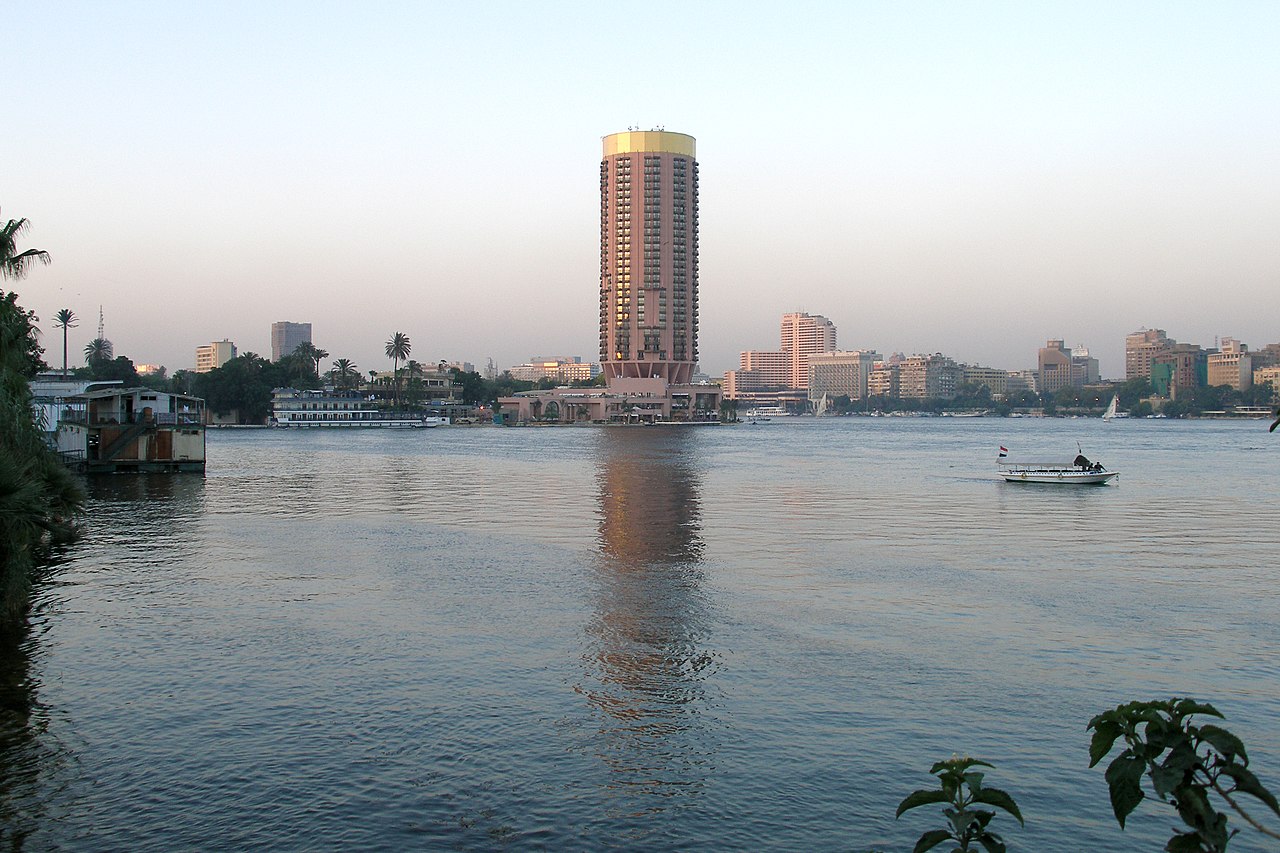
A cylindrical tower rising from Gezira Island where every room wraps panoramically around the Nile; the rooftop Tarbouche restaurant, Sofitel MyBed suite collection, and private pool deck overlooking Cairo's skyline embody contemporary French-Egyptian elegance.
Overlooking the Nile and moments from the Giza Pyramids road, its Egyptian-marble palace interiors, Primo Piano Italian terrace, private garden pool, and Le Spa Champagne ritual treatments create a thoroughly regal and unhurried Cairo sojourn.
Rates change — check the live price.
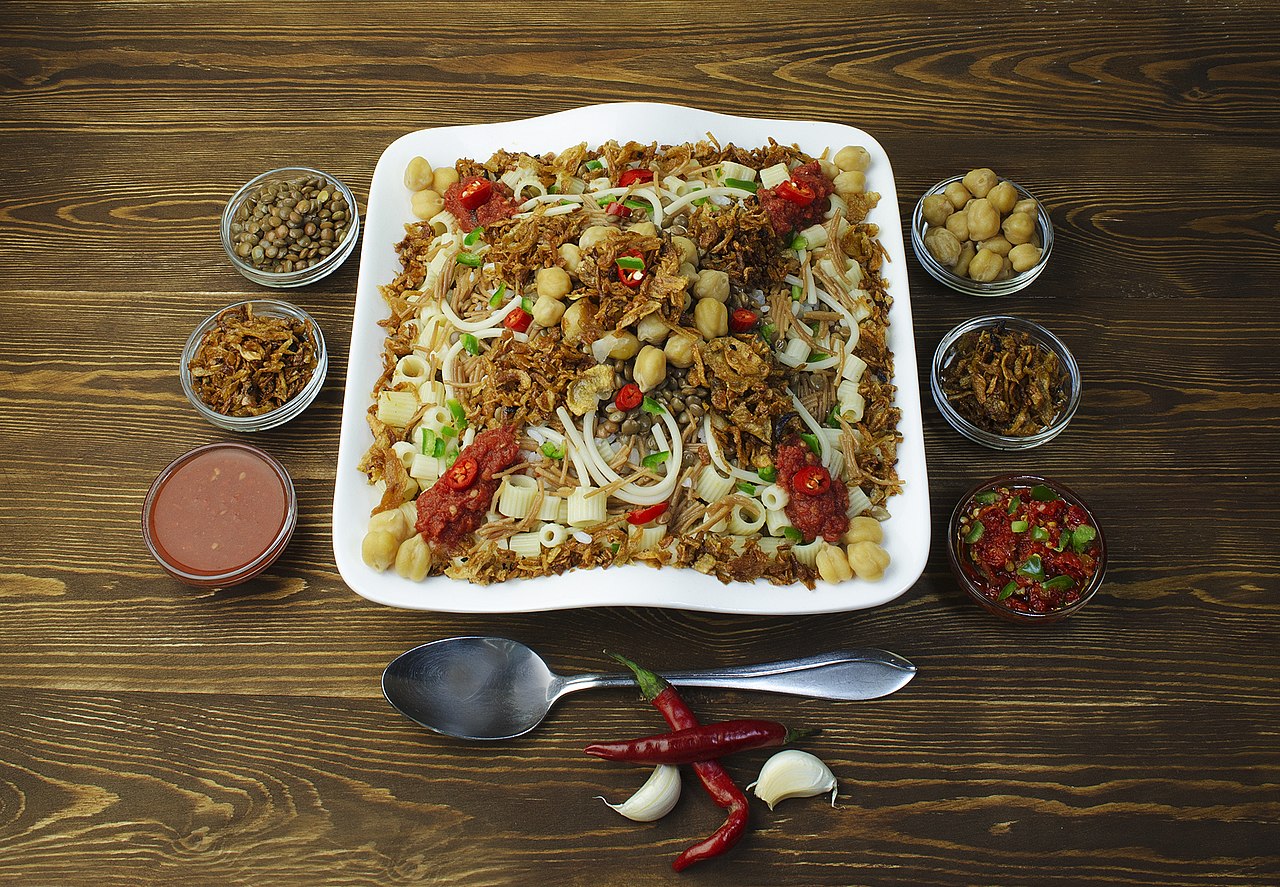
Photography shows the dishes and cuisine — representative, not from the restaurants themselves.
Mezze, grills, and sushi on an open-air terrace at the tip of Zamalek, with the Nile wrapping around both sides. Arrive before sunset for the best table.
Five floors dedicated to koshary — Egypt's unofficial national dish of rice, lentils, macaroni, and spiced tomato sauce. The queue moves fast and the bill is negligible.
A classic river restaurant with a loyal following for its grilled fish, stuffed pigeon, and Alexandria-style shrimp — request an upper-deck table.
Open without interruption since 1773, this mirrors-and-lanterns café in the bazaar alleys has been the crossroads of Cairo's literary and artistic life for two and a half centuries.
Downtown's hawawshi institution since 1969 — spiced minced meat baked into crisp bread with tomato, pepper and mozzarella, served oven-hot at the counter.
The city's most respected live-music venue — Egyptian jazz, funk, and world music in a friendly multi-generational crowd from Thursday to Saturday.
Tutankhamun's golden hall sells out days ahead in peak season — reserve a timed-entry ticket online before you arrive in Egypt.
First prices in Khan el-Khalili are routinely three to five times the settled price; treat it as a conversation, not a confrontation.
Both apps operate reliably in Cairo and are far simpler than negotiating street taxis; agree a price before you get in if you do use a cab.
Covered shoulders and full trousers or skirts are expected around the mosques and bazaars of Islamic Cairo; a light scarf does the job for women.
Many mosques and some souks close for Friday prayers — plan Citadel visits for the morning and Khan el-Khalili for afternoon or evening.