Pre-dawn big cat game drive
Leave camp before first light to catch lions returning from the night hunt and leopards descending from their acacia perches — the golden hour after sunrise is when the Serengeti performs at its most dramatic.
Endless Plains
The oldest and most intact wildlife ecosystem on earth — two million wildebeest, zebra and gazelle wheeling in a circle the size of Ireland, shadowed always by lion, cheetah and the patient eye of the leopard.
Leave camp before first light to catch lions returning from the night hunt and leopards descending from their acacia perches — the golden hour after sunrise is when the Serengeti performs at its most dramatic.
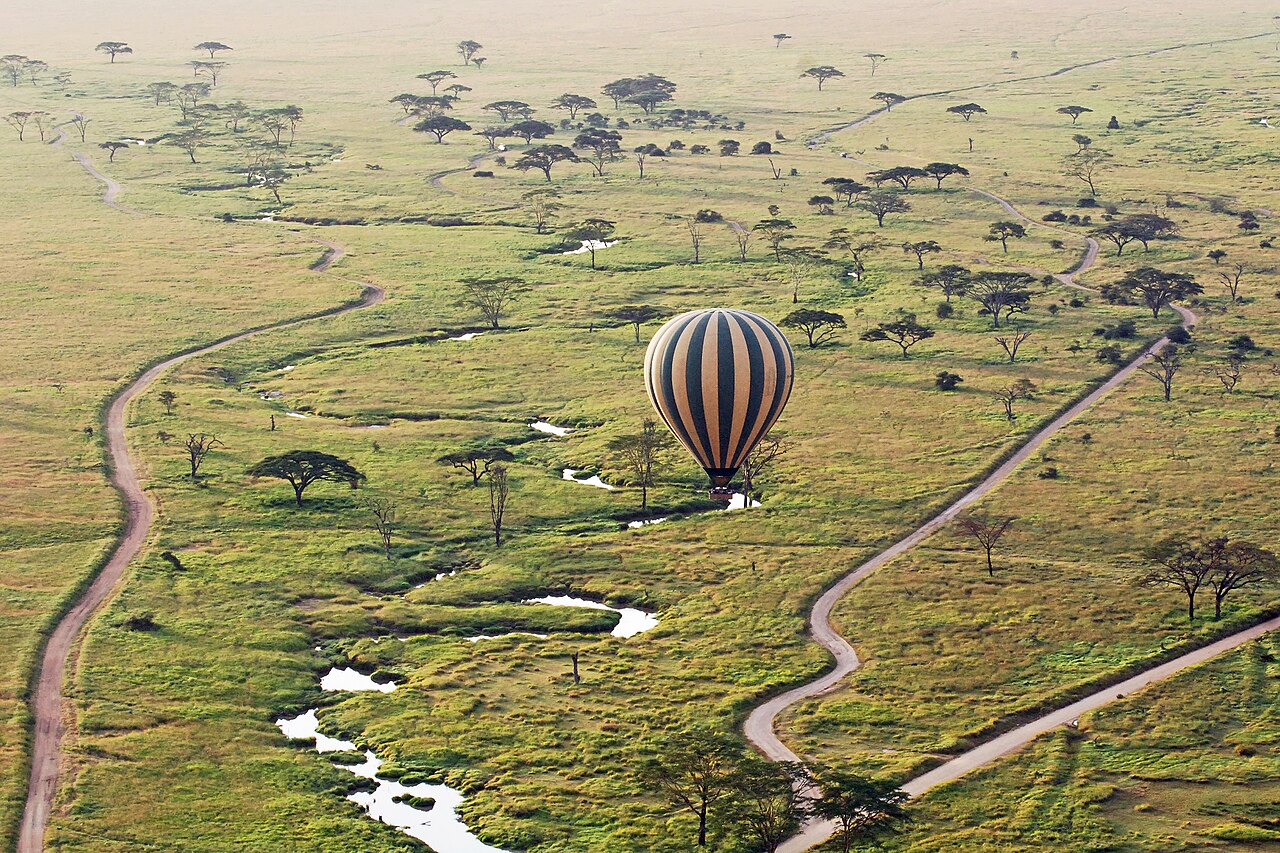
Drift silently over the vast grassland at treetop height as the sun rises over the eastern hills — herds fan out below in their thousands. A champagne bush breakfast follows landing.
On foot, the scale of everything changes: tracks, dung, insects, and the pulse of the ecosystem become vivid. Your guide reads the bush with a fluency no vehicle can replicate.
Position at a known crossing point before dawn and wait — when the herd charges the crocodile-filled Mara River it is one of the great spectacles of the natural world. Patience is everything.
A resident researcher guides your vehicle to known coalition males on the open plains south of Seronera — the fastest land animal hunts in full daylight, giving extraordinary unobstructed viewing.
Over 500 species inhabit the ecosystem; a specialist guide identifies secretary birds, kori bustards, lilac-breasted rollers and martial eagles on a slow walk from camp.
A short scramble up this granite kopje at the park's southern gate delivers an unbroken view of the plains rolling to the horizon. Rangers here often share which herds have been sighted overnight.
A full circuit through central woodlands and plains, stopping where drama dictates — a pride at a kill, a tower of giraffe between fever trees, elephant families at a waterhole — while your chef's box lunch is produced under a shady acacia.
The Seronera River hosts one of the ecosystem's densest hippo populations; park above the water and watch the social theatre — honking disputes, gaping yawns, enormous Nile crocodiles on the bank.
The rocky granite kopjes are the Serengeti's sky islands — hyrax, agama lizards, klipspringer antelope and occasionally a resting leopard occupy these ancient outcrops above the sea of grass.
A Maasai elder leads you through the enkang — the thorn-fenced homestead — explaining cattle culture, beadwork, and the jumping ceremony while women offer handcrafted jewellery.
Park downwind from a waterhole frequented by resident elephant families in the afternoon heat — calves bathe while matriarchs stand guard and oxpeckers work the hides.
Your guide drives to an elevated kopje for the final hour of light — a G&T in hand, a silhouette of acacias along the horizon, and the day's last lions warming on sun-baked rock.
The Western Corridor's fig and acacia gallery forest supports colobus monkeys and forest birds rarely seen on the open plains. Afternoon light through the canopy makes for a slower, greener kind of game drive.
The camp team sets a candlelit table in the bush — torchlight, the distant whoop of hyena, a three-course dinner served as the Milky Way emerges overhead.
Your guide tells the stories behind the day's sightings — predator territories, migration mechanics, and the Maasai legends woven through this landscape — over a fire that keeps the dark at bay.
Permitted in some private concessions, the spotlight drive reveals a nocturnal world: porcupine, genet cat, serval, aardvark, and occasionally a leopard on a fresh kill.
Far from any light pollution, the Serengeti skies are extraordinary — a telescope set up by your guide reveals Saturn's rings, the Magellanic Clouds, and the dense core of the Milky Way.
As the heat of the day breaks, an armed ranger leads a short walk beyond camp to watch the plains turn gold and the first stars appear. It is a gentler pace than the game drives, and no less memorable.
Local Maasai men perform the adumu, the rhythmic jumping dance traditionally used to prove strength and courage, around the camp fire after dinner. Guests are usually invited to try a jump or two of their own.
Slow-grilled over open coals, nyama choma is East Africa's answer to barbecue, served here with ugali and a view of the darkening savanna. It is simple food made memorable by the setting.
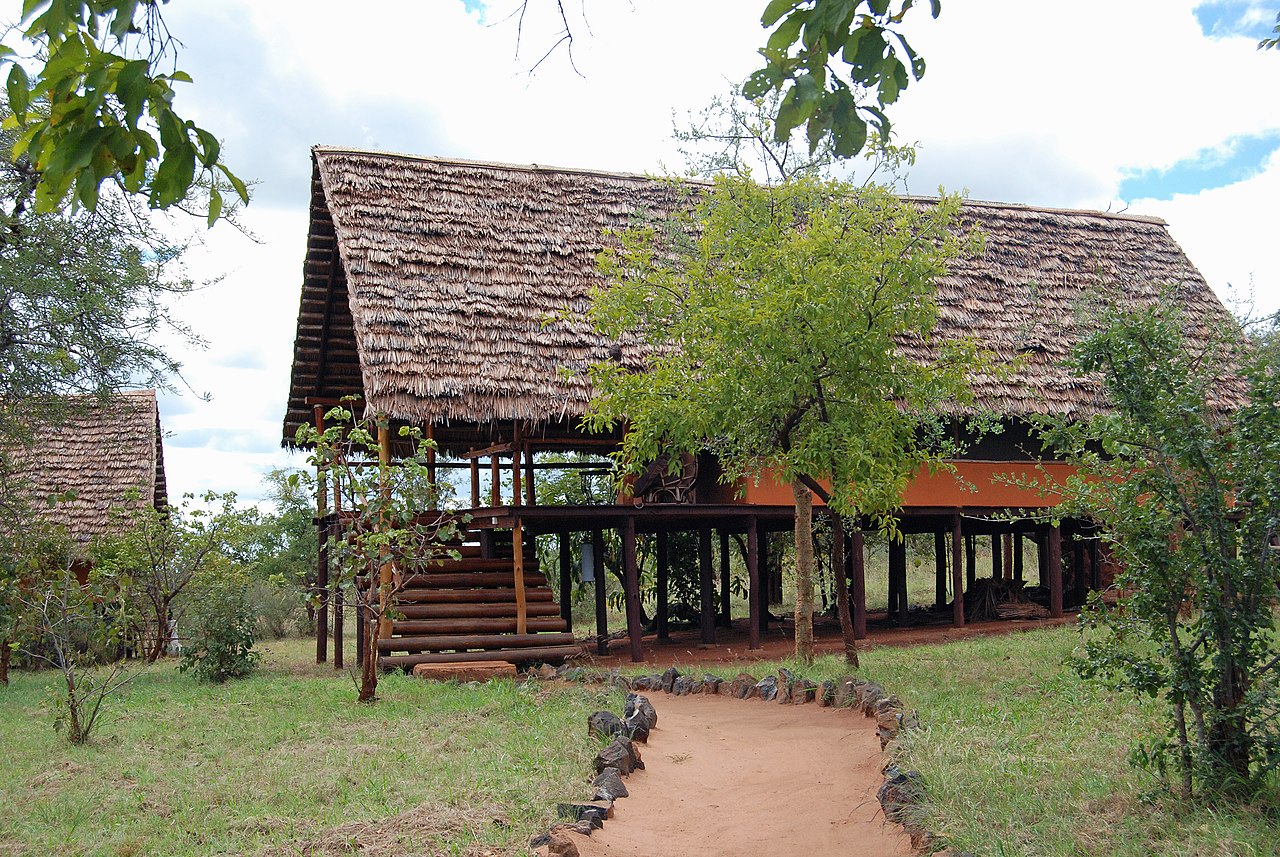
A turn-of-the-century Edwardian manor house on a hill commanding the endless Serengeti plains, complete with a croquet lawn, pool overlooking the migration, private game drives in custom Land Rovers, and a Singita wine list that would grace any capital.
The heart of the Serengeti meets Four Seasons levels of service: an infinity pool where elephants drink at the waterhole below, butler-serviced tented suites, expert night drives, and resident wildlife biologists who transform every game drive into a revelation.
A remote private camp on the escarpment edge of the Northern Serengeti positioned for front-row seats to the wildebeest river crossing, with specialist naturalist guides, en-suite canvas suites, and sundowners on an open kopje at golden hour.
A design-forward riverine lodge where vast glass walls dissolve the boundary between suite and savanna, the Singita Boutique and Gallery stocks museum-quality African art, and all-inclusive rates cover extraordinary guiding and a cellar of exceptional wines.
Rates change — check the live price.
Photography shows the dishes and cuisine — representative, not from the restaurants themselves.
Multi-course evening menu served on a deck above a floodlit waterhole; buffalo and lion are regular uninvited guests.
A champagne breakfast laid out in the bush after the morning drive — one of the definitive luxury safari experiences on the continent.
Fresh Tanzanian stew and ugali on a terrace with a working waterhole view — good value for the mid-range safari.
Intimate table for eight under a starlit sky, with a menu that rotates nightly and a wine cellar of surprising depth.
G&Ts on a wooden deck as the last light floods the Mara River valley — migration herds are often visible from the rail.
Your camp cook packs the cool box: sandwiches, fruit, wraps, and cold drinks consumed under a shady acacia while giraffe browse nearby.
The wildebeest are in the south (Ndutu) January-March for calving; in the north (Kogatende) July-October for the dramatic river crossings — match your dates to the spectacle you want.
Bush flights between airstrips cost $200-400 but save hours of dusty road; in the northern Serengeti the airstrip is almost the only practical option in the rains.
Khaki, olive and tan clothing blends into the landscape and avoids disturbing animals; avoid white (shows dust) and blue (attracts tsetse flies).
Tanzania National Parks charge $82 per adult per day — confirm whether your camp rate includes this before booking or it can double the bill.
A standard tip is $15-20 per person per day for your guide and $5-10 for camp staff — envelope it on your final morning.