Dawn balloon safari
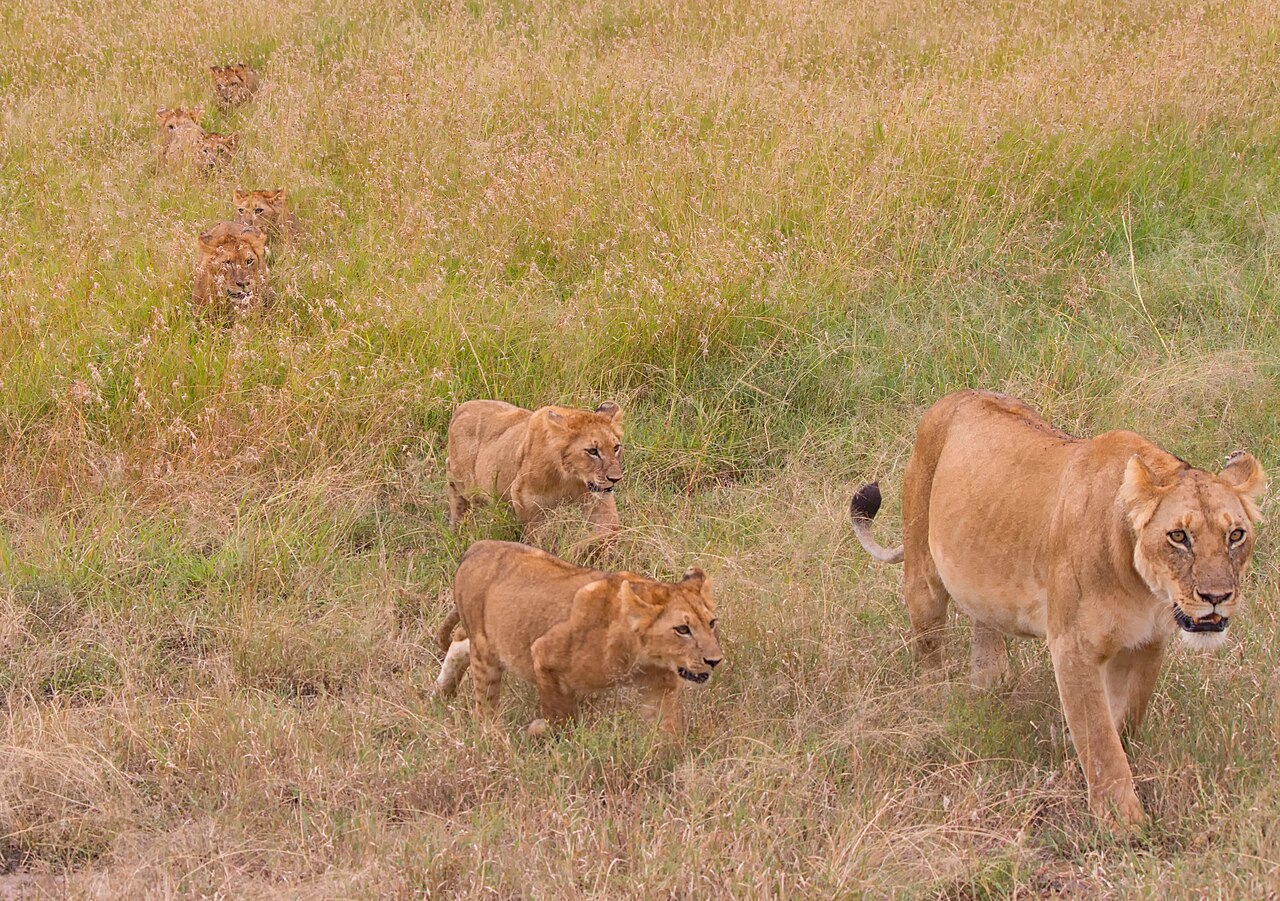
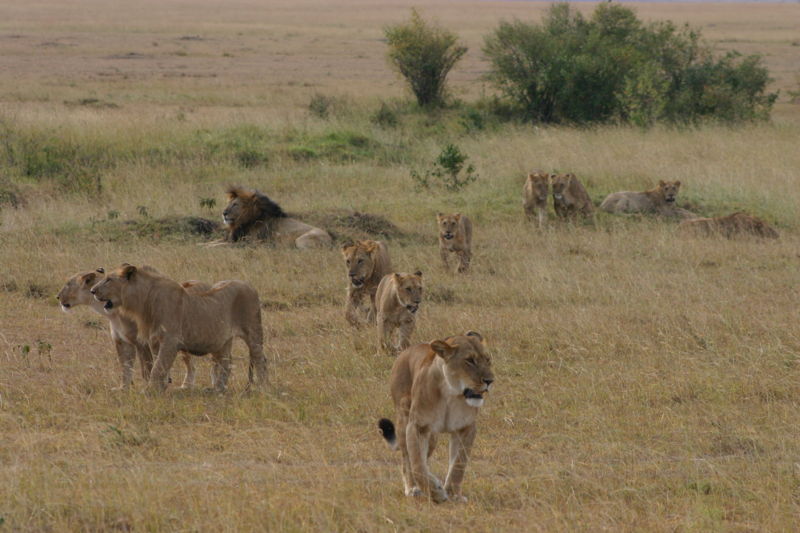
Lift off before sunrise and drift over lion prides, elephant families and the shimmering Mara River — the light at this hour turns every blade of grass to gold. A champagne bush breakfast follows landing.
Tembo na Simba
The northern extension of the Serengeti ecosystem packs the highest lion density in Africa into a reserve the size of a city, and stages the most dramatic river crossings of the Great Migration every August and September.
Lift off before sunrise and drift over lion prides, elephant families and the shimmering Mara River — the light at this hour turns every blade of grass to gold. A champagne bush breakfast follows landing.
Resident research teams share sighting data with trusted guides — find cheetah coalitions on the open plains, leopards in the luggas, and lions with cubs in the Musiara Marsh before the heat rises.
Arrive at a known crossing point before 07:00 and wait — when a column of wildebeest finally commits to the water it is a terrifying, joyous spectacle of crocodiles and churning hooves.
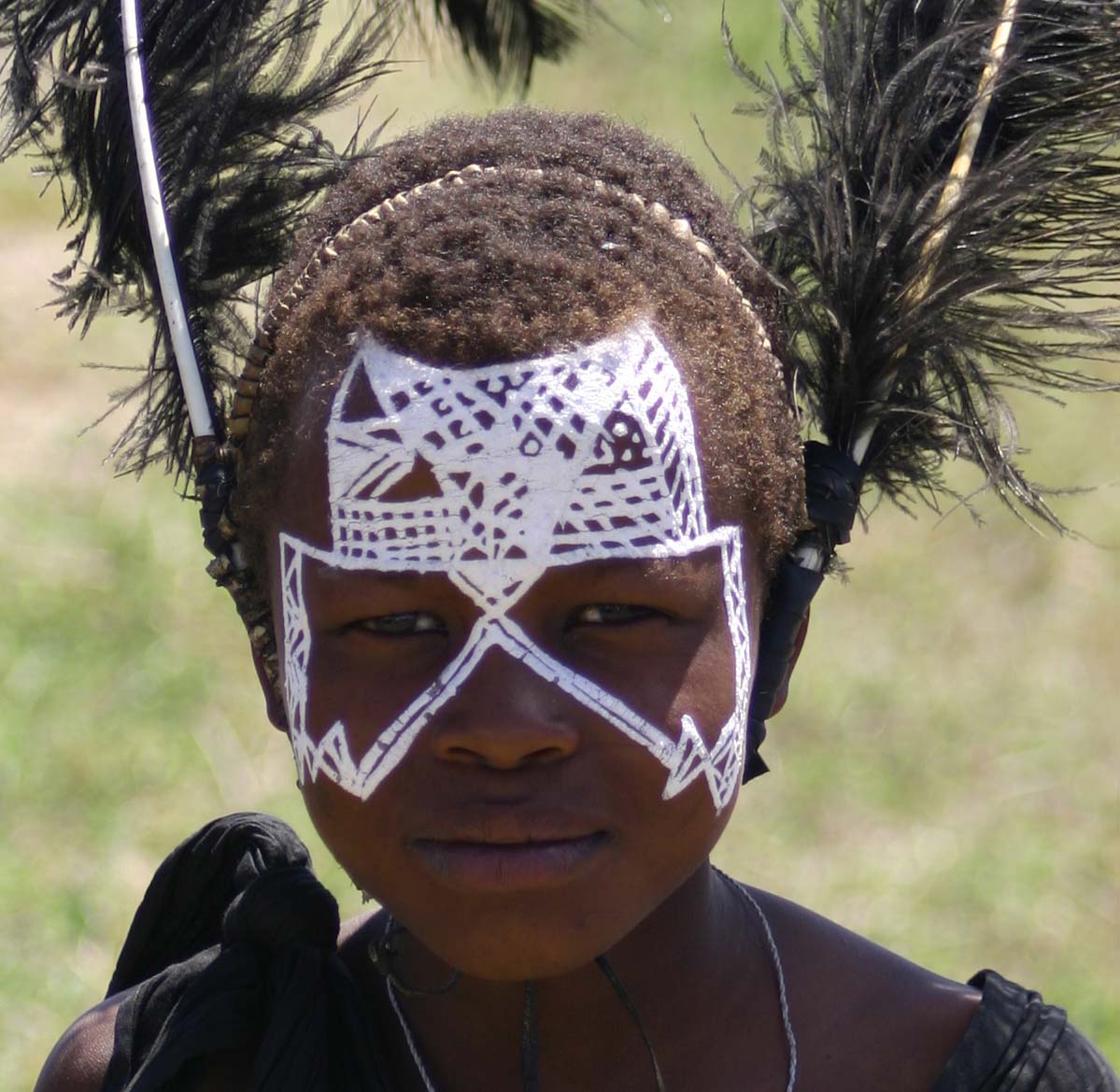
A community elder leads you through the thorn-fenced homestead at dawn when the cattle are being released — the smell of wood smoke, red ochre and fresh milk is an entirely different kind of Africa.
The northern conservancies' varied habitat gives Kenya's finest birding; look for grey crowned crane, Denham's bustard and the extraordinary southern ground hornbill.
Leave the vehicle behind with a Maasai guide and an armed ranger — tracking spoor, reading terrain, and approaching game on foot changes everything about how you see this landscape.
On foot with an armed guide, the small details of the riverbank come into focus: dung beetles, weaver bird nests, and antelope tracks in the mud. It is a grounded contrast to game drives spent behind glass.
The famous Marsh Pride and satellite coalitions can be tracked with radio-collar data by specialist guides; find them lazing near the Musiara Marsh or moving to a waterhole as the heat fades.
Park above the Mara River's broad hippo pool and count the eyes — several hundred hippos share this stretch with three-metre Nile crocodiles sunning on sand bars between hunts.
Resident elephant families move from the Mara Forest across the open plains each afternoon; approach downwind and watch matriarchs decide the route while calves shelter below.
Your camp chef packs a cool box with cold cuts, salads, fresh fruit and lemonade; your guide finds a shaded termite mound with a view and the world's best lunch table takes shape.
The sandy drainage lines (luggas) are leopard highways; your guide reads track patterns and waits — the first glimpse of a spotted coat moving through the undergrowth never fails to stop the heart.
Drive to the Oloololo escarpment edge for a sweeping view across the entire Mara ecosystem as the sun drops behind Tanzania; G&Ts poured from the tailgate, the plains darkening below.
Cooperative stalls near the conservancy display intricately beaded collars, bracelets, and belts made by local women's groups. Buying here channels tourist income directly into the community rather than a curio middleman.
The camp team illuminates a clearing with lanterns and torches, a table is set, and your cook produces a three-course dinner while a distant lion roars across the plain.
Around the fire your guide maps tomorrow's strategy based on today's tracks and radio chatter — the ritual debrief that makes each Mara morning feel purposeful.
Night drives are banned in the national reserve but legal in the private conservancies — a spotlight picks out thick-tailed bush babies, serval, aardwolf, and occasionally a pangolin.
A Maasai elder points out the constellations his people have navigated by for centuries, weaving oral history through the southern stars before the hyenas begin their nightly chorus.
As the crossing herds settle for the night, a guided walk along the riverbank reveals hippos grunting in the shallows and a sky beginning to blaze with color. It is the Mara at its most contemplative.
After dinner, warriors from a nearby boma gather around the fire to sing and leap in the traditional adumu, inviting guests to join in. It is one of the few moments on safari when the culture of the land takes center stage.
Kenya's beloved grilled meat feast is done properly here, cooked slowly over acacia coals and eaten with your fingers under an enormous sky. Few dinners taste as good as one earned after a full day of game drives.
Perched on the Oloololo Escarpment 300 metres above the Masai Mara floor—the cliff edge where Out of Africa was filmed—its glass-walled suites, private plunge pools, and dedicated Maasai guide deliver a view of the Mara that still stops the heart.
Sir Richard Branson's intimate twelve-tent camp in the private Olare Motorogi Conservancy provides 24-hour game drives away from crowded reserve tracks, a pool tent with valley panorama, and all-inclusive hosting with a deeply personal, unhurried safari rhythm.
Ten tents under ancient fig trees on a bend of the Mara River in the reserve's Musiara marsh country — Big Cat Diary territory — with hippos grunting through the night; the Governors' family have run camps on this river since 1972.
A fourth-generation family camp echoing the golden era of East African safari, with original 1920s artefacts, a private conservancy entirely free of other vehicles, bush breakfasts at elephant-visited water holes, and a warmth of service that no corporate lodge can match.
Rates change — check the live price.
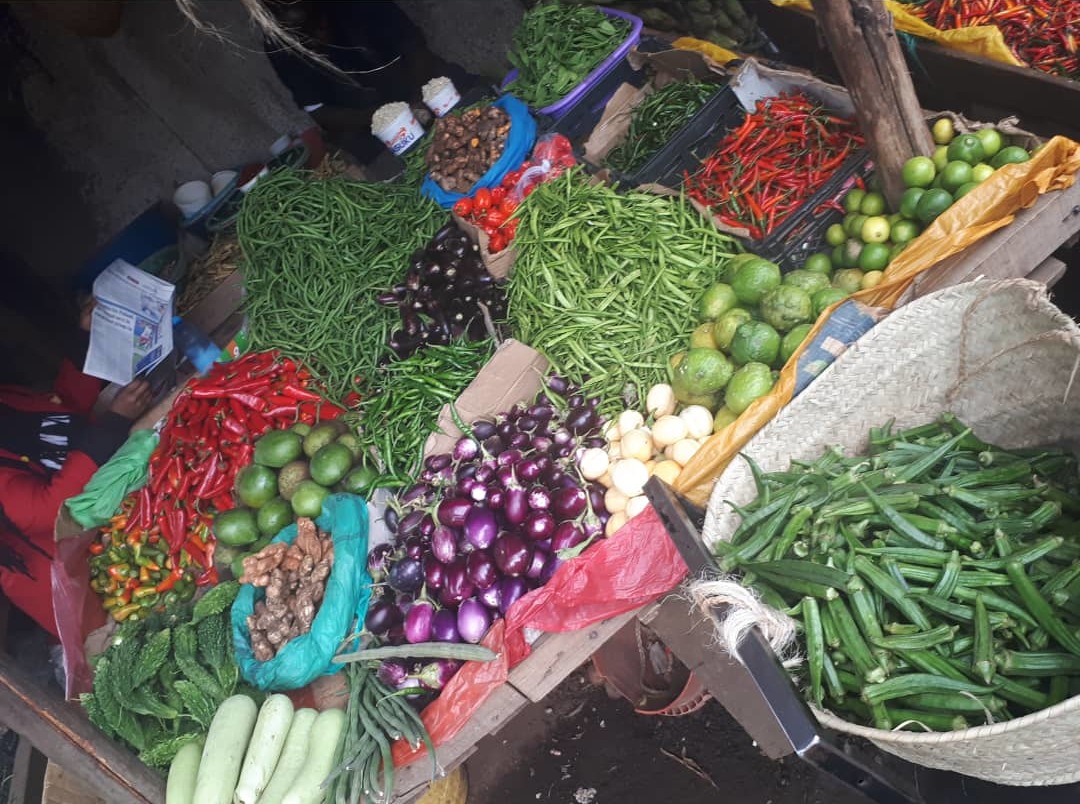
Photography shows the dishes and cuisine — representative, not from the restaurants themselves.
Perched on the escarpment edge above the Mara ecosystem, Angama's kitchen produces extraordinary tasting menus at a view Dinesen herself would recognise.
Laid out in the bush after the morning drive under the shade of a fig tree — fresh pastries, eggs to order, and bush tea poured from a thermos.
Buffet of Kenyan and international dishes with an outdoor terrace from which hyena visits after dark are practically guaranteed.
Nyama choma, ugali and sukuma wiki just outside the reserve gate — honest, cheap and entirely local.
A wooden deck above the marsh where hippos surface at dusk — the gin-and-tonic-to-wildebeest ratio is very much in your favour.
A ten-tent camp on the Mara River; the river crossing bank is fifty metres from your dining tent.
The Mara North, Ol Kinyei and Naboisho conservancies allow night drives, walking safaris and far fewer vehicles than the national reserve — worth every extra dollar.
Herds may hold for hours or even days before crossing; build at least two half-days of crossing vigil into your itinerary so you do not leave disappointed.
Proof of vaccination is required if you are travelling from a yellow fever risk country — get vaccinated at least ten days before departure.
ATMs in Narok are 90 minutes away; carry sufficient dollar notes for the trip and keep small denominations for tips and village markets.
Peak predator activity aligns with the long dry season — expect premium lodge prices and book 12-18 months ahead for first-choice camps.