Heritage
Western Wall at dawn
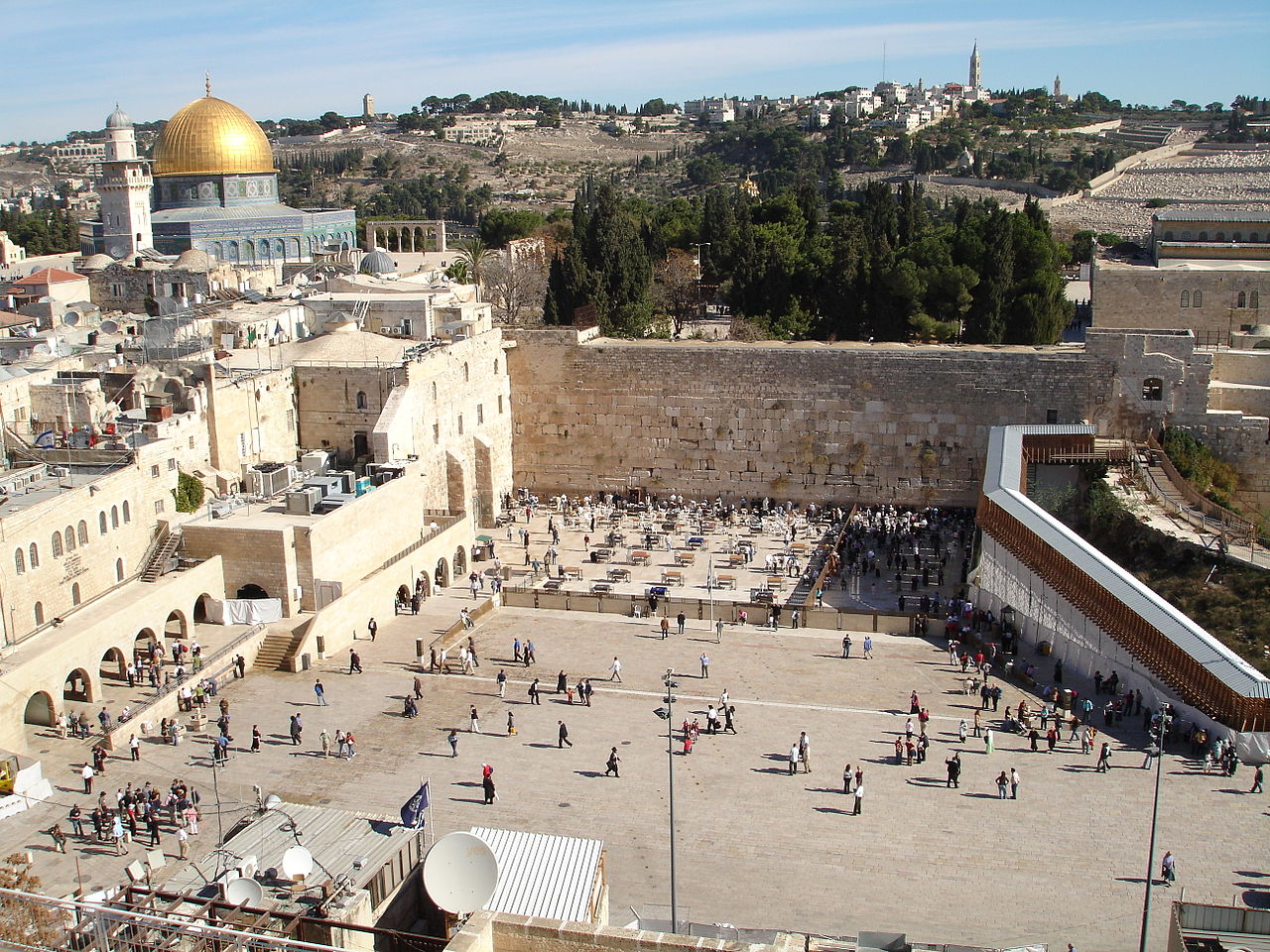
Arrive before 7:00 when the plaza holds only worshippers — men in tallit draped over their shoulders, the Wall's ancient stones warm in the first light, the city still quiet.
Yerushalayim Shel Zahav
Three of the world's great faiths claim Jerusalem as their centre, and walking its limestone alleyways — from the Western Wall to the Church of the Holy Sepulchre to the Dome of the Rock — is to feel history as something physically present, not merely remembered.
Arrive before 7:00 when the plaza holds only worshippers — men in tallit draped over their shoulders, the Wall's ancient stones warm in the first light, the city still quiet.
The site where Christianity places the Crucifixion and Resurrection — a layered, candlelit complex of rival denominations that is simultaneously chaotic and deeply moving.
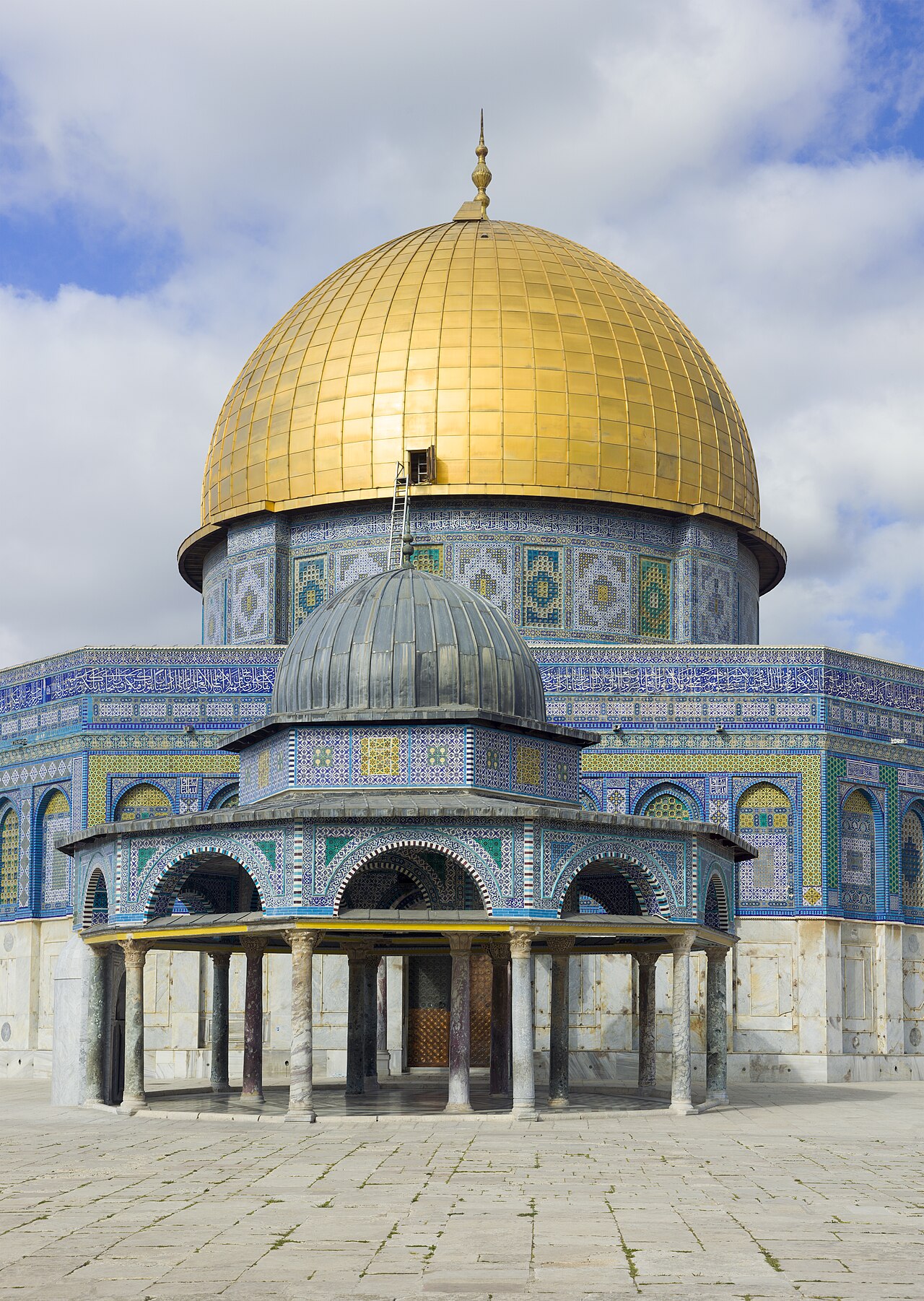
The golden dome above the rock from which Islam believes Mohammed ascended to heaven — non-Muslim visitors are admitted via the Mughrabi Gate on a limited morning schedule.
The world's most complete Holocaust memorial — a journey through architecture and testimony that ends in a triangular hall opening over the Jerusalem hills with deliberate, hard-won hope.
Jerusalem's covered market overflows with sabich, fresh hummus, halva by the slab, and the best bourekas in Israel — mornings belong to vendors; evenings it becomes a bar strip.
Ancient olive trees believed to be 2000 years old stand in the garden where the Gospels place Jesus's arrest, with a panoramic overview of the Old City from the Mount above.
Climbing onto the sixteenth-century ramparts before the day heats up gives a rooftop-level view over four quarters at once. The walkway threads past watchtowers and unexpected glimpses into courtyards below.
The four quarters each have their own commercial character — the Muslim Quarter's souk is the most alive, with spices, ceramics, and keffiyeh in every doorway.
The Dead Sea Scrolls are housed in a gleaming white dome; outside, a scale model of Second Temple Jerusalem covers an entire courtyard. One of the Middle East's great museums.
A citadel of Crusader, Mamluk, and Ottoman layers whose ramparts give the finest panorama of the Old City. Time the visit to arrive in the last hour of afternoon light.
A 30-minute shared taxi to the West Bank town where the Church of the Nativity shelters the oldest continuously used Christian interior in the world, built over the traditional birthplace of Jesus.
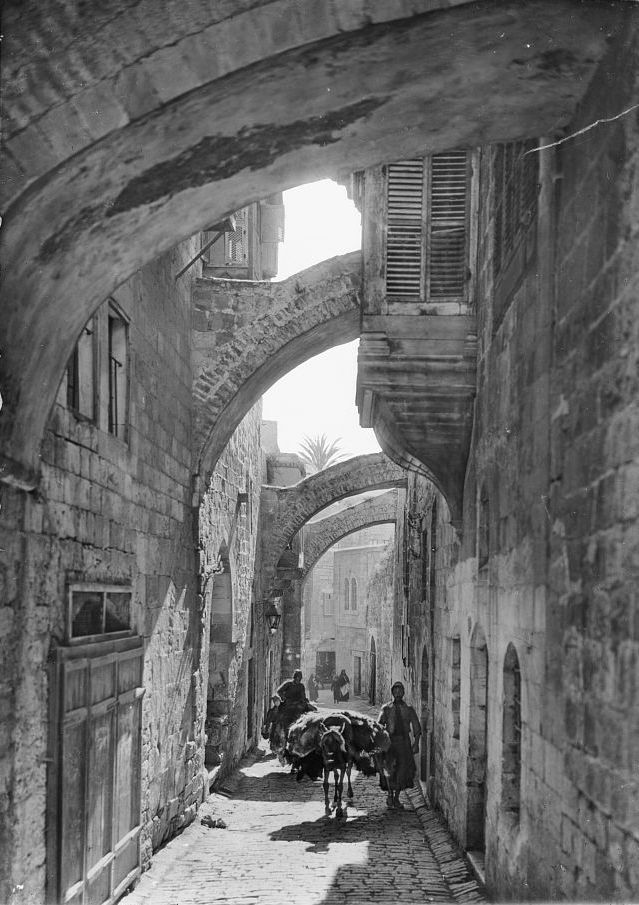
The fourteen Stations of the Cross through the Muslim and Christian quarters, each marked by a sculpted plaque. A guided walk transforms a lane into a narrative of extraordinary depth.
A stone village on Jerusalem's western fringe where artists occupy ancient houses and the Church of the Visitation hides a courtyard of inscribed ceramic prayer tiles from around the world.
A guide leads you beneath the modern plaza to walk alongside the wall's full ancient length, including massive foundation stones never visible above ground. The tunnels trace the original Herodian street level.
The promenade below the Jaffa Gate hosts several rooftop terraces where the Old City walls are floodlit and the evening air is cool enough for a glass of Judean Hills red wine.
Several Jerusalem families and restaurants offer communal Shabbat dinners beginning with candle-lighting and kiddush — an intimate way into a tradition that has continued for millennia.
The pedestrian street of West Jerusalem fills with music, street food, and a cross-section of the city's impossibly diverse population — soldiers, students, tourists, and ultra-orthodox in one convivial press.
A projection show mapping 3000 years of Jerusalem's history onto the citadel walls — a cinematic overview best seen before your first full day inside the Old City.
From this ridge above the city, the Old City's walls and domes catch the last light while the Judean Desert fades to violet beyond. It is a quiet, unhurried way to close the day.
In an intimate courtyard setting, a small ensemble performs on oud and qanun, weaving classical Arabic and Sephardic melodies late into the night. The music says as much about Jerusalem's layered history as any monument.
By day a produce market, by night the same stalls become tiny bars pouring Israeli wine and arak alongside plates of hummus and grilled meat. It is the most convivial few hours you will spend in the city.
Since 1931 the stone-hewn King David has received presidents, monarchs, and Nobel laureates; its David Suite commanding views over the Old City walls, legendary afternoon tea, and immaculate gardens remain the gold standard of Holy Land hospitality.
The 1929 Palace Hotel reborn as a Waldorf landmark, its Ottoman-Baroque facade, Peacock restaurant serving contemporary Israeli cuisine, and spa suites with Old City panoramas situate guests at the heart of Jerusalem's most storied address.
The only hotel with a direct promenade to the Jaffa Gate, its rooftop bar-lounge commanding Tower of David and Old City views, boldly curated contemporary Israeli design, and a rooftop pool terrace make it Jerusalem's most stylish address.
A former Ottoman pasha's palace now a Leading Hotels of the World member, its jasmine-hung courtyard, legendary Sunday brunch, Arabesque bar frequented by diplomats and literary figures, and the Pasha Room suite carry a rare, effortless historic grace.
Rates change — check the live price.
Photography shows the dishes and cuisine — representative, not from the restaurants themselves.
Israeli produce at its most inventive, from the chefs who defined the city's modern restaurant scene. Noisy, celebratory, and booked weeks ahead.
Warm hummus with whole chickpeas and a drizzle of olive oil unchanged for 60 years. Arrive by 11:00 before the kitchen runs out.
Seasonal tasting menus in a 1930s building — the kitchen moves between Ashkenazi nostalgia and Levantine freshness with equal confidence.
Pita stuffed with crisp falafel, shredded salad, and tahini from vendors who have worked the same stall for generations. The best breakfast in Jerusalem.
A literary café in a 19th-century stone house — Hebrew newspapers, good coffee, and toasted sandwiches in an atmosphere that has drawn writers and artists since 1994.
Jerusalem's most atmospheric wine bar in a candlelit Mandate-era courtyard — Judean Hills and Galilee labels, mezze, and a crowd who stay past midnight.
Shoulders and knees must be covered for the Western Wall, Muslim Quarter mosques, and Christian churches; a scarf tucked in a bag suffices.
Non-Muslim access to the platform is limited to morning hours Sunday–Thursday and closes during Islamic holidays — check the situation the evening before.
Distances inside the walls are short and a car is counterproductive — orient with a paper map, as GPS is unreliable in narrow limestone lanes.
Shabbat begins at sundown Friday and most West Jerusalem shops and restaurants close until Saturday night — stock up on Friday morning and embrace the quiet.
Shared minibuses from Damascus Gate bus station are cheap, direct, and used by locals — far more interesting than a private tour and no extra paperwork at the checkpoint.