Monument
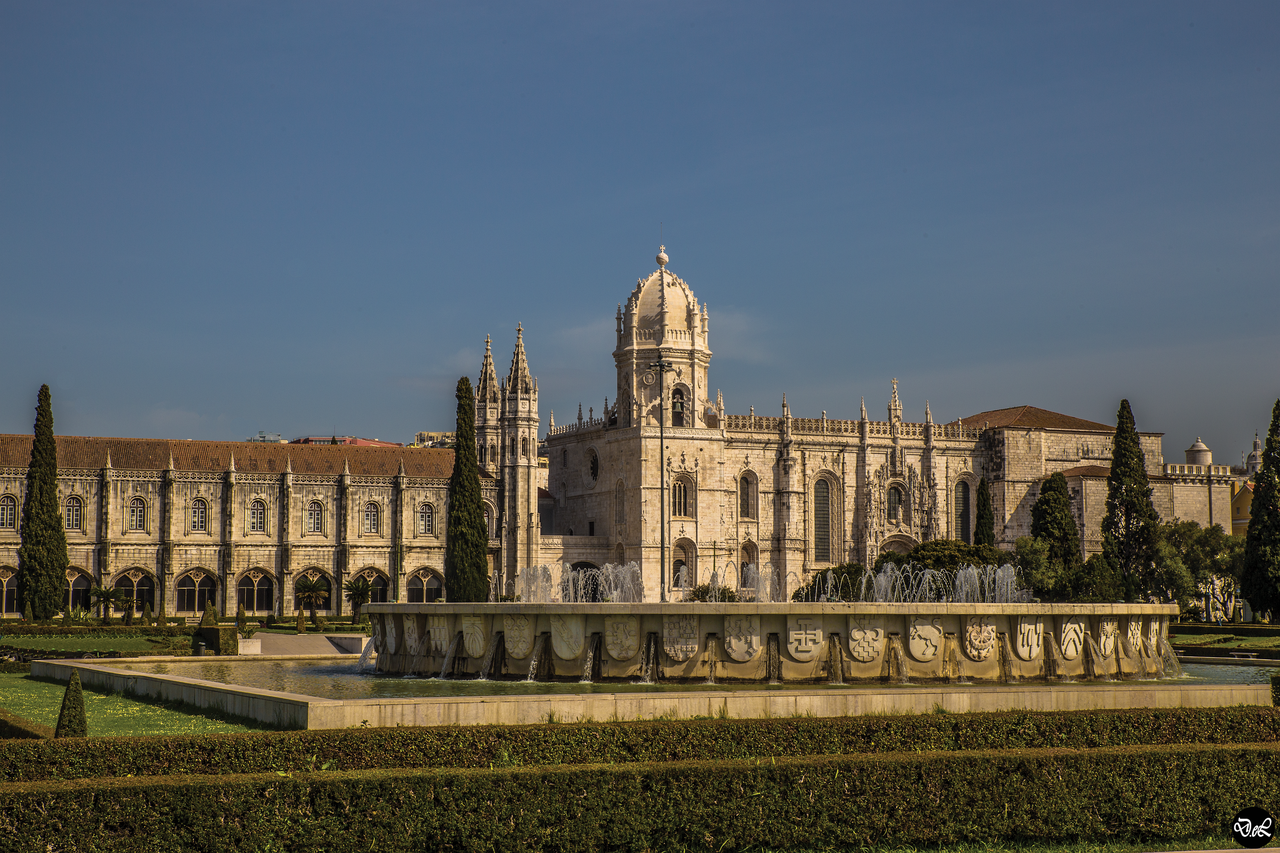
Jerónimos Monastery at opening
Arrive at 9:30 when the Manueline stone tracery glows and the cloisters are nearly empty. The church is free — the cloisters worth every cent.
Luz sobre o Tejo
Seven hills of amber rooftops, pastel azulejo facades, and the longest tram routes in Europe — Lisbon moves at the pace of a city that has always looked seaward and never been in a hurry.
Arrive at 9:30 when the Manueline stone tracery glows and the cloisters are nearly empty. The church is free — the cloisters worth every cent.
The 16th-century tower sitting on a spit in the Tagus is inseparable from the Age of Discovery. Walk the promenade west to the Monument to the Discoveries afterward.
Board at Martim Moniz to ride the rattling yellow icon up through the Mouraria and down through Alfama's steepest lanes. Standing on the platform is better than any seat.
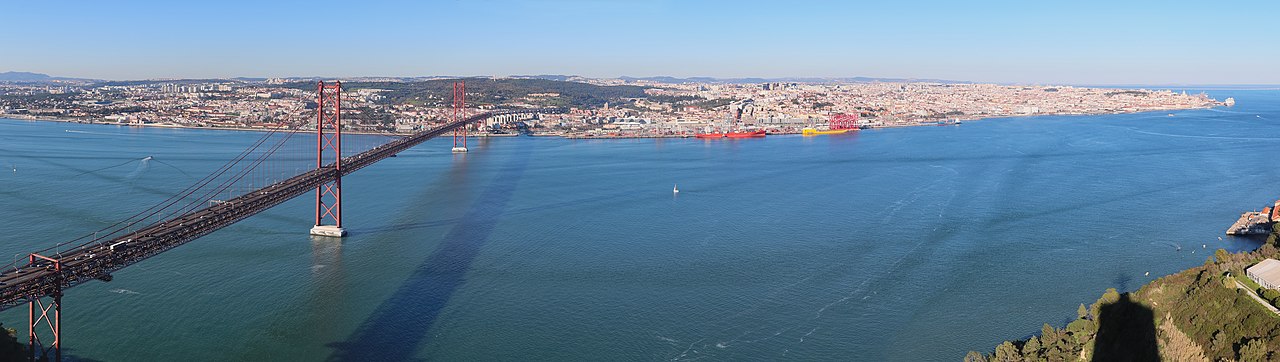
Moorish battlements with the best 360-degree view of the city — red rooftops, the Tagus, and the suspension bridge in a single sweep.
Tuesday and Saturday, the Thieves Market spreads across Campo de Santa Clara below the Panteão — vintage azulejos, old maps, and the odd piece of silver worth finding.
A small atelier near the Museu Nacional do Azulejo where you sketch, glaze, and fire your own tile to take home — the most personal souvenir in the city.
One of Europe's great private collections, from Egyptian antiquities to Lalique jewellery, sits inside a modernist park of ponds and pines. Mornings here are unhurried, a calm counterpoint to the tiled streets outside.
A repurposed 19th-century textile factory under the Ponte 25 de Abril, at its best on Sundays when the whole creative quarter spills out — food, vinyl, ceramics, vintage.
The definitive tile museum in a former convent, tracing Portuguese faience from 15th-century Moorish geometry to contemporary panels. The panoramic Lisbon tile is unmissable.
One of Europe's finest aquariums, designed for Expo 98, with a central tank that mimics open ocean — sunfish, manta rays, and schools of tuna at eye level.
Browse the world's oldest operating bookshop (est. 1732), then drift through the contemporary galleries of the Museu do Chiado.
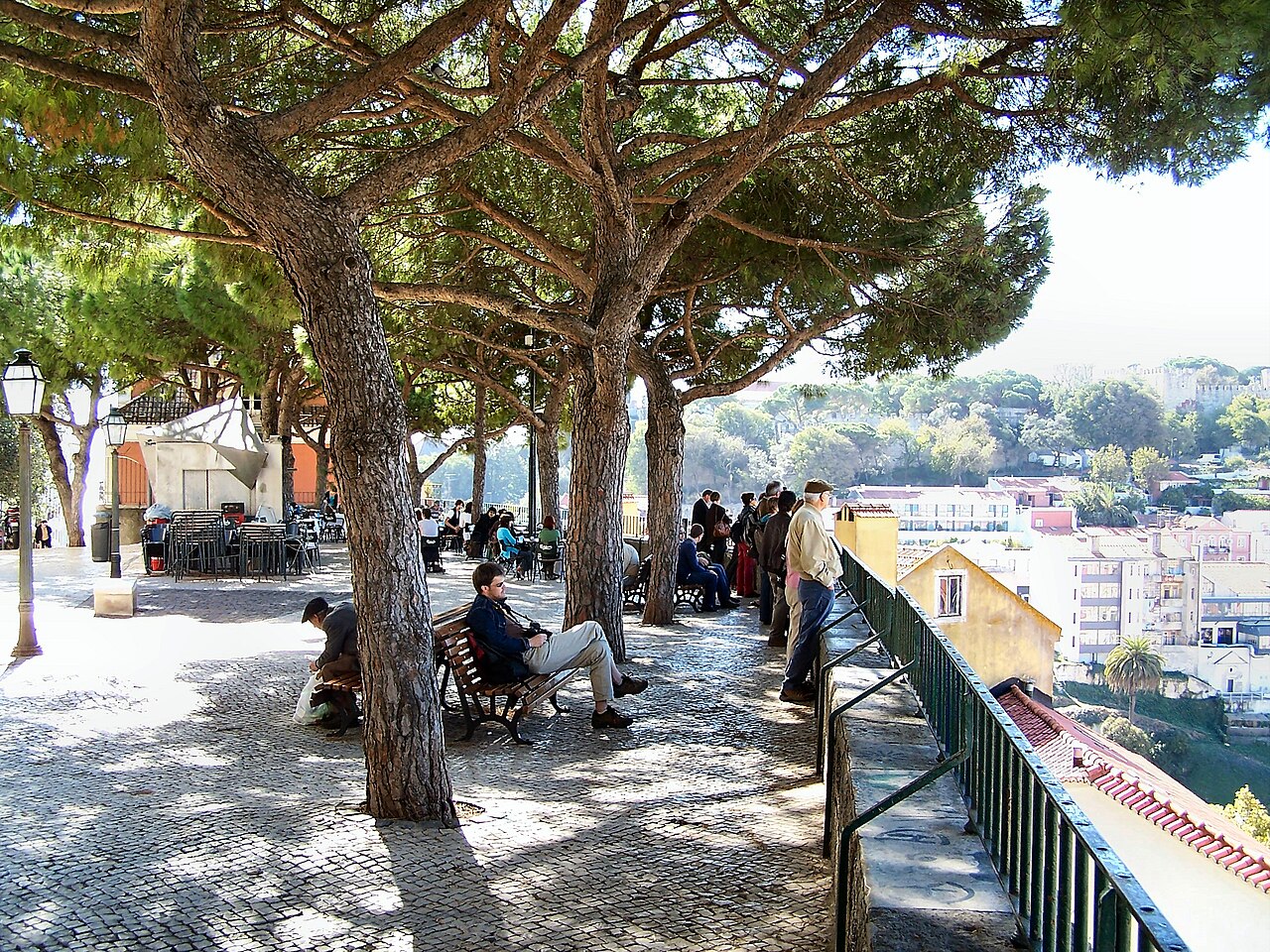
The locals' favourite viewpoint, with a kiosk serving ginjinha. Wander down through the Mouraria, Lisbon's oldest neighbourhood and birthplace of fado.
The Expo 98 district has aged into a pleasant promenade of striking architecture, open-air sculpture, and terraced cafés along the Tagus.
A short ferry across the Tagus leads to the hilltop statue of Cristo Rei, whose terrace gives a wide-open view back over Lisbon's rooftops and the 25 de Abril Bridge. The crossing itself, gulls trailing the boat, is half the pleasure.
A small house in Alfama — stone walls, candlelight, and a fadista whose voice fills the room. Book ahead; the intimate venues sell out days in advance.
Alfama spread below, the Tagus catching the last light, and the dome of São Vicente framed perfectly. Arrive fifteen minutes early for rail space.
The revived Pink Street and its side lanes have turned Cais do Sodré into the city's best after-dark neighbourhood — from wine bars to proper cocktail dens.
The upper city comes alive after 20:00 — choose a table on one of the lantern-lit back streets for petiscos, natural wine, and the unhurried conversation that Lisbon does best.
The highest of Lisbon's viewpoints looks past the castle to the river and the bridge beyond, a wide, unhurried panorama best claimed with a bottle of wine from the kiosk below.
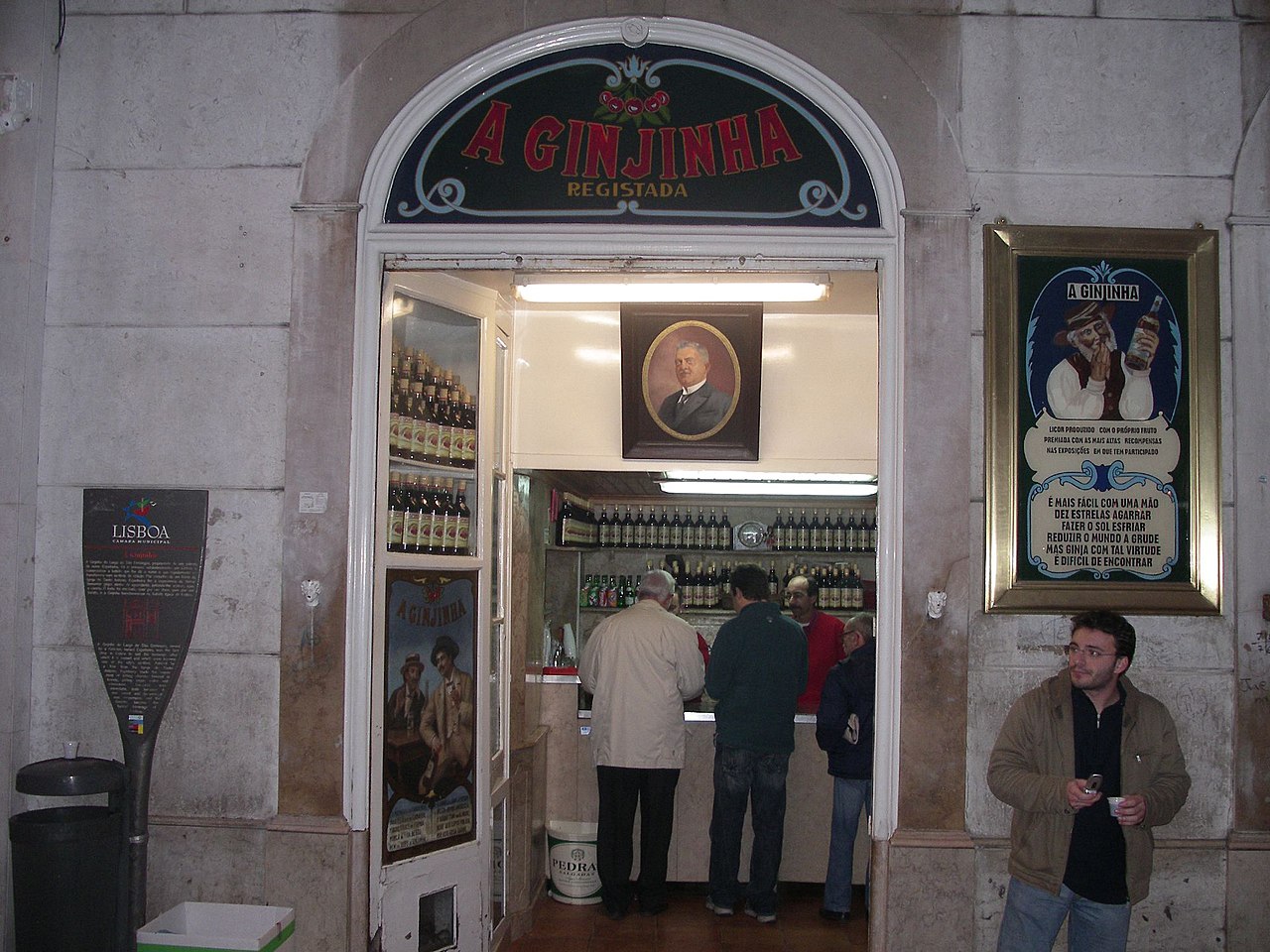
Barely wide enough for a queue, these century-old doorway bars pour cherry liqueur in paper cups, a Lisbon tradition that costs almost nothing and says everything about the city's unfussy charm.
Away from the tourist fado houses, a handful of Chiado wine bars host quieter sessions of Portuguese guitar, the instrument's shimmering, melancholy tone filling rooms built for maybe twenty people.
Lisbon's most fashionable address houses a rooftop terrace with terracotta-tiled views to the Tagus, a Michelin-starred restaurant, and individually curated suites filled with contemporary Portuguese art.
An enduring symbol of Lisbon grandeur, the Ritz presents hand-woven azulejo-tiled corridors, a celebrated terrace garden overlooking Eduardo VII Park, and suite service overseen by a team of long-tenured butlers.
A 1933-built flagship on Lisbon's grand boulevard, renovated into a 5-star Leading Hotels of the World member with a rooftop bar, spa, and a central address for the Avenida da Liberdade's finest shopping.
A Pombaline palace painstakingly restored to 24 palatial suites, Verride's rooftop pool suspended above the Tagus estuary and butler-curated fado evenings make it the most intimate luxury address in Lisbon.
Rates change — check the live price.
Photography shows the dishes and cuisine — representative, not from the restaurants themselves.
José Avillez's two-Michelin-star flag-ship reimagines the Portuguese canon in ten courses. Book six weeks out.
No menu on the wall — the waiter recites daily specials of offal, cured meats, and seasonal fish. Always a queue; always worth it.
Chargrilled sea bass and the neighbourhood's best pataniscas de bacalhau, two streets from the castle.
Chef Kiko's signature octopus ceviche under a giant hanging octopus sculpture. Reserve or queue by 19:00.
The original custard tart, dusted with cinnamon and icing sugar, eaten warm at a marble counter since 1837.
A hundred Portuguese bottles by the glass in a low-lit cellar — the sommelier's pairing with local charcuterie is the move.
The 48- or 72-hour card covers unlimited tram, metro, and bus rides plus free entry to most major monuments — it pays for itself by lunchtime on day one.
The best small Alfama venues have fewer than 30 seats and sell out days in advance; secure your night before you fly.
Lisbon's cobblestones (calçada portuguesa) are beautiful and brutal on wheeled luggage and thin-soled shoes — bring proper walking footwear.
Coaches arrive at Belém from 10:30 onward; the Monastery and Tower are a different experience at 9:30 versus 12:00.
Market vendors, tram tickets, and neighbourhood tascas often prefer cash; ATMs (Multibanco) are plentiful and give good rates.