Museum
Prado Museum morning visit
Arrive at opening to stand before Las Meninas, then spend an hour each with Goya's Black Paintings and the Flemish masters before the tour groups absorb the main halls.
La Capital del Arte
A capital built at the exact centre of Spain on the high Castilian plateau, where three of the world's finest art museums stand within walking distance and the bars do not fill until midnight.
Arrive at opening to stand before Las Meninas, then spend an hour each with Goya's Black Paintings and the Flemish masters before the tour groups absorb the main halls.
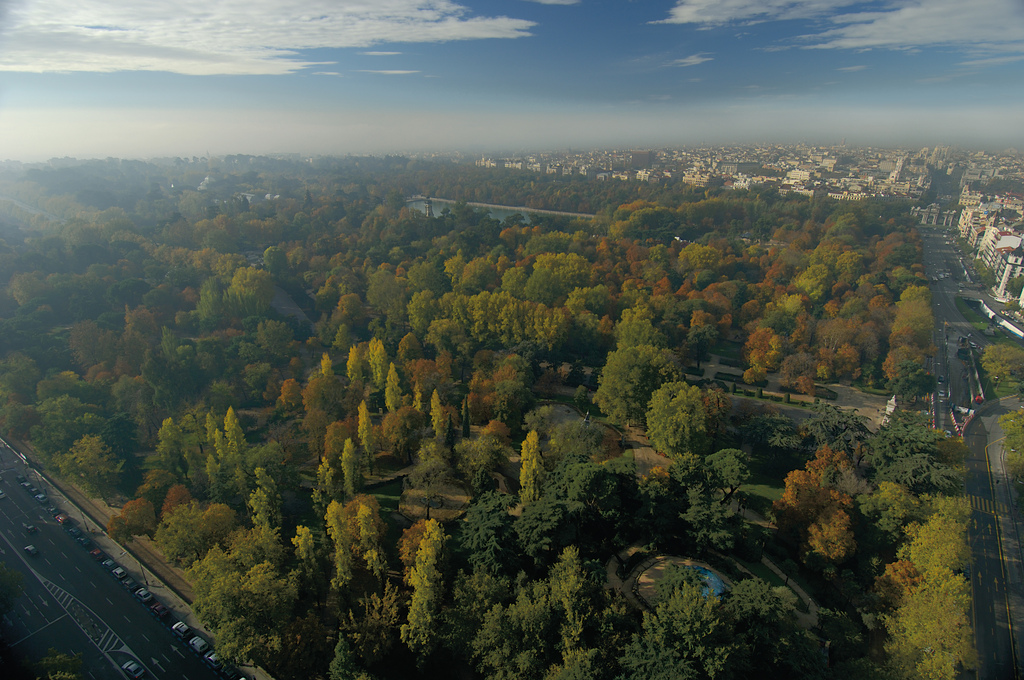
Madrid's great urban lung is best at 9:00 when joggers and newspaper readers have it almost to themselves. Row on the Estanque Grande for 45 minutes or simply follow the elm avenues.
Spain's largest open-air market cascades down the Ribera de Curtidores every Sunday — vintage clothing, antiques, tools, and the liveliest morning in all of Madrid.
Picasso's Guernica fills an entire room on the second floor of the Reina Sofía — the work is larger and more devastating in person than any reproduction suggests. The Surrealism galleries are equally essential.
Europe's largest royal palace by floor area, with over 3,400 rooms decorated in Flemish tapestries, Stradivarius instruments, and a ceiling fresco by Tiepolo in the throne room.
The iron-and-glass market beside the Plaza Mayor is at its best before noon — vermouth, anchovies, jamón ibérico, and patatas bravas while the rest of the city is still waking up.
A former municipal slaughterhouse on the Manzanares riverbank has become one of the city's liveliest cultural spaces, its brick pavilions holding design shows, a cinema, and a reading room. Weekday mornings are wonderfully calm.
The private collection of Baron Thyssen spans seven centuries and every European school — from Van Eyck and Holbein to Hopper and Lichtenstein. The Impressionist floor alone is worth the trip.
The neighbourhood of Cervantes and Lope de Vega, with quotations embedded in the cobblestones. Browse the independent bookshops off Calle Huertas and the antique dealers on Calle del Prado.
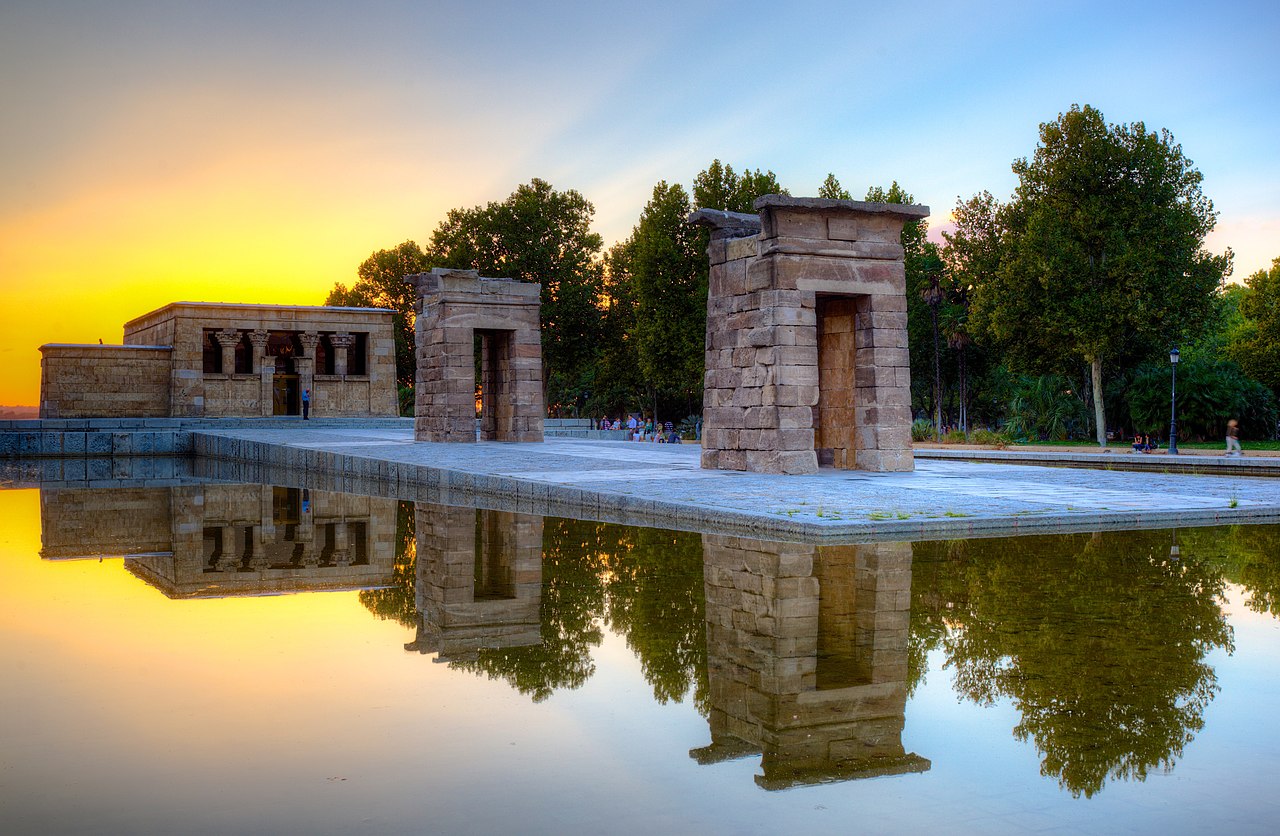
An authentic 2nd-century BC Egyptian temple, dismantled and gifted to Spain, re-erected in a park above the Casa de Campo with a due-west alignment that makes it one of the best sunset spots in the city.
The bohemian barrio of the 1980s movida generation — record shops, independent coffee houses, vintage clothing, and murals on every second wall. Calle Fuencarral is the spine.
The newly renovated Bernabéu offers an immersive self-guided tour through the dressing rooms, the tunnel, the trophy room, and the roof. Worth it even for the non-fan.
Opened in 1956 and still the most prestigious tablaos in Madrid — a Michelin-starred restaurant and a 75-minute show of genuine artistic intensity. Book the dinner-and-show package.
The painter Joaquín Sorolla's own house, still furnished as he left it, opens onto a small Andalusian-style garden and rooms full of his sun-drenched canvases. Afterward, the boutique streets of Salamanca invite an unhurried wander.
The pre-lunch and early-evening ritual of the city: a chilled vermouth on draught with a small plate of olives, gildas, or boquerones. Plaza de la Paja has the best terraces.
The long street of Cava Baja in La Latina hosts some of Madrid's oldest and most celebrated tapas bars — Taberna Tempranillo for wine, Casa Lucio for eggs, Juana la Loca for oysters.
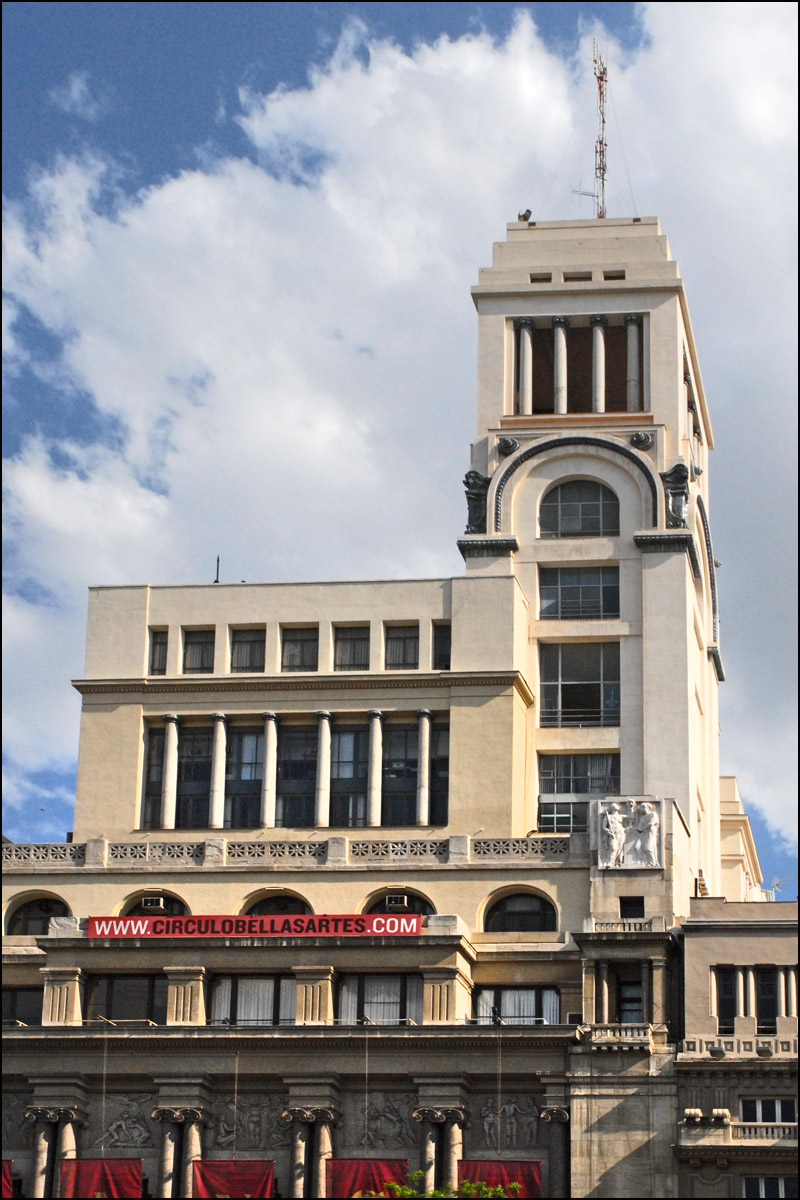
Pay the small fee to access the rooftop bar of the 1926 arts palace on Gran Vía — a 360-degree panorama of the city at dusk with a gin and tonic in hand.
Madrid's most creative kitchen neighbourhood eats after 21:30 — Lamucca, Bodega de la Ardosa, and Lateral all serve well past midnight in rooms that feel convivially loud and unhurried.
A Madrid rite of passage best done late, when the night's last revellers and the morning's first workers cross paths over cups of thick hot chocolate and fried dough.
Madrid's Broadway lights up fully after dark, its early-twentieth-century facades framed by cinema marquees and rooftop signs in a walk that costs nothing but rewards looking up.
Malasaña's late-night reputation extends to a scatter of small jazz clubs below street level, where the sets run long and the crowd rarely thins before 1 a.m.
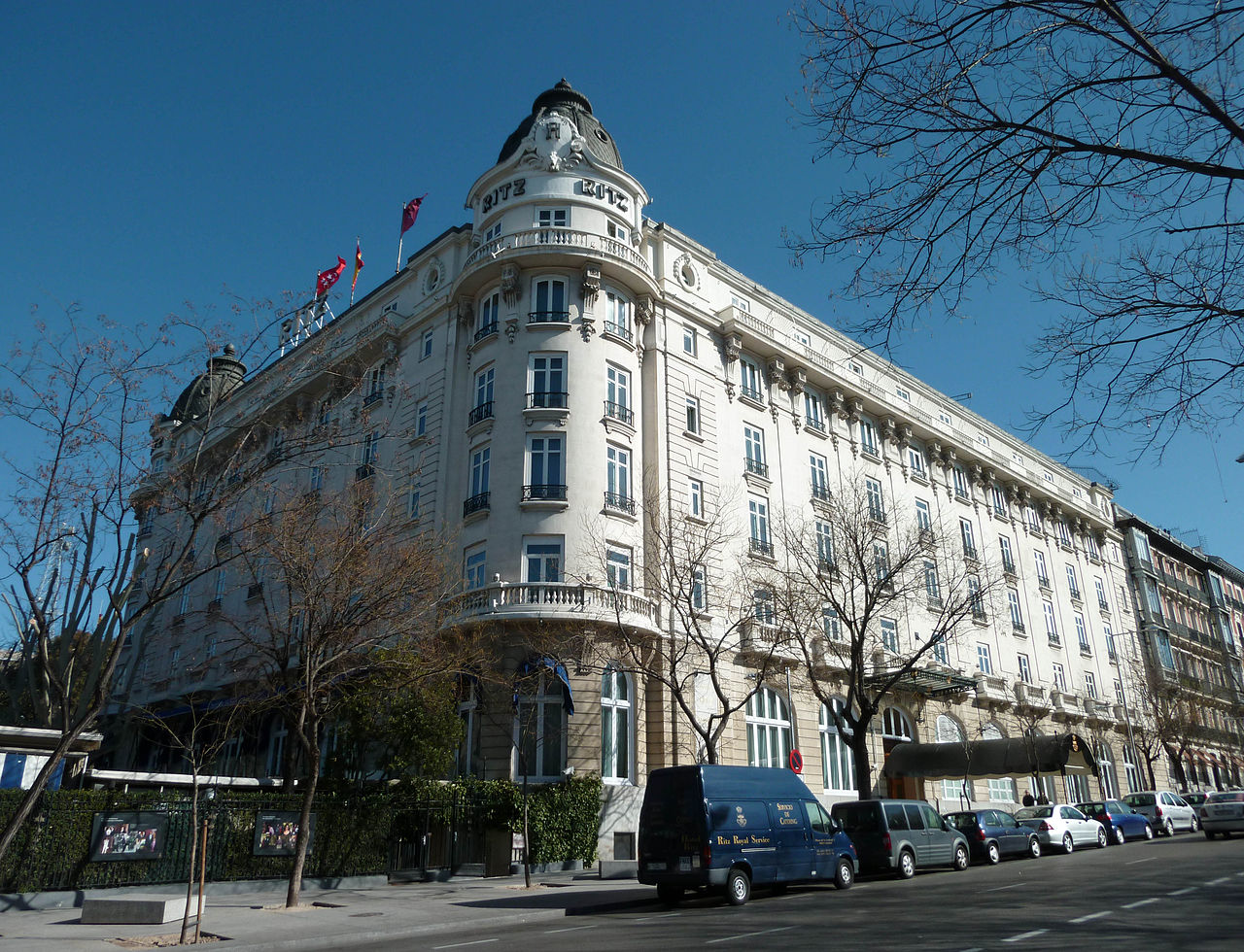
The centrepiece of Madrid's Golden Triangle of Art, the Ritz's restoration to Mandarin Oriental unveiled gilded Belle Époque interiors, a rose-garden terrace, and the city's most celebrated high tea elevated to a Michelin-starred experience.
Crowning the historic Gran Via crossroads in a soaring 1920s palacio, the Four Seasons Madrid's rooftop pool and Dani García-directed restaurant have instantly cemented it as the most desirable contemporary address in the Spanish capital.
Nestled in Madrid's finest shopping district, Villa Magna's immaculate suites furnished with bespoke Spanish craftsmanship, a Sense Spa, and a dedicated sommelier curating the best Ribera del Duero reserves define the city's most discreet luxury enclave.
An exquisitely restored 1917 building overlooking Gran Via, The Principal's rooftop terrace and plunge pool deliver a panoramic Madrid skyline tableau that the neighbourhood's creative energy makes feel refreshingly unguarded for a luxury hotel.
Rates change — check the live price.
Photography shows the dishes and cuisine — representative, not from the restaurants themselves.
Spain's only three-Michelin-star restaurant in Madrid — David Muñoz's 17-course avant-garde feast requires booking months ahead and a full evening commitment.
In the Guinness Book as the world's oldest restaurant (est. 1725) — the wood-fired oven cochinillo asado has been on the menu since before Goya ate here.
Madrid royalty and Spanish statesmen have eaten the huevos estrellados here for decades. Simple, perfect, iconic.
Stand-up tapas in a beautiful iron market — order jamón, anchovies, and a glass of Manzanilla and graze your way through the stalls.
Madrid's most beloved classic café, reopened and restored — marble tables, the morning papers, and a cortado that does exactly what it should.
A hundred Spanish wines by the glass in a wood-panelled room on Cava Baja — the cheese and charcuterie plate alongside a Ribera del Duero crianza is the formula.
The Prado closes on Mondays; the Reina Sofía and Thyssen are closed on Tuesdays — check before planning your art days to avoid the disappointment.
All three Golden Triangle museums offer free entry in their last two hours of the day — arrive at 18:00 for the Prado and 19:00 for the Reina Sofía to save the entry fee.
Lunch service runs 14:00–16:30 and dinner rarely starts before 21:00; booking restaurants for 20:00 marks you as a tourist — 21:30 is the sweet spot.
Madrid's metro reaches almost every neighbourhood and runs until 1:30 on weekdays and 2:30 on weekends — the ten-journey Metrobus card is far cheaper than paying per ride.
Tables at David Muñoz's three-starred restaurant open online exactly 60 days in advance and disappear within minutes — set a calendar reminder if this is a priority.