Museum
Tower of London & Crown Jewels
Arrive at opening to beat the school groups and linger over a millennium of royal history. The Yeoman Warder tours are witty and worth the wait.
The Great Wen
Nine million people, thirty-odd villages stitched together by the Thames — London rewards the curious with world-class museums, neighbourhood pubs that smell of old wood, and a food scene that quietly eclipsed the continent.
Arrive at opening to beat the school groups and linger over a millennium of royal history. The Yeoman Warder tours are witty and worth the wait.
Graze on Monmouth coffee, St John doughnuts, and Neal's Yard cheese before the lunch crowd arrives. One of the finest food markets in Europe.
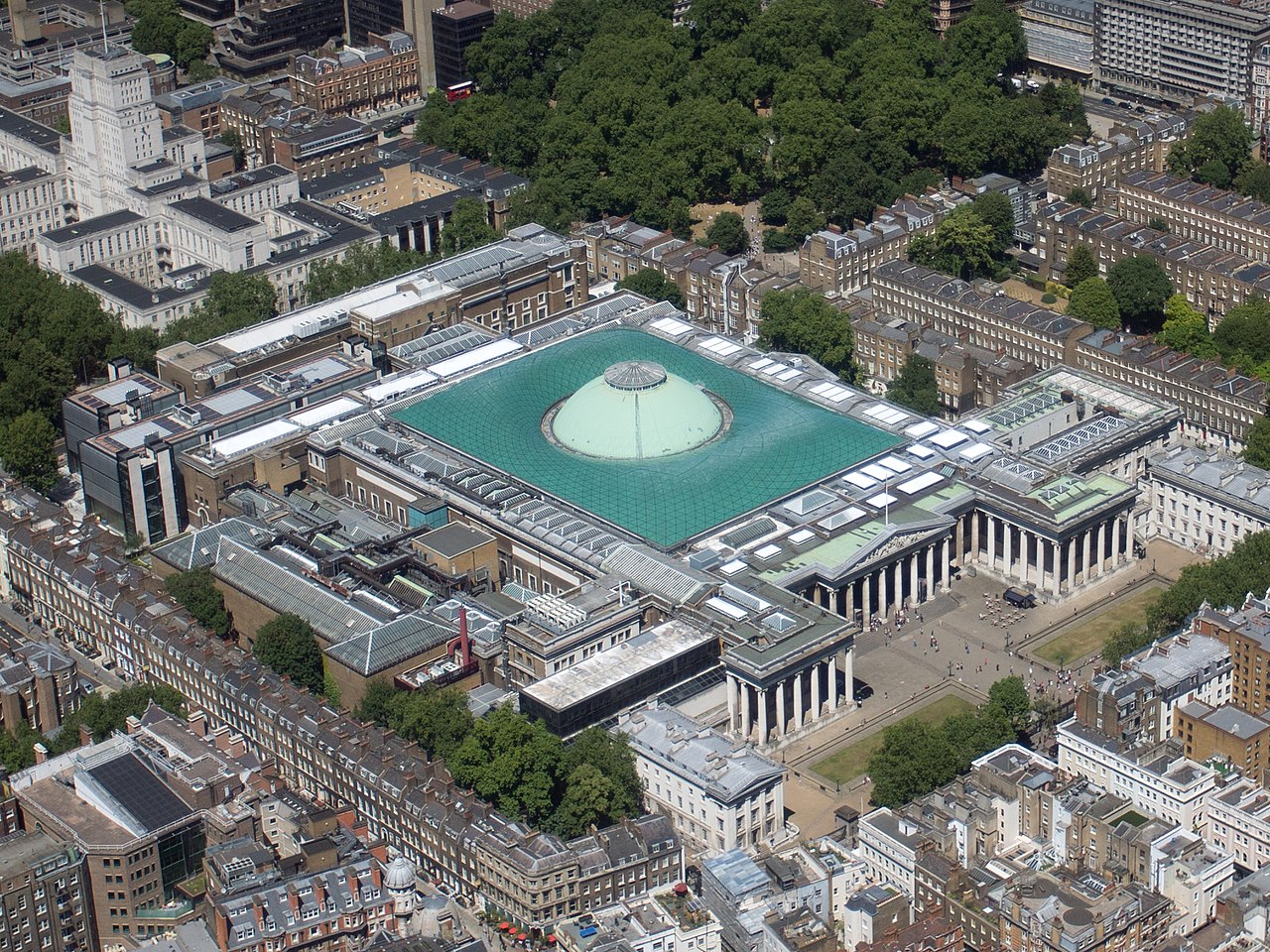
The Great Court alone justifies a visit; allow extra time for the Sutton Hoo helmet and Lewis Chessmen. Free entry, small suggested donation.
A dawn circuit past the Diana memorial fountain and into the Serpentine Gallery, which changes its contemporary show every few months.
Sunday morning Brick Lane has the best bagels in London at Beigel Bake, vintage shops, and the old Truman Brewery market all before noon.
Van Gogh's Sunflowers, Turner's fighting Temeraire, and the Arnolfini Portrait in one sweep. Free, and never overcrowded before 11:00.
Cast courts, fashion through the centuries, and one of the world's great design collections fill this South Kensington institution, free to enter and rarely crowded before mid-morning. Its café, set in the original Gamble Room, is worth lingering over.
The turbine hall installation changes annually; the permanent collection spans Rothko to Bourgeois. Cross the Millennium Bridge for the St Paul's view.
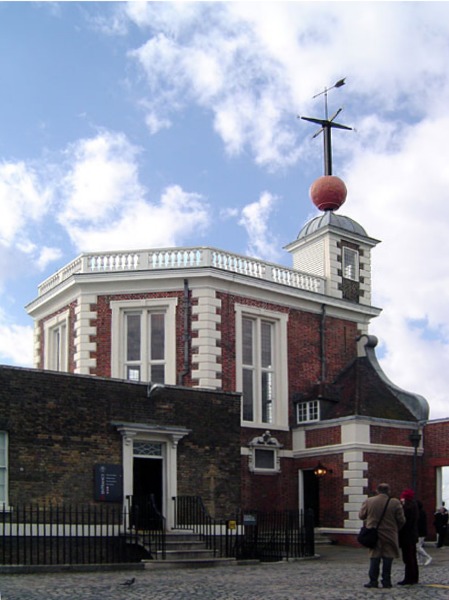
Take the Thames Clipper downriver, stand astride the Prime Meridian, and tour the Cutty Sark. The hilltop view back across Canary Wharf is surprisingly moving.
The state rooms are intimate and unhurried; book the Orangery for a proper afternoon tea with scones, clotted cream, and a pot of Darjeeling.
Every Sunday morning the East End bursts into colour and banter. Arrive by 10:00, buy a bunch, and browse the independent shops opening on either side.
A free glass garden atop the Walkie-Talkie building — book a slot in advance for a 360° panorama over the city.
Saturday mornings bring antique dealers, street food, and paint-bright terraced houses. A neighbourhood with genuine character.
The towpath from Camden Lock to Islington threads past houseboats, waterside cafes, and converted warehouses, a quieter angle on the city than its river-facing landmarks. Stop wherever a bench or a floating bookshop catches your eye.
London's West End rivals Broadway; book ahead for anything in long run, or queue at the TKTS booth in Leicester Square for same-day half-price seats.
Ronnie Scott's has hosted every jazz legend since 1959. Book the early set (19:30) for the full show without the midnight prices.
The Prospect of Whitby in Wapping or The Dove in Hammersmith — old timbers, good ale, and the river sliding past outside.
The arches under the Bermondsey railway viaduct fill with wine merchants, cheese stalls, and small-plate restaurants on weekend evenings.
After dark, the slow-turning wheel offers a wholly different city than its daytime version, with the Houses of Parliament, St Paul's dome and the river itself picked out in floodlight. A single rotation takes about thirty minutes, long enough to watch the skyline properly change color.
Camden's small comedy clubs have long served as testing ground for acts on their way to bigger stages, and a weeknight lineup can just as easily turn up a future household name as a gloriously chaotic new act. The rooms are intimate enough that heckling, gently, is part of the fun.
Behind an unmarked door or through a fake phone booth, Shoreditch's speakeasy-style bars mix inventive cocktails in rooms that lean hard into Prohibition-era theatre. Half the pleasure is simply finding the entrance.
London's most storied address since 1906—the Palm Court's afternoon tea, gilded Louis XVI interiors, and Piccadilly frontage make it the eternal definition of British luxury.
The unofficial annex of Buckingham Palace, Claridge's Art Deco lobby and suite corridors have received royalty, heads of state, and screen legends for well over a century.
Opening in 1889 on the Thames, the Savoy's River Suites, legendary American Bar—birthplace of the Dry Martini—and impeccable service remain the gold standard of London hospitality.
Overlooking Hyde Park from London's most prestigious postcode, Mandarin Oriental's reimagined suites and spa fuse Eastern wellness mastery with an unbeatable Knightsbridge address.
Rates change — check the live price.
Photography shows the dishes and cuisine — representative, not from the restaurants themselves.
Four restaurants in one Georgian townhouse — the Lecture Room holds two Michelin stars; the Gallery is pure Instagram spectacle.
Fergus Henderson's nose-to-tail temple. The roast bone marrow with parsley salad is a London institution.
Bombay café food done with care — the bacon naan at breakfast and the house black daal at dinner are both essential.
A Victorian pie and mash shop with original marble counters. Quintessentially East End, and very cheap.
Yotam Ottolenghi's original deli — the meringues are the size of your fist and the salad counter changes daily.
Prohibition-era basement bar with live jazz and extraordinary cocktails. Book the booth, arrive before midnight.
Tap in and out on every Tube, bus, and Overground journey — daily fare caps mean you never overpay, even on long cross-city days.
The British Museum and V&A now encourage timed entry booking online; free admission means slots fill fast on weekends.
Major shops open later (11:00) and close earlier (17:00) on Sundays; plan dining and markets around this.
London's landmark zones are surprisingly compact on foot — the South Bank from Tate to Tower Bridge is under 40 minutes and constantly interesting.
The half-price ticket booth in Leicester Square opens at 10:00 — queue early for same-day West End seats at a fraction of the box-office price.