Museum
Rijksmuseum opening-hour visit
The national museum opens at nine and the first hour is gloriously quiet — take your time with the Night Watch and the Delftware collection before the afternoon crowds arrive.
Grachten & Glorie
Seventeenth-century merchant wealth compressed into a ring of concentric canals, where every bridge frames a gable, the museums are world-class, and the whole city moves by bicycle at a pace that makes everything feel possible before lunch.
The national museum opens at nine and the first hour is gloriously quiet — take your time with the Night Watch and the Delftware collection before the afternoon crowds arrive.
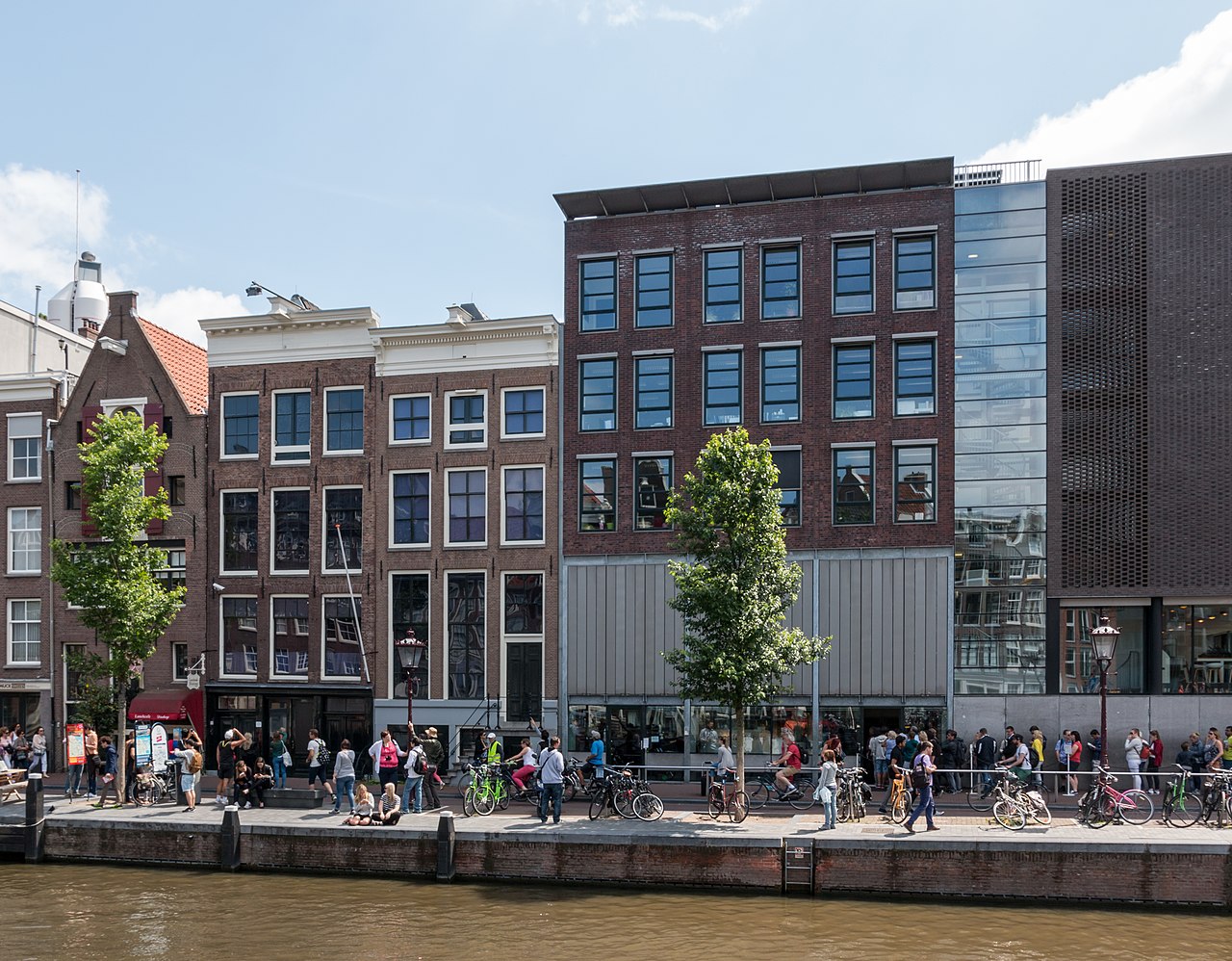
The hidden annex where a family hid for two years — understated and profoundly moving. Timed tickets sell out weeks ahead; book the first slot of the day.
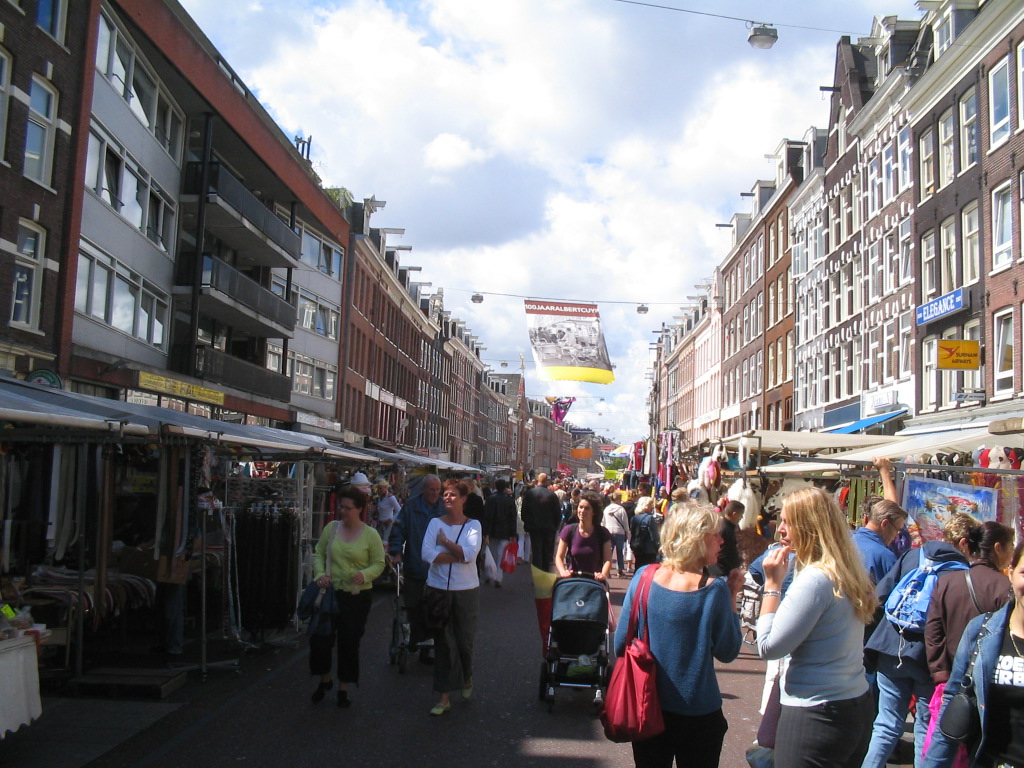
Europe's largest street market opens at nine with stroopwafels, raw herring, Dutch cheeses and Indonesian street food. Arrive hungry — breakfast is here.
A guided ride along the Prinsengracht, Bloemgracht and Egelantiersgracht with stops at the best café terraces. By far the city's most satisfying way to orientate yourself.
Only open March through May, the 32-hectare tulip and daffodil park in Lisse is one of the great spectacles of European spring. Take the direct Keukenhof Express bus from Schiphol.
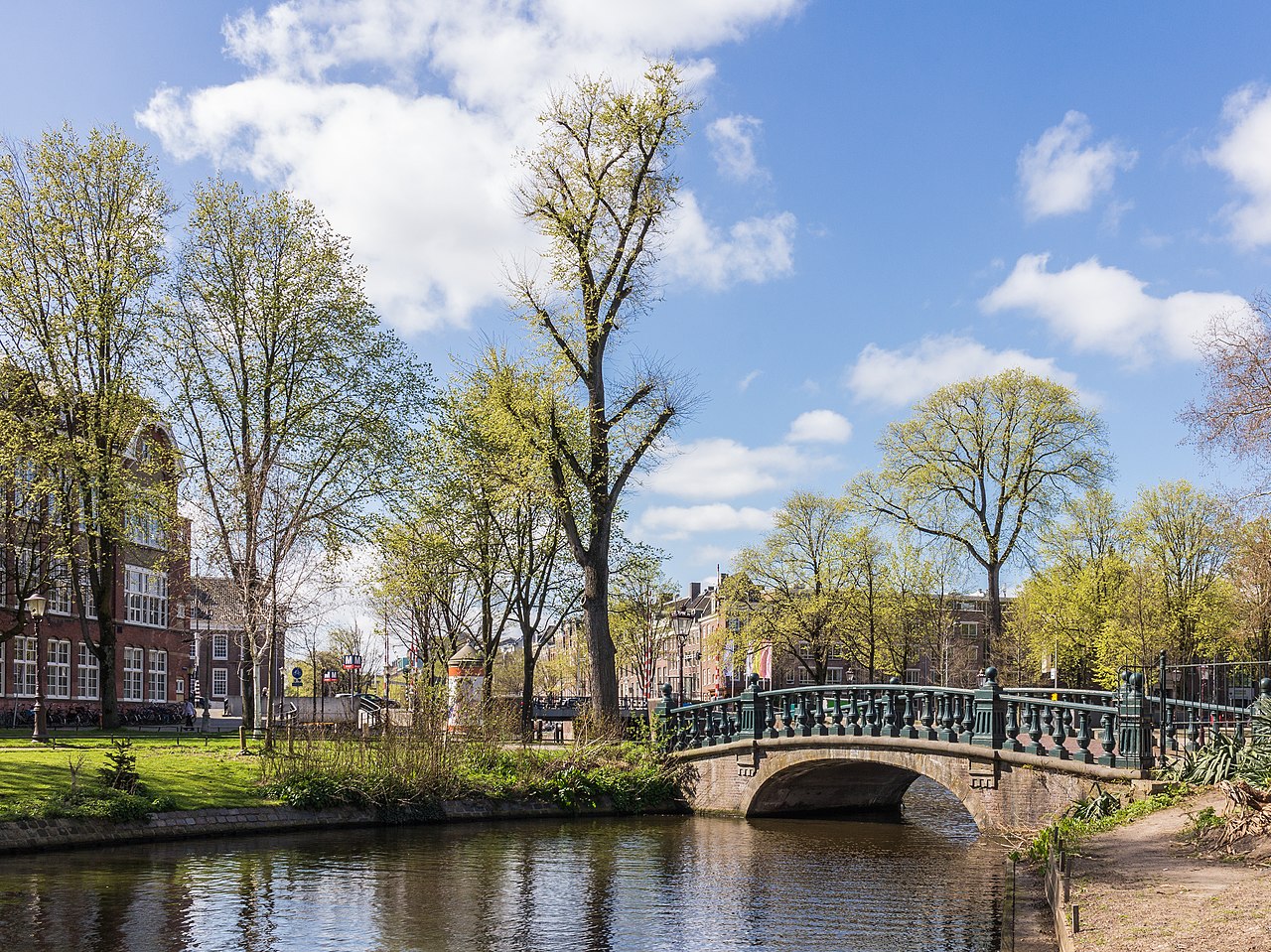
Rent a bike from a Jordaan shop and glide through the park's lawns and rose gardens at breakfast pace. Stop at the Vondelpark Paviljoen for coffee and a broodje at a terrace table.
Amsterdam's oldest botanical garden opens gently, its 17th-century glasshouses and butterfly house near-empty before the canal crowds stir. Wander the Palm House and the medicinal herb beds with nothing but birdsong for company.
The world's largest Van Gogh collection — 200 paintings in chronological order — with the sunflowers and Bedroom canvases hitting harder in person than any reproduction conveys.
The original 1864 Heineken brewery converted into an immersive experience ending with a glass poured from the source. More fun than it sounds — arrive mid-afternoon.
Take the free ferry from Central Station to the former shipyard-turned-arts complex: street murals the size of buildings, pop-up studios and the EYE Film Museum on the waterfront.
Built as Amsterdam's city hall in 1665 when the city was the world's richest — the marble floors carry the entire globe, and the great hall is spectacular even empty of furniture.
Nine canal-crossing streets packed with independent vintage stores, concept shops, cheese mongers and the Bloemenmarkt floating flower stalls at the southern end.
Four synagogues linked by glass corridors telling centuries of Dutch-Jewish life, followed by a walk through the Plantage neighbourhood and the nineteenth-century Hortus Botanicus.
Tucked into a canal house on the Keizersgracht, Foam rotates ambitious photography exhibitions across several intimate floors. It rewards an unhurried afternoon and a coffee in the ground-floor café afterward.
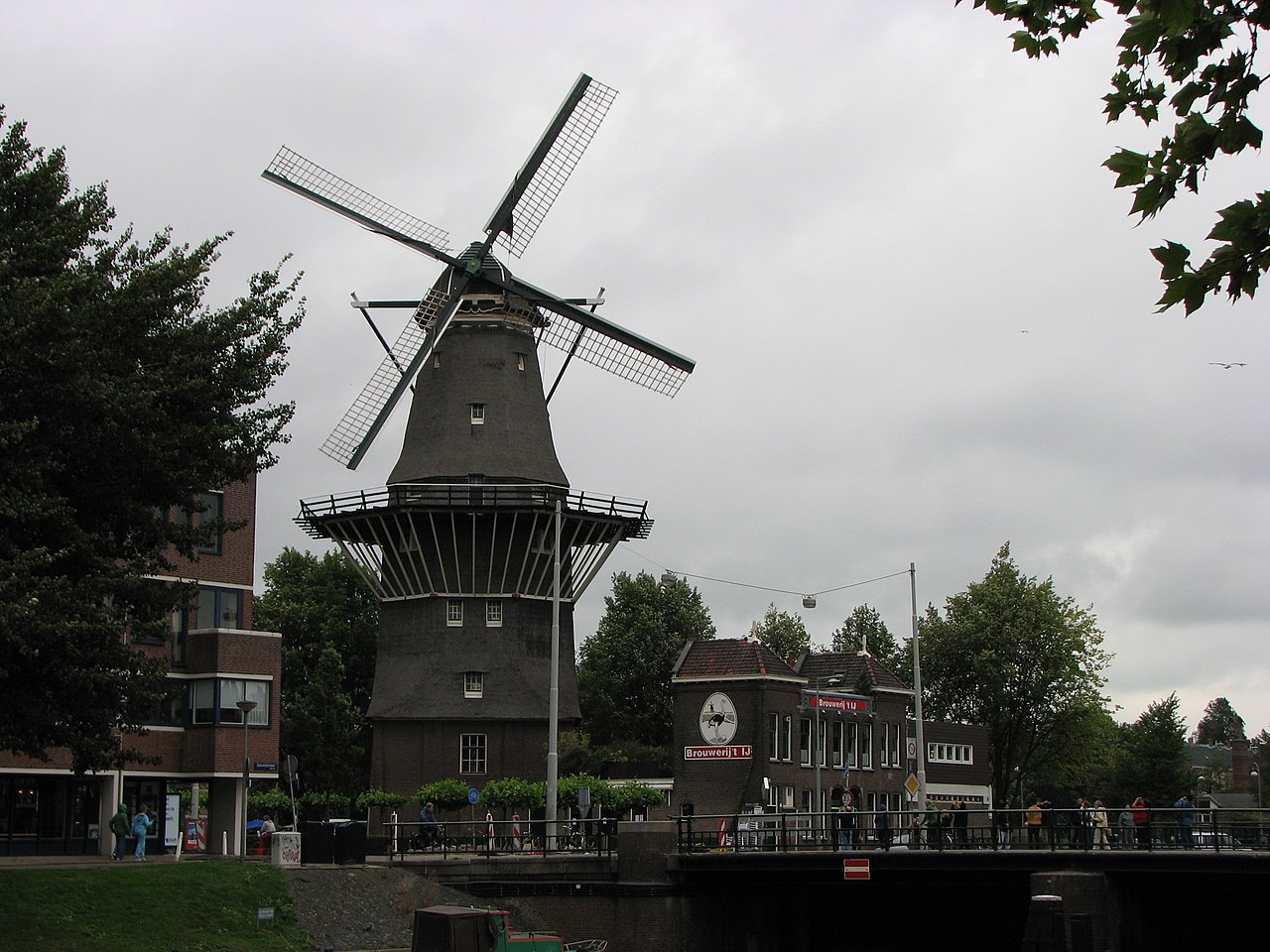
A working windmill that also houses Amsterdam's finest craft brewery — the tasting room is best in the evening with the lit mill reflected in the canal.
Café Alto on Leidseplein has had live jazz almost every night since 1952; the Bimhuis on the harbour is the city's great modern-jazz venue. Either is a superb evening.
A glass-topped boat through the lit UNESCO canal ring at dusk — Dutch cheeses, charcuterie, and a Dutch gin on the way back. Sunset departure recommended.
The square and its backstreets hold everything from bruin cafés to cocktail bars; start at Paradiso for whatever is on, or find a bottle of oude jenever at Wynand Fockink.
As the gabled houses catch the last light, the Golden Bend's grandest canal turns quietly gold. It is the kind of walk best taken slowly, with no destination in mind.
Inside a converted tram depot in Oud-West, two dozen kitchens send out everything from Dutch bitterballen to Vietnamese pho. Settle at a communal table and graze your way across the room.
A guided walk through the city's oldest quarter unpacks its centuries of maritime trade, tolerance debates, and neon-lit canals. It is a candid, unhurried look at a district most visitors only glimpse in passing.
Six patrician Golden Age canal houses melded into a UNESCO-listed palace where guests dine in a lantern-lit courtyard garden and slip into a sun-drenched Guerlain Spa beneath the canal waterline.
The de l'Europe has anchored the Amstel riverfront since 1896 with its neoclassical white facade, two-Michelin-star Flore restaurant, and Freddy's Bar, an Amsterdam institution for Dutch gin and jazz.
Twenty-five Golden Age canal houses stitched together by art-filled corridors create Pulitzer's labyrinthine charm, where a private cocktail boat ferries guests along the Prinsengracht at dusk.
Behind a 1615 Flemish Renaissance facade on the Keizersgracht, The Dylan's 40 individually designed rooms and Vinkeles restaurant—occupying the old baking house—set the standard for intimate Dutch luxury.
Rates change — check the live price.
Photography shows the dishes and cuisine — representative, not from the restaurants themselves.
Two Michelin stars and a Green Star for sustainability at Hotel de l'Europe: chef Bas van Kranen's vegetable-forward, dairy-free tasting menu across eleven intimate tables is the most thought-provoking and beautiful meal in Amsterdam.
Amsterdam's finest rijsttafel — a 25-dish Indonesian feast served at a leisurely pace. The city's most essential meal, and genuinely delicious.
The best sunny terrace in the city, above the Amstel, for a long Dutch lunch with a newspaper and an unhurried glass of white.
Insert coins; retrieve a hot kroket or frikandel from the heated wall slots. Absurd, essential, and open all night.
Fresh, warm, oversized stroopwafels made to order in plain view. The queue moves fast and the product is transcendent.
A bruin café on the Spui since 1670 — order jenever at the standing bar and watch the square fill with locals from five o'clock.
Cyclists have right of way on dedicated lanes — step off the pavement and onto a bike lane and you will be passed with millimetres to spare and no apology.
The Rijksmuseum, Anne Frank House and Van Gogh Museum all sell out weeks in advance; timed online tickets are cheaper and skip the queue entirely.
A single anonymous OV-chipkaart covers trams, metro and ferries — load it on arrival and tap in and out every time. Cash on board is not accepted.
The tulip park opens only mid-March to mid-May; confirm the exact dates for your year before building a day around it.
Cars, trams, bikes and pedestrians share narrow lanes with no pavement in many areas — walk on the brick inlay, never on the tram track, and always check both ways for bikes.