Sunrise at the Eiffel Tower
Buy a ticket for the tower's very first slot of the day, before the crowds arrive, when the morning light is still soft and the city spreads out below.
La Ville Lumière
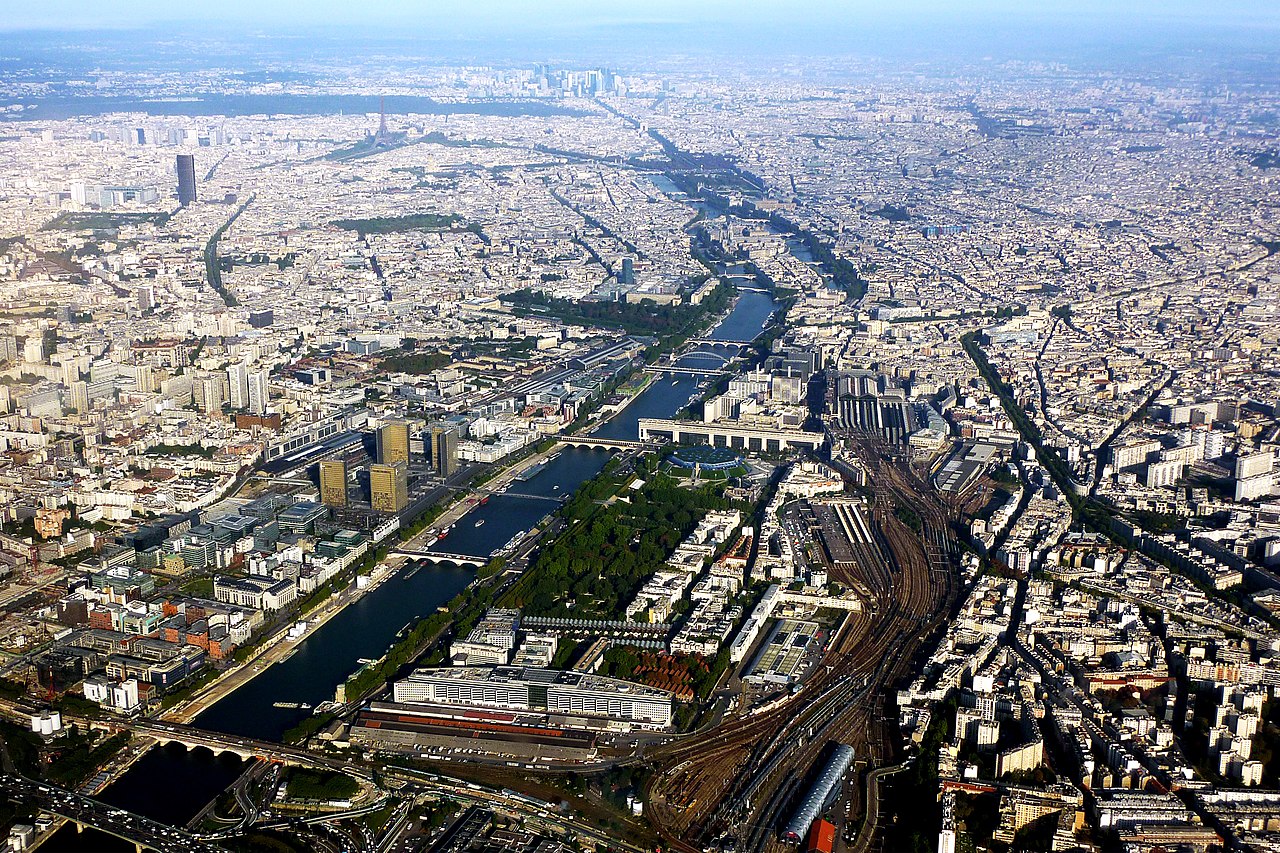
Hausmann boulevards give way to medieval lanes where the smell of fresh bread mingles with roasting coffee, and every arrondissement has its own quiet genius — a courtyard garden, a hidden museum, a perfect steak frites at a zinc bar.
Buy a ticket for the tower's very first slot of the day, before the crowds arrive, when the morning light is still soft and the city spreads out below.
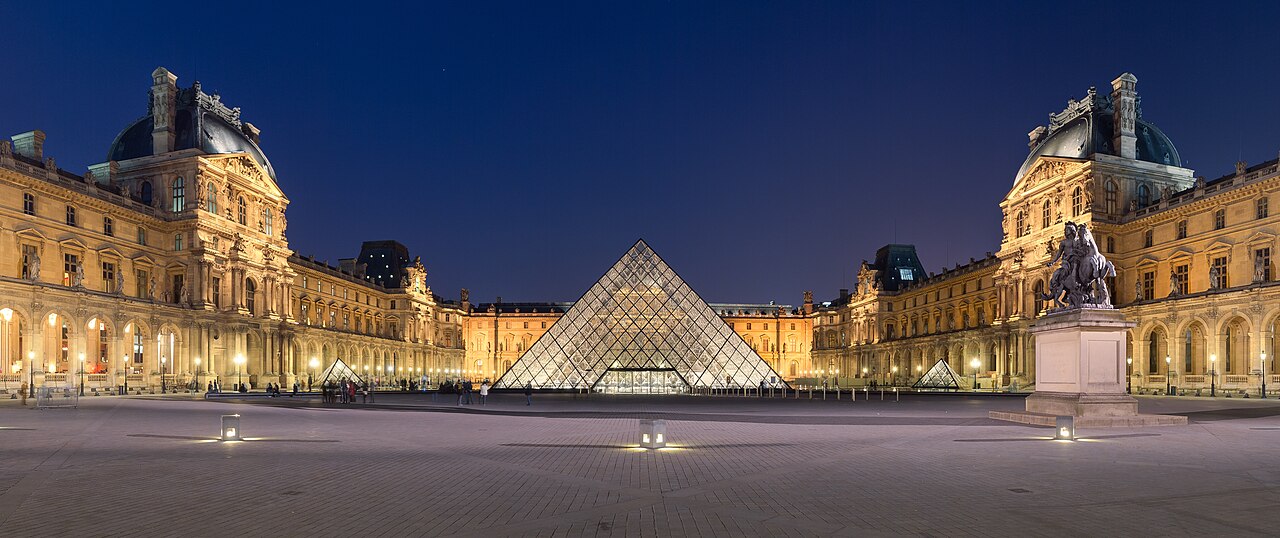
A timed-entry first slot means you can walk straight to the Winged Victory, the Venus de Milo, and the Mona Lisa before the afternoon crush. Finish with a quiet coffee in the Richelieu courtyard.
The world's finest Impressionist collection inside a converted Belle Époque train station — Monet, Renoir, and Van Gogh hang a few paces apart, naturally lit from the great glass roof.
The village above Paris is quietest before nine — cobbled Place du Tertre empty of painters, the white dome of Sacré-Cœur glowing, and the city below still half-asleep.
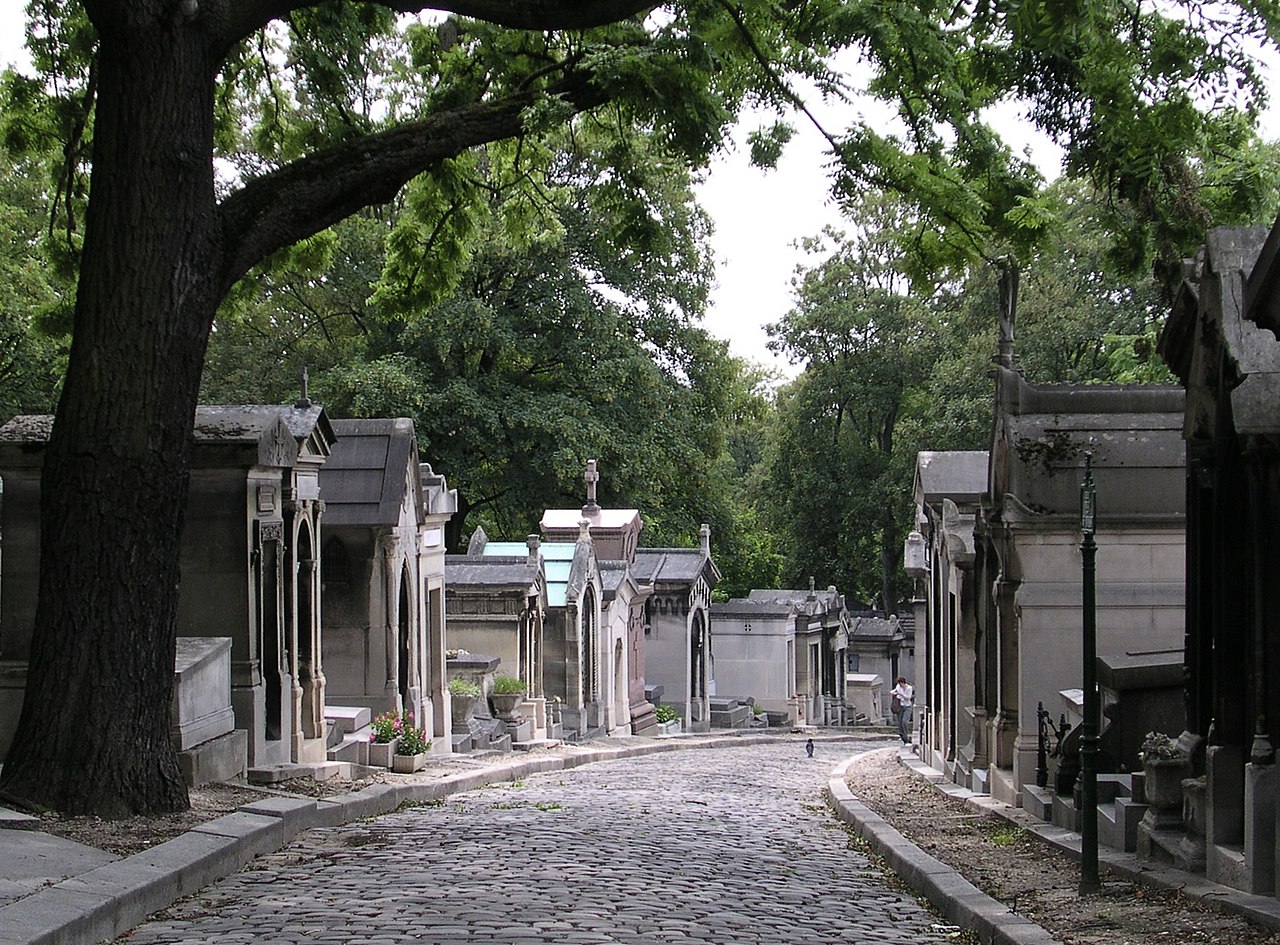
More park than necropolis, this mossy city within a city holds Chopin, Proust, and Édith Piaf; a map from the gate makes for a surprisingly moving morning.
The liveliest neighbourhood market in Paris — street vendors spilling into a covered hall, ripe cheeses, vivid olives, and the best banter in the 12th arrondissement.
The Thinker and The Gates of Hell stand among rose beds and clipped hedges in a garden that feels closer to a private estate than a museum, especially in the calm right after the doors open.
Walk the rebuilt cathedral's ambulatory and then follow the river to the quieter Île Saint-Louis for a Berthillon ice cream on the quayside.
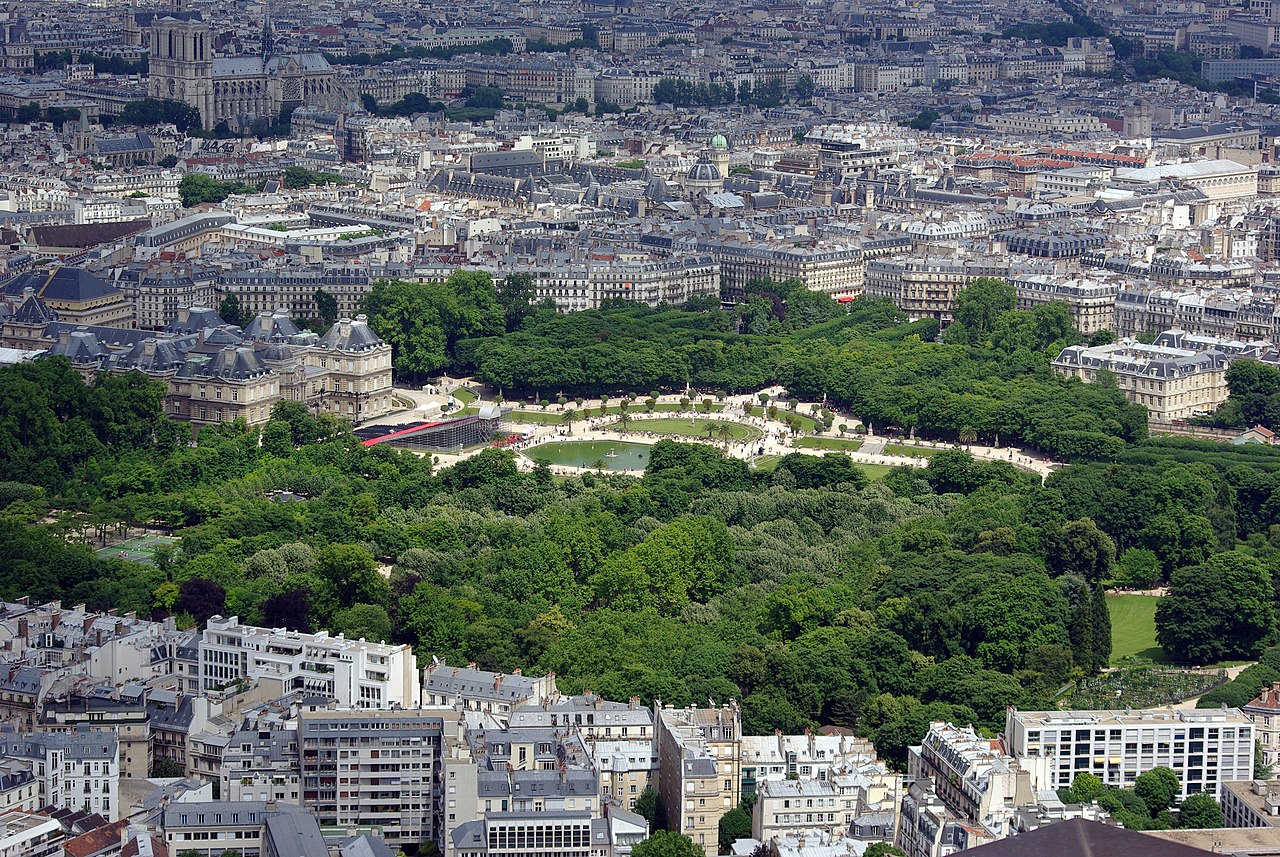
An afternoon in the French formal garden beloved by students, senators, and anyone who has ever wanted to sail a toy boat in a fountain — the green chairs arrange themselves perfectly around the water.
The 18th-century arcades frame a garden of antique dealers, restaurants, and art galleries; Daniel Buren's striped columns are a calm surprise in the enclosed square.
A one-hour loop past Notre-Dame, the Louvre facade, the Musée d'Orsay, and the Eiffel Tower from the water — underrated for the simple fact that the city looks entirely different from the river.
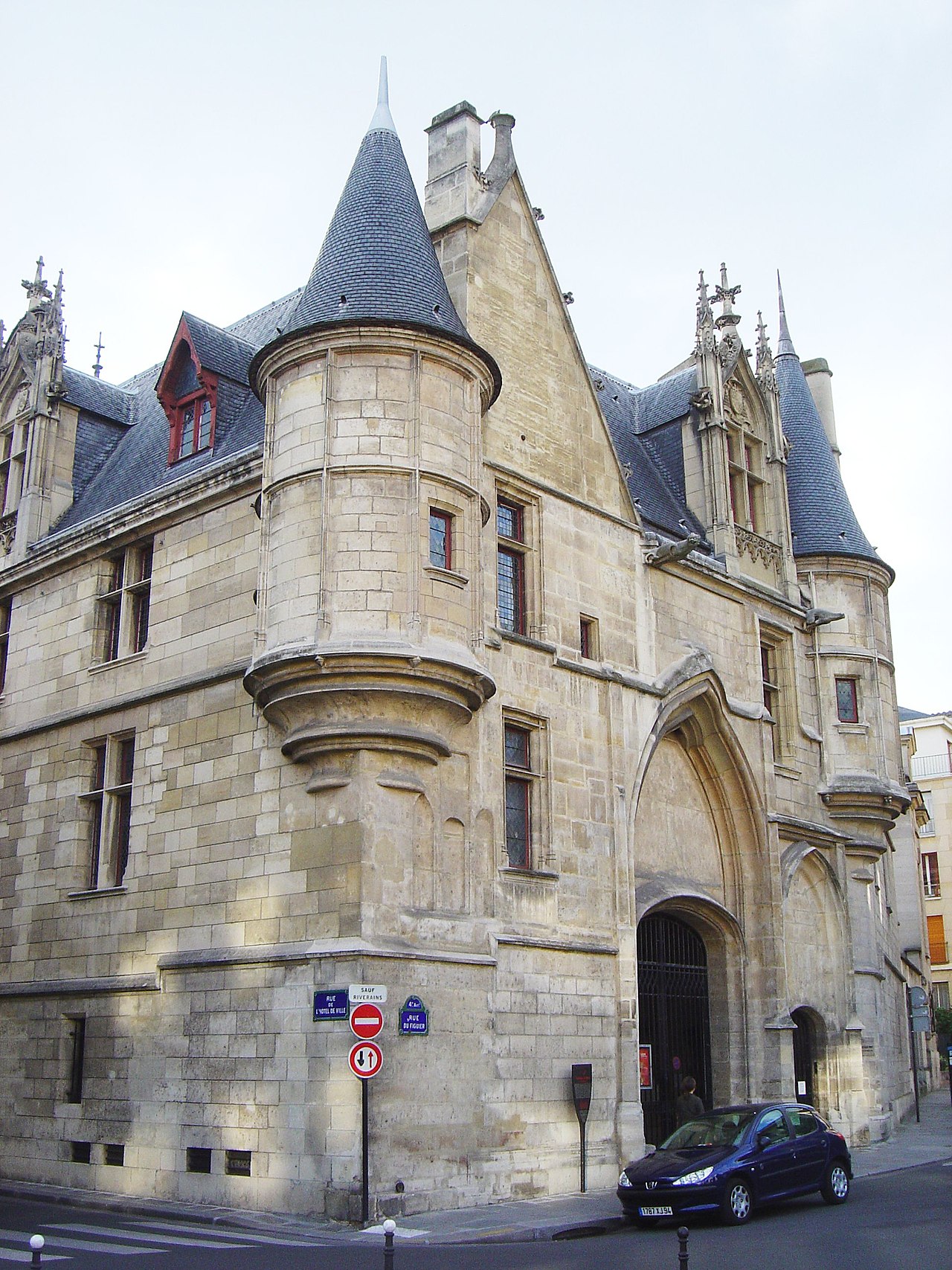
The Marais's grand 17th-century Hôtel Salé holds one of the world's great Picasso collections — paintings, ceramics, and sculpture across his whole restless career, gallery after quiet gallery.
Take the RER C early enough to be in the Hall of Mirrors before the tour groups and spend the afternoon in the Grand Canal gardens or the wilder Petit Trianon woods.
Iron footbridges and plane trees line a working canal where barges still queue at the locks, and the banks fill with a relaxed, local kind of afternoon energy.
The Marais fills with the easy mix of galleries closing and restaurants opening — pick any terrace on Rue de Bretagne and let the evening begin with a coupe of crémant.
The illuminated bridges and monuments seen from a glass-roofed barge while eating a classic French set menu — a little theatrical, entirely unforgettable.
Just off Place Saint-Michel in the Latin Quarter — not Saint-Germain — the Caveau de la Huchette has swung in a medieval cellar since 1946: cheap entry, real music, dancing past midnight.
The Pont Alexandre III at dusk, gold lamps reflected in the Seine, is entirely free and among the most beautiful things the city offers — cross to the Invalides and walk back slowly.
The terrace opposite the Eiffel Tower fills each evening with a loose, cheerful crowd waiting for the tower's lights to begin their hourly sparkle. It costs nothing and rarely disappoints.
The tangle of streets around Rue Mouffetard hides a run of small, low-lit wine bars pouring natural and small-producer bottles by the glass. It rewards wandering more than planning.
Feathers, brass, and precision choreography still draw a nightly crowd to Pigalle's storied cabaret houses. It is theatrical, a little kitsch, and unmistakably Parisian.
The very definition of Parisian grandeur since 1898, with 142 rooms and suites on the Place Vendôme, a two-Michelin-starred restaurant, and a subterranean pool of marble and gold that Coco Chanel — who lived here — would have approved of entirely.
Marie Antoinette's personal piano still graces a salon inside this 18th-century neoclassical palace reborn by Karl Lagerfeld — the Les Ambassadeurs terrace overlooking the Place de la Concorde is Paris at its most eternal and unapologetic.
Home to the legendary three-Michelin-starred Epicure and the only ground-floor garden suite in any Paris palace hotel, Le Bristol's rooftop pool and its century of understated excellence represent the Parisian ideal at its most unshowily magnificent.
Housed in Prince Roland Bonaparte's former private mansion, its Eiffel Tower Suite delivers the most romantic vista in Europe, while the Shang Palace's Cantonese haute cuisine adds a cosmopolitan dimension that few Paris palaces can match.
Rates change — check the live price.
Photography shows the dishes and cuisine — representative, not from the restaurants themselves.
One of Paris's oldest restaurants, cooking under Napoléon-era mirrors in the Palais Royal arcade — cuisine classique at its most refined.
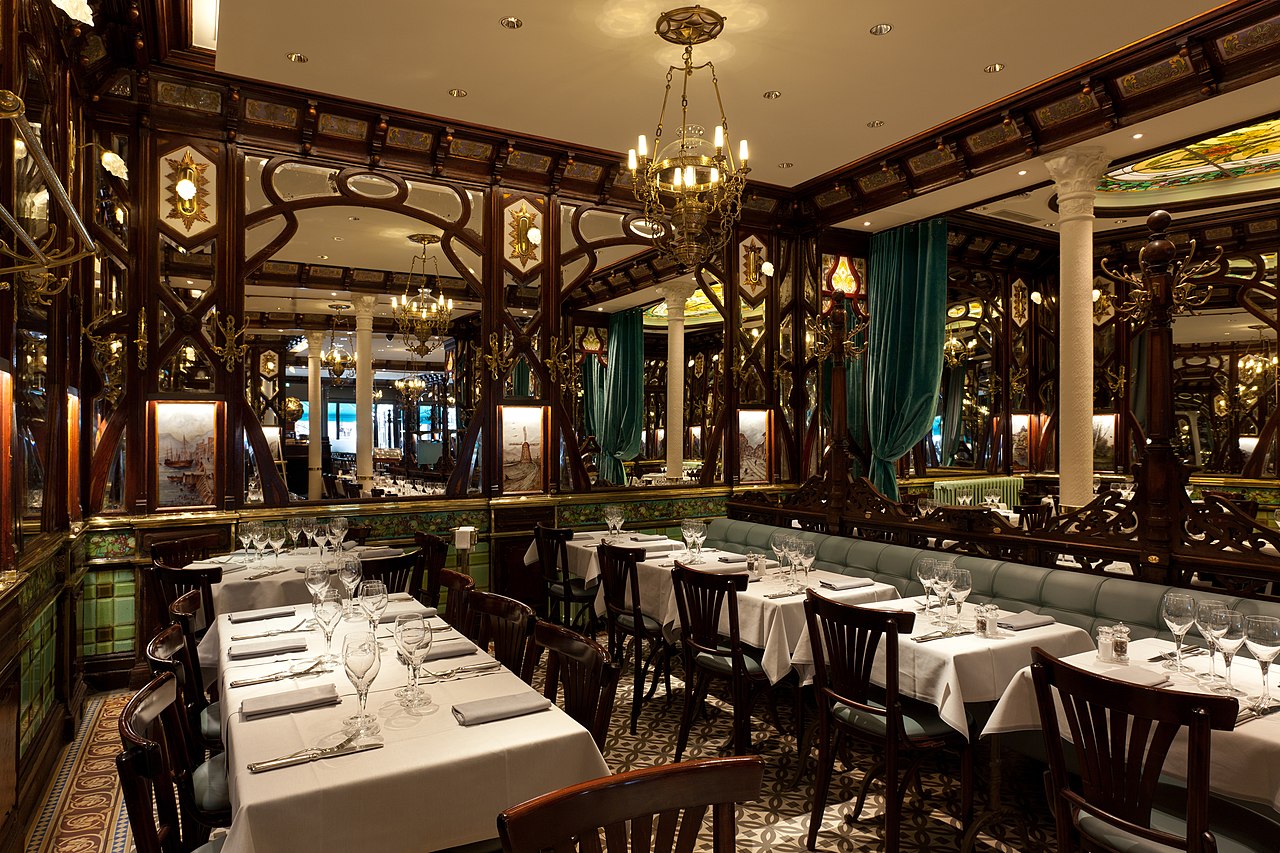
Art Nouveau tiles, white-aproned waiters, and the choucroute that has sustained Left Bank intellectuals since 1880.
The definitive Paris bistrot — handwritten menu on a blackboard, impeccable steak frites, and an extraordinary wine list at fair prices.
The most atmospheric terrace in France for a single café au lait and a croissant — go on a weekday morning when the writers still outnumber the tourists.
A standing-only neighbourhood cave where the house red comes from the barrel and oysters appear on weekends — no menus, no fuss, all Parisian.
The macarons that changed the genre — the Ispahan (rose, lychee, raspberry) is the one to begin with and the one you will keep thinking about.
The Louvre, Versailles, and the Eiffel Tower all require pre-booked slots — secure them the moment your dates are fixed or you will queue for hours.
The prix-fixe formule at lunch (entrée + plat or plat + dessert) typically costs half what the same dishes cost at dinner — the quality is identical.
Always tap or insert before boarding; inspectors appear on the RER especially and fines are issued on the spot to tourists and locals alike.
Service compris means a tip is not expected, though rounding up a euro or two at a café is friendly; larger amounts for genuinely exceptional meals are always appreciated.
The Louvre ended its free-Sunday policy years ago — it now gives free general entry only on first Friday evenings (Oct–Mar). Orsay still waives admission on the first Sunday of each month, booking required; the Pompidou is closed for renovation until 2030.