Hike
Morning walk along the Windrush Valley
Follow the river from Bourton through water meadows to Windrush village — bluebell woods in spring, golden bracken in autumn, and no crowds at all.
Honey Stone & Meadow
A limestone plateau of oolitic honey-coloured stone villages, sheep-dotted commons, and manor house gardens — the England of picture postcards, still entirely intact and entirely worth the cliché.
Follow the river from Bourton through water meadows to Windrush village — bluebell woods in spring, golden bracken in autumn, and no crowds at all.
The row of 17th-century weavers' cottages is best seen before the tour coaches arrive. William Morris called Bibury the most beautiful village in England.
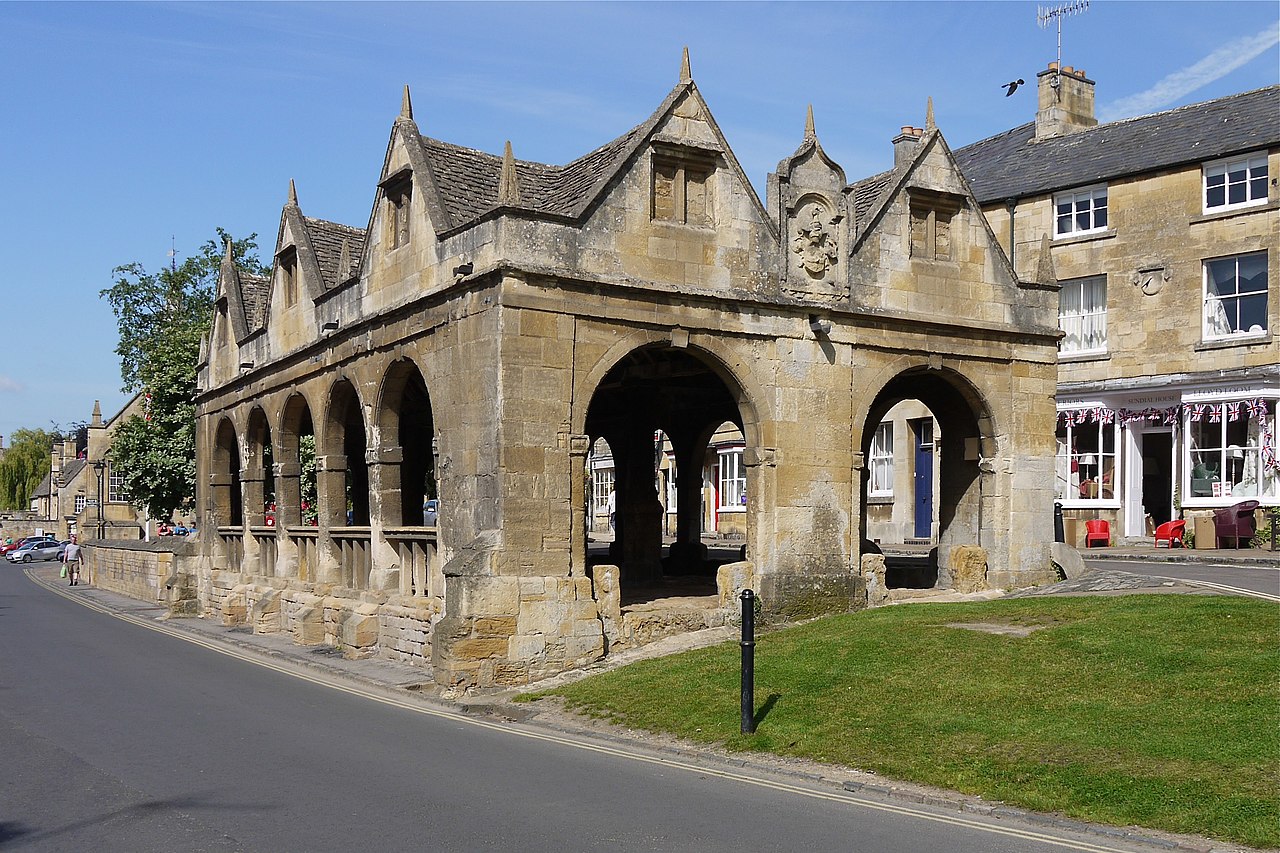
The 1627 arcaded market hall is the finest in England, and the Church of St James holds some remarkable wool-merchant brasses worth finding.
Lawrence Johnston's series of outdoor rooms — the red borders in July are extraordinary, the fern walk otherworldly in any season.
Upper and Lower Slaughter share a stream, a mill, and an almost theatrical prettiness. Walk between the two in under twenty minutes.
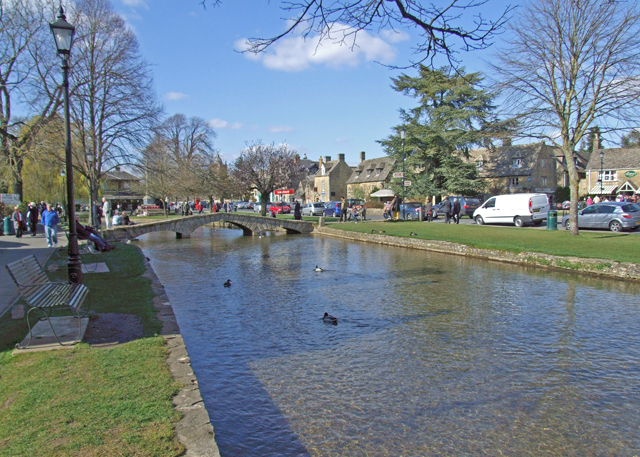
Six stone bridges over the Windrush in the village centre — buy a takeaway coffee and find a bench before the day-trippers arrive.
The only complete rococo garden surviving in Britain unfolds across a wooded valley with follies, a kitchen garden, and views designed to surprise at every turn. Snowdrops carpet it in late winter, but it rewards a visit in any season.
William Morris's folly on the escarpment offers views over thirteen counties on a clear day. The walk up from Broadway village takes thirty minutes.
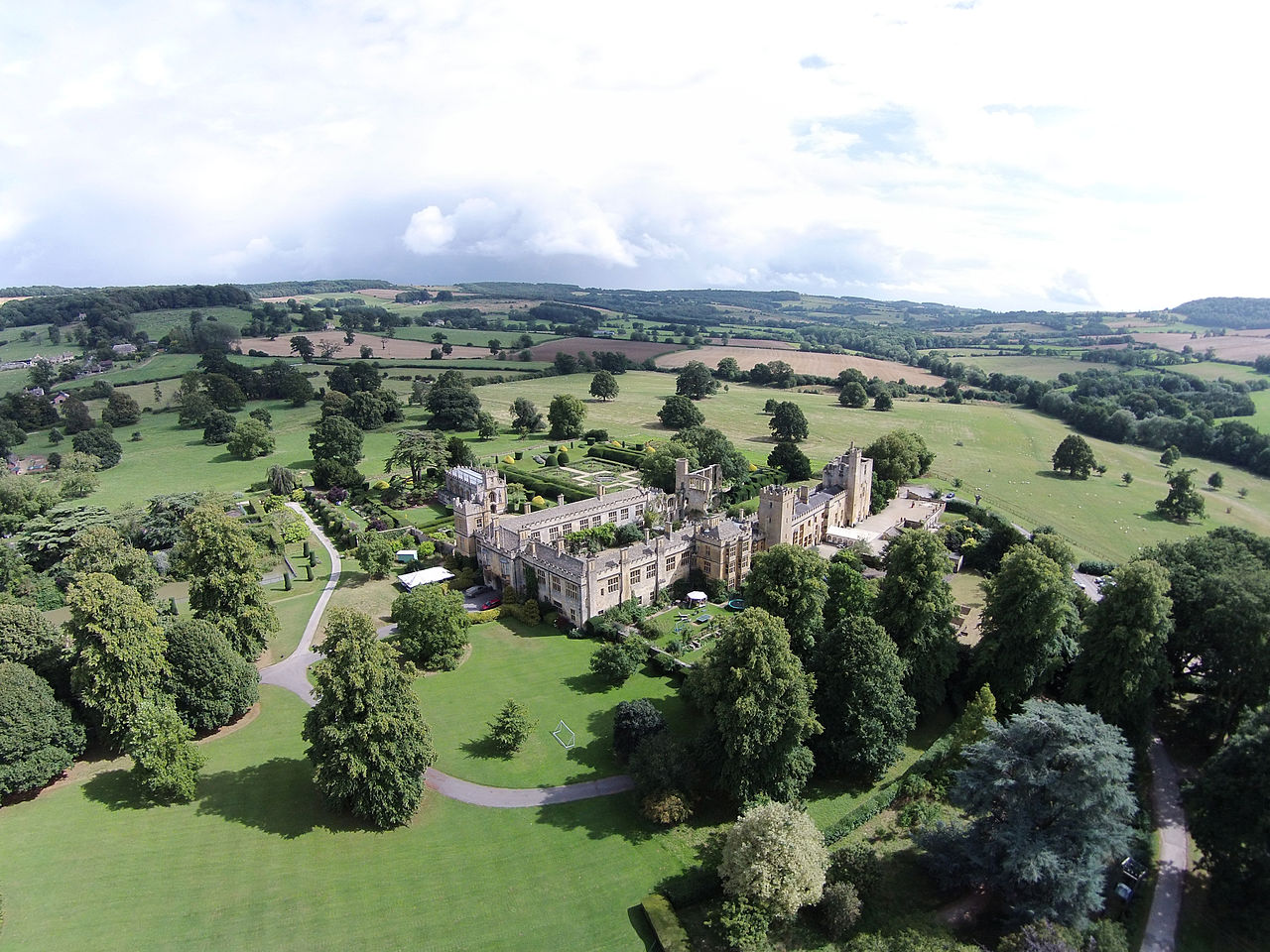
Henry VIII's sixth wife is buried in the chapel here. The Queens' Garden is beautifully maintained and the ruin of the banqueting hall is romantic.
Pick up the National Trail at the top of Fish Hill and walk north along the escarpment with the Severn Vale spread below — some of the finest walking in England.
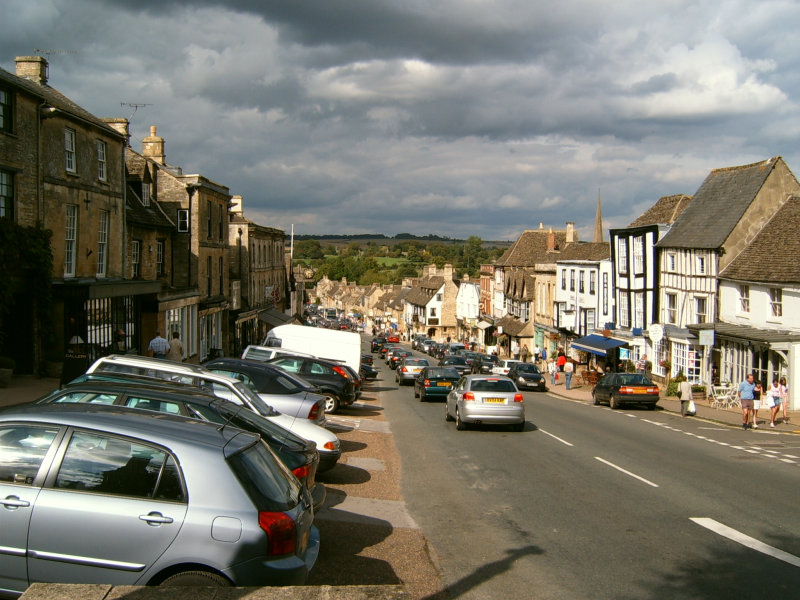
Burford's steep high street is lined with proper antique dealers — Art Deco silver, Georgian furniture, and the occasional remarkable painting.
Churchill's birthplace and a UNESCO World Heritage Site — Capability Brown's parkland alone justifies the drive out. Allow a full afternoon.
Daylesford Organic near Moreton-in-Marsh is a temple to Cotswolds produce: raw milk, charcuterie, and a café serving extraordinary food.
Set within the grounds of a Gothic manor near Burford, this park lets rhinos, lemurs, and penguins roam across landscaped parkland rather than cages. Children and adults alike tend to lose track of time here.
Debate the correct order of jam and cream, drink a pot of builder's tea, and sit in a low-ceilinged room that hasn't changed in forty years.
The Horse and Groom at Bourton-on-the-Hill or the Churchill Arms at Paxford — hook beams, open fires, and ales from the Cotswold Brewing Company.
The National Trust viewpoint above Chipping Campden catches the last light over the vale. Site of the ancient Cotswold Olimpicks — quietly spectacular.
The Cotswolds AONB has low light pollution; find any farm lane east of Stow on a clear night and the Milky Way is genuinely visible.
Low beams, open fires and menus built around local game and cheese make the region's old coaching inns a natural place to end a day of village-hopping. Many have been serving travellers on the same spot since the stagecoach era.
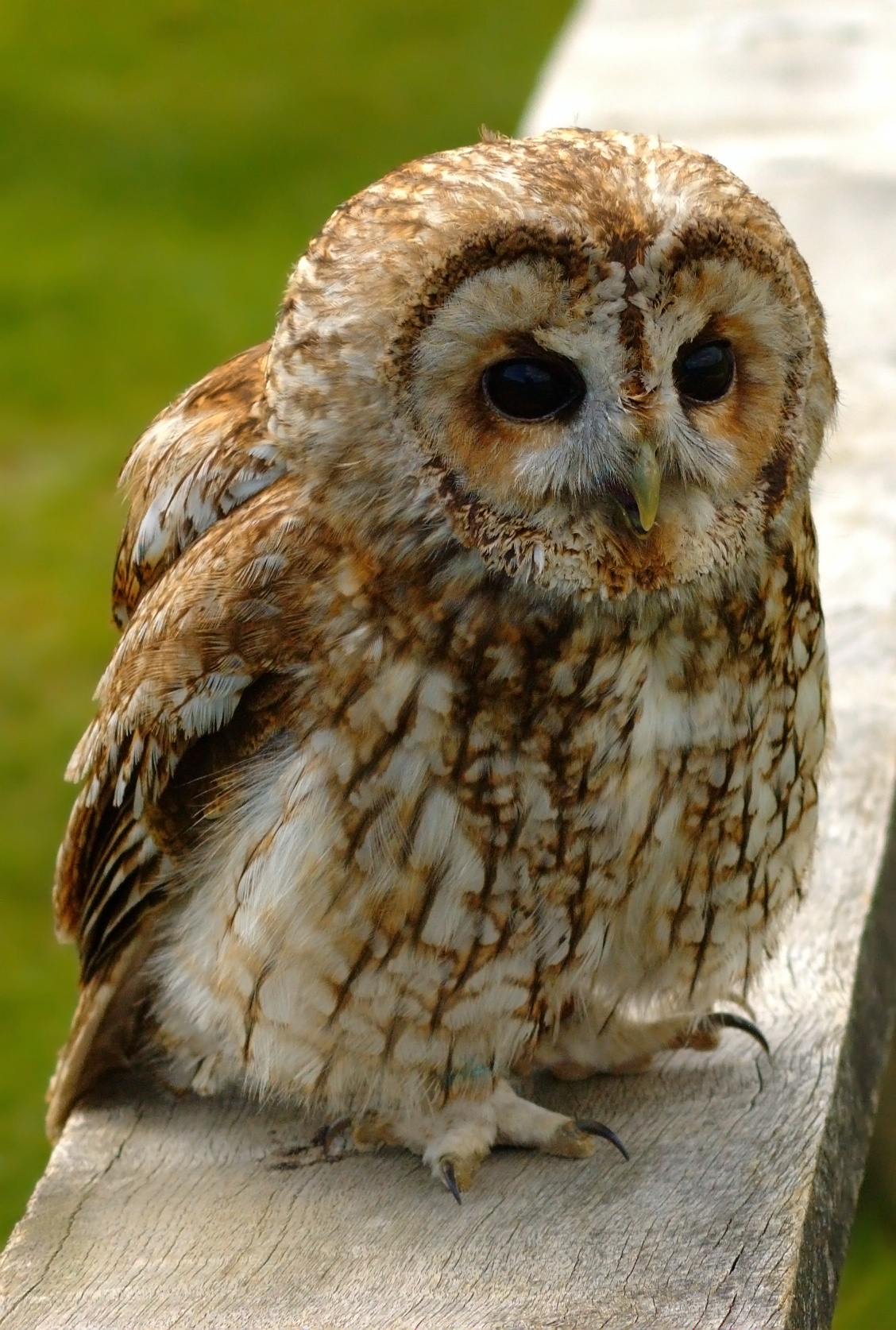
A guide leads small groups along hedgerows and copses at dusk, listening for the calls of tawny and barn owls as they begin their hunt over the open farmland. It is a hushed, patient sort of outing, best enjoyed without a torch.
Many Cotswold wool churches still hold sung evensong, their limestone naves catching the last light through stained glass as a small choir carries the old Anglican liturgy. It is free, unhurried, and often nearly empty of other visitors.
An Edwardian manor in 12 acres of formal gardens, anchored by the Aquarias Spa—widely regarded as one of England's finest—beside roaring log fires in stone-flagged drawing rooms.
A Palladian mansion at the end of a kilometre-long beech avenue, with a Michelin-starred restaurant, working equestrian centre, and a spa that rivals anything in the English countryside.
Soho House's flagship rural retreat brings its signature London cool to Oxfordshire—lakeside cabins, a working farm, and a boathouse spa drawing the capital's creative and cultural elite.
A 13th-century manor of immense tranquillity, with topiary gardens, log fires in stone fireplaces, croquet on the lawn, and a kitchen garden feeding a celebrated country-house restaurant.
Rates change — check the live price.
Photography shows the dishes and cuisine — representative, not from the restaurants themselves.
Lady Bamford's Kingham pub elevated to an art form — impeccably sourced Daylesford produce and a wine list that punches well above the postcode.
Emily Watkins trained under Heston Blumenthal and brings real technique to seasonal Cotswolds ingredients. Book the chef's table if available.
A family-run bakery perched on the River Windrush, where fresh-baked sausage rolls, sourdough loaves, and Victoria sponges disappear fast — grab a table on the riverside terrace.
A converted 17th-century inn with a brasserie menu strong on Hereford beef and Gloucester Old Spot pork. Reliable, warm, and fairly priced.
The farm shop café is a benchmark for Cotswolds seasonal cooking — soups, salads, and slow-roast weekend lunches.
A handsome Regency townhouse wine bar with a strong natural list and sharing plates that make Cheltenham feel surprisingly cosmopolitan.
Bus connections between villages are sparse and slow; hiring a car unlocks the hidden lanes and farm tracks that make the Cotswolds what it is.
The most characterful village inns — particularly around Chipping Campden and Bourton — fill up six months out, especially for summer weekends.
The most visited villages (Bourton-on-the-Water, Bibury) are genuinely crowded on summer weekend afternoons; weekday mornings are transformatively different.
Cotswold footpaths cross muddy fields and stiles in all weathers — ankle-support boots are far more practical than trainers outside of high summer.
The 1:25000 Ordnance Survey Explorer maps cover the footpath network in detail; the apps (OS Maps, Komoot) work brilliantly offline too.