Book of Kells & Trinity College Library
The 9th-century illuminated gospel in its Long Room setting — the barrel-vaulted library lined with 200,000 ancient texts is the finest interior in Ireland. Book online the day before.
Baile Átha Cliath
A city of Georgian terraces and Viking archaeology where the pub is a living room, the conversation is the entertainment, and the literary heritage weighs so heavily that every second street has a plaque — and every plaque leads to a good story.
The 9th-century illuminated gospel in its Long Room setting — the barrel-vaulted library lined with 200,000 ancient texts is the finest interior in Ireland. Book online the day before.
The seven-floor experience inside the original St James's Gate storehouse ends in the Gravity Bar with a panoramic Dublin view and a freshly poured pint.
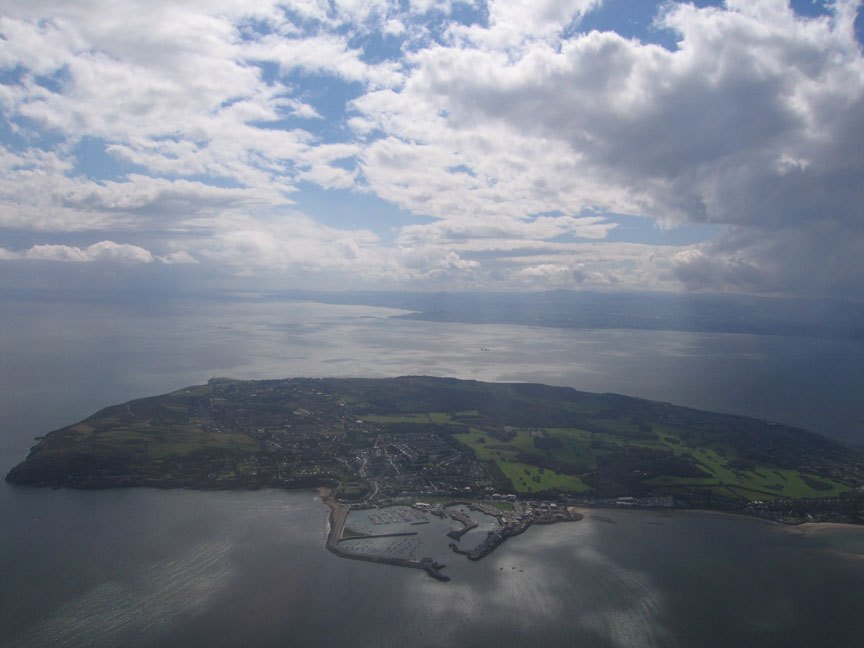
The 6km loop around the headland north of Dublin, reachable in 30 minutes by DART train — seals on the rocks, gannets diving offshore, and Lambay Island in the distance.
Europe's largest enclosed city park — 1,750 acres with a free-roaming herd of 600 fallow deer. Bike hire at the Parkgate Street gate.
Perhaps the world's finest collection of illuminated Islamic, East Asian, and biblical manuscripts in a beautifully curated free museum above Dublin Castle's garden.
The East Pier walk is a Dublin ritual — windblown, sociable, ending with a 40-Foot sea bath at Sandycove for those brave enough.
Interactive galleries inside a vaulted Victorian dock warehouse trace how emigration shaped Ireland and, in turn, the wider world it scattered into. It is a fittingly modern story told beside the docks the emigrants once left from.
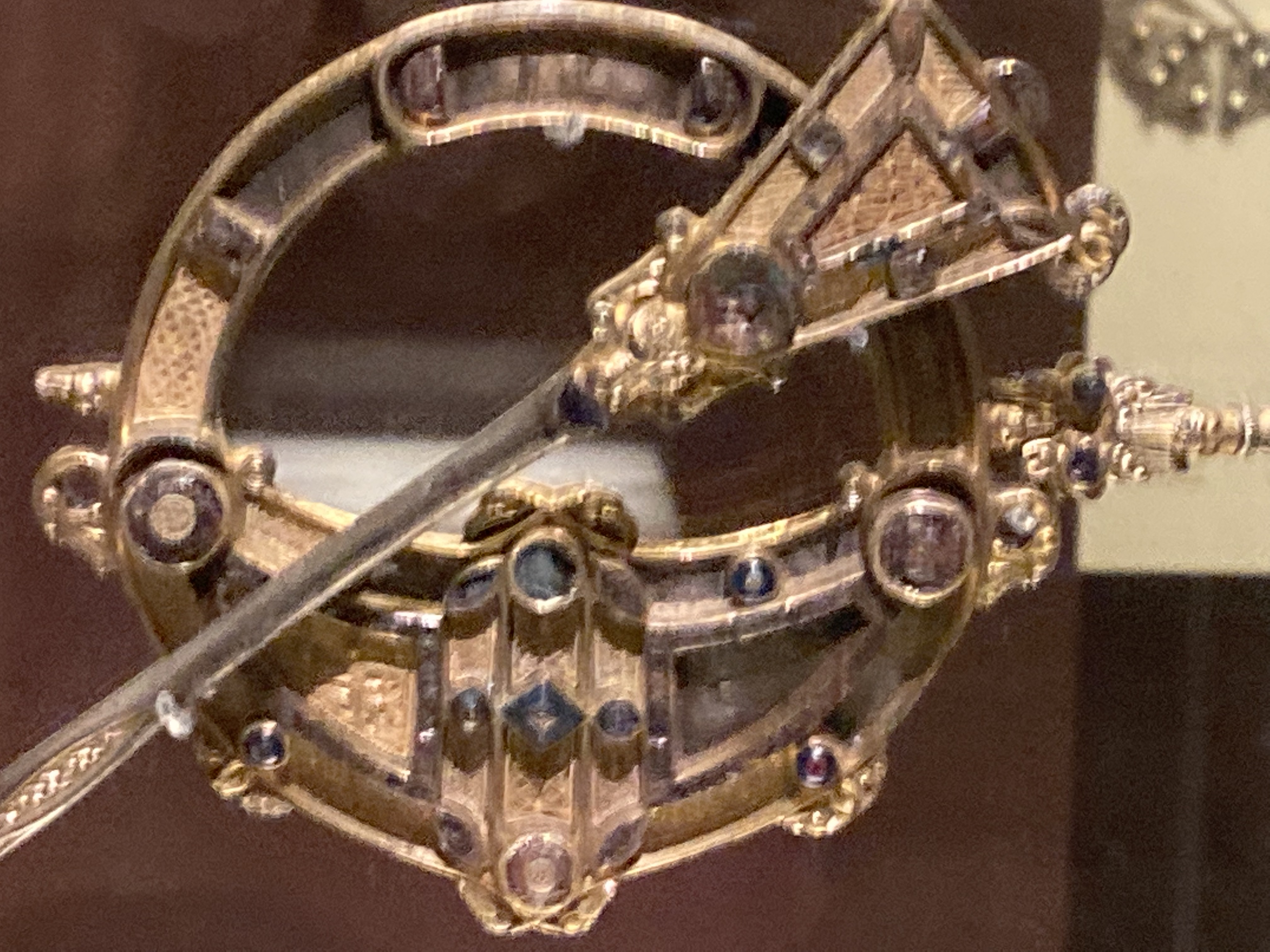
The Tara Brooch, the Ardagh Chalice, and several millennium-old bog bodies — Ireland's finest archaeological treasures in a Victorian rotunda. Free.
Walk the famous coloured doorways of Merrion and Fitzwilliam Squares, where Oscar Wilde and W.B. Yeats both lived. The doors are as vivid as advertised.
The prison where the leaders of the 1916 Easter Rising were executed — a guided tour that contextualises Irish independence with real and visceral impact.
A 6th-century monastic settlement in a glacial valley an hour south of Dublin — St Kevin's Tower, two lakes, and a ridge walk with no city noise at all.
The ceremonial seat of British rule in Ireland for 700 years — the 18th-century State Apartments are all gold leaf and Waterford crystal chandeliers.
The harbour village north of Dublin holds some of the country's finest fresh fish — the weekend market and the DART journey along the bay are both worth the trip.
Twelve centuries of one family's history fill this fairy-tale castle north of the city, set within parkland and a walled botanic garden thick with rare plant species. The DART train ride out along the coast is a pleasant prelude.
The Palace Bar or The Cobblestone in Smithfield (more authentic than the tourist strip) host genuine sessions from 21:00 — fiddles, bodhrán, and an occasional uilleann pipe.
Actors perform Beckett, Joyce, Behan, and Wilde between pubs — cheesy in concept, genuinely good in execution. Runs nightly from The Duke on Duke Street.
The inner-southside suburbs have outpaced Temple Bar for serious dining — Variety Jones, Bastible, and Forest Avenue are within a short taxi ride and well worth the detour.
Mulligan's on Poolbeg Street has been pouring some of Dublin's finest Guinness since 1782. The Long Hall on South Great George's Street is Victorian pub design at its best.
A flat, breezy walk out along the Great South Wall leads to the red-and-white Poolbeg Lighthouse, with Dublin Bay and the Wicklow Mountains catching the last light behind you. It is one of the city's best free sunset spots, and one of its least crowded.
Ireland's largest graveyard holds the remains of poets, rebels and a good share of the country's history, and its evening tours trade daylight fact-telling for a moodier walk among the Celtic crosses and round towers by lantern. It is more elegiac than eerie, and better for it.
A simple bowl of lamb stew and soda bread by an open fire in one of Smithfield's old pubs comes paired, some nights, with a seanchaí spinning local tales between courses. It is unfussy food built for a cold night and good company.
Four restored Georgian townhouses beside Leinster House shelter Ireland's finest private art collection alongside a subterranean Tethra Spa and the two-Michelin-star Restaurant Patrick Guilbaud.
Where the Irish Constitution was drafted in 1922, the Shelbourne's Lord Mayor's Lounge remains Dublin's most storied address for afternoon champagne and smoked-salmon finger sandwiches.
Steps from Grafton Street, the Westbury's Gallery Bar is Dublin's premier see-and-be-seen aperitivo perch, while the Salone restaurant serves modern Irish tasting menus in bronze-and-velvet surrounds.
The Marker's latticed geometric facade opens onto a rooftop bar with panoramic Poolbeg Lighthouse views and a mosaic-tiled 22-metre pool that glows cobalt through the night.
Rates change — check the live price.
Photography shows the dishes and cuisine — representative, not from the restaurants themselves.
Two Michelin stars in the vaulted basement of the Dublin Writers Museum, where chef Mickael Viljanen runs one choreographed sitting per evening — a seasonal Irish tasting menu of extraordinary refinement that has made this the most coveted reservation in the country.
Above a beloved bookshop overlooking the Liffey — Irish farmhouse cheeses, Connemara lamb, and a Wicklow apple tart to close.
Tiny lobster bar in a Temple Bar alley — crab claws, native oysters, and lobster rolls at tables that fill within minutes of opening.
The great Dublin institution: stained glass by Harry Clarke, full Irish breakfast, and a 100-year-old loyalty that no third-wave coffee shop has dented.
A Stoneybatter pub entirely committed to Irish produce — Skeaghanore duck, Gubbeen charcuterie, and craft stout from the Galway brewery on tap.
A neighbourhood restaurant cooking with extraordinary care — wood-fired vegetables, Irish fish done whole, and desserts from a serious pastry kitchen.
Dublin's coastal rail line runs from Howth to Greystones every 10-15 minutes; a Leap Card gives capped fares across DART, Luas, and Dublin Bus.
Trinity's Long Room sells out days in advance during summer — book the timed entry slot online, never just arrive and queue.
Last orders in most Dublin pubs is 23:00 Sunday to Thursday, 00:30 Friday and Saturday — plan the pub crawl accordingly or book a late bar.
Temple Bar and the Liberties have historic cobblestone streets that are hard on heels. Trainers or flat-soled shoes are strongly recommended.
10-15% in restaurants is standard; tipping in pubs is not expected but rounding up the change is appreciated. Contactless is accepted nearly everywhere.