
Hike
Sunrise at the Quiraing, Skye
The landslip landscape on Skye's Trotternish Ridge is staggering at any hour but transfigured at dawn when low cloud fills the valley below the pinnacles.
Àite nam Beann
A landscape on a geological timescale — billion-year-old Torridonian sandstone, deer-haunted moorland, sea lochs that double the mountains in reflection, and distilleries producing liquid that tastes of the peat they're built on.
The landslip landscape on Skye's Trotternish Ridge is staggering at any hour but transfigured at dawn when low cloud fills the valley below the pinnacles.
A crystal-clear sequence of pools and waterfalls below the Black Cuillin — short enough for most fitness levels, spectacular enough to justify the car park queue.
The ruined castle on the promontory is atmospheric in its own right; the loch stretches south into a grey-green haze. Binoculars appreciated for birdwatching, if not cryptozoology.
The plateau above Glenmore holds red squirrels, osprey, and red deer; a guided ranger walk at dawn dramatically improves sighting odds.
The West Highland Line's most famous bridge, with a steam locomotive crossing twice daily. Book the train to Fort William or take the hill opposite the visitor centre.
Rather than the tourist summit slog, the Glen Nevis gorge path to the 120-metre Steall waterfall is one of the most dramatic short walks in Scotland.
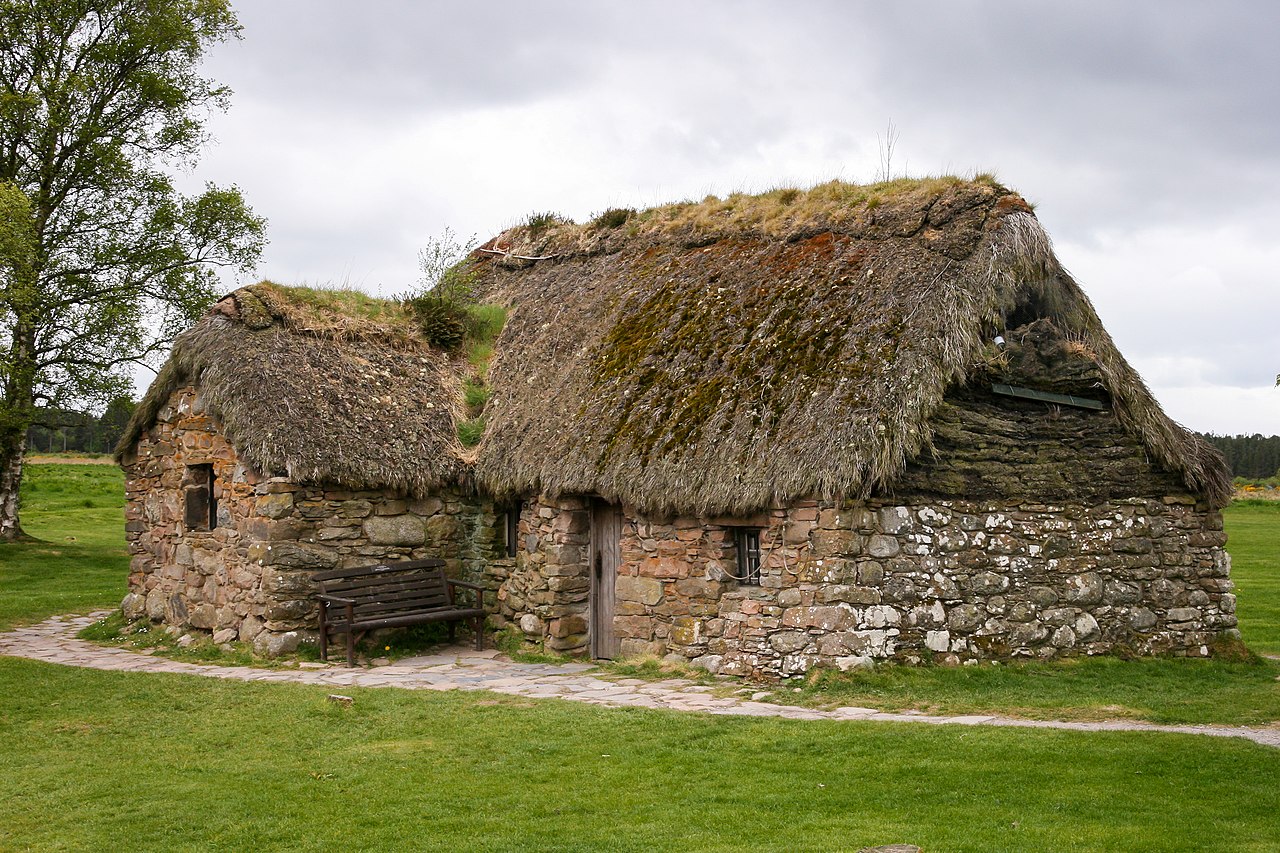
Flags now mark where clan regiments fell in under an hour on this moor outside Inverness, the last pitched battle fought on British soil. An excellent visitor centre gives context before you walk the quiet, windswept field itself.
The Road to the Isles passes the foot of the Three Sisters ridgeline — walk the valley floor for the full amphitheatre effect. Silence, ravens, and the weight of history.
The most photographed castle in Scotland, on a tidal island where three sea lochs meet. The interior is surprisingly full of Jacobite relics and Clan Macrae history.
Guided paddle through tidal sea lochs with grey seals for company and an oyster farm at the end serving straight from the water.
The distinctive basalt pinnacle above Portree is iconic for good reason — the cloud formations around it change by the minute. A moderate 5km loop from the car park.
Cruise through Neptune's Staircase — the longest flight of canal locks in Britain — with Ben Nevis dominating the horizon.
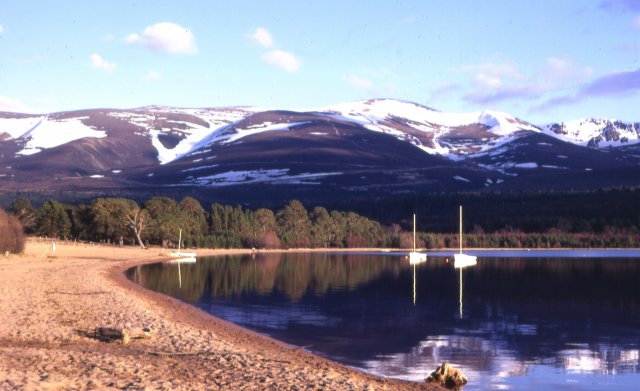
A sandy beach at the base of the Cairngorms with the clearest fresh water imaginable. Cold in any month, transformative in any weather.
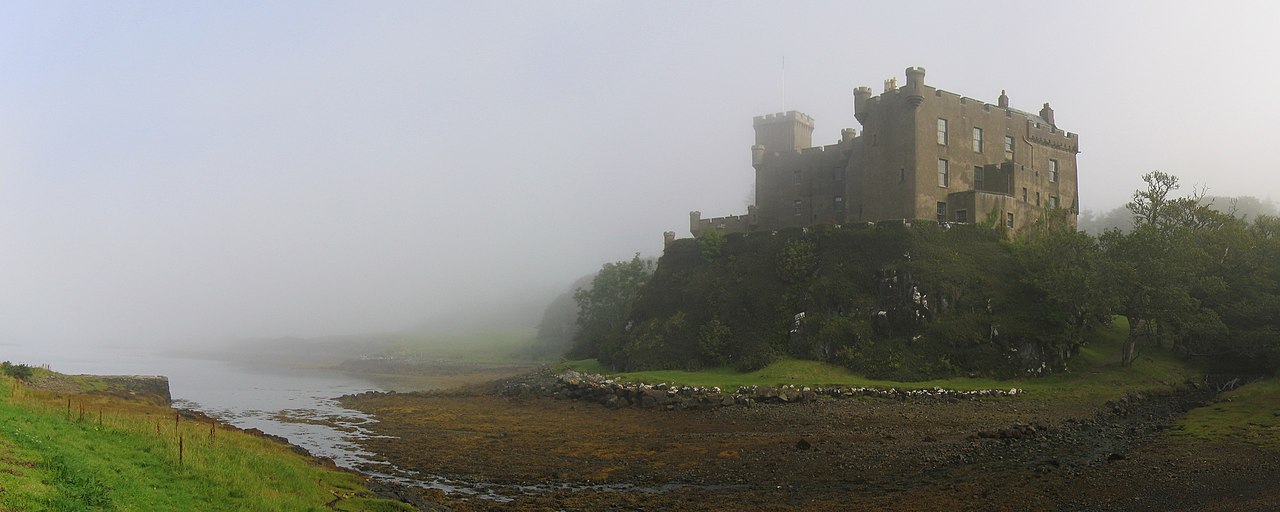
Home to the same clan for eight centuries, this fortified seat on Skye's northwest coast holds the legendary Fairy Flag alongside gardens that tumble down to a sea loch. Boat trips to a nearby seal colony often depart from its jetty.
The Speyside distillery trail is within striking distance of Inverness — Glenfiddich, Macallan, and Cardhu all offer evening tastings if booked ahead.
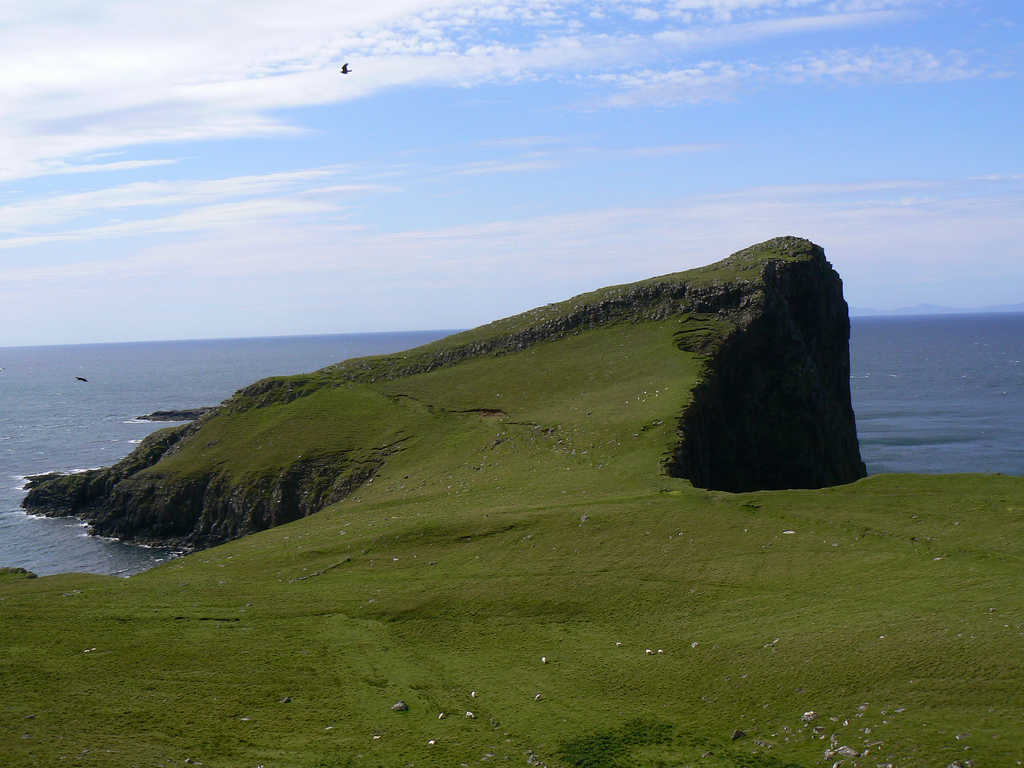
Scotland's most westerly point on Skye — the sun drops behind the Outer Hebrides from here in extraordinary colour. Bring a tripod and extra layers.
The Ceilidh Place in Ullapool and the Mishnish in Tobermory both host impromptu sessions; ask the barman which nights the musicians appear.
The Galloway Forest Dark Sky Park and the Cairngorms both carry Gold Dark Sky status — on a clear Highland night, the aurora borealis is a realistic possibility October to March.
As the ruins of Urquhart Castle darken against the loch's famously black water, an evening cruise trades the daytime crowds for stillness and long shadows. Sonar readouts of the loch bed are shown on board, in case the monster talk needs any encouragement.
Glen Affric's ancient Caledonian pines shelter one of the Highlands' largest red deer populations, and dusk is when stags move down from the high ground to graze. Binoculars and patience matter more here than any guide's schedule.
In a converted bothy or farmhouse kitchen, a local storyteller works through the region's stock of selkies, second sight and clan feuds, a tradition of oral history that long predates the printed page. Peat smoke and a dram of whisky usually come with it.
A Victorian turret-castle at the foot of Ben Nevis with oil-painted ceilings, log fires, and a Queen Victoria-endorsed dining room where Highland red deer is served with Perthshire black truffle.
A 58-room Victorian shooting lodge on Loch Torridon where golden eagles circle above the whisky-tasting bar and sea-kayaking departs directly from the boathouse at dawn.
Scotland's legendary 850-acre estate combines three championship golf courses, a Rab Hamilton spa, and Andrew Fairlie's two-Michelin-star kitchen beneath one iconic 1920s sandstone roof.
The ancestral home of the MacDonald clan chiefs offers candlelit dinners of hand-dived Skye scallops and sea-view suites where the Cuillin ridge glows amber at sunset.
Rates change — check the live price.
Photography shows the dishes and cuisine — representative, not from the restaurants themselves.
The drawing room of a converted nineteenth-century riverside mansion, where head chef Gerard Chouet — a decade in the kitchens of Andrew Fairlie at Gleneagles — turns Highland foraging into a genuinely serious tasting menu. Book a window table over the River Ness for sunset.
A converted van serving Wester Ross langoustines, crab claws, and scallops from the boats that morning. Queue on the harbour and eat on a bench.
Victorian hunting lodge turned refined Highland inn — venison from the estate, whisky from the distillery across the loch.
Portree's favourite café for smoked salmon scrambled eggs and enormous baked potatoes overlooking the harbour.
Post-hike stovies and a pint of Highlander in the pub that has been feeding walkers since 1706. Cash only at the bar.
The original Loch Fyne restaurant, right at the head of the loch — freshly shucked oysters, smoked salmon, and a smoked haddock chowder.
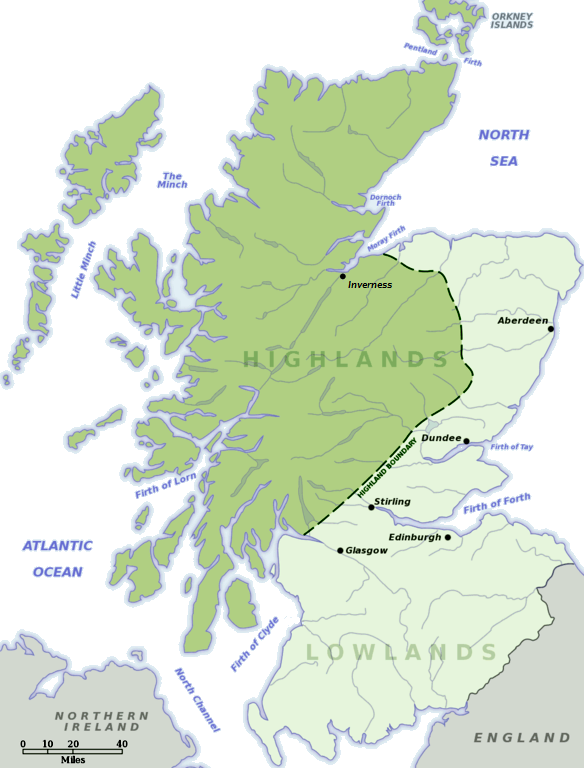
There is no practical way to explore the Highlands without driving — hire a car in Inverness or Glasgow and allow plenty of time; distances are larger than they look on a map.
Quality accommodation in Skye, Glencoe, and Torridon is limited and books out months in advance, especially May to September.
The North Coast 500 route is popular; some sections (particularly Bealach na Bà) are single-track and treacherous in wet or frosty conditions.
From June to September, highland midges are ferocious in the evening near water. Carry Smidge or Avon Skin So Soft; long sleeves are essential.
Download the SpaceWeatherLive and Met Office apps before arriving — aurora forecasts and Highland weather change within hours and rewards the prepared.