Heritage
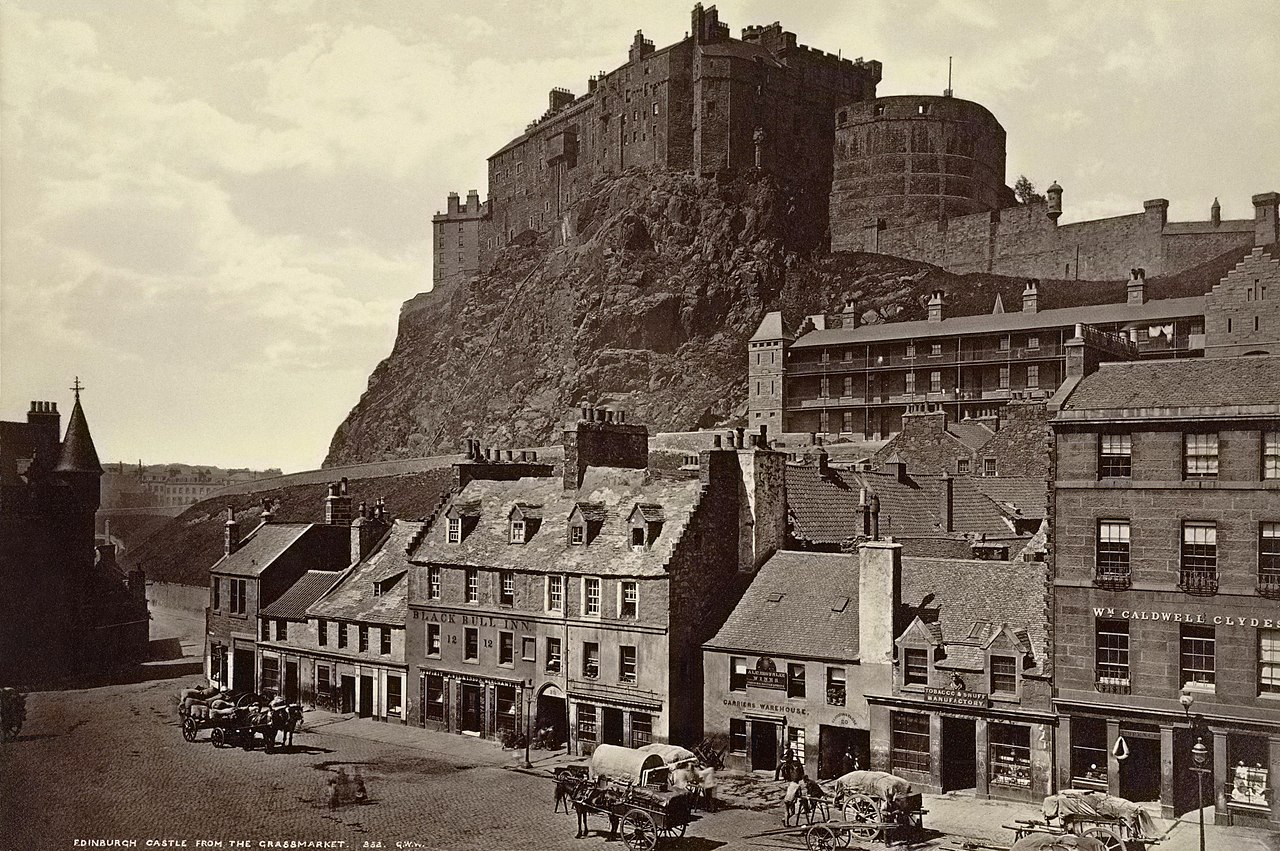
Edinburgh Castle at opening
Arrive at 09:30 for the Crown Jewels, Stone of Destiny, and the One O'Clock Gun without the afternoon crush. The views from the battlements stretch to the Firth of Forth.
Athens of the North
A medieval volcanic crag studded with a castle, a city below threaded by dark closes and lit by Georgian lanterns — Edinburgh rewards every pace of exploration, from the Fringe's electric chaos to the Pentland Hills' solitary ridgelines.
Arrive at 09:30 for the Crown Jewels, Stone of Destiny, and the One O'Clock Gun without the afternoon crush. The views from the battlements stretch to the Firth of Forth.
A forty-minute scramble up a 350-million-year-old volcano rewards with a 360° panorama over the whole city. Go early; the path fills by 9:00 on clear days.
Seventy acres of temperate woodland, rock garden, and towering specimen trees — free entry and serene before noon. The Victorian glasshouses are closed for the Edinburgh Biomes restoration.
A barrel ride through the history of Scotch and a guided nosing of the four regional styles. The premium tasting adds a flight of single malts well worth upgrading to.
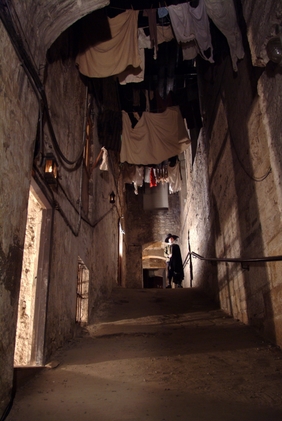
The kirkyard that inspired J.K. Rowling's character names, and the network of closes — Advocates Close, Anchor Close — that plunge off the Royal Mile like dark slot canyons.
Free and genuinely world-class — Dolly the sheep, a Pictish silver hoard, and a working Watt steam engine across six floors of Scottish history. Free entry.
A Victorian optical device projects a live, moving image of the city onto a darkened table, a quaint precursor to the panoramic rooftop terrace above it. Clear mornings offer the sharpest views across the Old Town's rooftops.
The King's official Scottish residence; the Mary Queen of Scots apartments and the ruined Holyrood Abbey beside it are compelling and rarely crowded in the afternoon.
An old mill village swallowed by the city — follow the Water of Leith from the stockbridge to the Scottish National Gallery of Modern Art through a surprisingly rural canyon.
Raphael's Bridgewater Madonna, Velázquez's Old Woman Cooking Eggs, and an outstanding collection of Scottish painting in a neoclassical building on the Mound. Free.
The unfinished Parthenon and Nelson's Monument frame one of the finest city views in Europe. Arrive an hour before sunset.
The South Bridge vaults beneath the Old Town were home to workshops, taverns, and eventually the city's most destitute inhabitants. A properly atmospheric guided tour.
Edinburgh's Victorian seaside suburb three miles from the centre — fish and chips on the promenade, a dip for the brave, and a distinctly Scottish beach afternoon.
Rows of Victorian workers' cottages known as the Colonies line the Water of Leith here, a short walk from a Sunday market of local produce and secondhand books. It feels several villages removed from the tourist trail of the Royal Mile.
Over 300 single malts on the gantry at a pub that has changed almost nothing since the 1930s. The staff will guide any level of knowledge.
The Festival Theatre and Usher Hall programme Scottish Opera and the RSNO year-round; for something wilder, a ceilidh night at the Assembly Rooms requires no experience.
Edinburgh's port neighbourhood has the city's best restaurant mile — Martin Wishart and The Kitchin both hold Michelin stars within half a mile of each other.
The New Town's Georgian streets conceal excellent bars — Bramble on Queen Street is a basement cocktail den that consistently ranks among Britain's best.
Guided only by lantern glow, this evening version of the underground close tour trades the daytime commentary for a quieter, more atmospheric pass through the 17th-century streets buried beneath the Royal Mile. The stories of plague and poverty land differently once the electric lights go off.
Fiddles, a guitar and the odd tin whistle gather informally in the old pubs ringing the Grassmarket, the tunes drifting between well-worn reels and whatever the room feels like that night. Entry is free, though buying the musicians a round is the unspoken rule.
The dolerite cliffs below Arthur's Seat catch the last light long after the city streets below have dimmed, and the short climb up the Radical Road rewards with a wide view over the New Town's grid to the Firth of Forth. It is far quieter than the sunrise crowd on the summit.
Anchoring the east end of Princes Street since 1902, the Balmoral's iconic clock tower, kilted doormen, and One spa beneath the castle rock define Edinburgh's most recognisable luxury address.
Built into a Victorian railway terminus at the foot of Edinburgh Castle, the Caledonian's Pompadour restaurant and castle-facing suites represent the grandest corner of the New Town.
A magnificent 1687 Baroque mansion at the foot of Arthur's Seat, laden with 17th-century tapestries, flaming torches at the gate, and a theatricality that makes every dinner a Highland banquet.
Nine opulent Gothic suites draped in antiques, velvet, and candelabras at the very gate of Edinburgh Castle—the most theatrical and intimate luxury address anywhere on the Royal Mile.
Rates change — check the live price.
Photography shows the dishes and cuisine — representative, not from the restaurants themselves.
Tom Kitchin's 'From Nature to Plate' philosophy produces extraordinary Scottish produce cookery; the tasting menu is a masterclass.
Set in a seventeenth-century watchtower right on the water at Leith, this is the seafood table Edinburgh has trusted for three decades. Start with the crab claws, follow with the whole grilled lemon sole, and check the specials board above the bar for whatever came in that morning.
Haggis, neeps, and tatties done with genuine craft; the tasting menu covers Scotland's larder beautifully.
Old-school Newhaven chip shop beside the harbour — newspaper-wrapped, properly salted, and eaten on a wall overlooking the Firth.
The best brunch in Edinburgh: creative egg dishes, serious coffee, and a sourdough bread programme that draws a queue.
Scottish classics paired with curated drams — the only restaurant in Edinburgh where every dish has a whisky flight recommendation.
If visiting in August, the Edinburgh Festival Fringe — the world's largest arts festival — needs advance planning; free shows are plentiful, but book sellout shows as soon as the programme and box office open in early June.
Edinburgh Castle has timed entry slots that book out days or even weeks ahead in summer; purchase online as early as possible rather than leaving it to the last minute.
A flat fare of £2.40 covers any Lothian Bus journey in the city — keep contactless or exact change. The network reaches Portobello, Leith, and Murrayfield.
Pack waterproofs even in July; Edinburgh's weather shifts with extraordinary speed. Locals joke you can experience all four seasons before lunch.
The narrow medieval closes cutting off the Royal Mile are almost all open and free to explore — they are Edinburgh's most rewarding and least-visited spaces.