Dawn walk along the Bund
Before the tour groups arrive, the Bund is yours — Art Deco facades gilded by sunrise and the Pudong skyline sharpening across the Huangpu. Walk south from the Garden Bridge to the Old Customs House and back.
City of Tomorrow
A metropolis of ferocious energy and surprising grace, where Art Deco banking halls face off against supertall towers across a river that never truly sleeps, and the shikumen alleys of the French Concession exhale something altogether quieter.
Before the tour groups arrive, the Bund is yours — Art Deco facades gilded by sunrise and the Pudong skyline sharpening across the Huangpu. Walk south from the Garden Bridge to the Old Customs House and back.
Pan-fried pork dumplings with crackling sesame-flecked bases are the quintessential Shanghai morning. Yang's Fry-Dumpling on Fangbin Road draws lines by 7 a.m. for very good reason.
Ming-dynasty rockery gardens tucked behind a tea pavilion on a zigzag bridge — arrive at opening to catch the koi pools in relative quiet before the bazaar stalls outside come to life.
World-class collections of ancient bronzes, classical furniture, and Ming and Qing paintings. The jade and seal-carving galleries reward a slower second hour that most visitors skip.
A warren of shikumen alleys threaded with ceramic studios, linen boutiques, and independent cafes — best before noon when the afternoon crowd thickens and the narrowest passages become impassable.
The Tate Modern's Shanghai partner occupies a stunning riverside warehouse and rotates world-class contemporary exhibitions. The riverfront sculpture garden is always free and faces the city's best morning light.
Gilded and gleaming against the glass towers around it, this Buddhist temple's incense-filled courtyards make for a striking morning contrast between old Shanghai and the skyline that surrounds it.
The world's second-tallest building offers a glass-floored sky gallery at 546 metres — on a clear afternoon the Pearl Tower seems absurdly close and the river coils visibly into the delta.
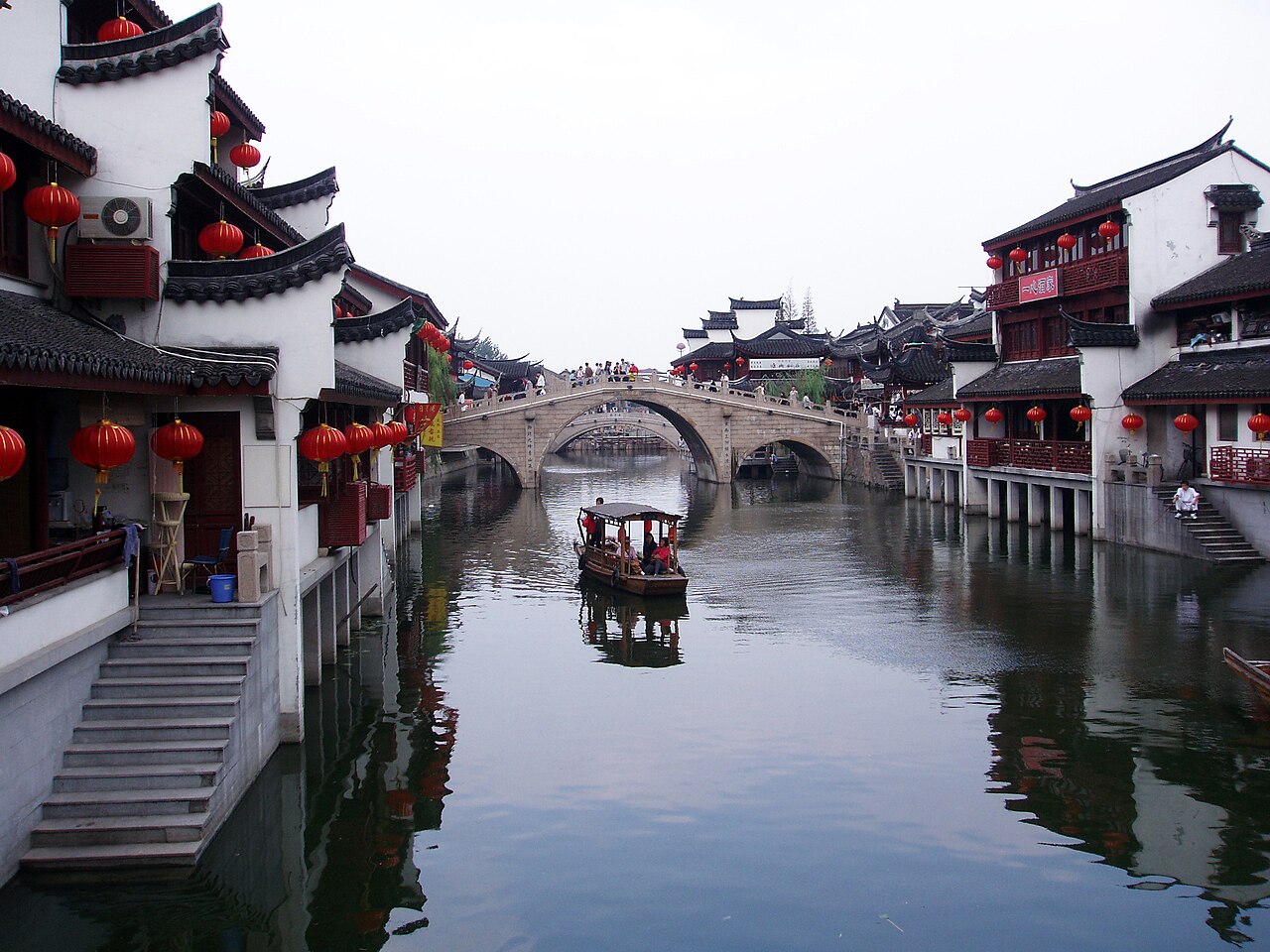
A bona-fide Song-dynasty water town on Shanghai's western metro line — stone bridges over ink-dark canals, braised pork trotter stalls, and small temple courtyards that feel remote despite the city address.
A guide leads you down plane-tree-lined avenues past villas where Chiang Kai-shek once lived and past speakeasy bars before they open — the neighbourhood reads best from a bicycle saddle.
Restored 1920s shikumen row houses now host wine bars, concept stores, and the museum marking where the Chinese Communist Party held its first congress. Free to wander, though drinks add up.
The bottle-opener tower's 100th-floor walkway has a glass floor above the clouds — a different and more vertiginous perspective than the Shanghai Tower next door.
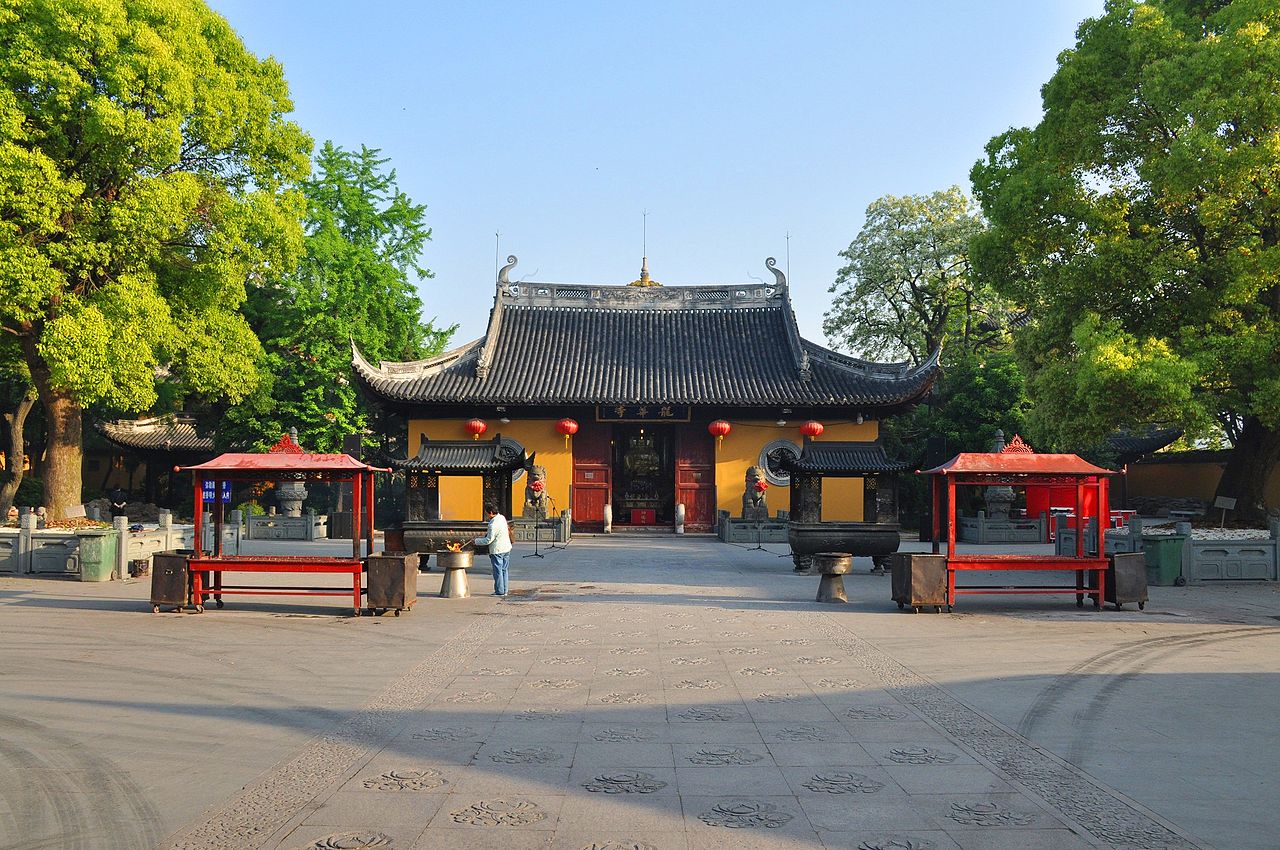
Shanghai's largest and oldest Buddhist complex, with a rust-red pagoda dating to the 10th century and monks circling the main hall in early afternoon prayers.
A former textile mill along Suzhou Creek now houses dozens of independent galleries and artist studios, and an unhurried afternoon here turns up Shanghai's contemporary art scene at its most experimental.
The city lights flip on in waves as your ferry passes below the Bund — the Pudong towers refracted in the water are one of the most spectacular urban views on earth.
The rotating bar on the 32nd floor of the InterContinental faces the Bund head-on — arrive at 18:30 before the sunset chairs fill and watch the whole skyline ignite.
Shanghai's finest live jazz room hosts international and local quartets Tuesday through Sunday — the basement stage is intimate and the cocktail list is long.
The Xintiandi flagship of the legendary soup-dumpling house — order the truffle and crab roe versions alongside the standards, and sit at a counter facing the open pleating kitchen.
China's oldest shopping street turns into a river of neon and LED after dark, its pedestrian stretch packed with department stores, street performers and the occasional vintage tram. It is free theatre in its own right.
The long-running ERA show packs motorcycles into a steel globe and balances performers on towers of chairs, a dazzling, slightly nerve-wracking hour of physical feats. It has been a Shanghai institution for over two decades.
This short lane behind Nanjing Road packs in noodle counters, scallion-pancake stalls and dumpling shops favored by office workers heading home. It rewards grazing rather than sitting down to one big meal.
A 1928 Bund landmark reborn as the Peninsula's most historic address, where Bund-facing suites in Yangpu limestone and the 12-metre rooftop pool frame Pudong's electric skyline across the Huangpu at dusk.
The original 1910 Shanghai Club reincarnated, housing the city's longest bar, a Guerlain spa in vaulted cellar stone, and Grand Bund Suite terraces that survey every skyscraper of the Pudong horizon.
Floors 79 to 93 of the Shanghai World Financial Center suspend guests above the clouds: the 100 Century Avenue restaurant at the 91st floor delivers French-Japanese kaiseki with the full Bund panorama as a living canvas.
Antonio Citterio's jewel-box tower clad in Verde Issorie marble opened as Shanghai's most fashionable address, with a private Il Bar cigar lounge, Il Ristorante serving Niko Romito's neo-Italian cuisine, and a sky pool at the 40th floor.
Rates change — check the live price.
Photography shows the dishes and cuisine — representative, not from the restaurants themselves.
Shanghai's sole Michelin three-star restaurant, where Stefan Stiller's meticulously sourced tasting menu weaves French technique through a precise seasonal sequence — reserve weeks ahead.
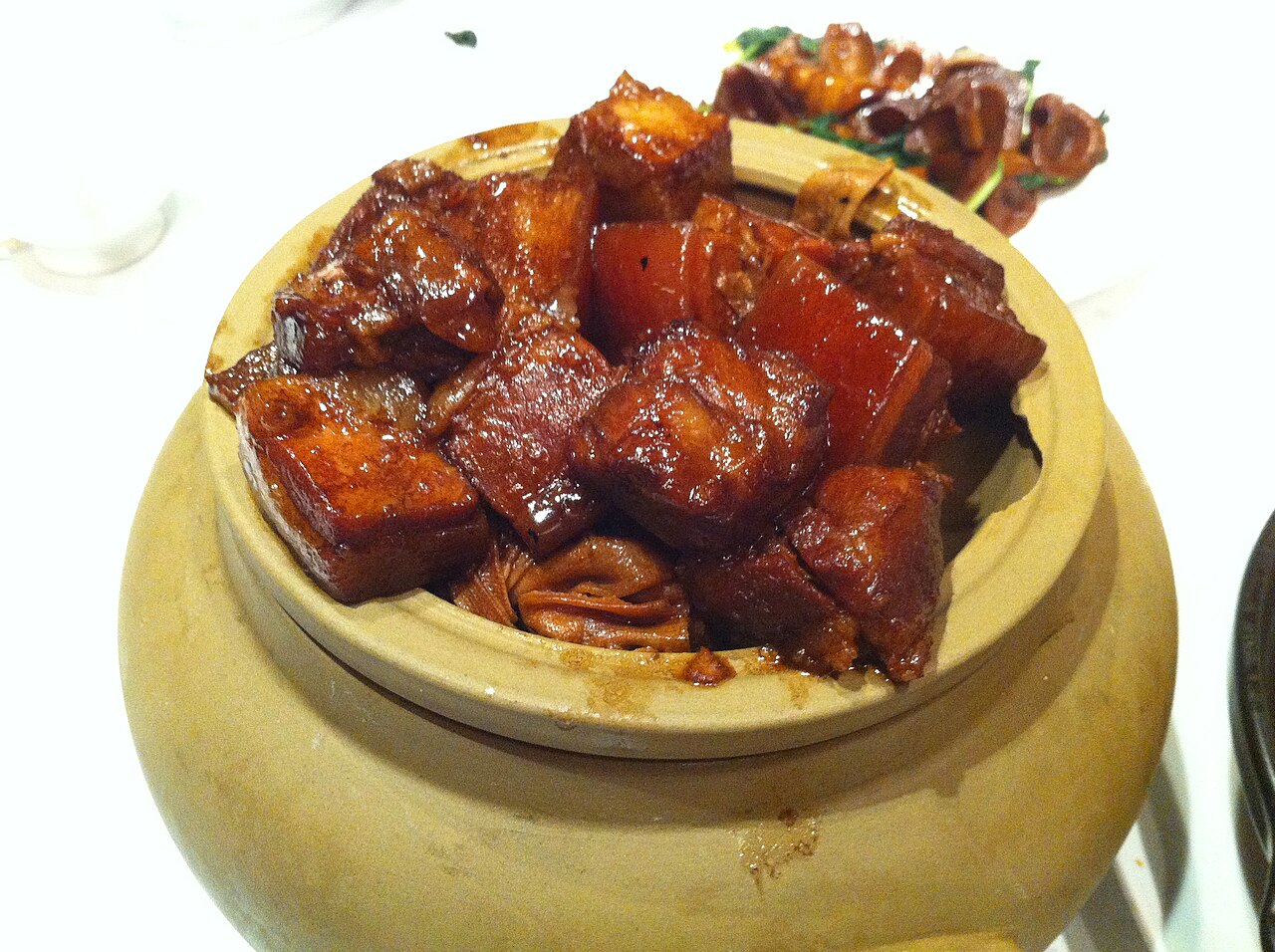
Old-school hong shao rou braised in soy and sugar, steamed fish with ginger, and regulars who've been coming for decades.
Benchmark xiao long bao with a counter view of the pleating station — arrive at opening to avoid the wait.
Four per order, crunchy base, molten pork soup inside — the definitive Shanghai morning food for well under 20 ¥.
Shanghai's own third-wave chain, with some locations in converted lane houses under plane trees. Superb lattes and kouign-amann.
Perched on the 58th floor of the Ritz-Carlton Pudong, FLAIR is Shanghai's highest al fresco bar — order a cocktail and watch the Bund's lights mirror themselves in the Huangpu River far below.
Google, Instagram, and WhatsApp are blocked in China — download a reputable VPN at home, as app stores inside China won't carry them.
Cash is accepted but increasingly unusual; set up Alipay's international card link before your trip as domestic credit-card readers often decline foreign cards.
Shanghai's subway is fast, cheap, and fully bilingual — grab a transit card at any station and forget about traffic jams and language barriers.
Ultraviolet requires months; Jesse and any Michelin-listed spot needs at least a week's notice for prime weekend times.
April-May and October-November bring mild weather and low humidity — July and August are steamy and typhoon-prone, though oddly photogenic at night.