Palace
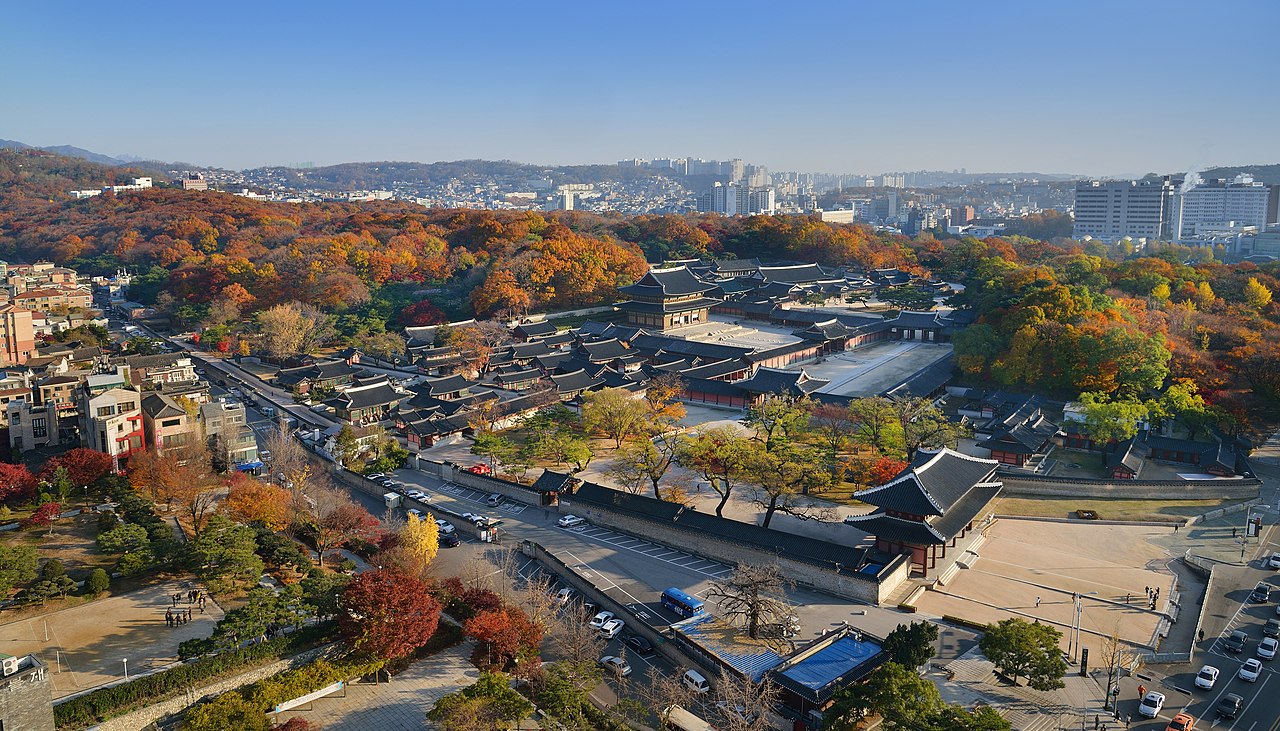
Gyeongbokgung Palace & changing of the guard
The Joseon dynasty's grandest palace spreads across forty-three hectares; the gate-guard ceremony at 10:00 draws crowds for good reason.
서울, 지금
Seoul moves at a pace that makes Tokyo seem leisurely — ancient palaces face glass towers across four-lane boulevards, street-food carts perfume every underpass, and the night never quite ends in Hongdae.
The Joseon dynasty's grandest palace spreads across forty-three hectares; the gate-guard ceremony at 10:00 draws crowds for good reason.
Six hundred preserved hanok townhouses terraced across a hillside between two palaces — best before 09:00 when the lanes belong only to the cats.
The oldest covered market in Korea: bindaetteok mung-bean pancakes fried on enormous cast-iron pans, eaten with makgeolli at 08:00.
A nine-kilometre urban waterway reclaimed from a motorway, with stepping stones, willow trees, and lanterns in autumn.
Guided tour of the Huwon — a series of pavilions, ponds, and ancient trees hidden behind the palace walls. Numbers are limited; book ahead.
Zaha Hadid's silver amoeba contains multiple design museums and a rooftop garden — the architecture alone is worth the subway fare.
Beyond its fighter jets and tanks on outdoor display, this museum's indoor galleries trace Korea's modern history with unusual candor, making for a thoughtful morning before the city fully wakes.
Cable car to the tower or hike the forested Namsan trail — either way the 360° city panorama and Han River curve are the money shot.
Traditional crafts, calligraphy brushes, vintage celadon, and folk-art galleries tucked into the alleys off the main pedestrian street.
Rent a bicycle along the Yeouido riverside park; buy a convenience-store dosirak lunch and picnic on the grass like every Seoul university student on a sunny afternoon.
The university neighbourhood's park fills with street buskers and the surrounding blocks with independent vintage shops, K-beauty boutiques, and art installations.
Korea's largest traditional market: haberdashery, dried fish, imported cosmetics, and the best gimbap stalls in the city, eaten standing at the corner.
The glass-floored Sky Deck at 500 metres offers the highest view in Korea; on clear days the mountains north of the city appear in every direction.
Housed in buildings by three different star architects, this private museum pairs centuries-old Korean ceramics with contemporary installations, an afternoon that rewards slow, deliberate looking.
Orange plastic tarpaulins cover fold-out tables and gas burners: tteokbokki, spicy rice cakes, corn dogs, and soju poured generously all evening.
Private karaoke booths with tambourines, a song library in every language, and free-flow beer — the correct way to close a Seoul evening.
Coloured water jets arch from both sides of the bridge every half-hour after dark — best from the grassy riverside promenade with a cold Cass in hand.
Seoul's most international district mixes Korean craft-beer bars, live jazz rooms, and late-night fried chicken — the options multiply the later you stay.
Painted stairways and rooftop terraces climb a hillside above old Seoul, and at dusk the lanes empty out while the city below begins to glitter. It is a free, unhurried counterpoint to the neon of Myeongdong.
Mapo's grill houses are where locals go for their own version of a night out, tabletop charcoal turning thick-cut pork belly and marinated short rib into a smoky, communal meal. Soju flows as freely as the conversation.
At the National Gugak Center, court music and folk melodies played on the gayageum and haegeum offer a hushed, meditative contrast to Seoul's louder pleasures. It is a rare chance to hear instruments that predate the city itself.
Ensconced within a wooded hillside garden above the Namsan slopes, The Shilla's tower-level suites and La Mer spa define old-world Korean luxury, and its The Yeong restaurant plates the finest seasonal hanjeongsik in the capital.
Steps from Gyeongbokgung Palace, the Four Seasons anchors its 317-metre tower with a private Moa collection of Korean celadon art and Miga, its rooftop bar that surveys the entire Bukaksan mountain ridge at night.
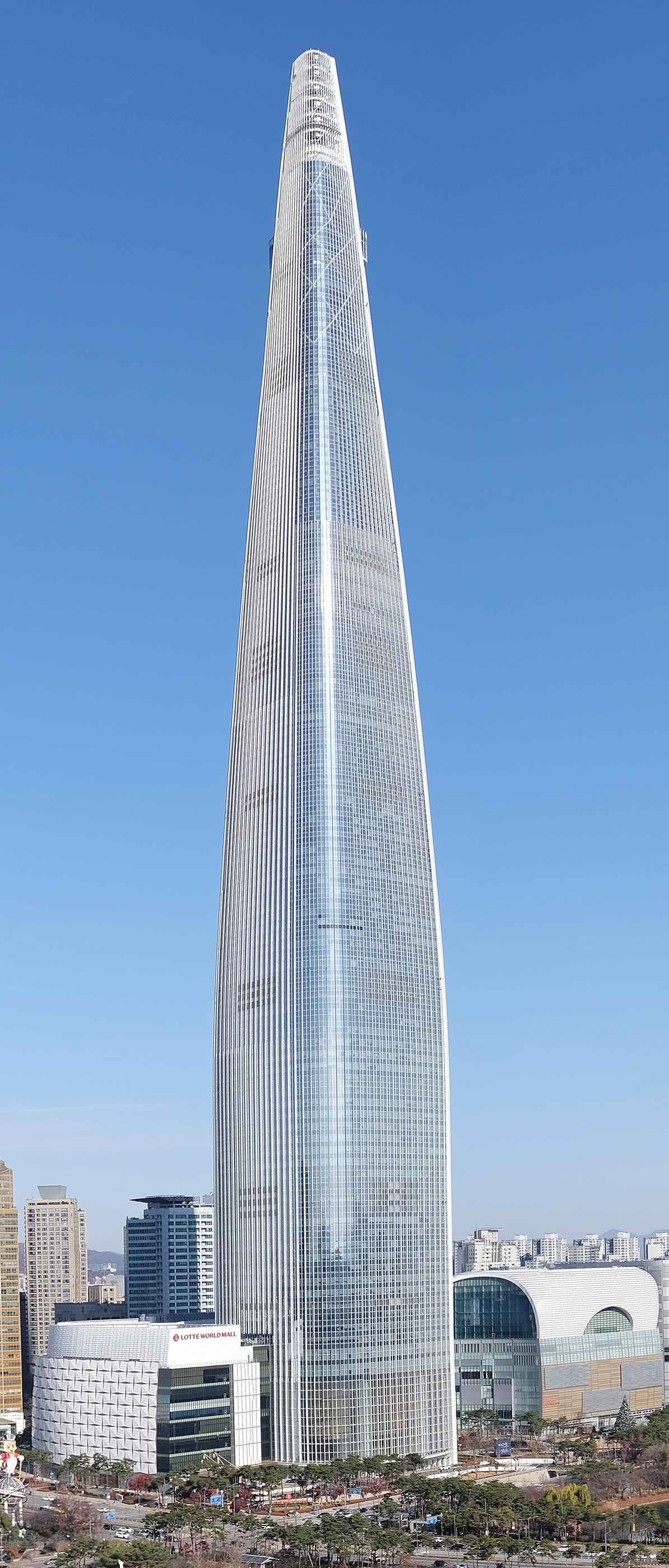
Floors 87 to 101 of the world's fifth-tallest skyscraper, where the Observatory Suite's private terrace surveys the Han River from horizon to horizon and butler-curated Korean art tours are part of every stay.
A reimagined 1914 Joseon-dynasty palace aesthetic in the heart of Gangnam's luxury corridor, featuring the city's most coveted omakase counter, Bicena, and private hanbok styling sessions by appointment.
Rates change — check the live price.
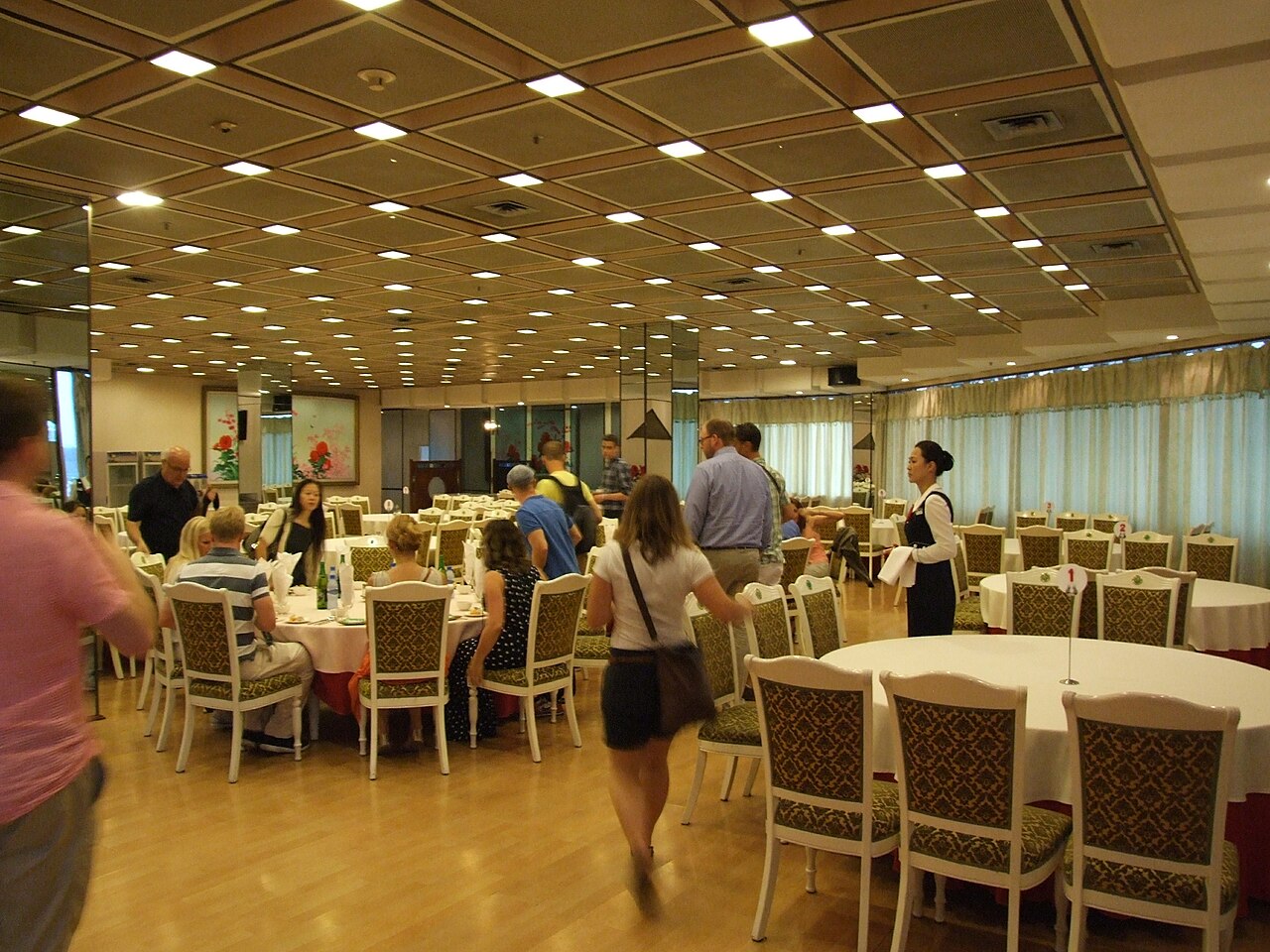
Photography shows the dishes and cuisine — representative, not from the restaurants themselves.
New Korean cuisine that rebuilds bibimbap and doenjang as Michelin-level tasting menus. Reserve a month ahead.
Premium Hanwoo beef grilled tableside in a handsome wood-panelled room; the galbi here is the reason people miss their flights.
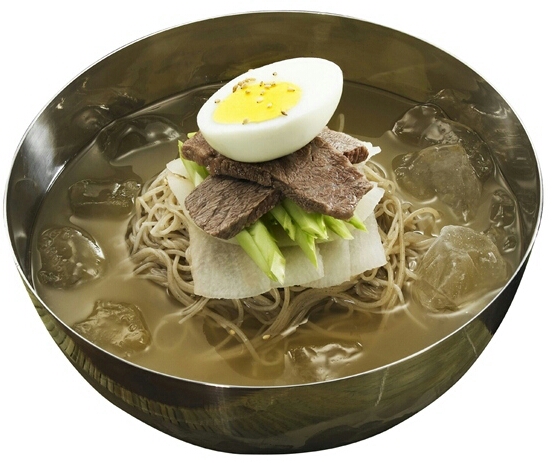
Cold buckwheat noodles in icy beef broth since 1946 — a Seoul institution that requires no trend to remain essential.
The mung-bean bindaetteok and honey-walnut pastry will cost under ₩10,000 together and taste like they should cost far more.
Seoul's most rigorous single-origin roastery; the almond croissant sells out before 10:00.
Ginseng chicken soup in a historic hanok building; the queue moves quickly and the broth is everything the cold morning promised.
Load a T-money transit card at any convenience store — it works on subway, buses, and taxis and costs less per ride than single tickets.
Gyeongbokgung asks for covered shoulders; free hanbok rental at the gate gets you free entry and excellent photographs.
A Korean bathhouse costs under ₩15,000 for the night and comes with sauna rooms, sleeping mats, and hardboiled eggs — entirely safe and highly recommended.
Tteokbokki and hotteok are best eaten direct from the griddle; accept the paper bag and the gochujang drizzle graciously.
CU and GS25 sell heated ramyeon, triangle kimbap, banana milk, and decent coffee at any hour — embrace them shamelessly.