Palace
Forbidden City morning
Nine thousand rooms across 720,000 square metres; enter through the Meridian Gate and work north to the Imperial Garden before the post-lunch crowds arrive.
北京故事
Beijing wears five thousand years with an almost casual authority — the world's most intact imperial complex flanked by ring roads, and a hutong labyrinth of courtyard homes where the smell of soy and sesame never quite fades.
Nine thousand rooms across 720,000 square metres; enter through the Meridian Gate and work north to the Imperial Garden before the post-lunch crowds arrive.
Old men play erhu and practise taichi on the marble terraces as the sun rises; the circular Hall of Prayer for Good Harvests glows crimson in early light.
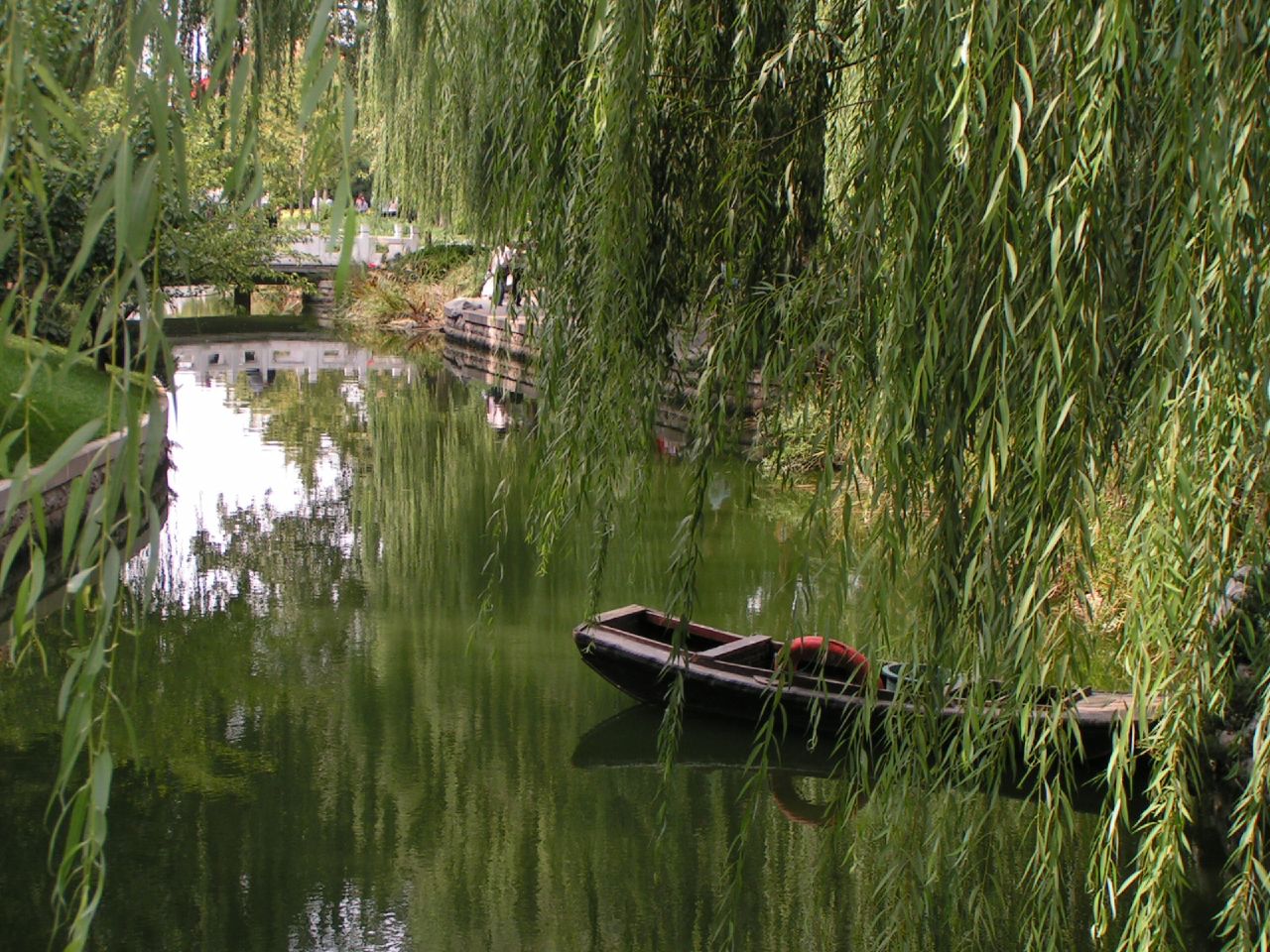
The vast Kunming Lake reflects Longevity Hill and the Marble Boat; hire a rowboat and drift past weeping willows at the pace the Empress Dowager intended.
Climb the artificial hill just north of the Forbidden City at first light to see golden rooftops spread in perfect symmetry — free of tour groups before 08:00.
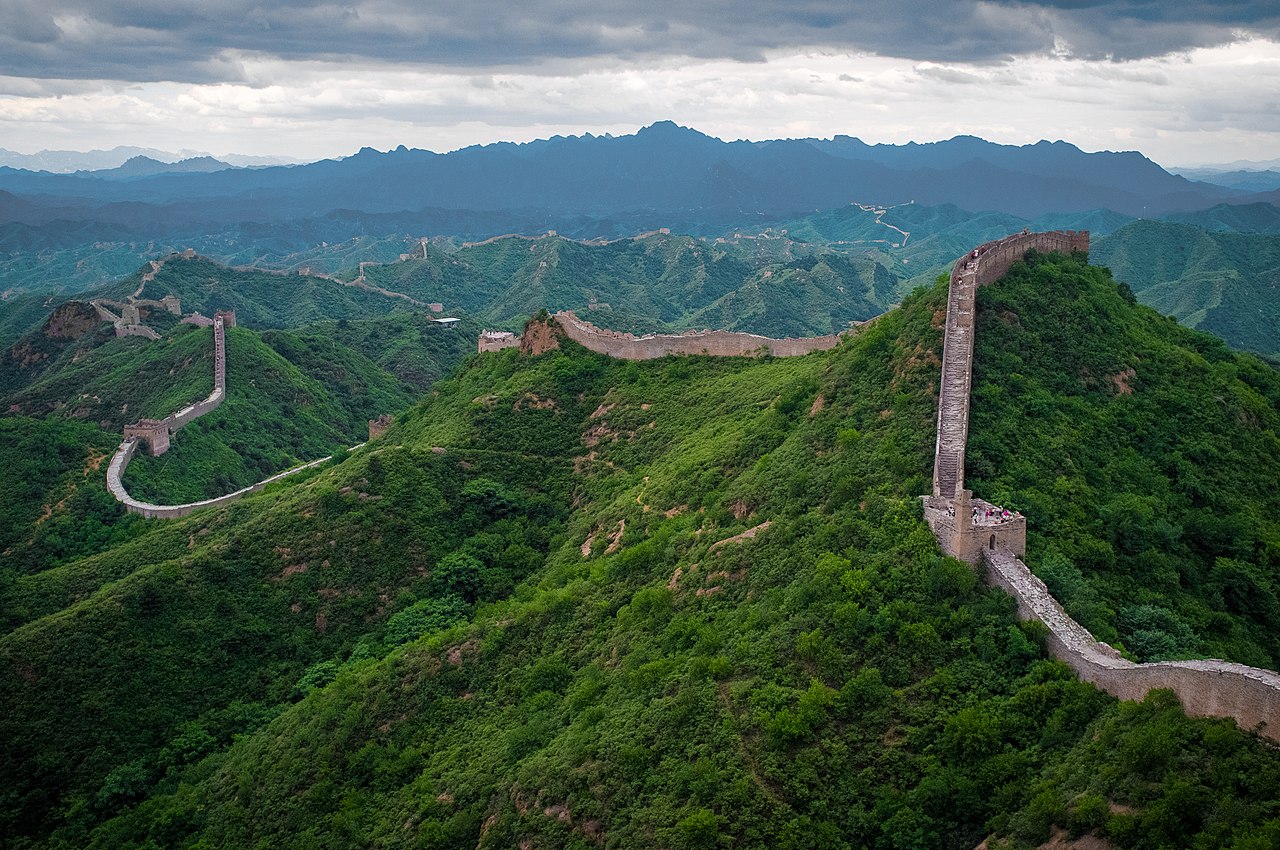
The best-restored and least-crowded major section: take the cable car up, walk three kilometres of battlements, and toboggan back down the mountain.
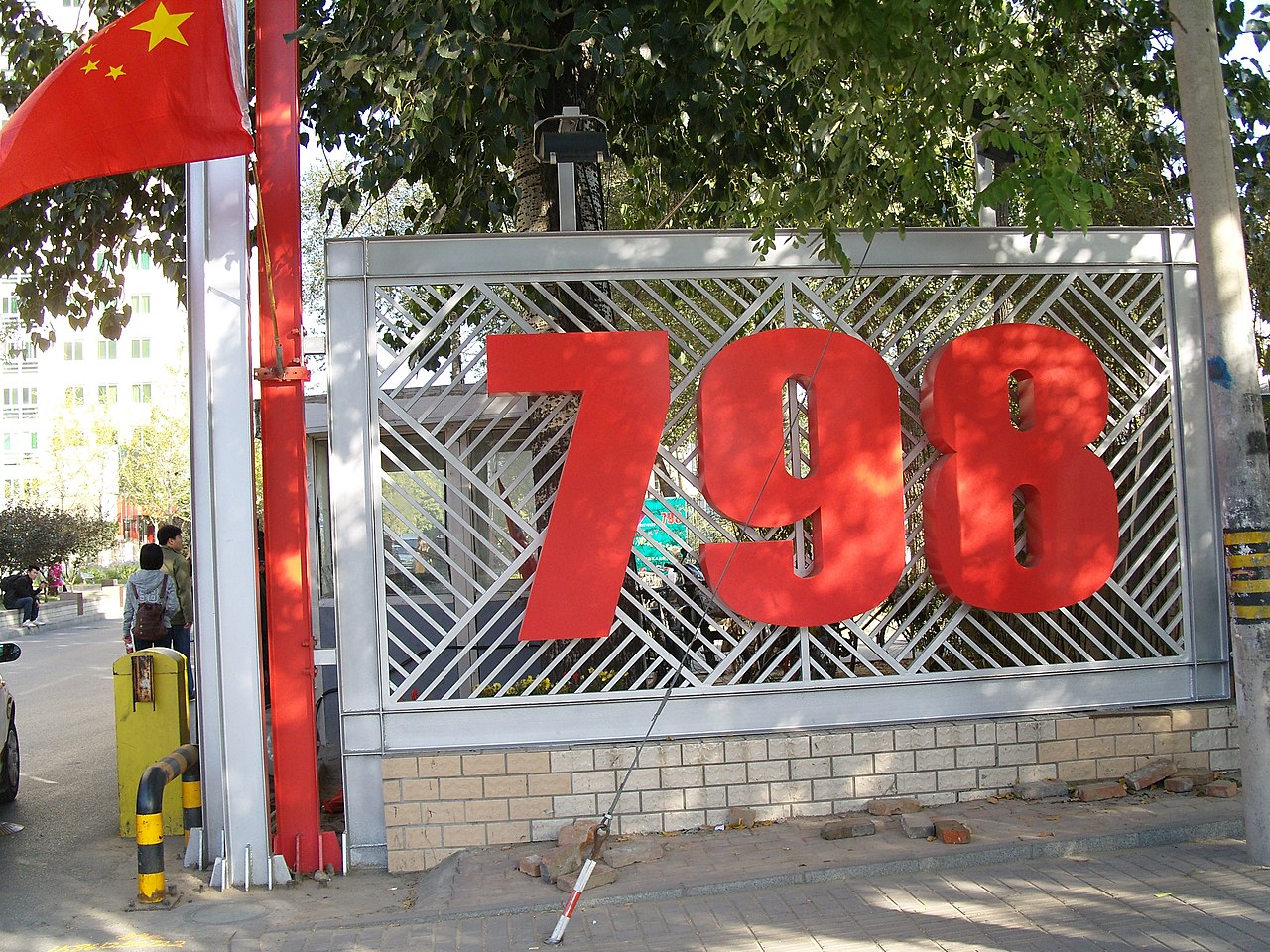
A sprawling Bauhaus factory complex repurposed as Beijing's premier contemporary art quarter — galleries, coffee shops, and outdoor sculpture parks that rival anywhere in Asia.
An imperial garden older than the Forbidden City itself, Beihai's lake is calmest at sunrise, when a slow rowboat past the White Pagoda island feels like drifting through a scroll painting.
The world's largest public square, flanked by the National Museum of China whose vast collection of bronzes, ceramics, and silk paintings rivals the British Museum.
Rent a bicycle at the lakeside and thread through the hutong lanes — centuries-old siheyuan courtyard homes just minutes from the Drum Tower.
Tibetan Buddhist incense wraps the courtyard in fragrant smoke; the Maitreya Buddha carved from a single sandalwood trunk stands eighteen metres in the final hall.
The most photogenic of Beijing's renovated hutong alleys: independent coffee shops, calligraphy studios, and stinky-tofu stalls in equal, excellent measure.
Scorpions on skewers, lamb offal, and silkworm pupae alongside more approachable lamb skewers and fried jianbing — the ultimate Beijing snacking street.
Learn to crisp-roast a duck in a wood-fired oven, carve it tableside, and wrap pancakes with scallion and hoisin — the technique takes years; the afternoon results are surprisingly good.
This centuries-old street of calligraphy shops, ink stone dealers, and antique booksellers has supplied Beijing's scholars since the Qing dynasty, and an afternoon browse still turns up genuine curiosities.
The original Peking duck restaurant since 1864: whole-roasted birds carved tableside, the skin alone worth the visit.
Plate-spinning, contortion, and motorcycle stunts in an intimate theatre — the highest-skill variety show in the country, running nightly.
Strings of red lanterns over the water, live music spilling from every doorway, and strong baijiu cocktails served on terraces that barely fit two tables.
Jianbing crepes, lamb-and-cumin skewers, and sweetened red-bean bao from the carts that set up after dark along the pedestrian shopping boulevard.
Beijing's most cosmopolitan quarter comes alive after sunset, its pedestrian lanes lined with boutiques, bars and a striking mix of expats and fashionable locals. It is the city's clearest glimpse of its international, after-hours self.
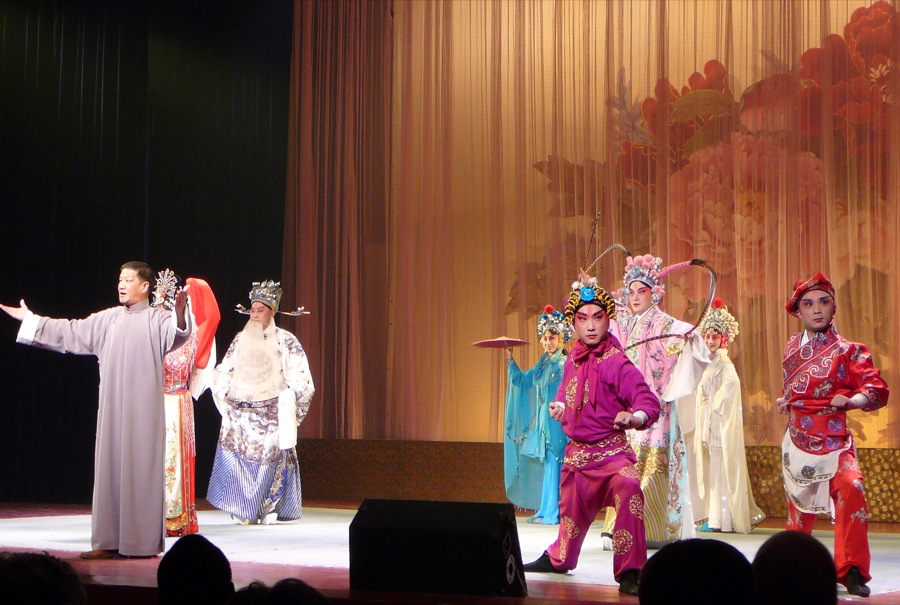
In a teahouse-style hall, painted-face performers in elaborate costume act out centuries-old legends to the clash of cymbals and gongs, with tea and sunflower seeds served at your table. Surtitles in English make the drama easy to follow.
Guijie's red-lanterned strip stays loud and busy well past midnight, its restaurants built around bubbling communal pots of mala broth. It is Beijing's most unfiltered, high-spirited food street.
Commanding the corner of Wangfujing, the Peninsula's Rolls-Royce fleet, jade-clad spa, and penthouse suites overlooking the Forbidden City's golden rooflines define Beijing's most patrician address.
In Beijing's historic Wangfujing hutongs near the Forbidden City, this all-suite hotel's glazed hip-and-gable roofline recalls imperial architecture, with 230 suites across three restaurants after a 2017 renovation.
A Swire-managed design hotel near Chaoyang's 798 Art Zone gallery district, with all-day dining at FEAST and contemporary Chinese fare at Domain.
Rising 63 floors above the Central Business District, the Park Hyatt Beijing's corner Sky Suites frame the CCTV Tower's swooping arch and the full sweep of the Beijing skyline at blue hour.
Rates change — check the live price.
Photography shows the dishes and cuisine — representative, not from the restaurants themselves.
The contemporary rival to Quanjude: thinner skin, smaller portions, a menu that spans the whole imperial canon.
Coloured vegetable-dough dumplings in dozens of shapes — the novelty is real, and so are the flavours.
The most theatre any dinner can offer: tableside noodle-pulling, complimentary manicures while you wait, and a Sichuan mala broth that numbs the lips.
Dishes served to the Qing court, plated in Beihai Park pavilions overlooking the White Dagoba. Book a week ahead.
The Beijing breakfast crepe — egg, coriander, hoisin, and a crisp wonton shell folded around the lot — made to order for under ¥12.
Beijing's most considered single-origin coffee bar in a converted hutong space; the cortado is excellent.
Google, WhatsApp, and Instagram are blocked in China — download a VPN app before boarding the plane, as you cannot access VPN sites once in-country.
Cash and international cards are rarely accepted outside hotels; link a foreign card to WeChat Pay before arrival to pay for taxis, food, and entry tickets.
Mutianyu requires timed entry tickets that sell out on weekends; book via the official site a week ahead and aim for the first morning slot.
Download an AQI app before outdoor plans — on high-pollution days stay in hutongs and museums; on clear days, head immediately to the Great Wall.
A half-day walking guide through the lanes near the Drum Tower unlocks doors, courtyard homes, and family histories that no guidebook can replicate.