Culture
Dawn prayer at Gandan Monastery
Arrive as maroon-robed monks begin morning chanting inside the Migjid Janraisig temple, incense curling around a 26-metre gilded Avalokiteshvara statue rebuilt after decades of suppression.
Under the Eternal Blue Sky
Mongolia's capital is a city of contrasts — gilded monastery roofs and Soviet apartment blocks giving way, within an hour's drive, to open steppe where nomad families still herd horses beneath an impossibly wide sky, watched over by a 40-metre stainless-steel Chinggis Khaan.
Arrive as maroon-robed monks begin morning chanting inside the Migjid Janraisig temple, incense curling around a 26-metre gilded Avalokiteshvara statue rebuilt after decades of suppression.
Wander the vast central square named for revolutionary hero Damdin Sükhbaatar, flanked by the domed Government Palace and its seated bronze Chinggis Khaan.
Trace Mongolia's story from Bronze Age deer stones through Chinggis Khaan's empire to Soviet-era repression across galleries of royal deel robes, armor, and ger models.
Climb the memorial's long stairway, ringed by a Soviet mosaic frieze, for a sweeping dawn view over the Tuul River valley and the city below.
Ride sturdy Mongolian horses along river-cut meadows toward granite outcrops, guided by a herder whose family has grazed this valley for generations.
Climb the wind-carved granite boulder shaped uncannily like a turtle's shell, then continue on to panoramic ridgelines above the Terelj pines.
Track Przewalski's horses — the world's last truly wild horse breed, reintroduced here after near-extinction — across rolling grassland with a park naturalist.
Explore the only palace to survive the 1930s purges, home to the last king's throne room, a stuffed elephant, and a trove of gifted regalia.
Ride the elevator inside the horse's neck to a viewing platform level with the 40-metre stainless-steel Chinggis Khaan, the largest equestrian statue on earth.
Climb 108 wooden steps lined with Buddhist teachings on small placards to a cliffside temple where monks once meditated in mountainside caves above the valley.
Tour the production floor of Mongolia's flagship cashmere manufacturer, then browse the outlet shop for scarves spun from Gobi goat down at a fraction of Western prices.
Weave through stalls of felt boots, saddle leather, antique coins, and secondhand deel robes at Ulaanbaatar's sprawling, chaotic open-air market.
Draw a traditional recurve bow under an instructor's guidance, then learn shagai, the ankle-bone flicking game herders have played for centuries between chores.
Duck into a working ger for salty milk tea and fresh curds, while your host explains how a household of felt and rope survives brutal winters.
Follow the Tuul's tributary through larch forest and open meadow to a picnic spot chosen for its view of jagged granite spires known locally as Melkhii Khad.
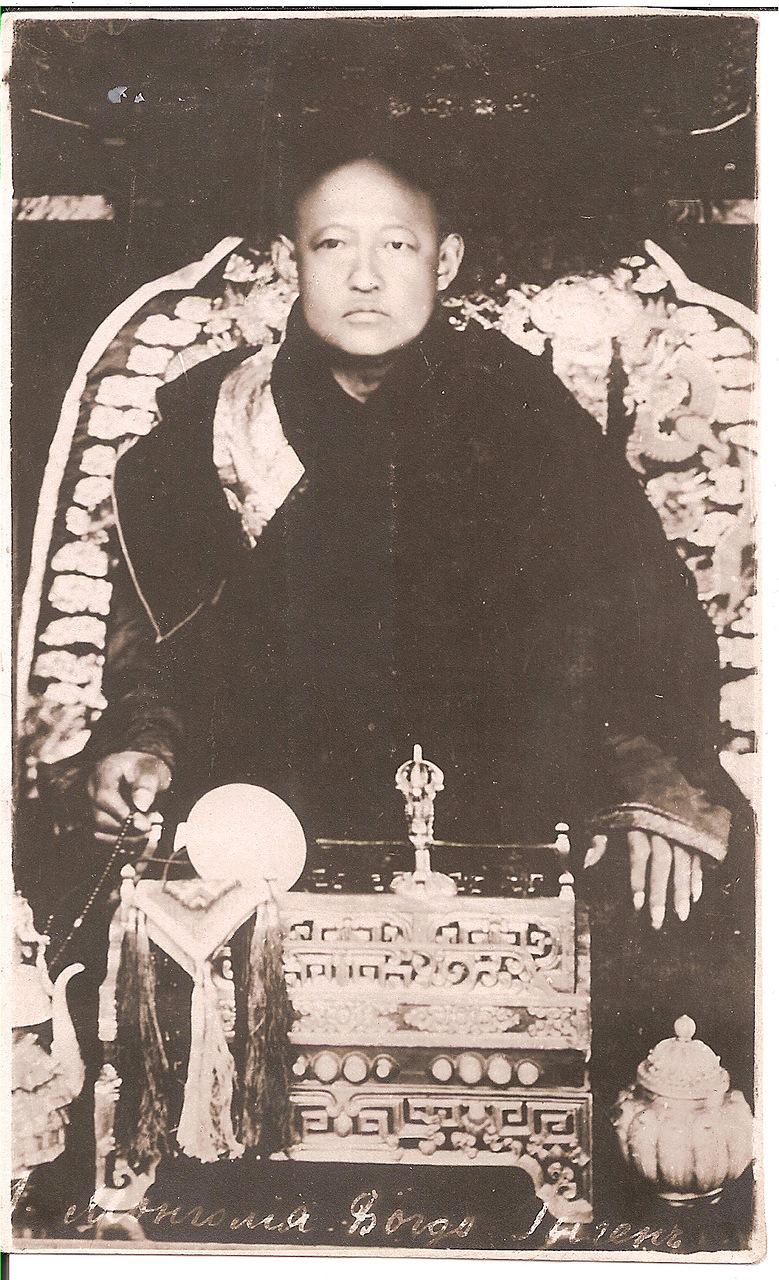
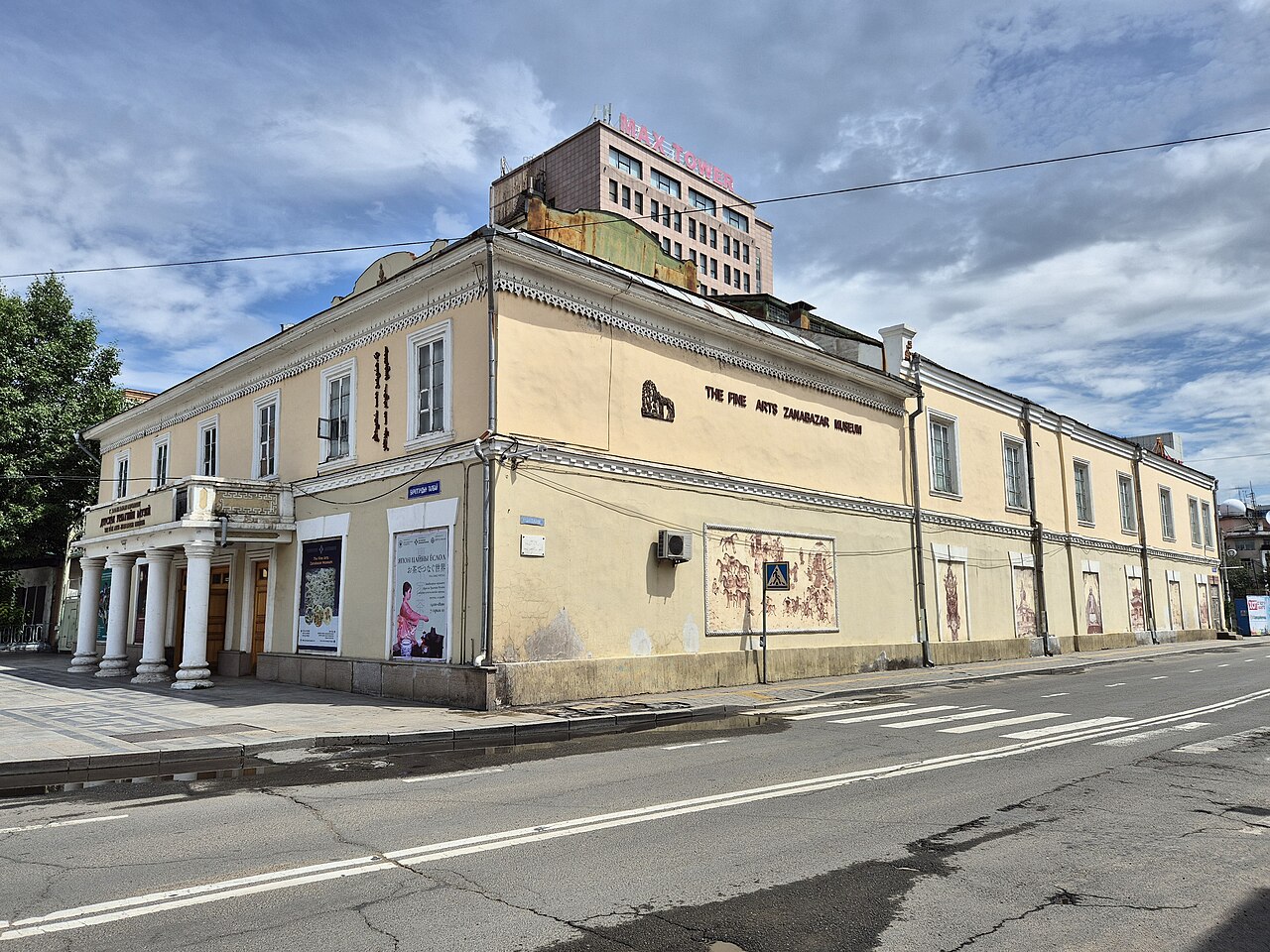
Study the gilded bronze Buddhas cast by Zanabazar, Mongolia's 17th-century sculptor-monk whose serene, sensuous style still defines the country's religious art.
Sit close as a horsehead-fiddle ensemble accompanies khöömii throat singers, their split-tone overtones said to imitate wind, wolves, and galloping hooves.
Watch contortionists bend impossibly beneath a spotlight, followed by masked tsam dancers and khöömii singers in this long-running showcase of Mongolian performing arts.
Trade the day's stories around an open fire outside your ger as the temperature drops and the Milky Way emerges over the silhouetted hills.
Watch fire-heated river stones tumble from a sealed milk churn packed with mutton, potato and carrot — the signature communal feast of the Mongolian steppe.
Far from city glow, a guide points out satellites, shooting stars, and the dense band of the Milky Way arcing over the darkened grassland.
Watch two wrestlers in tiny embroidered jackets circle and grapple in bökh, the national sport whose champions carry titles like 'Titan' and 'Lion'.
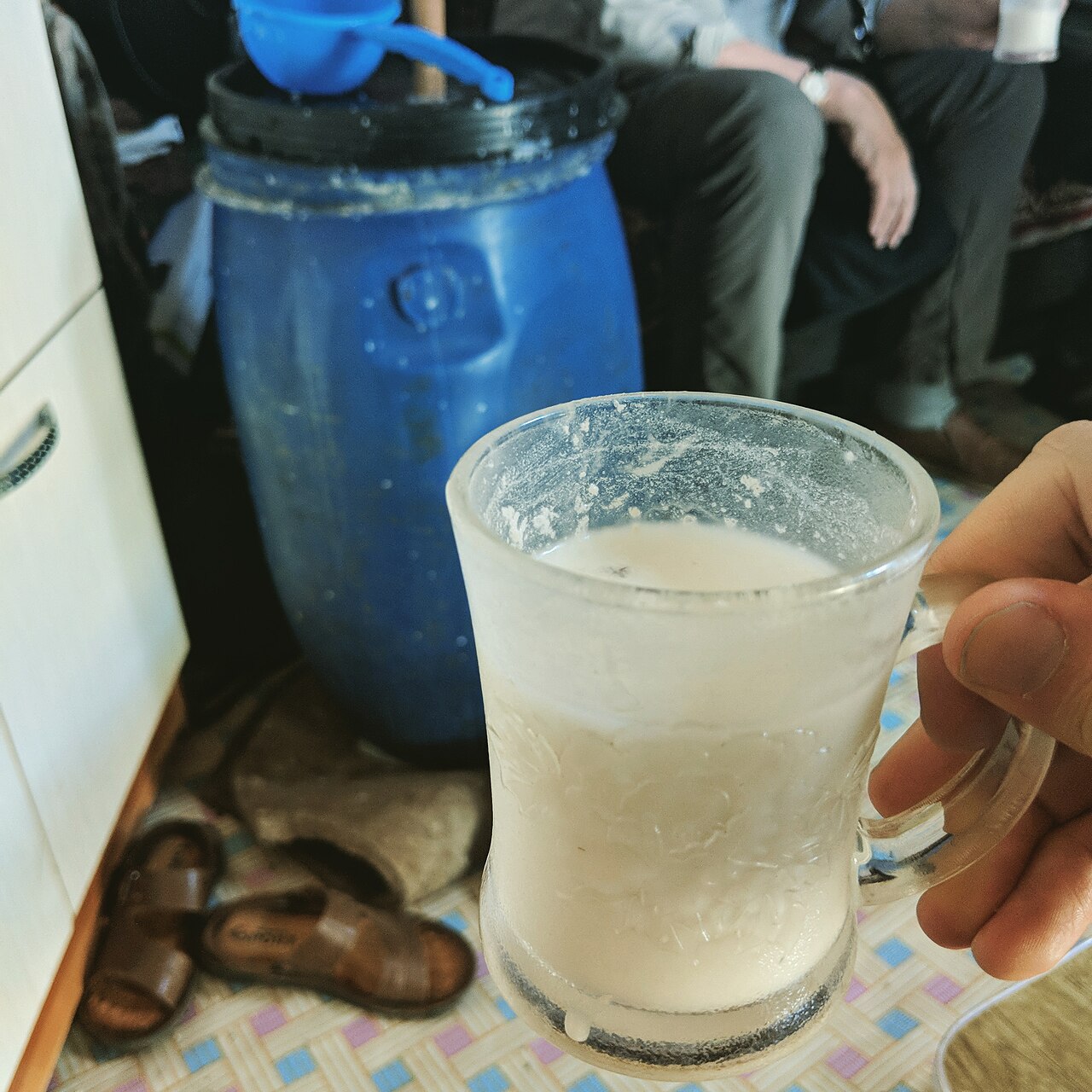
Sample airag, the faintly fizzy, faintly sour fermented mare's milk offered to every guest in the countryside, alongside dried curd and fried aaruul.
Return to Zaisan as the light turns amber, watching the Tuul valley's smokestacks and ger districts soften into silhouette below the war memorial's mosaic frieze.
Glass-towered and impeccably run, with a spa, four restaurants and the city's best skyline views from its upper-floor rooms.
A long-established European-style property favoured by diplomats, with spacious rooms, a full spa and one of the city's most reliable kitchens.
A striking castle-like lodge set among the park's granite outcrops, with a spa and floor-to-ceiling windows framing the valley.
Deluxe heated gers and chalets scattered across a riverside meadow, with horse trekking and archery arranged straight from reception.
Rates change — check the live price.
Photography shows the dishes and cuisine — representative, not from the restaurants themselves.
Order the khorkhog set menu and catch the nightly folk-dance and throat-singing show staged between courses.
A long-standing expat favourite for wood-fired pizza and pasta on a plant-filled terrace just off Peace Avenue.
Reliable, generously spiced North Indian classics make this a go-to for travelers craving a break from mutton and dairy.
An expat institution near Sukhbaatar Square open from 8am — strong coffee, hearty Western breakfasts, and the city's most reliable all-day meeting spot.
Margaritas and burritos in a lively, slightly kitsch dining room popular with the city's younger crowd on weekend nights.
Live music and a solid pint accompany hearty pub fare in one of the capital's longest-running expat haunts.
If travelling in July, reserve accommodation and horse trekking months ahead — the Naadam festival fills the city and Terelj camps completely.
Markets, ger camps and countryside stalls rarely take cards, so keep a stock of small tögrög notes for tips and souvenirs.
Ulaanbaatar's wind chill can be harsher than the thermometer suggests, so pack a proper windproof shell alongside your warm layers.
Walk clockwise around Gandan's stupas and prayer wheels, and dress modestly with shoulders and knees covered.
Paved roads end quickly outside the city, so build extra time into transfers to Terelj and Hustai for unpredictable dirt-track conditions.