Market
Tsukiji Outer Market breakfast
Tamagoyaki skewers and uni-topped rice at counter stools before the fish stalls close — the best breakfast in the city, full stop.
東京、今夜も
Tokyo layers ancient shrine courtyards against sci-fi skyscrapers and whisper-quiet basement restaurants — a city of forty neighbourhoods each with its own personality, best understood by getting happily lost in all of them.
Tamagoyaki skewers and uni-topped rice at counter stools before the fish stalls close — the best breakfast in the city, full stop.
Towering cedar-wood torii and gravel paths through a small urban forest, hushed and ceremonious even when busy.
Arrive at dawn when incense curls quietly over the stone lanterns; the five-storey pagoda glows gold in early light.
Immersive rooms where projections flow across walls and floors like living ink — equal parts art installation and full-body daydream.
French parterres give way to English lawns and a Japanese garden where egrets fish in still ponds — an unlikely oasis at the city's heart.
The world's most concentrated strip of youth fashion, crêpe stalls, and bewildering subcultures — best experienced at opening time.
Long before the tour buses reach Ueno, this vermillion-gated shrine sits quiet beneath a tunnel of torii and a hillside garden of azaleas. It is one of the city's oldest Shinto sites, and mornings here feel like a private audience with old Tokyo.
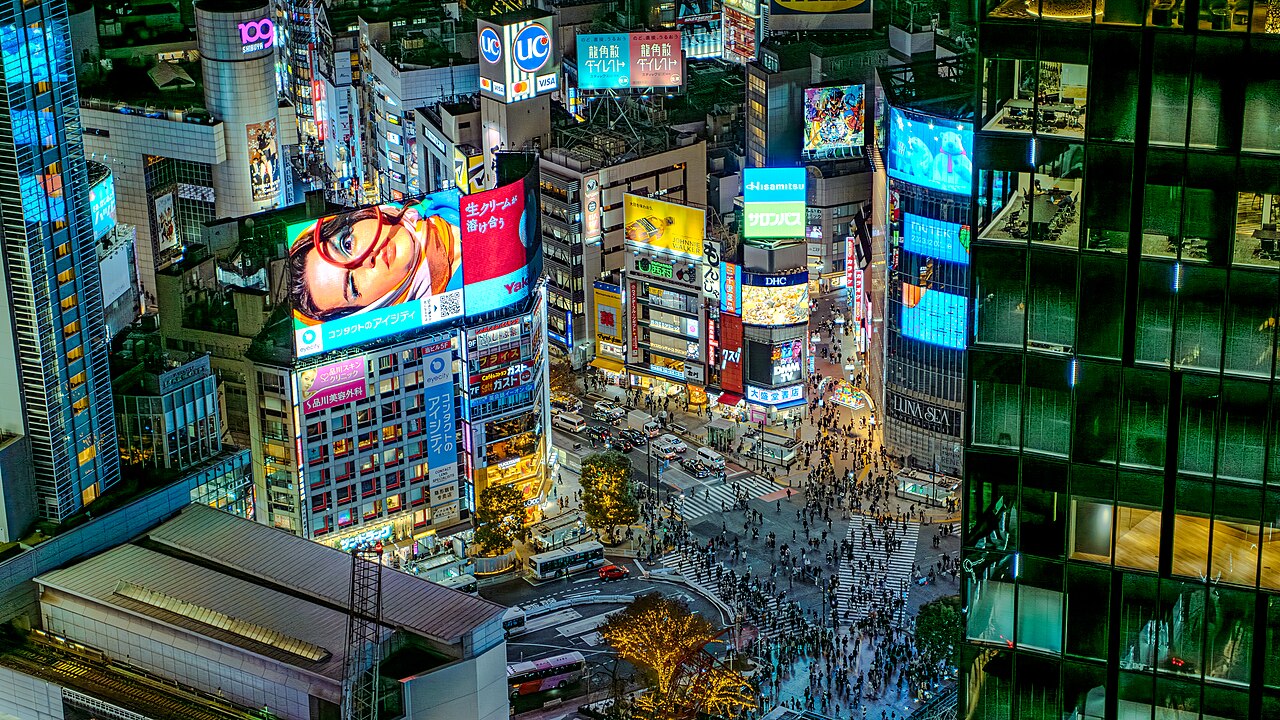
Watch two thousand pedestrians cross in every direction simultaneously from the second-floor Starbucks window, then join in yourself.
Eight-storey arcade buildings, retro game cartridges, and the global headquarters of manga fandom — budget time generously.
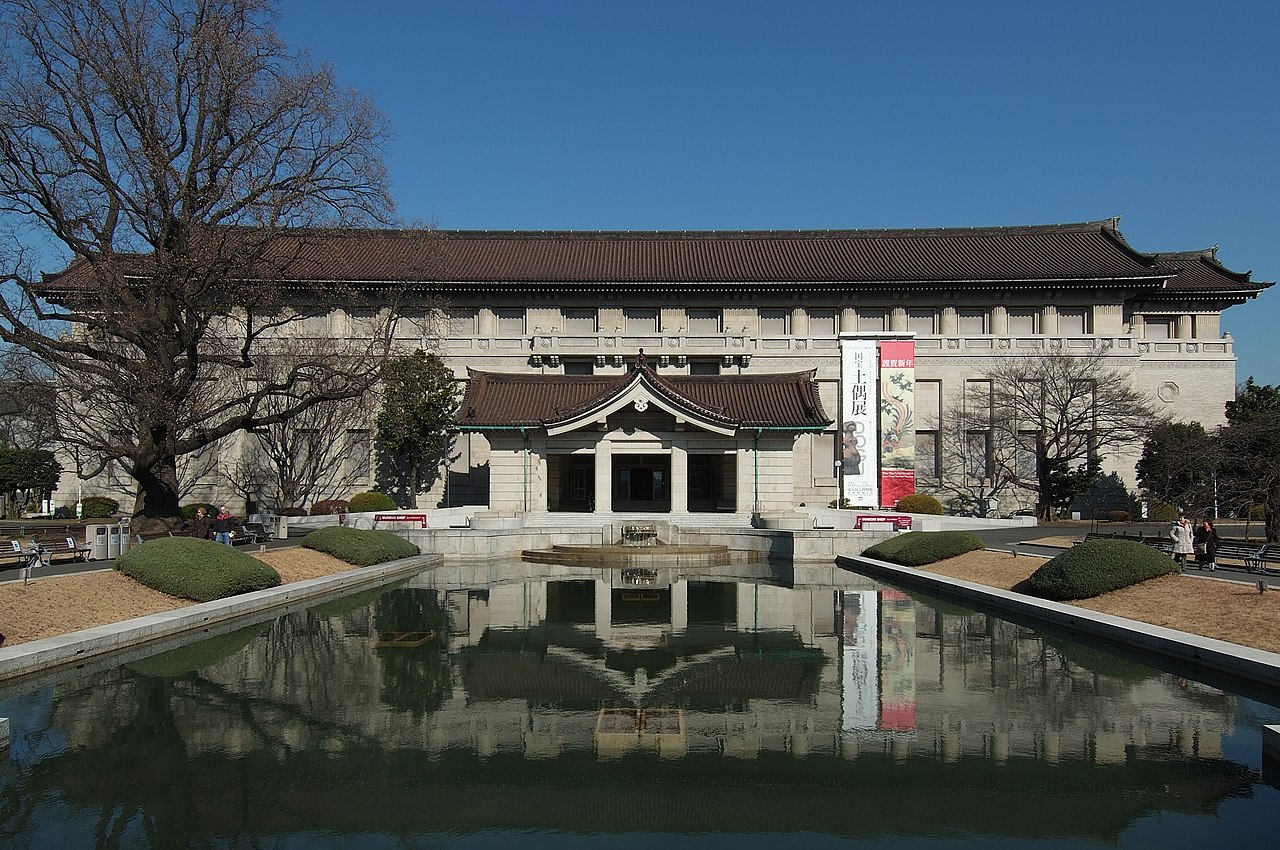
The largest collection of Japanese art on earth, from Jomon pottery to Edo-period samurai armour, in a 1938 Imperial building.
Tiered stone walls of old Edo Castle encircle tranquil gardens — free to enter and uncrowded even in high season.
Contemporary Japanese and international art fifty-three storeys up, with city-scale views from the observation deck as a bonus.
Tokyo's best-preserved pre-war neighbourhood: tiled temple rooftops, independent coffee shops in machiya townhouses, and cats.
A hillside pocket of independent bookshops, coffee roasters, and quietly stylish boutiques, Daikanyama rewards an unhurried afternoon of wandering between Shibuya and Ebisu without a fixed itinerary.
Two hundred micro-bars crammed into six alleyways, each seating six to eight people around a counter. The bartender picks the music.
Rent headphones for English commentary and watch centuries-old stagecraft — elaborate wigs, kumadori make-up, and entrances through the audience.
The city unfurls 350 metres below — on clear nights Fuji's silhouette appears to the south-west.
Order yakitori at the counter, refill the cold beer glass, and let the evening go as long as the kitchen will allow.
Forty-five floors up, Shinjuku's skyline unfolds for free from the north observatory, open into the evening with Mount Fuji sometimes silhouetted against the last light. It is the city's best-kept secret for a sunset that costs nothing.
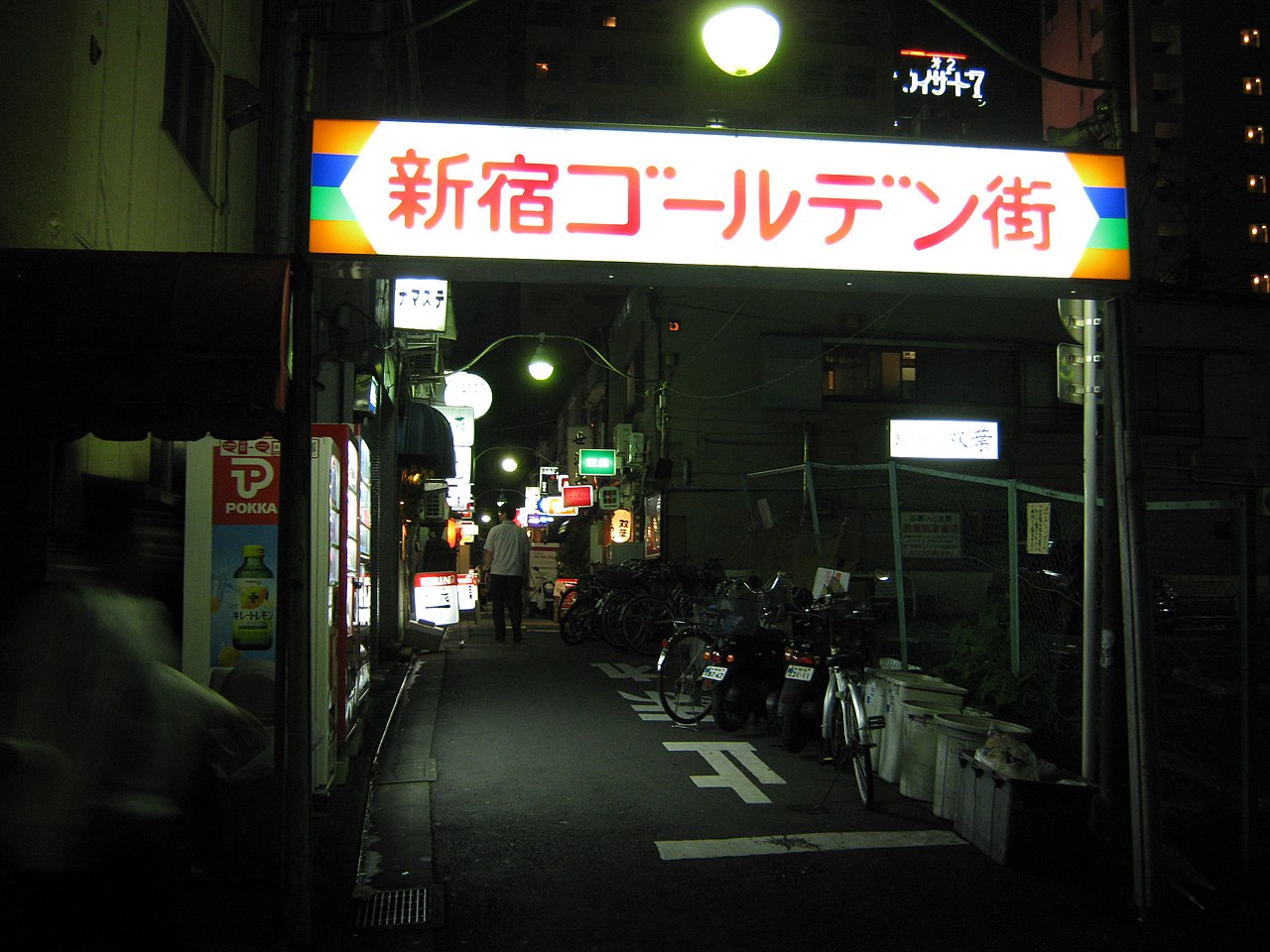
Smoke curls from charcoal grills in this cramped postwar alley wedged behind Shinjuku Station, where skewers of chicken and cold beer are passed across counters barely wide enough for six stools. It feels like Tokyo before the skyscrapers arrived.
A lantern-lit boat slips beneath a dozen bridges as Asakusa's temple roofs give way to the glass towers of Odaiba. The river shows Tokyo's centuries in a single unhurried hour.
Occupying the top six floors of a tower above the Imperial Palace gardens, Aman Tokyo's 58 suites in Japanese washi and Nagoya cedar offer the city's most serene urban spa and the iconic 33 m pool.
Made legendary by Lost in Translation, the 52nd-floor New York Bar floats above Shinjuku's neon canyon while suites wrap the city in floor-to-ceiling glass and handwoven tatami accents.
Standing sentinel between Hibiya Park and the Imperial Palace moat, the Peninsula's corner suites pair hand-embroidered silks with a sixth-floor Hei Fung Terrace that commands the entire palace perimeter.
Perched on floors 45–53 of the tallest tower in Tokyo's Midtown, the Ritz-Carlton delivers floor-to-ceiling Mount Fuji views from the Sky Suite and a destination French-Japanese restaurant, Hinokizaka.
Rates change — check the live price.
Photography shows the dishes and cuisine — representative, not from the restaurants themselves.
Arguably Japan's most revered counter — book months ahead or ask your hotel concierge.
Thick tsukemen dipping noodles with an intensely porky broth; arrive at opening to avoid the queue.
Battered seasonal vegetables and prawns fried one piece at a time at the counter since 1923.
Charcoal-grilled skewers to order in a hushed basement room — the benchmark for the form.
Standing espresso bar where single-origin beans are matched to your mood by the barista.
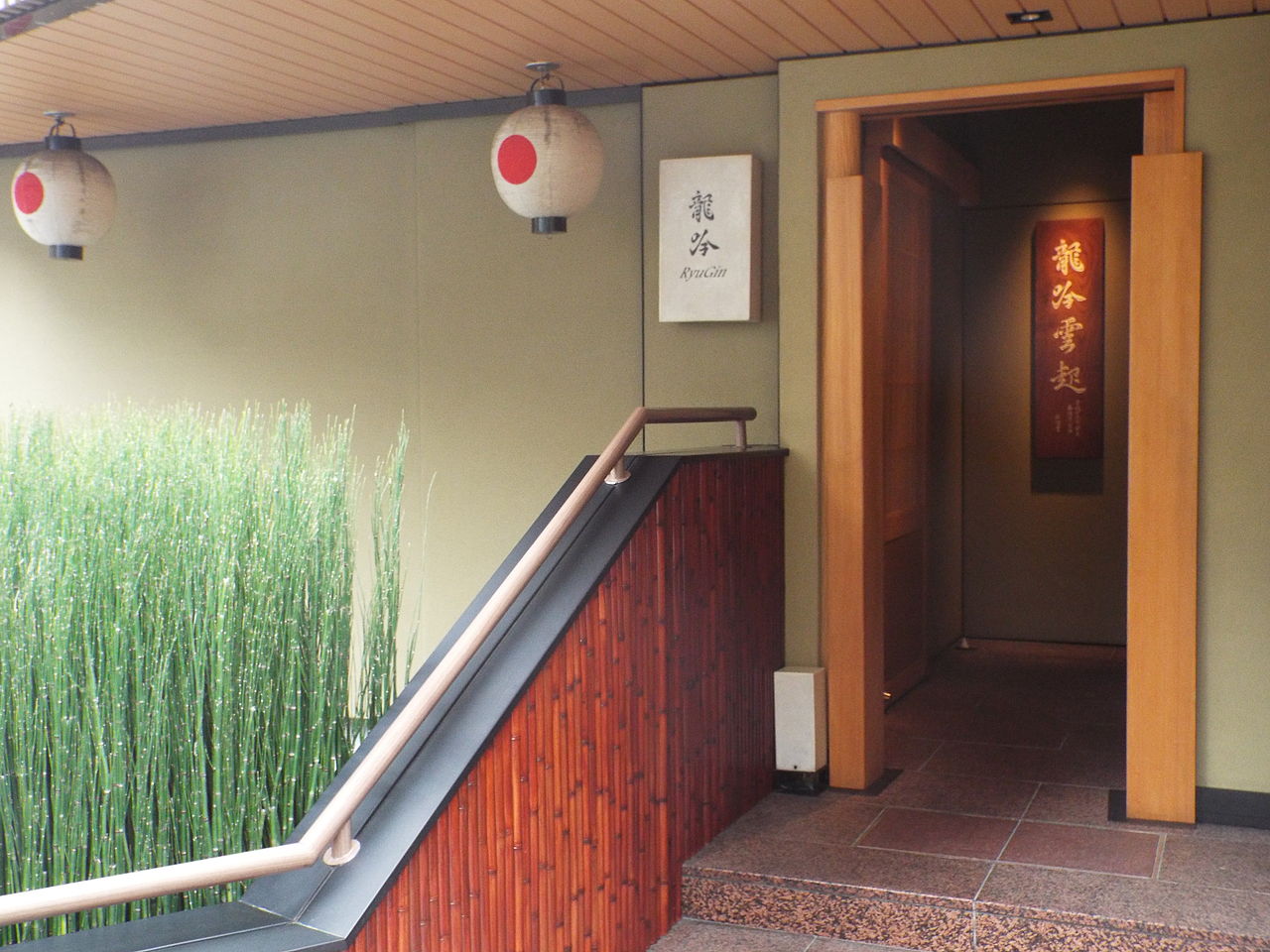
Multi-course kaiseki that re-imagines classical Japanese cuisine with forensic precision.
Load a Suica or Pasmo card at the airport machine — it works on every subway, bus, and at most convenience stores.
Many ramen shops, shrines, and smaller izakayas are cash-only; keep ¥5,000–¥10,000 on hand at all times.
Conversations on the metro are kept low — follow locals, keep phone speakers off, and give up priority seats without being asked.
The best tables fill weeks ahead; use Tableall or your hotel concierge for high-end counters.
7-Eleven and Lawson stock surprisingly good onigiri, sandwiches, and hot food at any hour — never go hungry.