Nature
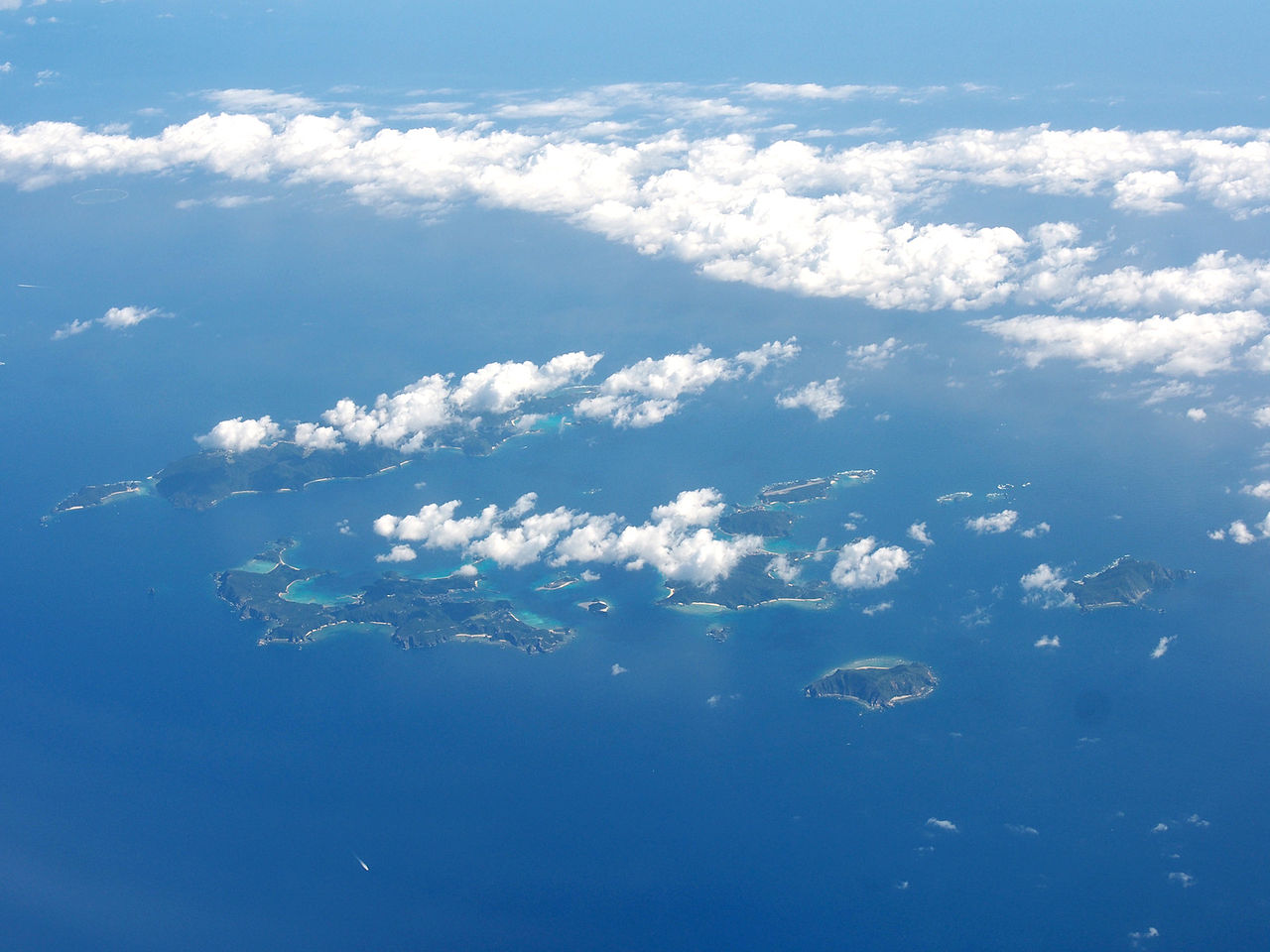
Snorkelling the Kerama Blue
Speedboat out to the coral shallows off Zamami and Aka islands, where visibility runs past thirty metres in a sea locals call Kerama Blue.
Coral tides of the Ryukyus
Subtropical Japan unspools here in coral shallows and red-tiled Ryukyu villages, where Shuri Castle's vermilion halls meet the turquoise Kerama shoals, awamori distilleries, and a slower island rhythm carried on sanshin strings and sea breeze.
Speedboat out to the coral shallows off Zamami and Aka islands, where visibility runs past thirty metres in a sea locals call Kerama Blue.
Walk the vermilion halls of the reconstructed Ryukyu Kingdom palace before the tour groups arrive, its dragon-carved gates catching the morning sun.
Stand before the Kuroshio Tank's seven-metre acrylic wall as whale sharks and manta rays glide past in one of the world's largest aquarium displays.
Pick a reef fish from the ground-floor stalls and have it grilled or sliced into sashimi upstairs within the hour, Okinawan-market style.
Descend nearly a kilometre into one of Japan's largest limestone caves, past 300,000 stalactites lit in soft amber.
Paddle a slack tidal river fringed by dense mangrove roots, herons overhead and fiddler crabs working the mudflats.
Walk the wave-cut limestone bluff shaped like an elephant's trunk, waves breaking turquoise against the coral rock below.
Wade out to Kouri Island's twin heart-shaped rocks at low tide, a local pilgrimage for the sunrise crowd.
Climb the candy-striped lighthouse above sheer coral cliffs for a sweeping view of the East China Sea.
Blow and shape your own tumbler of thick, bubble-flecked Ryukyu glass in a studio descended from postwar recycled-bottle craftsmen.
Wander a recreated Ryukyu hamlet of red-tiled kominka houses, habu-snake shows and sugarcane-press demonstrations above the Gyokusendo cave.
Wade straight off the sand into a shallow reef thick with parrotfish and staghorn coral, one of Japan's clearest swimming beaches.
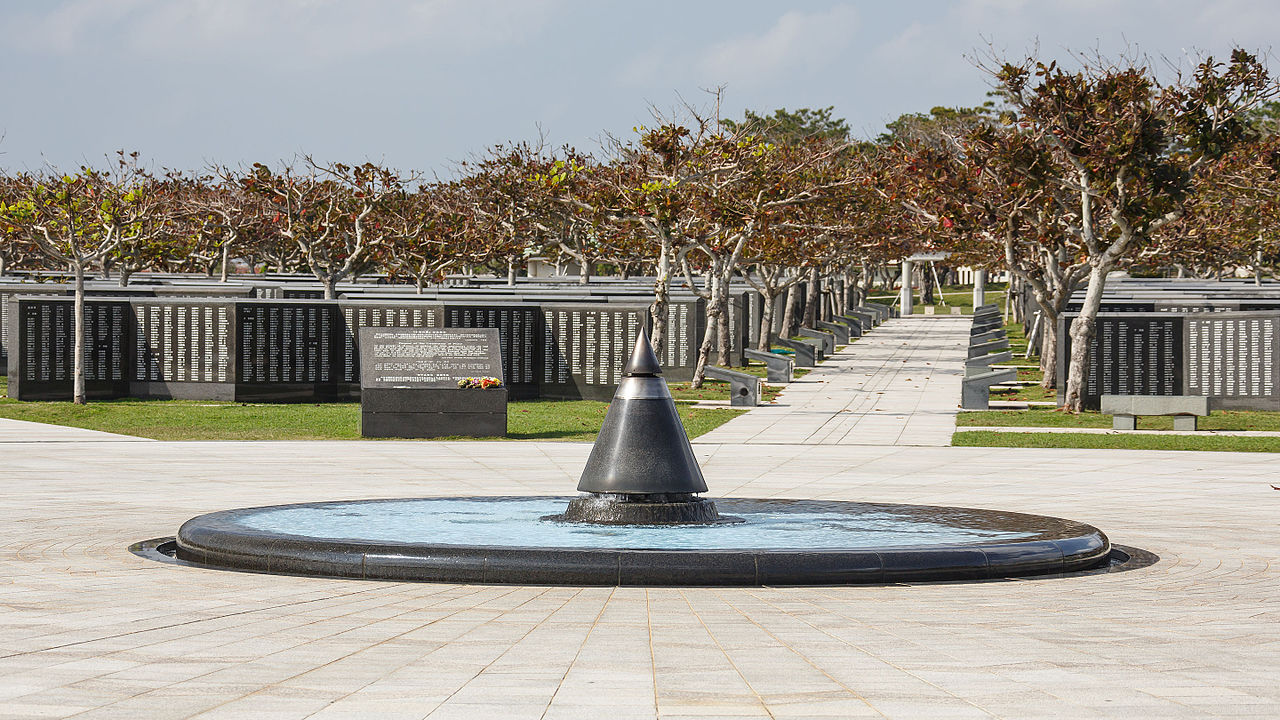
Walk the black granite walls inscribed with every known name lost in the Battle of Okinawa, overlooking the cliffs of Mabuni.
Stencil and hand-paint a swatch of vivid Bingata cloth in the technique once reserved for Ryukyu royalty.
Pop sea-grape caviar between your teeth at a coastal farm stall, then wander the subtropical botanical garden above the aquarium.
Paddle a stand-up board into the sea cave at Cape Maeda, where refracted light turns the water an electric cobalt blue.
Return at dusk as the elephant-trunk rock silhouettes against a sky turning coral and violet over the East China Sea.
Sample aged Ryukyu rice spirit at a Kokusai-dori kura, some bottled decades ago in clay kame jars.
Drift the mile-long strip of neon, shisa-lion souvenir stalls and beni-imo soft-serve carts that locals call Naha's Miracle Mile.
Order goya champuru and Orion beer while a sanshin player works through eisa folk songs in a tin-roofed Naha izakaya.
Watch drummers in indigo robes spin and strike in the driving rhythm of eisa, the Bon-festival dance said to guide ancestral spirits home.
Cross the two-kilometre bridge strung with light over black water, the island's silhouette rising ahead against the stars.
At Okinawa's northernmost tip, far from city glow, the Milky Way arcs over the strait separating the main island from Iheya.
Take a table steps from the tideline as the resort coast's afternoon heat gives way to a sea breeze and grilled Okinawan pork.
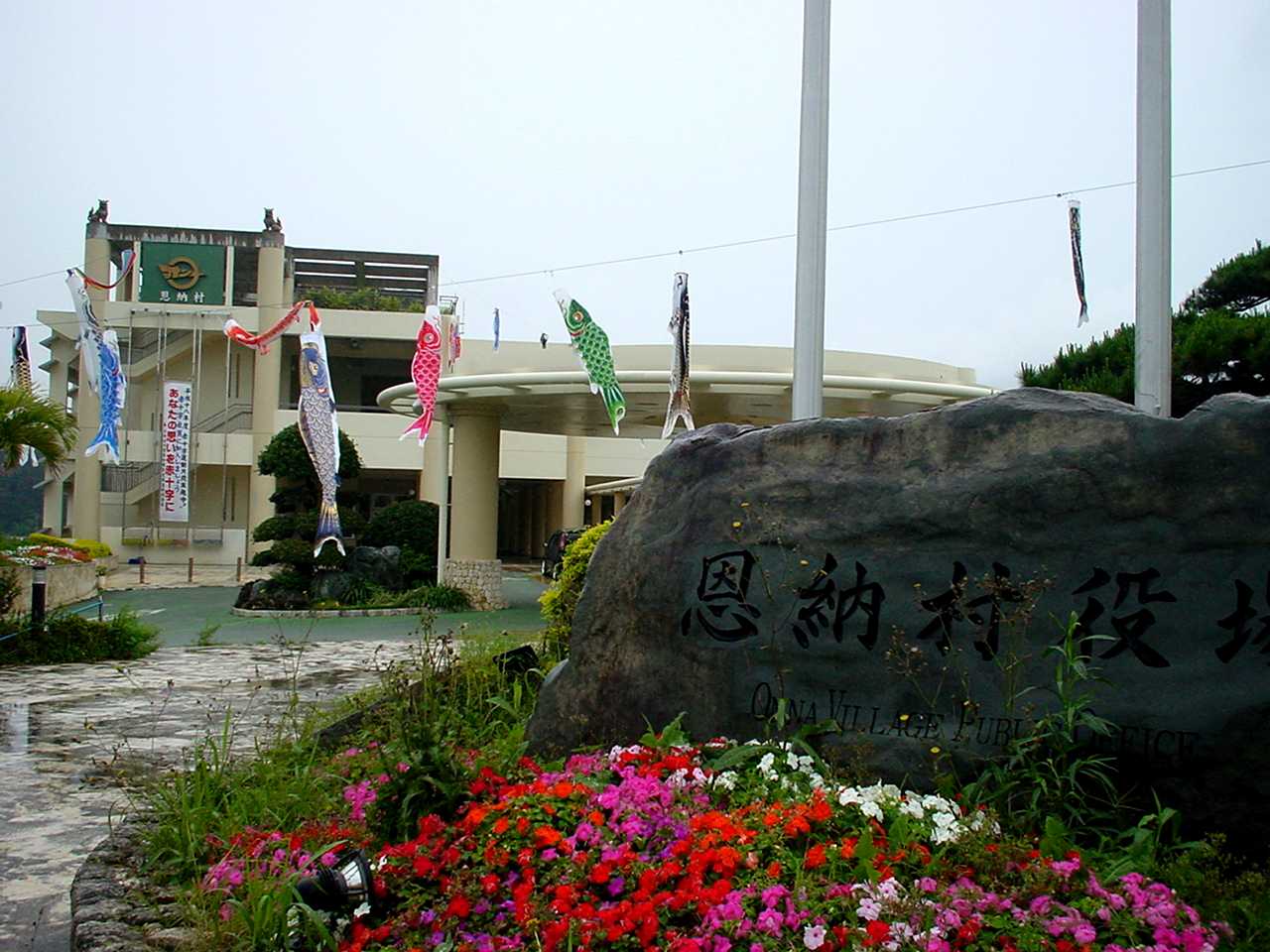
A pure-white cliffside resort above the Onna-son shoreline, its infinity pool and orchid-scented spa distilling Hawaiian sister-hotel elegance into Ryukyu form.
Set on a forested ridge above Nago Bay, its European-mansion architecture and panoramic onsen baths look out over the East China Sea at sunset.
A stack of terraced, coral-stone villas cascading down a bluff to a hidden cove, each room's private balcony framed like a proscenium onto the reef below.
Linked by causeway to its own islet, this resort pairs a broad crescent beach with sea-view suites built for slow, barefoot mornings.
Rates change — check the live price.
Photography shows the dishes and cuisine — representative, not from the restaurants themselves.
A decades-old institution for home-style Okinawan cooking — order the rafute stewed pork belly and bitter-melon champuru.
A holdover from the postwar American era, sizzling Ishigaki beef on hot iron plates in a retro dining room.
A short walk from Shuri Castle's gates — chewy handmade noodles in a clear pork-and-bonito broth, topped with a soft-braised rib. Go before it sells out.
Chef Ken Shiroma has spent over 40 years reviving the royal banquet cooking of the Ryukyu court in this quiet Shuri dining room — reserve ahead for the multi-course tasting menu of dishes once served to Okinawan kings.
A roadside market-restaurant for grilled reef fish and fresh sea grapes, right by the bridge to Kouri.
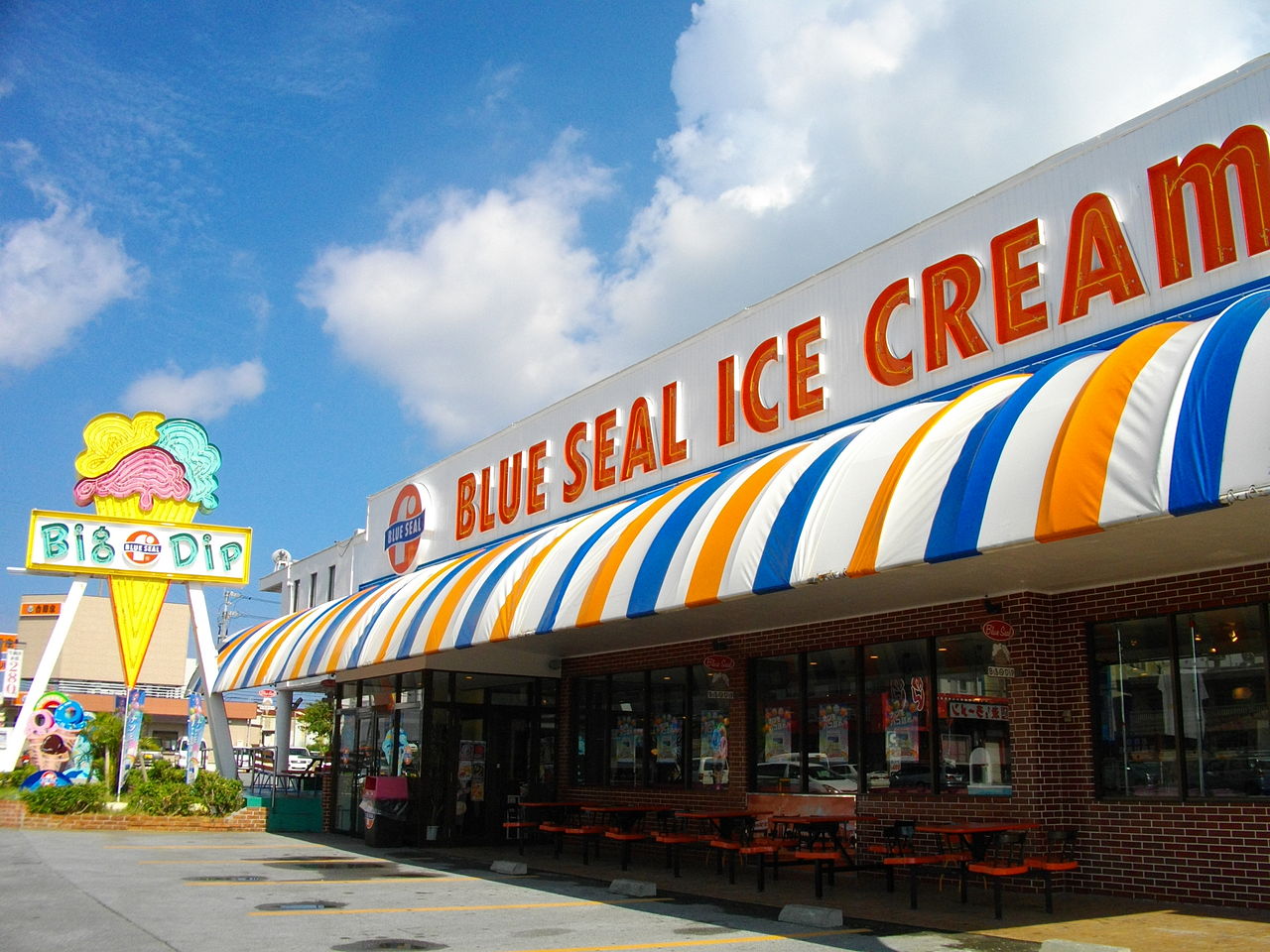
The beloved Okinawan-American ice cream brand's flagship parlour — try the beni-imo purple sweet potato scoop.
Okinawa's sights are spread across the island; a rental car (international permit required) is far more practical than the limited bus network.
June–October brings typhoons; build flexibility into your itinerary and check ferry schedules to the Kerama Islands before booking.
Many beaches and dive operators require mineral sunscreen, since chemical formulas are restricted around coral-reef areas.
Zamami and Aka ferries run limited daily departures — reserve the high-speed boat in advance for a day trip.
Parts of the island house US military bases; some roads and beaches nearby have restricted access, so check posted signage.